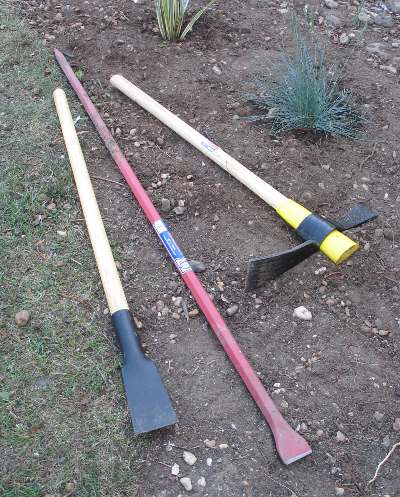
Ground digging tools help you cut, lift, and move soil with speed and control.
If you plan a fence, a garden bed, or a trench, the right ground digging tools make the work faster and safer. I have dug in clay that felt like concrete and sand that collapsed like sugar. This guide shares what works, why it works, and how to choose smart. Keep reading for expert tips, real examples, and a clear plan to master ground digging tools.
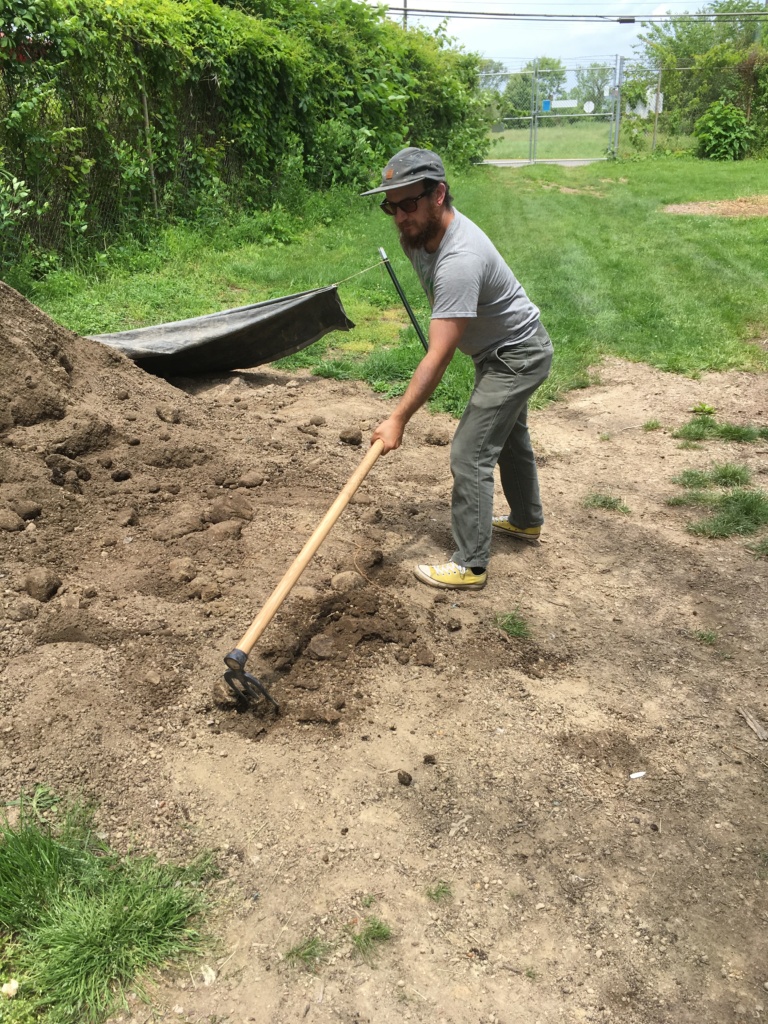
What Counts As Ground Digging Tools?
Ground digging tools include any hand or power tool used to break soil, remove dirt, make holes, or shape trenches. The core kit often starts with a shovel, a spade, and a digging bar. From there, you add tools for roots, rocks, or deep holes as needed.
Manual tools shine for small jobs. They are cheap, quiet, and simple to fix. Power tools save time on big jobs and hard ground. Renting can be smart if you only need them once.
Think about your soil, your goal, and your budget. Then match the tool to the task. That simple plan prevents waste and pain.
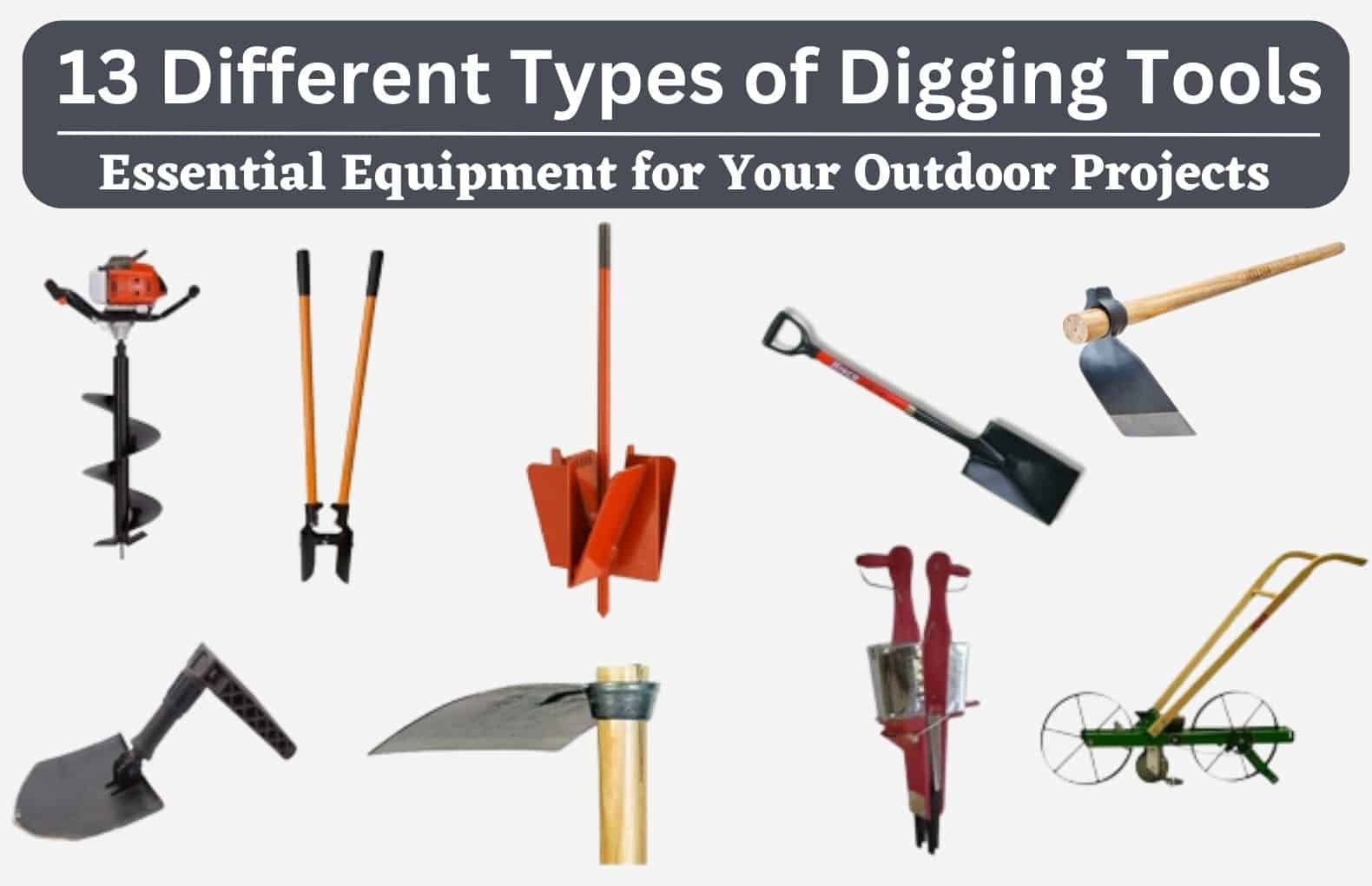
Types of Ground Digging Tools
Manual essentials
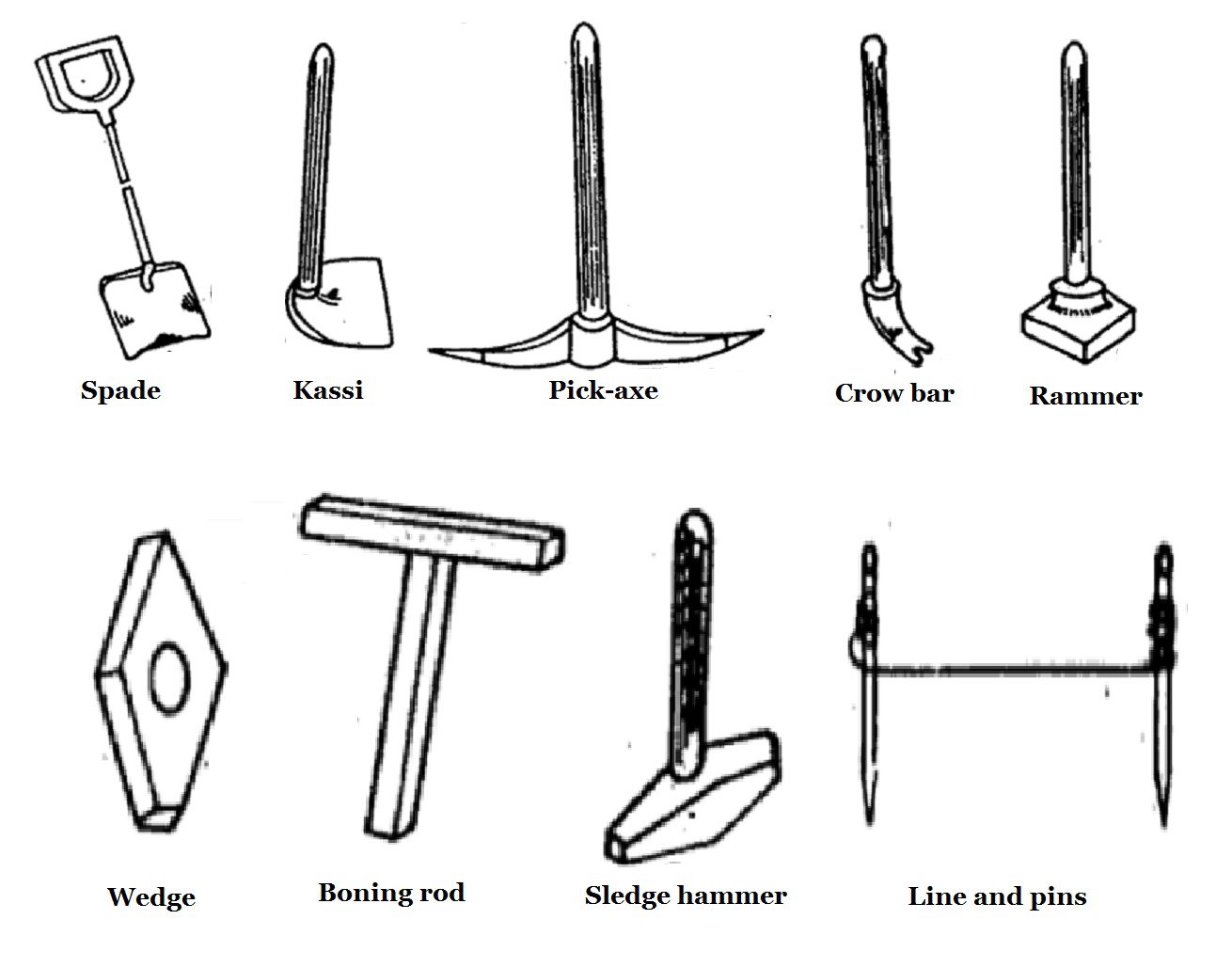
- Shovel: Moves loose soil and gravel. A round-point blade helps start holes and cut into softer ground.
- Spade: Has a flat, straight blade. Great for edging, cutting sod, and clean trench walls.
- Post hole digger: Two scoops on long handles. Good for narrow, deep holes for posts or small trees.
- Trenching shovel: Long, narrow blade. Makes tidy trenches for cables, drip lines, or drains.
- Mattock: One side is a blade, the other is a pick. Breaks clay, roots, and compacted soil.
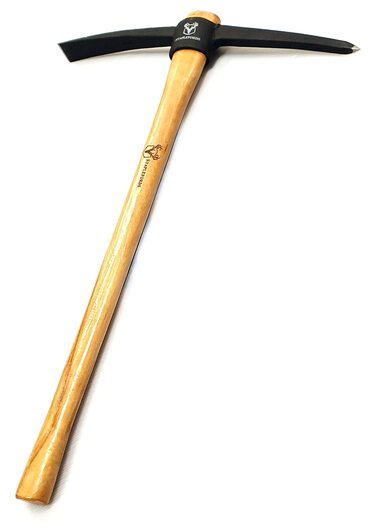
- Pickaxe: Focused power for rock and hardpan. Loosens hard layers before you shovel.
- Digging bar: Heavy steel bar. Pries rocks, breaks hard spots, and tests depth.
- Garden trowel: Small hand tool. Precise holes for bulbs and small plants.
- Bulb planter: Cuts uniform holes fast. Saves your wrists on repeat planting.
- Manual auger: Corkscrew bit on a handle. Bores holes in soft to medium soil.
Powered tools
- Power auger: Gas, electric, or battery. Drills post holes fast. Two-person models handle larger bits and tougher soil.
- Trencher: Cuts long, straight trenches at set depths. Ideal for drains and conduit.
- Mini excavator or skid steer with auger: Heavy duty. Best for many holes, deep digs, or rocky sites.
Specialty helpers
- Root saw or loppers: Slices stubborn roots clean to avoid blowouts.
- Drain spade: Narrow, rounded blade for deep, precise digging in tight spots.
- Soil probe: Checks depth, moisture, and compaction before you dig.
In my jobs, the mattock, trenching shovel, and post hole digger do most of the heavy lifting. I add a power auger when I have more than six posts or dense clay.
How To Choose The Right Ground Digging Tools
Match the tool to soil, depth, and volume. This prevents fatigue and broken handles. It also keeps your holes clean and the sides stable.
Use this simple plan:
- Check soil type: Sand, loam, clay, or rocky mix. Wet clay is tough. Dry sand collapses.
- Define the goal: Post holes, beds, trench, or tree pits. Choose tools that match the shape.
- Measure depth and count: A few holes favor hand tools. Many holes favor a power auger.
- Pick handle material: Fiberglass resists rot and shock. Wood gives feel and is easy to replace.
- Fit the tool to you: Handle length to your chest or shoulder is a good start. Test grip comfort.
- Mind the weight: Heavier tools hit harder. Lighter tools save energy on long jobs.
A quick guide by task:
- Fence posts: Manual post hole digger plus digging bar. Add a power auger if you have more than a few.
- Garden beds: Spade for clean edges. Shovel for moving soil. Mattock for breaking compacted layers.
- Trenches: Trenching shovel in soft soils. Trencher for long runs and fixed depths.
- Tree planting: Spade and mattock to shape and loosen. Avoid glazing the hole walls in clay.

Techniques And Pro Tips For Faster Digging
Small changes in technique can cut your time in half. They can also save your back and shoulders.
Clay and hardpan
- Pre-soak the area for a few hours. Moist soil cuts easier but avoid mud.
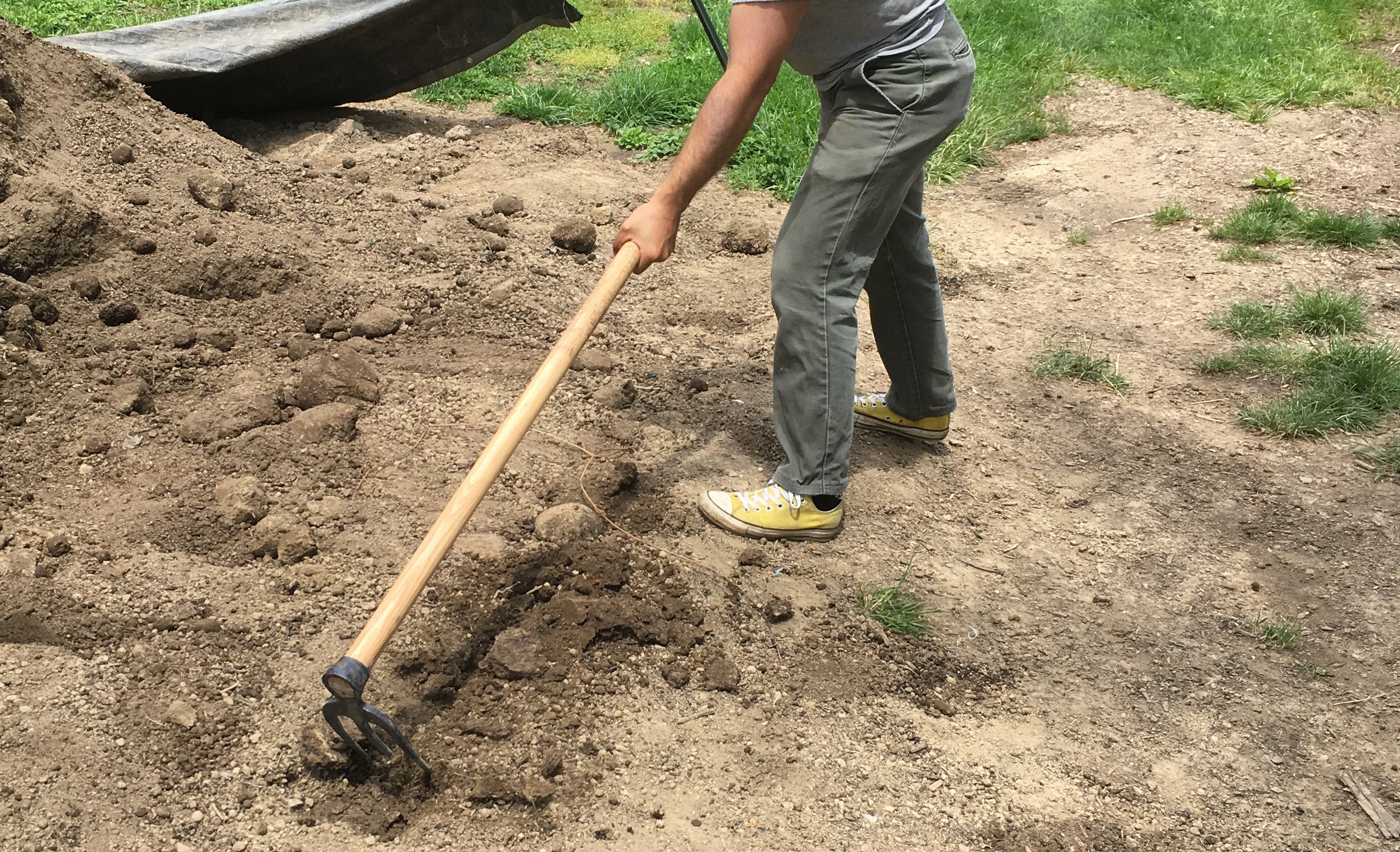
- Score the surface with a mattock. Then shovel out the loose soil.
- Twist the tool on the down stroke. It breaks bonds better than a straight lift.
Rocky ground
- Use a digging bar to pry and pop rocks first. Do not fight them with a shovel.
- Clean as you go. Remove rocks from the hole so they do not jam your tool.
- Wear boots with a firm toe. You will use your foot to drive blades often.
Sandy soil
- Cut the rim of the hole wider to reduce collapse. Work from the top down.
- Use boards or a bucket to support edges if needed.
- Dampen the sand a bit to help it hold shape.
Roots
- Expose roots and cut clean with a root saw or loppers. Do not tear.
- Keep blades sharp. A dull tool makes a mess and tires you out.
A lesson learned the hard way: rushing deep holes causes blowouts. I now dig in stages. Break, scoop, square the walls, and repeat. The holes stay neat, and posts set straight.
Safety And Ergonomics
Before you dig, mark utilities. In the US, call your local utility locate service first. This prevents damage and injury. It also may be required by law.
Use smart body mechanics:
- Keep your back straight. Bend at hips and knees.
- Switch hands often to avoid overuse.
- Take fast breaks every 20 minutes. Sip water and shake out your arms.
Wear protection:
- Gloves for grip and blisters.
- Eye protection for chips and dust.
- Steel-toe or firm boots for foot safety.
- Hearing protection with powered tools.
For power augers, brace your stance. If the bit binds, release the throttle. Do not fight torque with your wrists. Clear the hole often so the bit does not jam.

Maintenance And Care
Good care extends tool life and speeds work. A sharp, clean edge cuts like a hot knife.
Keep a simple routine:
- After use: Rinse off soil. Dry tools to stop rust.
- Sharpen edges: File shovels, spades, and mattocks a few times per season.
- Rust control: Wipe metal with a light oil or silicone after cleaning.
- Handle checks: Tighten or replace loose handles. Sand splinters and add a light oil or sealant.
- Storage: Hang tools in a dry spot. Keep blades off the floor.
- Power tools: Follow fuel mix or battery care rules. Inspect bolts on auger bits and guards.
I keep a file, a wire brush, and a rag in a small bucket. It lives by the hose. A two-minute clean saves me from stuck-on clay the next day.
Budget And Buying Guide
You do not need every tool on day one. Start with a core set. Add tools as your projects grow.
Smart ways to save:
- Buy quality on tools you use often. A strong spade and mattock are worth it.
- Rent power augers, trenchers, or mini excavators for big jobs.
- Try tools in-store. Check balance, handle fit, and blade shape in your hands.
- Look for solid welds, tempered steel, and reinforced steps on shovels.
- Avoid bargain sets with soft metal. Blades that bend waste time.
Typical price ranges:
- Shovels and spades: Low to mid for general duty. High for pro-grade steel and fiberglass.
- Post hole digger: Low to mid. Spend more for stronger hinges and handles.
- Mattock and pickaxe: Mid for tempered steel and secure heads.
- Power auger: Mid to high. Factor in fuel or batteries and bits.
- Trencher or mini excavator: Rent by the day. Plan your layout ahead to save rental hours.

Real-World Use Cases And Tool Combos
Setting a fence line
- Mark the line and hole spacing with string and paint.
- Use a digging bar to break the first few inches. Then a post hole digger to scoop.
- Add a power auger if you have many holes or dense soil. Clean each hole by hand for final depth.
Building a raised bed
- Cut the outline with a spade. Remove sod in sections.
- Loosen the subsoil with a mattock. This helps drainage and root growth.
- Level with a shovel. Add soil mix and rake smooth.
Planting a tree
- Use a spade to shape a wide, shallow hole. Wider than the root ball, not deeper.
- Break the sides with a mattock to avoid glazing. Roots need a rough surface to spread.
- Backfill and water in stages. Check for level from two angles.
Digging a French drain
- Plan the trench depth and slope. Mark with stakes.
- Use a trenching shovel or trencher. Keep walls narrow and consistent.
- Add fabric, gravel, pipe, then cover. Test flow with a hose.
These combos have saved me hours. The right ground digging tools work like a small crew. Each tool plays a part. Together, they get you clean lines and steady progress.

Environmental And Soil Health Considerations
Good digging protects your soil and your site. It also keeps you on the right side of local rules.
Best practices:
- Work when soil is moist but not soaked. Avoid deep digging right after heavy rain.
- Keep topsoil separate from subsoil. Reuse topsoil on top to keep plants happy.
- Limit foot traffic in work zones. Use boards to spread weight and avoid compaction.
- Control erosion with straw or mulch on exposed soil.
- Clean tools between sites to avoid moving pests or weeds.
- Check rules for tree roots, wetlands, or historic areas before you start.
Healthy soil pays you back. Roots grow faster. Water drains better. Your holes hold shape. Your projects last longer.
Frequently Asked Questions of ground digging tools
What are the must-have ground digging tools for beginners?
Start with a shovel, a spade, and a mattock. Add a post hole digger if you set posts or plant trees.
Are power augers worth it for small projects?
For fewer than six holes, hand tools are fine. If soil is hard or you have many holes, a power auger saves time and effort.
How do I dig in clay without burning out?
Moisten the area a few hours ahead, then break layers with a mattock. Scoop in stages and keep blades sharp to reduce strain.
What handle material is best for durability?
Fiberglass handles resist rot and absorb shock well. Wood offers better feel and is easy to replace if it breaks.
How can I prevent a post hole from collapsing in sand?
Widen the top, work in short lifts, and dampen sand as you go. Use temporary boards or a bucket form to support edges if needed.
When should I rent a trencher instead of using a shovel?
If you need long, straight trenches at set depths, a trencher is faster and cleaner. Renting makes sense once your trench is more than a few yards.
How do I keep my ground digging tools sharp and rust-free?
File edges a few times per season and after hitting rocks. Clean, dry, and wipe metal with light oil before storage.
Conclusion
Choose the right ground digging tools, and your project shifts from hard labor to smooth progress. Match the tool to your soil and task, use clean technique, and care for your gear. You will dig faster, safer, and with better results.
Ready to put this to work? Pick one project on your list and build a simple tool plan today. Subscribe for more hands-on guides, share your own digging wins, or drop a question so we can help you choose the best ground digging tools for your next job.