Gardening Tools For Digging: Essential Picks For 2026
Digging is the most physical task in any garden. Whether you’re planting a rose bush, edging a lawn, or setting fence posts, the right tool transforms back-breaking work into something close to effortless. The wrong tool turns a ten-minute job into an hour of frustration.
The core options are straightforward: spades, shovels, forks, trowels, mattocks, and post-hole diggers. But choosing between them—and knowing when to use each—makes all the difference in clay, loam, or sandy soil. This guide covers the essential digging tools for 2026, how to match them to your soil and task, and how to keep them in shape for years of reliable service. You can also read our guide on how to remove rust from garden tools.
How to Choose the Right Digging Tool
Before buying anything, assess your soil type and the job at hand. These two factors determine everything else.
Clay soil is heavy and compacted. It demands tools with strong blades and leverage—a digging fork or mattock to break it up, then a shovel to lift. Sandy soil is loose and forgiving; wider blades work better because they don’t sink too deep. Loam, the gardener’s gold standard, accepts almost any tool, but sharp edges still make the work noticeably easier.
Here’s a simple decision guide:
- Planting small plants or bulbs: Use a trowel or a hori hori knife.
- Edging, cutting sod, and straight-sided trenches: Use a spade.
- Moving soil and digging larger holes: Use a round point shovel.
- Breaking hard ground and lifting clumps: Use a digging fork or mattock.
- Deep, narrow holes for posts: Use a post hole digger or auger.
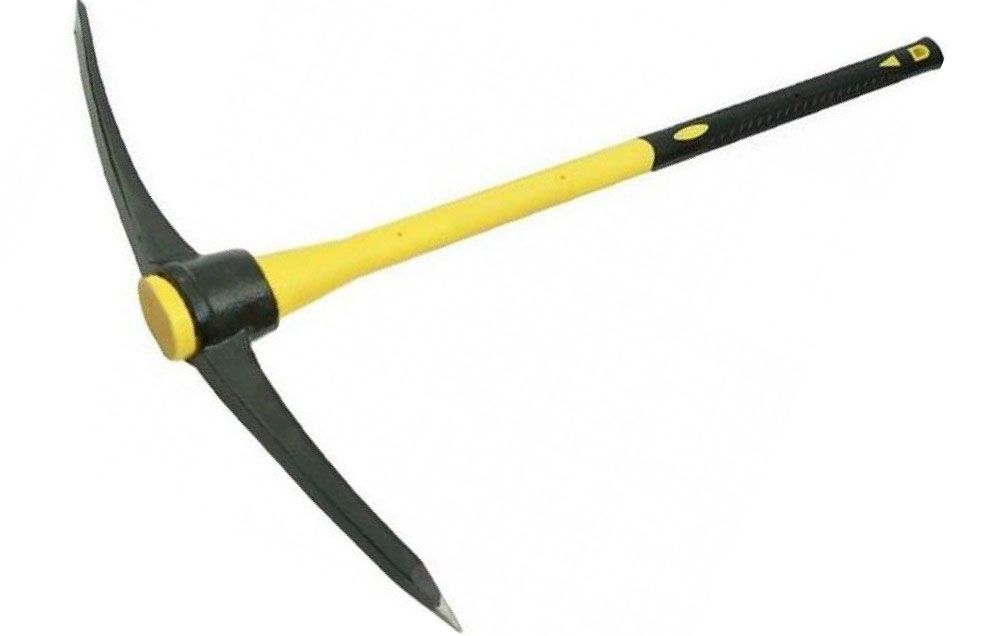
Match the tool to the task—a pickaxe breaks ground that a shovel simply bounces off.
Source: gilgharda.com
When in doubt, test in a small area first. The goal is always to let the tool do the work, not your lower back.
The Essential Digging Tools and When to Use Them
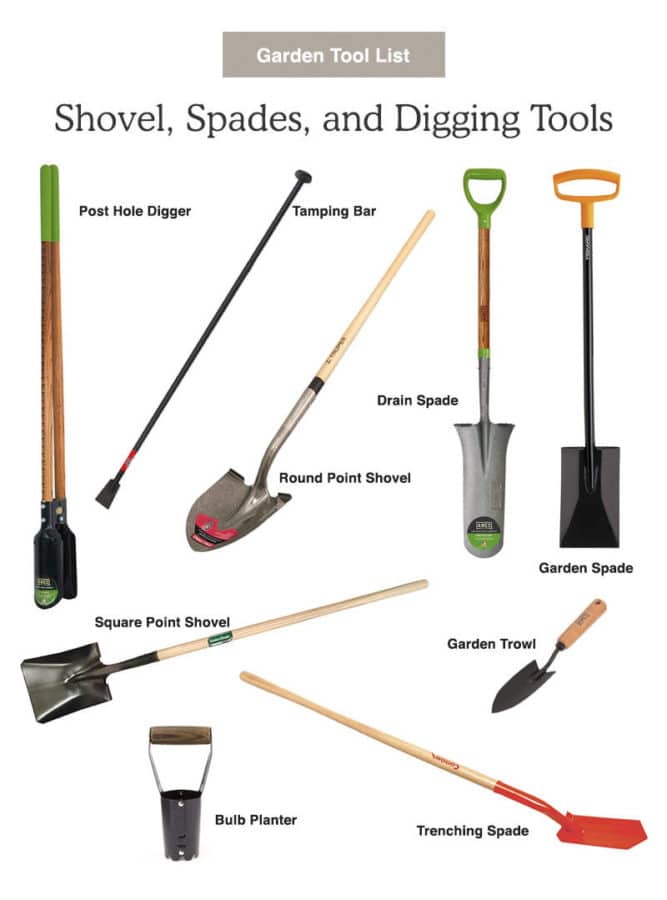
Spade
A spade has a flat, straight blade designed for precision work. It’s the tool for edging beds, slicing through turf, and creating clean, vertical trench walls. The flat blade also makes it excellent for cutting through surface roots. You can also read our guide on how to water lawn efficiently.
In practice, a spade is the tool you reach for when you need a clean line. Look for a model with a tread (the flat ledge above the blade) so you can push with your boot comfortably. A D-grip handle gives you greater control for precise cuts.
Key tips:
- Choose a 12–14 gauge steel blade for a good balance of weight and strength.
- A shorter handle offers more control when working close to edges.
- A slight forward tilt on the blade helps with leverage in tougher soil.
Shovel
The round point shovel is the workhorse of the digging world. Its curved, pointed blade penetrates soil easily and is ideal for lifting and moving material. For general digging—planting trees, turning beds, moving compost—this is your primary tool. For more on this, see our guide on ginseng digging tools.
In heavy clay, step on the tread and rock the handle side to side to break the plug free. A square shovel is better for scooping loose material and cleaning up, but it’s not designed for primary digging in hard ground.
Key tips:
- Look for a strong collar and solid welds where the blade meets the handle.
- Fiberglass or ash handles reduce vibration and last longer under stress.
- A longer handle adds leverage, which is essential for deeper holes.
Garden Fork
A digging fork is underappreciated. Its tines slide between roots and stones, loosening and turning soil without the compaction a shovel blade causes. This makes it invaluable for breaking up clay after rain, blending compost into beds, and harvesting potatoes.
The key difference is the tines. Forged or heat-treated tines are essential; cheap pressed tines will bend the first time you meet a root or a patch of clay.
Key tips:
- Choose forged tines for durability.
- A border fork (slightly smaller) is lighter and better for raised beds.
- Use it for gentle root work where a shovel would slice through valuable plants.
Trowel and Hori Hori
For close-up work, few tools beat the trowel. It’s your go-to for planting seedlings, bulbs, and small perennials. The hori hori, a Japanese knife-trowel, takes this further. Its sturdy blade cuts through roots, digs, and even measures depth (many have a marked scale).
Many experienced gardeners keep a hori hori on their belt for the whole season. It’s the one tool that seems to do everything.
Key tips:
- Stainless steel resists rust and cleans up in seconds.
- A depth gauge on the blade is genuinely useful for planting bulbs at consistent depths.
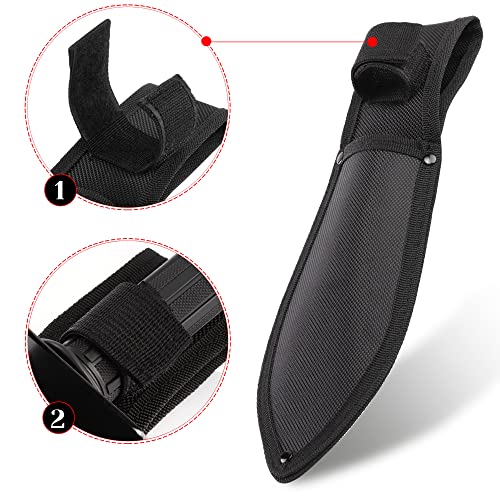
- Always use a sheath—these blades are sharp.
Post Hole Digger and Digging Bar
Setting posts, planting trees, or installing irrigation? A post hole digger creates narrow, deep holes with straight sides. The clamshell design grips soil at the bottom of the hole and lifts it out.
Hardpan or rocks will stop a post hole digger cold. That’s when you reach for a digging bar—a long, heavy steel rod with a chisel point. It breaks up compacted layers and rocks so you can continue.
Key tips:
- Water the area the day before in dry conditions to soften the ground.
- Mark the desired depth on the handle with tape.
- Always call your local utility locator service before digging deep.

A grub hoe excels at breaking up compacted soil and severing thick roots.
Source: com.br
Mattock and Pickaxe
When a shovel bounces off the ground, it’s mattock time. A mattock has a wide, horizontal blade on one side (for cutting and grubbing) and a pick or adze on the other (for breaking and prying). It is the superior tool for breaking up hard, compacted clay and cutting through roots.
A pickaxe concentrates force into a narrow point, making it ideal for breaking rocky ground. Both tools are about leverage and controlled force, not brute strength.
Key tips:
- Keep swings short and controlled to protect your back.
- Wear boots with toe protection—these tools are dangerous when misused.
- A 3–5 pound head suits most home gardeners.
Hand Auger and Power Auger
Augers drill clean, round holes with minimal soil disturbance. A hand auger is perfect for planting dozens of bulbs in autumn. A power auger, driven by a drill or dedicated motor, saves significant time when setting multiple posts or planting trees.
Power augers excel in sandy loam and fail in rocky ground, where they can bind and wrench your wrists. Know your soil before investing in one.
Key tips:
- Use slow speed and steady pressure to avoid stalling.
- Clear the bit frequently to prevent jams.
- Wear eye and ear protection with powered models.
Trenching Shovel and Drain Spade
For narrow trenches—running drip lines, installing edging, or digging drainage channels—a trenching shovel is essential. Its long, narrow blade cuts clean, straight channels without disturbing the surrounding soil.
A drain spade is similar but has a more tapered blade for even tighter spaces. In practice, these tools are the difference between a neat installation and a mess.
Key tips:
- Keep blades sharp for clean trench walls.
- A straight handle gives better reach in narrow trenches.
- Work in two passes to reduce strain on your wrists.
A well-chosen starter set includes a spade, a round point shovel, a digging fork, and a trowel. Add specialty tools as your projects grow.
Ergonomics, Materials, and Build Quality: What to Look For
Comfort is not a luxury; it’s a requirement. A poorly fitting tool causes wrist strain, shoulder pain, and blisters. A good handle reduces this strain significantly.
Handle shapes: D-grips offer control for tasks requiring precision (edging, planting). Straight handles extend your reach for deeper work. Both have their place.
Handle materials: Fiberglass dampens vibration and survives weather extremes. Wood (usually ash) feels warm in the hand, is comfortable, and can be repaired or replaced when it cracks. Neither is objectively better—it comes down to personal preference. A good sharpener and file set will keep both in top condition.
Blade steel: Forged boron or tempered carbon steel holds a sharp edge longer. Stainless steel resists rust and is easier to clean but can be slightly softer. Inspect the ferrule (the metal collar where blade meets handle), rivets, and welds. They should be tight and smooth with no gaps.
Finally, balance the tool in your hand. It should feel natural—not tipping forward heavily, not feeling head-heavy. The right tool fits your body, your height, and your soil.

Pay attention to handle material and blade quality—these determine the tool’s lifespan.
Source: amazon.com
Care, Sharpening, and Storage: Making Tools Last
Simple maintenance dramatically extends the life of any digging tool.
After every use: Rinse off dirt, dry thoroughly, and wipe metal parts with a light oil (linseed oil works well). This prevents rust and keeps moving parts smooth. For wooden handles, apply boiled linseed oil periodically to prevent drying and cracking.
Sharpening: A sharp edge saves energy and produces cleaner cuts. Use a flat file at a 25–30 degree angle. A few passes after each job is enough to maintain an edge. When tools become dull or rusted, our guide to the sharpest methods will help you bring them back to life.
Storage: Store tools dry and off the ground. A wall rack is ideal. Keep a sheath on sharp blades for safety and edge protection.
Rust removal: If rust appears, remove it with a wire brush or sandpaper, then re-oil. Handles that are cracked or splintered should be replaced promptly—a broken handle in the middle of a dig is a safety hazard.
Techniques That Make Digging Easier
The best tool in the world won’t help if your timing is wrong. Soil moisture is everything.
The squeeze test: Take a handful of soil and squeeze it. If it forms a tight ball that smears rather than crumbles, it’s too wet. If it crumbles apart when you open your hand, it’s perfect. If it won’t form a ball at all, it’s too dry. Moist soil cuts cleanly and clumps less.
Use your legs, not your back: Keep your spine long, hinge at the hips, step on the tool tread, and let your body weight do the work. Wiggle the handle to free the plug rather than wrenching it upward.
Take small bites: Don’t try to lift a full shovel of dense clay. Take smaller portions and rest often.
Improve your soil: The long-term fix is soil structure. Adding organic matter like compost improves drainage in clay and water retention in sand. Healthier soil means less effort for every dig. The more you improve the underlying soil health, the easier every future digging task becomes.

Test soil moisture before digging to avoid compaction and clumping.
Source: uncommongoods.com
Budget, Brand Insights, and Sustainability
Budget by use: Occasional, light work can get by with budget tools. Heavy, weekly use demands stronger builds. Expect to pay roughly $15–30 for basic tools, $30–70 for reliable mid-tier options, and $70–150+ for professional-grade tools with long warranties.
Buy fewer, better tools: One good spade beats three cheap ones. Look for repairable handles and standard ferrule sizes—this means you can replace a broken handle instead of throwing away the whole tool.
Sustainability: Choose FSC-certified wood or recycled steel when available. Secondhand tools can be excellent finds; a new handle can restore an old forged head to better-than-new condition. Buying quality and repairing extends the life of your tools and reduces waste.
Safety and Common Mistakes
Safety should never be an afterthought when working with sharp, heavy tools.
Always: Wear gloves and sturdy shoes with toe protection. Call 811 (in the US) before any deep digging to locate underground utilities. Keep children and pets clear of the work area.
Common mistakes to avoid:
- Using a shovel when a fork would reduce compaction: A fork loosens soil without destroying its structure.
- Digging in soaked soil: This ruins soil structure and creates ruts and clods.
- Forcing a dull blade: This adds strain and increases the risk of slipping.
- Overreaching with a heavy load: Keep loads close to your body.
- Skipping breaks and water on hot days: Heat stress is a real risk in the garden.

Proper footwear and safe technique prevent most digging-related injuries.
Source: ebay.ca
Frequently Asked Questions
What is the difference between a spade and a shovel?
A spade has a flat, straight blade designed for cutting edges, slicing sod, and shaping soil. A shovel has a curved, pointed blade designed for digging into soil and moving loose material.
Which tool is best for hard clay?
Start with a mattock or a digging fork to break up the compacted clay. Then switch to a round point shovel to lift and remove the loosened soil.
How do I keep tools from rusting?
Clean, dry, and oil metal parts after every use. Store tools in a dry place and hang them off the ground rather than leaving them in a shed corner.
Are stainless steel blades better than carbon steel?
Stainless steel resists rust and is easier to clean. Carbon steel holds a sharper edge but requires more care to prevent rust.
How deep should I dig for planting a shrub?
Dig a hole as deep as the root ball and two to three times wider. This loosens the surrounding soil, allowing roots to establish quickly.
Can I use a power auger for trees?
Yes, but rough up the sides of the hole and widen it by hand. Power augers create smooth, glazed walls that roots struggle to penetrate.
What handle material should I choose?
Fiberglass reduces vibration and withstands weather. Wood feels natural and is repairable. Choose based on comfort and how you plan to maintain the tool.
Conclusion
The best gardens start with the right tools, used the right way. Choose digging tools that match your soil and your tasks. Keep them sharp, use proper body mechanics, and wait for the soil to be in ideal condition before you dig. These small adjustments add up to significant gains in speed, comfort, and the quality of your garden beds.
Start with a core set—a spade, a round point shovel, a digging fork, and a quality trowel. Add specialty tools as your projects demand them. If your soil is particularly difficult, a mattock or digging bar will prove their worth quickly.
Your back will thank you, your plants will establish faster, and your tools will last for decades with simple care. Pick one upgrade this week—a sharper spade or a better digging fork—and notice the difference in your energy at the end of the job.