Drain fully, coil wide loops, support on a reel, and store in shade.
If you want to master how to store garden hose without kinks, you are in the right place. I have managed hoses for large gardens and small yards for years. In this guide, I will show you how to store garden hose without kinks with clear steps, tools that work, and fixes for tough cases. Follow along to get a smooth flow every time.

Why Hoses Kink and Why Storage Matters
Hoses kink because of memory in the material. PVC and rubber try to spring back to the shape they were packed in. Tight coils, twists, and small hooks force a bend past the safe radius. That bend folds the hose and blocks the flow.
Each kink weakens the hose wall. It creates stress points that crack over time. Sun and heat make this worse. When you know how to store garden hose without kinks, you slow wear, avoid leaks, and keep pressure strong.
I learned this the hard way on a landscape crew. One worker kept looping hoses on a thin hook. By mid-summer, three hoses had flat spots and pinholes. We changed the setup and saw instant gains. Good storage works day one, and it lasts.
To nail how to store garden hose without kinks, start with gentle curves, no twist, and full support.

Prep Your Hose Before You Store It
Good storage begins before the hose hits the reel. These simple steps cut kinks and damage.
- Shut off the spigot and open the spray end. Let water drain downhill until the line is light.
- Lay the hose straight on the ground. Give it a few minutes in mild sun to relax the memory.
- Remove nozzles and splitters. Rinse grit from couplers and change worn washers.
- Whip out the last water. I swing a few soft arcs like a lasso to purge pockets.
- Wipe the hose dry. Dirt holds heat and eats the jacket over time.
Do these steps each time you put the hose away. It is the base of how to store garden hose without kinks.

Pro Coiling Methods That Prevent Kinks
Use one of these coiling methods. They keep the hose round and calm.
Over-under coil
- Hold the hose end in one hand.
- Make a wide loop on the ground, about 2 to 3 feet across.
- For the next loop, twist your wrist the other way so the hose flips over.
- Repeat. The twist you add in one loop is removed in the next.
This method manages twist and keeps the hose flat. It is how to store garden hose without kinks when space is tight.
Large loop elbow-to-hand coil
- Hold the end in your left hand.
- Reach out with your right hand to your elbow span and pull a loop back.
- Lay each loop on top of the last in wide, even circles.
- Keep loops the same size to avoid pinch points.
Figure-eight on a rail or post
- Wrap the hose in a lazy figure-eight over a wide bar.
- Cross the middle each time to cancel twist.
- This works well for long hoses that love to kink.
Tip from the field: Add a swivel to the hose end on a reel. It cuts twist as you wind. This one change can solve how to store garden hose without kinks for many users.
Storage Options That Work
Pick storage that supports the hose and keeps it cool.
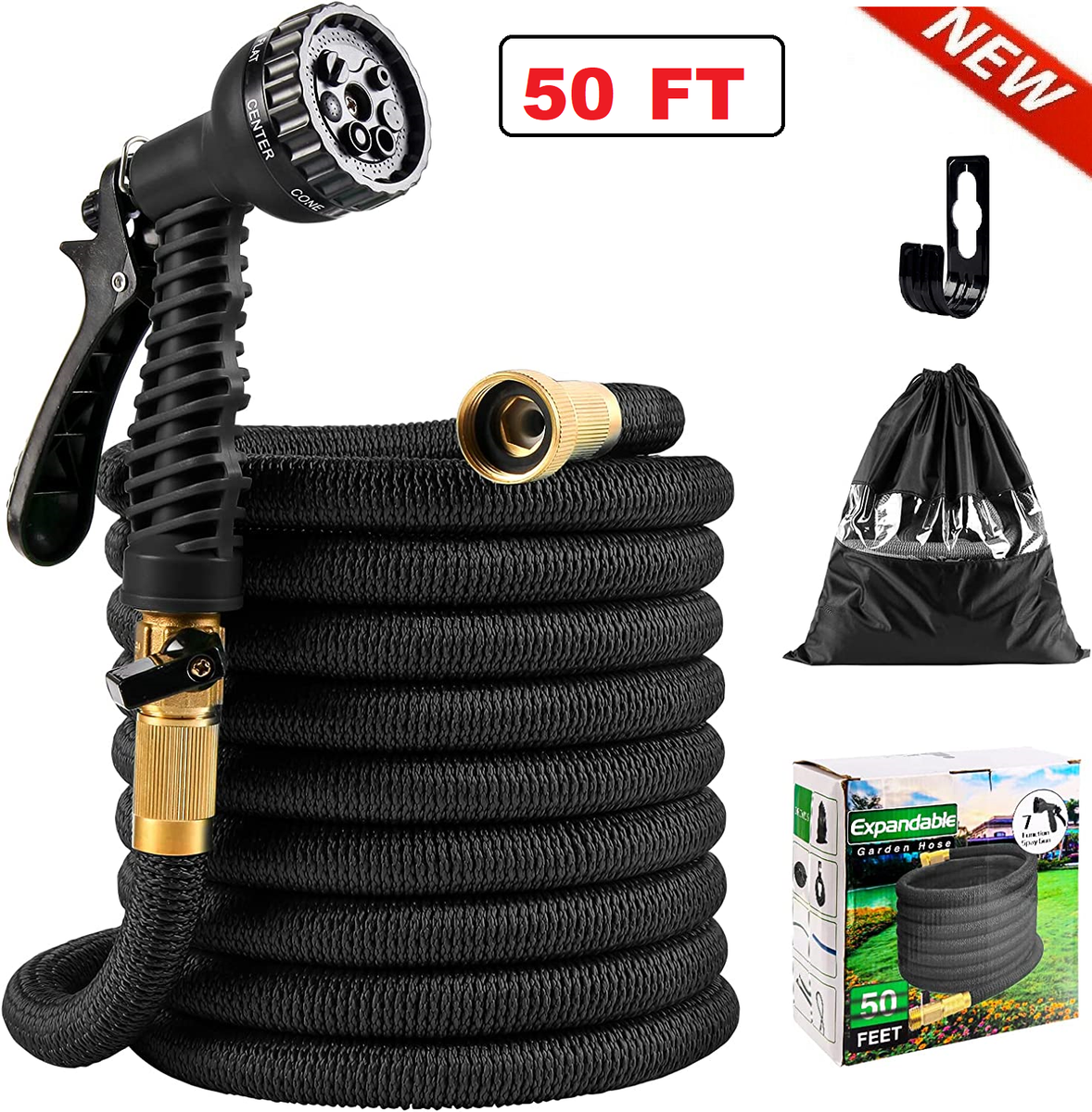
- Wall-mounted hose reel. Choose a reel with a guide arm and a wide drum. Crank slow and even.
- Hose cart. Great for large yards. Park it in shade when not in use.
- Self-retracting reel. Make sure the auto layer system is smooth. Do not let it snap back fast.
- Wide hose hanger. Use a hanger at least 3 inches wide, 5 inches is better. Thin hooks cause kinks.
- Hose pot or box. Place a coil in wide loops at the base. Avoid small center posts.
Avoid dragging a hose into tight coils on a thin nail or small hook. That is the opposite of how to store garden hose without kinks. Aim for wide support, gentle curves, and shade.

Seasonal Storage and Care
Heat, cold, and sun change how a hose behaves.
- Summer. Keep the hose out of direct sun when stored. UV and heat make the jacket brittle.
- Fall. Drain and clean more often. Leaves and grit collect around fittings.
- Winter. Never leave water in the hose. Coil in wide loops and store indoors or in a frost-free shed.
- Spring. Check washers, couplers, and the first 10 feet for flat spots. Replace parts early.
These habits lock in how to store garden hose without kinks all year. They also extend the life of the hose by seasons, not weeks.
Mistakes to Avoid
Small errors lead to big kinks. Skip these traps.
- Tight coils. Small loops force sharp bends that kink at once.
- Hanging on thin hooks. Narrow supports flatten the hose wall.
- Storing under pressure. Close the nozzle and leave water in the line, and flat spots form.
- Winding fast with twists. Speed adds twist. Slow and even wins.
- Parking on hot pavement. Heat softens the hose and sets bad memory.
Avoiding these is key in how to store garden hose without kinks. I keep a simple rule: if the loop looks tight, make it bigger.

Fix and Train a Hose That Already Kinks
Do not toss a hose yet. Try these fixes first.
- Warm water soak. Soak the kinked section in warm water for 5 minutes. Coil in wide loops and let it cool.
- Reverse coil. Coil the hose the opposite way you used before. This cancels built-up twist.
- Figure-eight reset. Wrap in a figure-eight for a week. This relaxes memory without new twist.
- Spot repair. If a kink cracked the jacket, cut out the bad part and install a hose mender.
- Add a swivel and a wide hanger. These prevent the kink from coming back.
These quick steps often restore flow and help you keep up with how to store garden hose without kinks next time.
Frequently Asked Questions of how to store garden hose without kinks
What is the best way to coil a hose to avoid kinks?
Use the over-under method with wide, even loops. It cancels twists and keeps the hose round.
Should I use a hose reel to prevent kinks?
Yes, a reel with a wide drum and guide arm helps a lot. Wind slow and keep light tension for smooth layers.
How do I store a hose in winter without kinks?
Drain it fully, coil in large loops, and keep it indoors. Cold makes hoses stiff, so avoid tight bends.
Can a kink damage my hose?
Yes, each kink causes stress that can crack the wall. Over time, this leads to leaks and bursts.
What size hanger prevents kinks?
Choose a hanger at least 3 inches wide, 5 inches is better. Wider support means fewer flat spots.
How to store garden hose without kinks in small spaces?
Use a figure-eight on a wide bar or a compact reel. Keep loops large and avoid tight corners.
Does sun exposure make kinks worse?
Yes, UV and heat break down the jacket and set hose memory. Store in shade whenever possible.
Conclusion
A kink-free hose is not luck. It is the result of simple habits done well. Drain the line, remove twists, use wide loops, and support the hose on gear that fits. That is the heart of how to store garden hose without kinks, and it works for any yard or budget.
Try one upgrade this week, like a wide hanger or a better coil method. Notice the smoother flow and less hassle. Want more smart yard tips? Subscribe, share your results, or ask a question in the comments.