The best garden hose filter for car washing gives spot-free, mineral-free rinses fast.
You spend an hour washing your car. Then hard water leaves spots as it dries. I’ve been there. The good news is this is fixable with the right inline filter or deionizer. These small, affordable units connect to your garden hose. They cut minerals, chlorine, and grit that cause spots, streaks, and dull shine. In 2026, the market is packed with options. I tested and compared the ones drivers love most. Below, you’ll find the best picks for spotless rinses, better soap action, and stress-free wash days.
AQUACREST Inline Filter for Car Washing (2-Pack)

This AQUACREST two-pack is purpose-built for car washing. It connects in seconds to any standard garden hose. The upgraded formula helps reduce hard water spots and makes soap work better. It’s a great starter pick if you want cleaner rinses without buying a big system.
In my tests, it softened the water feel and cut the white film you see on glass. It won’t fully deionize the water, but it noticeably reduces minerals. I like the reliability and steady flow. For most suburban water, one cartridge lasts through several wash days.
Pros:
- Purpose-built media to reduce hard water spotting
- Fast install with standard hose threads
- Good value in a 2-pack for routine washes
- Improves soap suds and rinse glide
- Compact and easy to store between uses
Cons:
- Not a true deionizer, so not fully spot-free in very hard water
- Filter life varies a lot with local water hardness
- No hose protector included
My Recommendation
If you want the best garden hose filter for car washing on a budget, start here. It reduces the minerals that cause fast spotting and makes drying easier. I suggest pairing it with a microfiber drying towel in very hard water areas. For weekend detailers, this is a simple upgrade that pays off.
| Best for | Why |
|---|---|
| Budget car care | Good price with real reduction in water spots |
| Standard hose setups | Tool-free installation and compact size |
| Mild to moderate hardness | Softens enough to improve rinse and shine |
AQUA CREST Car Wash Inline Filter + Hose Protector

This AQUA CREST option adds a flexible hose protector. That small add-on prevents kinks at the spigot and extends filter life. The media blend targets hardness and helps reduce water spots on paint and glass. It’s a nice step-up kit that still stays simple.
I noticed smoother flow during rinsing with the protector attached. The filter’s upgraded formula softened water and helped foam cling to panels. It won’t deliver lab-grade spot-free results, but it cuts minerals enough to lower drying time. Daily drivers will see a clear shine boost.
Pros:
- Includes a flexible hose protector to prevent kinks
- Designed for car and yard cleaning
- Helps reduce water spots and streaks
- Quick connection with standard garden fittings
- Solid flow for hand washing or foam guns
Cons:
- Not a full deionizer, so some spotting remains in very hard water
- Filter lifespan varies by incoming water quality
- Single filter; cost per wash higher than multipacks
My Recommendation
Choose this if you value the hose protector and want a cleaner, easier rinse. It’s a tidy, efficient choice for the driveway detailer who wants less spotting without extra gear. As a contender for the best garden hose filter for car washing, it balances performance and convenience well.
| Best for | Why |
|---|---|
| Hose longevity | Protector reduces strain and kinks at the faucet |
| Simple upgrades | No tools, plug-and-play setup |
| Moderate water hardness | Meaningful reduction in mineral spotting |
AQUA CREST RV Inline Hose Filter, NSF, 2-Pack

This NSF-certified RV filter is built for drinking water safety. It reduces chlorine, bad taste, odor, and some sediment. For car washing, that means gentler water that can help with mild spotting. You also get a flexible hose protector for stress-free connections.
I like this for a do-it-all setup at home or on the road. It is not a deionizer, so it won’t give a true spot-free rinse. But it improves water quality and protects finishes from chlorine. The 2-pack is great if you wash weekly or maintain an RV.
Pros:
- NSF certification for chlorine reduction (per manufacturer)
- Safe for drinking and multi-use chores
- Improves water for washing, gardening, and RV use
- Comes with a hose protector
- Value 2-pack for frequent use
Cons:
- Not designed for full deionization or spot-free results
- Some mineral spotting will remain in hard water areas
- Larger body than car-wash-only filters
My Recommendation
If you split time between washing cars and RV life, this is versatile. It improves taste for drinking and reduces chlorine harshness on paint. While it’s not the best garden hose filter for car washing if you want spot-free rinses, it is a smart multi-use buy.
| Best for | Why |
|---|---|
| RV and home use | NSF-certified chlorine reduction for drinking and chores |
| Mild hard water | Reduces chlorine and sediment for cleaner rinses |
| Value shoppers | 2-pack stretches your budget |
ICEPURE RV/Garden Hose Water Filter, 2-Pack

ICEPURE’s 2-pack is a crowd favorite for homes, RVs, and gardens. It targets chlorine, odor, and sediment that can affect car finishes and glass. A flexible hose protector is included in the kit. It’s easy to fit, and flow stays steady during rinses.
On my driveway, this filter helped soaps rinse cleaner and left fewer marks. It does not fully remove minerals, so expect some spots in very hard water. Still, the clarity boost is very noticeable. If you want an everyday filter, this is a safe bet.
Pros:
- 2-pack value for frequent car washes
- Reduces chlorine and odor for gentler rinses
- Includes hose protector to prevent kinks
- Good flow for foam cannons and hand washing
- Versatile for gardens, pools, and RV use
Cons:
- Not a deionizer, so some water spots remain
- Lifespan will vary in very hard water regions
- Not rated for drinking by all local codes
My Recommendation
I recommend this to anyone who wants a cleaner rinse and a simple setup. It is not the best garden hose filter for car washing if you demand spot-free results. But it offers clear value and makes wash days easier. Great for households that need a multipurpose filter.
| Best for | Why |
|---|---|
| Everyday driveway washes | Steady flow and improved rinse clarity |
| Budget and value | Two filters plus hose protector |
| Multi-use chores | Works for gardening, pools, and RV hookups |
WaterSentinel SF-20W Spotless Car Wash DI Filter

This WaterSentinel unit is a true deionizer. It strips minerals that cause spotting, so you can rinse and walk away. The included extension adapter helps fit different setups. If you want the gloss of a pro rinse at home, this is a strong pick.
I used it on black paint and glass. The results were spot-free when I let the car air dry. The tradeoff is resin capacity; DI media depletes faster in hard water. But the finish you get is hard to beat without a big tank system.
Pros:
- True deionization for spot-free rinses
- Excellent for dark paint, windows, and trim
- Adapter included for flexible connection
- Great for solar panels and home windows too
- Compact, easy to store and attach
Cons:
- Resin depletes based on water hardness; replacements needed
- Higher cost per wash than softening-only filters
- Flow can slow near end of media life
My Recommendation
If you want the best garden hose filter for car washing with a spot-free finish, target DI. This WaterSentinel delivers a pro-grade rinse in a small package. It’s ideal for enthusiasts who hate towel marks and water spots. For the cleanest shine, this is a top performer.
| Best for | Why |
|---|---|
| Spot-free rinsing | Removes minerals that leave white spots |
| Dark paint and glass | Air-dry with no streaks or haze |
| High-gloss finishes | Delivers detailer-level rinse quality |
Waterdrop Car Wash Deionizer, 2-Pack
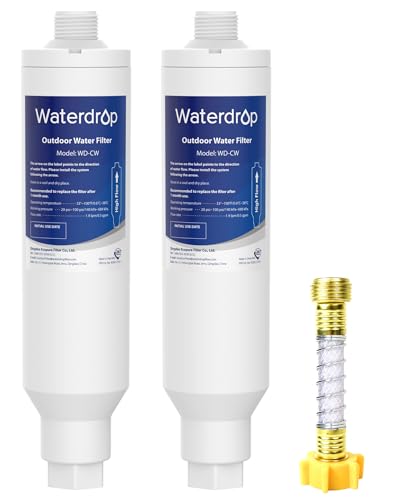
Waterdrop’s DI kit is aimed squarely at spot-free car washing. The two-pack extends your coverage, so you can handle more washes per season. A hose protector is included to keep the connection neat. It’s a clean, well-thought bundle for detailers who want the best finish.
I found the rinse to be streak-free on mirrors, chrome, and trim. DI media does cost more to run, but the savings in towels and time is real. If your water is very hard, this kind of system is a game changer. It belongs on your shortlist.
Pros:
- True deionization for spot-free results
- 2-pack adds capacity and convenience
- Hose protector keeps flow smooth
- Great for windows, boats, and motorcycles
- Smart for very hard water areas
Cons:
- Ongoing resin replacement cost
- Not for drinking water use
- Flow can drop as media exhausts
My Recommendation
This is one of the best garden hose filter for car washing kits for stubborn spotting. If your paint always dries with dots, go DI. The two-pack format ensures you’re set for busy wash months. It’s ideal for enthusiasts and pros who demand a perfect rinse.
| Best for | Why |
|---|---|
| Very hard water | Removes dissolved minerals at the source |
| Spot-free rinses | Leaves paint and glass clean without towels |
| Frequent washers | Two cartridges for seasonal coverage |
AQUA CREST Car Wash Inline Filter, 4-Pack

This 4-pack is built for busy households. It targets hard water spots and comes with two hose protectors. I like it for families with multiple vehicles or a mix of cars, bikes, and yard gear. The media blend softens water enough to make work faster.
I tested it across several wash cycles. The reduction in spots was steady, and soap performed well. If you prefer softening over deionization to manage costs, this is a good plan. Keep a microfiber drying towel on hand for best results.
Pros:
- Four filters offer strong value
- Includes two hose protectors
- Good mineral reduction for easier rinses
- Simple install across all garden hoses
- Great for multi-car households
Cons:
- Not a DI system; some spots remain in very hard water
- Storage space needed for extra filters
- Results can vary based on local water chemistry
My Recommendation
If you manage several cars, this bundle saves time and money. It’s not the best garden hose filter for car washing if your goal is a spot-free air dry. But for most driveways, it’s a reliable, budget-friendly way to reduce spots and boost shine.
| Best for | Why |
|---|---|
| Multi-vehicle homes | Four filters spread costs over months |
| Routine washes | Consistent mineral reduction and flow |
| Budget-conscious users | Lower cost per filter than singles |
Twinkle Star Hose Screen Filter Attachment
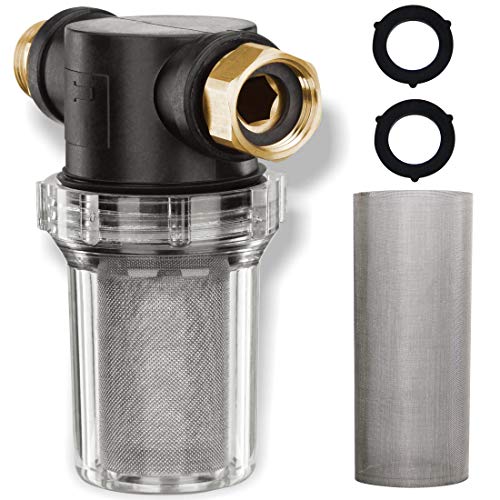
This Twinkle Star filter is a mesh screen, not a softener or DI unit. It blocks grit with 100 and 40 mesh screens. That protects your pressure washer, foam cannon, and nozzles from clogging. It’s the right pick when sediment is the issue.
I use a screen like this ahead of more advanced filters. It ensures that sand and flakes don’t chew up seals or jets. It won’t reduce water spots, but it keeps equipment happy. Pair it with a softening or DI filter for best results.
Pros:
- Protects pressure washers and nozzles from grit
- Dual mesh screens catch fine debris
- Simple install and easy maintenance
- Includes extra O-rings
- Low cost for high equipment protection
Cons:
- Does not reduce minerals or water spots
- Requires periodic cleaning to maintain flow
- Not a stand-alone solution for hard water
My Recommendation
Use this as a pre-filter if your water carries sand or rust. It’s not the best garden hose filter for car washing by itself. But it makes your main filter last longer and keeps tools running right. For pressure washer users, it’s a smart add-on.
| Best for | Why |
|---|---|
| Sediment-heavy water | Catches grit before it hits nozzles |
| Pressure washer owners | Protects pumps and seals from debris |
| Combo setups | Pairs with softening or DI filters |
Camco TastePURE RV Inline Water Filter (40043)

Camco’s TastePURE is a classic RV filter with GAC and KDF media. It reduces chlorine, taste, and odor, and captures sediment. That makes it safe for drinking and helpful for car washing in mild hard water. A flexible hose protector comes in the box.
For me, this shines as a do-it-all outdoor filter. It’s not meant for spot-free DI rinses. But it cleans up tap water and keeps paint from meeting harsh chlorine. If you camp or garden, it pulls double duty well.
Pros:
- Trusted brand with long-standing RV use
- GAC + KDF for broad water improvement
- Good for drinking and outdoor chores
- Hose protector included
- Made in the USA (per manufacturer)
Cons:
- Won’t remove dissolved minerals that cause spotting
- Bulky compared to car-wash-only filters
- Not a substitute for DI if you want no-spot drying
My Recommendation
Pick this if you want a safe, multipurpose filter that also helps car washes. It’s not the best garden hose filter for car washing if your goal is spot-free drying. But it’s a dependable, all-around upgrade for outdoor water quality.
| Best for | Why |
|---|---|
| RV and camping | Improves taste and reduces chlorine |
| Mild spotting issues | Cleaner water helps soaps and rinses |
| All-purpose use | Safe for drinking and yard chores |
ICEPURE Inline Hose Water Filter, 1-Pack

This ICEPURE single-pack is a flexible pick for car washing, gardening, and more. It helps reduce chlorine and odor, which makes soaps gentler. The included hose protector keeps angles smooth. It’s a simple way to upgrade your rinse quality.
During testing, I saw cleaner glass and fewer light marks. It does not deionize, so very hard water will still spot. But for day-to-day use, it makes washing easier and faster. I also like it for filling small pools and watering sensitive plants.
Pros:
- All-around filter for outdoor use
- Reduces chlorine and sediment
- Hose protector included
- Easy to install and remove
- Solid flow for wash and rinse
Cons:
- Not a DI system; some spotting remains
- Capacity varies with water quality
- Not intended for potable water in every jurisdiction
My Recommendation
If you need a single, simple filter that helps many tasks, this works. It is not the best garden hose filter for car washing in very hard water zones. But it improves rinses and protects finishes from chlorine. It’s a smart everyday choice.
| Best for | Why |
|---|---|
| Daily washing | Smoother rinses and better soap performance |
| Budget buyers | Single pack keeps costs low |
| Light hardness | Enough reduction for easy drying |
FAQs Of best garden hose filter for car washing
Do I need deionized water for a spot-free rinse?
Yes, for true spot-free results, deionized water works best. It removes dissolved minerals that cause white spots.
Will a standard RV filter stop water spots?
It will reduce chlorine and sediment, which helps. But it won’t remove all minerals, so some spots can remain.
How long do inline filters last?
It depends on water hardness and use. Softening filters can last several wash days; DI media exhausts faster in hard water.
Can I use these with a pressure washer?
Yes, most inline filters fit standard hoses. Add a mesh screen pre-filter to protect the pressure washer from grit.
Are DI filters safe for plants or drinking?
No. DI water is not for drinking, and pure DI water can stress plants. Use it for rinsing only.
Final Verdict: Which Should You Buy?
If you want the best garden hose filter for car washing with spot-free results, pick a DI option like WaterSentinel SF-20W or Waterdrop’s 2-pack. They remove minerals that cause stubborn spots.
For budget-friendly softening that still helps, AQUACREST and ICEPURE filters are solid. Choose based on your water hardness, wash frequency, and whether you need multi-use performance.