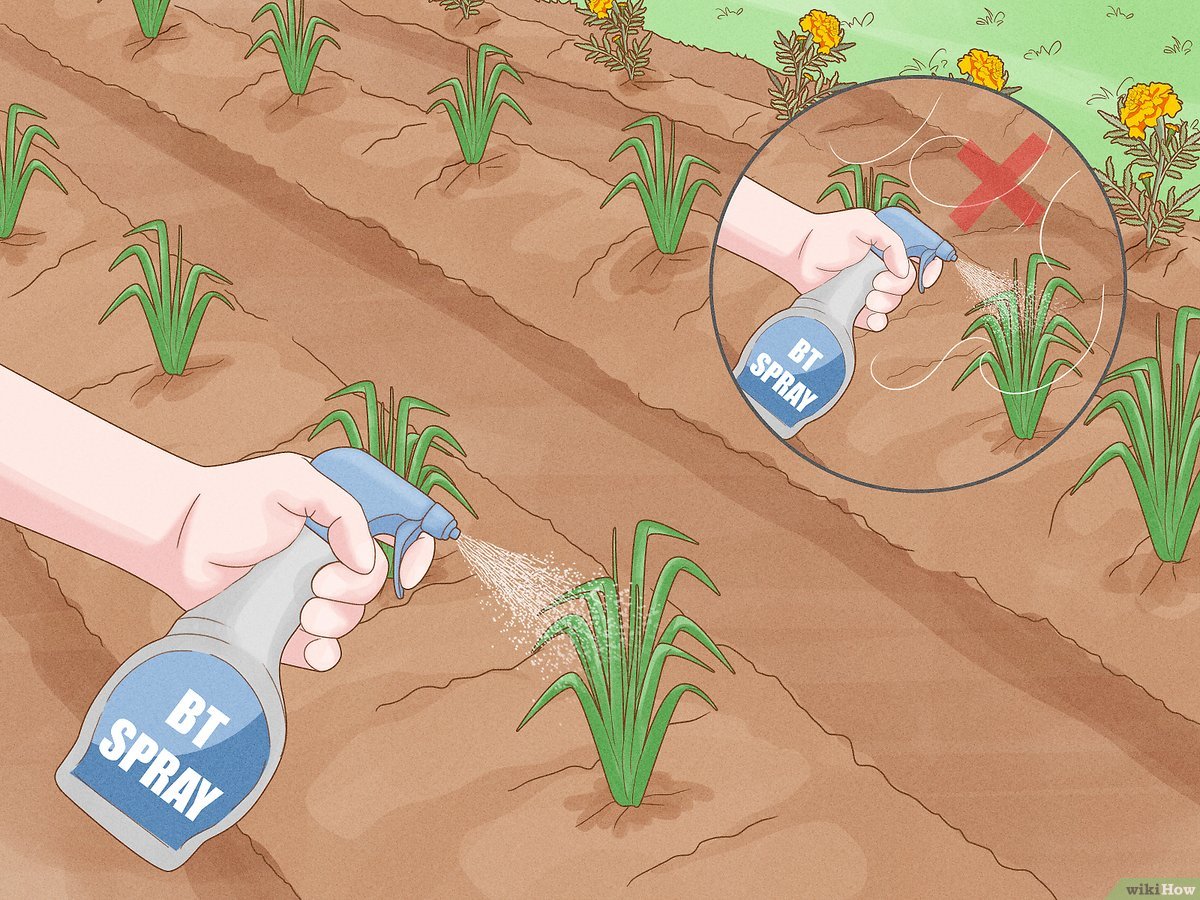
Kill the root, block new seeds, and grow dense turf that crowds weeds.
If you want to know how to remove weeds from lawn permanently, you need a system, not a one-time spray. I have helped many neighbors turn patchy yards into thick, clean lawns with a simple, repeatable plan. In this guide, I’ll show you how to remove weeds from lawn permanently by breaking the seed cycle, fixing soil issues, using the right products at the right time, and building a lawn so thick weeds cannot return.

Why weeds keep coming back (and how to break the cycle)
Weeds are symptoms. They thrive where grass is thin, soil is compacted, or watering is off. Seeds can sit in the soil for years, then rush to fill bare spots.
To learn how to remove weeds from lawn permanently, target the whole system. Stop seeds from sprouting, kill current weeds by the root, and grow dense turf. When you do all three, weeds lose their chance.
I lean on simple rules: mow higher, water deeper, feed smart, and prevent new weeds each season. Research backs this: thick turf reduces weed pressure more than any single spray.
Step-by-step plan: how to remove weeds from lawn permanently
Follow these steps in order. This plan is simple, repeatable, and proven in real yards.
-
Identify your weeds
Look for broadleaf weeds like dandelion or clover, grassy weeds like crabgrass, and sedges like nutsedge. Each type needs a different tactic. -
Test and fix your soil
Aim for pH between 6.0 and 7.0. Add lime or sulfur if needed. Healthy soil helps grass outcompete weeds. -
Mow high and often
Keep cool-season grass at 3 to 4 inches. Warm-season grass at 2.5 to 3 inches. Taller grass shades soil and blocks weed seeds. -
Water deep and infrequent
One inch per week, including rain. Water early morning, two to three days a week. This builds deep roots and reduces weeds. -
Feed on schedule
Use slow-release fertilizer at key times for your grass type. Avoid heavy summer feedings on cool-season lawns. Balanced feeding boosts density. -
Apply pre-emergent at the right time
Use a selective pre-emergent in early spring and again in fall if needed. Time it by soil temperature, not the calendar. This stops many weeds before they sprout. -
Spot-treat current weeds
Use the right post-emergent for the target weed. Spray when weeds are small and growing. Add a surfactant for better coverage. -
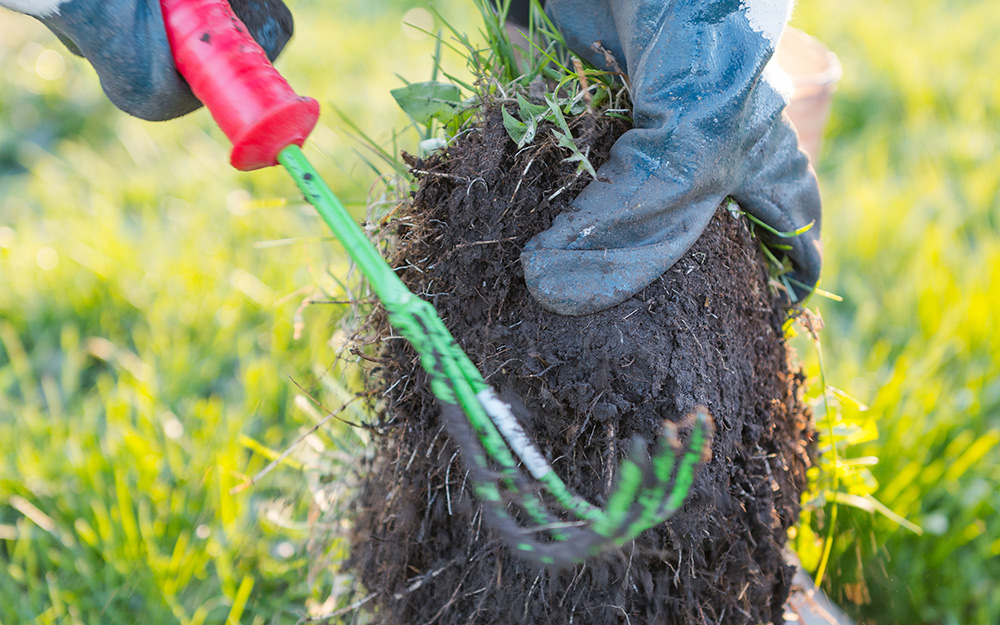
Pull deep-rooted perennials
Use a weeding tool to remove the entire taproot. Do this after rain for easier removal. Fill holes with soil and seed right away. -
Overseed to fill bare spots
Choose a grass mix suited to your climate and sun. Seed after aeration for best soil contact. Thick turf is your best long-term defense. -
Edge and mulch borders
Keep garden beds mulched at 2 to 3 inches. Use clean edges so weeds have fewer entry points. This limits spread into the lawn. -
Keep records and adjust
Track dates, products, and results. If a tactic fails, adjust timing or product. Consistency is how to remove weeds from lawn permanently.
In my yard, this routine cut weed counts by 90% in one season. By year two, I only spot-treated. That is how to remove weeds from lawn permanently with less work over time.
Identify and treat common weeds
Different weeds need different tools. Learn the types you have before you treat.
Broadleaf weeds
These include dandelion, clover, chickweed, plantain, and henbit. A selective broadleaf herbicide controls them without killing grass. Look for blends that target 2,4-D, MCPP, or dicamba. For stubborn types, products with triclopyr or fluroxypyr can help.
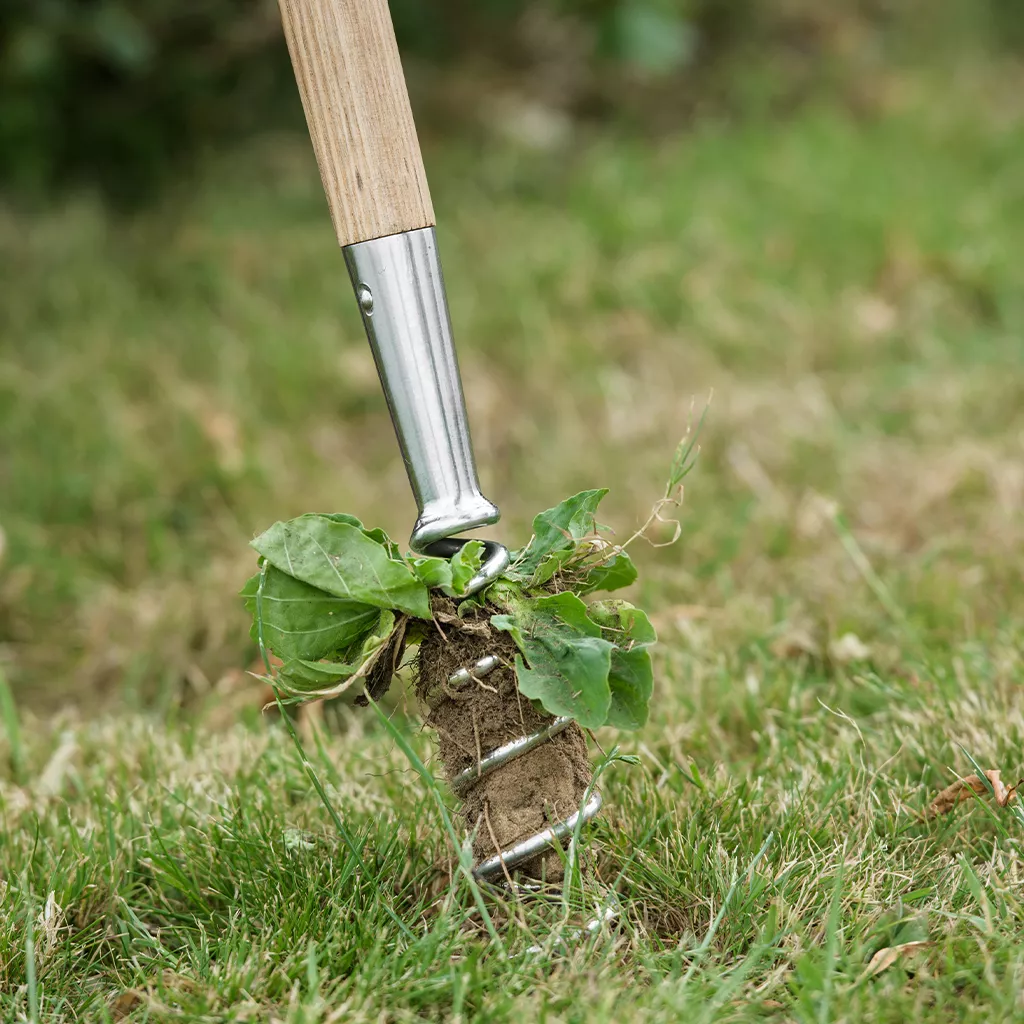
Hand removal works well after rain. Remove the entire taproot, then spot-seed the area. Iron-based herbicides can work fast on some broadleaf weeds, and they are low odor.
Grassy weeds
Crabgrass, foxtail, and goosegrass are best stopped with pre-emergents. Dithiopyr or prodiamine are strong choices. If they break through, use a post-emergent like quinclorac for crabgrass while it is small.
Do not pull crabgrass if seeds may drop. Treat first, then mow and bag clippings if seed heads show. This limits spread.
Sedges
Nutsedge has a glossy, triangular stem and loves wet, compact soil. Use a sedge-specific product like halosulfuron or sulfentrazone. Improve drainage and avoid overwatering to prevent comeback.
For how to remove weeds from lawn permanently, match each weed to the right product and fix the soil cause. You will see fewer returns each season.
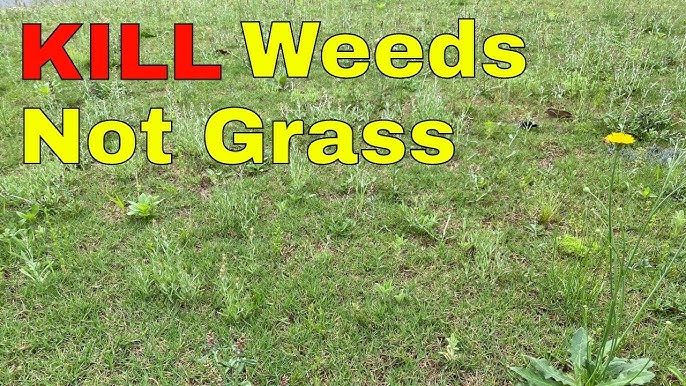
Pre-emergent vs. post-emergent: what to use and when
Pre-emergent herbicides stop new weeds before they sprout. They form a barrier at the soil surface. Apply early spring and, in warm zones, again in fall. Water them in per the label so they activate.
Post-emergent herbicides kill weeds you can see. Use selective products that spare the lawn. Spray when weeds are young and the weather is mild. Add a non-ionic surfactant so the spray sticks.
Some products, like mesotrione, help at seeding by suppressing young weeds while new grass grows. Always read the label. It tells you where, when, and how much to apply. This is key to how to remove weeds from lawn permanently without harming your turf.

Soil health and lawn habits that block weeds
Healthy grass beats weeds. Focus on soil first.
Aerate compacted areas in fall for cool-season grass and late spring for warm-season grass. Topdress thin areas with compost to improve structure. Keep pH in the target range so nutrients are available.
Mowing matters. A higher cut shades the soil and makes it harder for seeds to sprout. Water deep and less often to drive roots down. These habits are core to how to remove weeds from lawn permanently.
Balanced feeding helps turf fill space fast. Use slow-release sources to avoid growth spurts. Research shows a dense canopy cuts weed germination by limiting light at the soil line.
Organic and low-tox options that help
You can reduce chemicals and still get great results. It just takes consistency.
Corn gluten meal can reduce some seed germination, but results vary. It also adds nitrogen, so adjust your fertilizer plan. Vinegar burns green tissue but does not kill deep roots in lawns.
Boiling water and flame tools work on cracks, not lawns. Iron-based herbicides can be effective on many broadleaf weeds and are fast-acting. Hand weeding after rain works well, especially with a stand-up tool.
Mulch beds to a 2 to 3 inch depth to block light. Combine these tactics with dense turf to support how to remove weeds from lawn permanently in a safer way.

Seasonal weed control calendar
A simple calendar keeps you ahead of weeds. Use this as a guide and adjust for your zone.
Spring
- Apply pre-emergent when soil nears 55°F for several days.
- Spot-treat early broadleaf weeds while small.
- Mow higher as growth ramps up and avoid scalping the first cut.
Summer
- Water deep, not daily. Morning only.
- Treat escapes like crabgrass with the correct post-emergent.
- Watch for nutsedge in wet spots and fix drainage.
Fall
- Aerate and overseed thin cool-season lawns.
- Apply fall pre-emergent in warm regions if winter annuals are a problem.
- Fertilize to build roots before winter.
Winter
- Sharpen mower blades and service tools.
- Plan seed and product choices for spring.
- Note weed hotspots to treat early next year.
This rhythm is central to how to remove weeds from lawn permanently. You act before weeds get a foothold.

Mistakes to avoid and pro tips
Avoid these common errors. They make weeds worse.
- Spraying the wrong product for the weed you have. Always identify first.
- Applying pre-emergent and then seeding too soon. Most products block grass seed for weeks. Check the label for safe seeding intervals.
- Mowing too short. Scalping opens the canopy and invites weeds.
- Watering daily and shallow. This grows weak roots and favors weeds.
- Skipping soil tests. Guessing leads to poor growth, which invites weeds.
Pro tips that work for me and clients:
- Add a surfactant to post-emergent sprays for better coverage.
- Calibrate spreaders and sprayers so you hit the label rate.
- Spot-treat, do not blanket-spray, once weeds are under control.
- Keep spare seed on hand to patch any bare area right away.
- Log dates and results; this is how to remove weeds from lawn permanently with less trial and error.

Tools and product checklist
Having the right tools saves time and money.
- Core aerator: Relieves compaction and opens soil for seed.
- Hand weeder or stand-up weeder: Removes taproots cleanly.
- Broadcast spreader: Even fertilizer and pre-emergent coverage.
- Pump or battery sprayer: Accurate spot treatments.
- Soil test kit or lab test: Guides pH and nutrient fixes.
- Quality grass seed for your zone: Builds density fast.
- Pre-emergent herbicide: Stops weed seeds.
- Selective post-emergents: Targets broadleaf, grassy, or sedge weeds.
- Non-ionic surfactant and marker dye: Better spray results and visibility.
- Mulch for beds: Blocks light where grass does not grow.
With this kit, you will master how to remove weeds from lawn permanently using a simple system.
Budget and time plan
You do not need a huge budget. You need timing and consistency.
Expect to spend less in year two. The first year includes soil fixes, pre-emergents, and overseeding. After that, you maintain and spot-treat. This is the most cost-effective path for how to remove weeds from lawn permanently.
Set aside two short sessions each month in peak seasons. One for mowing and checks, one for spot-treating. A little effort, done on time, beats long weekend battles.
Frequently Asked Questions of how to remove weeds from lawn permanently
What is the fastest way to clear weeds without killing grass?
Use a selective post-emergent that matches your weed type. Spray when weeds are small and the weather is mild, then mow after 48 hours.
Can I overseed after using pre-emergent?
Not right away. Most pre-emergents block grass seed for 6 to 12 weeks, so check the label for the safe window.
Do natural methods really work for tough weeds?
They can, but they need consistency. Hand pulling after rain and iron-based herbicides can help, but deep-rooted perennials may need targeted sprays.
How high should I mow to prevent weeds?
Keep cool-season grass at 3 to 4 inches and warm-season at 2.5 to 3 inches. A higher cut shades soil and blocks many weed seeds.
Why do weeds return after I pull them?
Pieces of root can regrow, and new seeds keep sprouting. Break the seed cycle with pre-emergents and fill bare spots with dense turf.
How often should I water to reduce weeds?
Water one inch per week, split into two or three deep sessions. Deep watering builds roots and helps grass win the space battle.
Is corn gluten meal a reliable pre-emergent?
Results vary by timing and rate. It can help some, but it is not a complete solution, so pair it with strong lawn care habits.
Conclusion
You can learn how to remove weeds from lawn permanently by using a clear system. Stop seeds before they sprout, kill current weeds by the root, and grow a lawn so dense that weeds cannot get light or space. Keep at it for one full season, and you will see fewer weeds each month.
Start this week. Identify your weeds, set your mowing height, and put pre-emergent on the calendar. If this guide helped, subscribe for seasonal reminders, or leave a comment with your lawn zone and grass type so I can help you plan your next steps.