
Best Watering Wand For Garden: Top Picks For 2026
A watering wand is the closest thing to a rain cloud you can hold in your hand. It turns a raw hose blast into a slow, even shower that soaks into the root zone instead of bouncing off leaves. The result is healthier plants, less wasted water, and a watering routine that no longer leaves you bent over with a sore back.
The problem is that not every wand earns its place in the shed. Some dribble, some blast, and many develop leaks at the trigger or swivel after one busy season. The picks below are the models that deliver dependable performance for 2026. We evaluated each one for reach, control, build quality, comfort, and long-term value across flower beds, containers, hanging baskets, and raised planters. You can also read our guide on how to remove rust from garden tools.
Why Use a Watering Wand Instead of a Plain Nozzle?
A plain hose nozzle is designed for power. That is useful for washing a car, but it is wrong for most garden plants. A narrow, high-pressure jet can rip through soil, flatten tender seedlings, and splash water onto leaves where it evaporates quickly or invites fungal disease.
A watering wand solves this by adding length and softening the flow. Instead of bending over every plant, you stand upright and guide a gentle rain exactly where it belongs. Because the water moves slower, it has time to soak into the soil rather than running off into a path or lawn. That simple change reduces water waste, deepens root growth, and makes daily watering a noticeably quieter task. You can also read our guide on how to water lawn efficiently.
What Makes a Great Watering Wand?
Length and Reach
Wand length is not a matter of preference. It is about matching the tool to the layout of your garden.
- 14 to 18 inches: Best for balconies, patios, containers, and hanging baskets at eye level. These wands are light and easy to store, but you will still bend for ground-level beds.
- 24 inches: The versatile middle ground. It gives you solid reach for flower borders and shrubs while staying easy to maneuver in tight corners.
- 36 inches: The back-saver. You can stand fully upright while watering large borders, raised beds, and dense ground cover. A long wand also keeps you out of wet soil, which prevents compaction around roots.
Head Design: Fixed, Swivel, and Ratcheting
The head design determines how precisely you can aim the water.
- Fixed heads point straight down and are the simplest, most durable option for general overhead watering.
- Swivel heads rotate in one smooth plane, typically up to 180 degrees. This lets you reach under leaves, direct water to the base of plants, and handle hanging baskets at awkward angles.
- Ratcheting heads click into several locked positions. They offer similar flexibility to a swivel but feel more mechanical and can loosen over time.
Watering the soil rather than the foliage is one of the most important habits in gardening. Wet leaves, especially in the evening, are a gateway to powdery mildew, leaf spot, and other fungal problems. A pivoting head makes it much easier to avoid that mistake.
Flow Control: Trigger vs. Thumb Valve
This is the difference between a comfortable watering session and a hand-cramping chore.
- Trigger handles are familiar, but squeezing one for ten straight minutes causes real finger fatigue. The tension also makes fine adjustments harder.
- Thumb flow controls let you set the water volume and leave it there. They are more ergonomic and give you the precision to move easily between delicate seedlings and thirsty established plants.
In practice, a good thumb valve feels natural within minutes. You can go from a faint mist to a full shower without changing your grip or juggling the wand. You can also read our guide on how to store garden hose without kinks.
Materials and Seals
The body and seals determine whether the wand lasts one season or many. All-metal bodies, whether aluminum or stainless steel, handle drops and daily wear far better than plastic. Plastic may feel lighter at first, but the threads, trigger mechanisms, and connection points are usually the first things to break.
Quality rubber washers and O-rings at the hose connection prevent leaks. A rubberized, non-slip grip also makes a real difference when your hands are wet and the wand is under pressure. Before buying, check whether the wand uses standard replaceable washers; that small detail makes future maintenance much easier. You can also read our guide on how to improve lawn soil health.
How We Chose the 2026 Picks
Every wand on this list earned a place through hands-on evaluation, not just spec-sheet comparison. We looked for:
- Reach and comfort: Does it let you water without bending or stretching?
- Spray quality: Is the flow gentle, even, and free of heavy droplets that damage soil?
- Precision: Can you aim accurately, especially under leaves and into hanging baskets?
- Build quality: Are the joints, seals, and trigger or thumb control built to last?
- Value: Does the price match the performance and expected lifespan?
Our Top Picks for the Best Watering Wand for Garden Use
Best Overall: RESTMO 36-Inch Wand with 180° Swivel

The long reach keeps your spine straight while the swivel aims water under leaves.
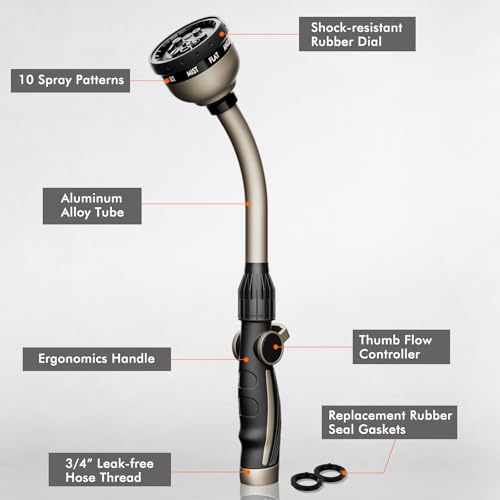
For most gardeners, this is the wand to beat. The 36-inch length is a genuine relief for your lower back, letting you water ground beds, raised planters, and hanging baskets from a comfortable upright position. The 180-degree swivel head is the defining feature. When you are watering bushy tomatoes, you can slip the nozzle under the lower leaves and direct water to the base without crouching or twisting your wrist.
The wand offers ten spray patterns, ranging from a fine mist for fragile seedlings to a forceful jet for cleaning pots and hosing down paths. The thumb flow control delivers smooth, precise adjustments, which significantly reduces hand fatigue compared with a traditional trigger. You can also read our guide on how to improve garden soil naturally.
Why it wins: The combination of long reach, ergonomic swivel head, and versatile spray patterns makes it a highly capable all-rounder. It feels like a durable, long-term investment rather than a disposable gadget.
Watch out for: Its length can feel cumbersome in small storage spaces. It is also one of the pricier options on this list, and the swivel head benefits from occasional cleaning to keep it moving freely.
Best for Delicate Plants: GREEN MOUNT 24-Inch Watering Wand
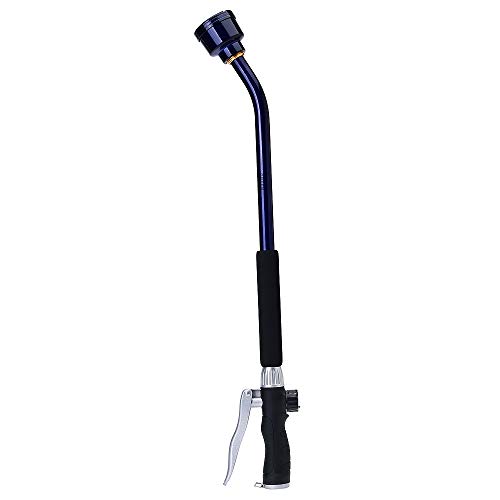
The shower head spreads water evenly enough for newly sown seeds.
If your garden is full of flowers, herbs, or freshly germinated seedlings, this wand is a specialist. The stainless steel shower head delivers a remarkably soft, even rain that mimics a gentle storm. This pattern is incredibly kind to delicate petals and prevents the soil disruption and seed washout that harsher sprays can cause.
The 24-inch length offers a practical middle ground, providing useful reach without being heavy or unwieldy. It is an excellent daily tool for watering borders and seed trays, and its simple design means there are very few points of failure.
Why it wins: The exceptionally gentle and even flow is its standout feature, making it the safest choice for your most fragile plants. Its lightweight, no-nonsense build is also a joy for anyone with grip or strength issues.
Watch out for: This is a single-purpose tool. There are no adjustable patterns and no swivel head, so it is not suited for tougher jobs like cleaning pots or reaching under broad foliage.
Best Compact Pick: RESTMO 15-Inch Metal Watering Wand

A full-size feature set in a package that fits on a small balcony.
For smaller spaces, this compact RESTMO wand is a brilliant choice. Its 15-inch length is perfect for patio pots, hanging baskets at eye level, and small contained beds. The all-metal body feels surprisingly sturdy and durable for its size, easily resisting drops and knocks.
Despite its small footprint, it packs in ten spray patterns and a smooth thumb flow control, putting it on par with far larger models in terms of versatility. The balance is good, and the valve resistance is light enough to minimize wrist strain over a full session.
Why it wins: It offers the full functionality of a larger wand in a compact, easy-to-store footprint. If you garden on a balcony or have a small courtyard, this is the most practical metal option.
Watch out for: The short length means you will still need to bend down to water ground-level beds. The metal body is also slightly heavier than plastic alternatives of the same size.
Best Value: Sanpaint 18-Inch Soft Rain Watering Wand

A simple, soft rain pattern makes this an easy wand for new gardeners.
The Sanpaint wand proves you do not need to spend a fortune to get a high-quality tool. It delivers a soft-rain head spray that is ideal for seedlings, seedbeds, and young plants. The spray pattern is consistent and kind, perfectly suited for nurturing new growth.
Its 18-inch length is a sweet spot for planters, window boxes, and smaller garden beds. The simple on/off valve is dependable, and the metal body is durable enough to withstand regular use. If you are looking for a straightforward, no-fuss tool that protects your plants, this is an outstanding option.
Why it wins: Exceptional value for money. It performs its core job—delivering a gentle, consistent spray—brilliantly, with almost nothing to go wrong.
Watch out for: There is no pattern dial, so you are limited to the single soft spray. The shorter reach makes it less suitable for tall plants or the back of large, deep beds.
Best for Ergonomics: RESTMO 24-Inch Gentle Shower Watering Wand

Thumb control lets you adjust flow without releasing your grip.
This RESTMO wand excels in focused simplicity. It is designed around one job: providing a full, gentle shower that covers a wide area evenly. The 24-inch length gives you comfortable reach, and the thumb control allows for incredibly fine adjustments, from a fine mist to a full shower.
The metal build is high quality with dependable seals, ensuring it remains leak-free over time. For gardeners who prioritize a kind, steady rain for flowers, herbs, and vegetable plots, this is a top-tier, reliable choice.
Why it wins: Its single, well-executed spray pattern is ideal for watering large areas of delicate plants efficiently. The ergonomic thumb valve is a huge plus, offering precision and comfort for daily watering.
Watch out for: You will miss out on the versatility of a multi-pattern head. It is not suited for jet-spraying tough grime off hard surfaces or paths.
Best for Versatility: Orbit 14-Inch 10-Pattern Ratcheting Wand

Ratcheting angles help you reach hanging baskets and under-leaf targets.
A classic and dependable choice, the Orbit wand stands out with its ratcheting head. You can click the head into a range of angles, which is fantastic for aiming water under leaves and into hanging baskets without contorting your body. With ten patterns, it is a versatile tool for a variety of tasks.
The 14-inch size makes it incredibly nimble for spot watering and working in tight conditions. The familiar front trigger is easy to use for anyone accustomed to standard hose nozzles.
Why it wins: The ratcheting head provides unique control and reach for its compact size. The wide range of spray patterns also makes it a flexible choice for a balcony or small yard.
Watch out for: The trigger can cause hand fatigue during prolonged use. The plastic components are not as durable as the all-metal options and may wear faster over time.
Watering Wand Comparison Table
| Wand Model | Length | Head Type | Best For | Key Weakness |
|---|---|---|---|---|
| RESTMO 36-Inch | 36" | 180° Swivel | All-round use, back relief | Storage space, higher price |
| GREEN MOUNT | 24" | Fixed, Soft Rain | Seedlings, flowers | No pattern options |
| RESTMO 15-Inch | 15" | Fixed, 10 Patterns | Patios, tight spaces | Short reach |
| Sanpaint | 18" | Fixed, Soft Rain | Seedlings, first-time buyers | No pattern dial |
| RESTMO 24-Inch | 24" | Fixed, Shower | Long sessions, comfort | No swivel or jet spray |
| Orbit | 14" | Ratcheting, 10 Patterns | Balconies, under-leaf watering | Trigger fatigue, plastic parts |
How to Water Effectively with a Wand
Even the best watering wand for garden use will not help if you water the wrong way. The following habits protect your plants, save water, and build deeper root systems.
Water the Soil, Not the Leaves
Direct the flow at the base of the plant. This minimizes water loss through evaporation and reduces the risk of fungal diseases that thrive on wet foliage. A swivel or ratcheting head makes this far easier, which is why it is worth choosing one for dense plantings.
Water Deeply and Less Often
Instead of a shallow daily splash, give your garden a thorough, deep soak two or three times a week. This encourages roots to grow deeper into the soil, making plants more drought-tolerant. A watering wand is perfect for delivering this slow, steady flow without creating runoff. This is the same deep-watering advice found in resources like the University of Minnesota Extension, which emphasizes watering based on soil conditions rather than a fixed schedule.
Time Your Watering for Early Morning
Water early in the morning when temperatures are cooler. This allows water to soak into the roots before the heat of the day causes evaporation, and it gives any moisture on leaves time to dry before nightfall. Watering in the evening leaves foliage wet overnight, which invites disease and fungal growth.
Match the Pattern to the Plant
Use a mist or soft shower pattern for freshly sown seeds and young seedlings. Switch to a more direct, gentle shower for established plants. Reserve jet patterns for cleaning tools or hosing off paths, not for your plants. A jet stream can strip soil, damage tender growth, and waste water through overspray.
Check Soil Moisture First
Before you pick up the wand, push a finger two or three inches into the soil. If it feels cool and moist, skip that bed and move on. Overwatering is just as harmful as underwatering, and it leaches nutrients from the root zone. Adding a shredded-leaf mulch over the surface helps the soil hold moisture longer, so your plants need less water in the first place.
Pair Your Watering Wand with the Right Garden Setup
A wand is only part of the watering system. The hose, bed edges, and soil condition all affect how well that water reaches your plants.
Start with a hose that can supply enough flow. A wand can only deliver what the hose provides, and choosing the correct hose diameter matters more than most gardeners realize. An undersized hose makes even the best wand feel weak and frustrating.
Water also stays where you aim it when beds have clean, defined bed edges instead of creeping turf and compacted border soil. If water runs straight off the bed and onto the lawn, you are soaking the grass while your plants stay thirsty.
Finally, look at the soil itself. Loose, well-structured soil absorbs water quickly, while hard, compacted soil sends it running away. Spending time preparing raised beds properly before planting makes every watering session more effective.
Caring for Your Watering Wand So It Lasts
A little maintenance goes a long way. Rinse the wand out after each use, especially if you have been applying liquid fertilizer or watering from a muddy tank. Sediment builds up inside the head and can reduce flow.
Every few weeks, soak a clogged shower head in warm water with a little white vinegar to dissolve mineral deposits. If your water supply contains heavy minerals, those deposits can clog the head much faster. Gardeners dealing with iron-heavy well water should consider filtering the supply before it reaches the wand.
Check the rubber washers at the hose connection and any O-rings on swivel or ratchet joints. Replace them as soon as they look flattened or cracked. Before winter, drain the wand completely and store it indoors. Freezing water expands and can crack metal joints and plastic trigger housings.
Frequently Asked Questions
What length watering wand is best for a raised bed garden?
A 24 to 36-inch wand is ideal. A 36-inch wand is particularly effective for tall beds or any garden where you want to avoid bending entirely. A 24-inch wand offers a better balance of reach and control for raised beds around waist height.
Is a steel or plastic watering wand better?
Steel wands are significantly more durable and less likely to crack or break over time. They feel sturdier in hand and are a better long-term investment. Plastic wands are lighter and cheaper, but they wear out faster, especially at the connection points and trigger mechanisms.
How do I fix a leaking watering wand?
The most common cause is a worn-out rubber washer at the hose connection. Replace the washer, wrap the connection with plumber's tape, and tighten it by hand. Also check the O-rings on any swivel or pivot joints. Regular maintenance like this prolongs the life of all your garden equipment.
Can I use a watering wand for applying liquid fertilizer?
Yes. Some wands have a built-in reservoir for this purpose. For other wands, use a hose-end sprayer that connects between the hose and the wand, or apply the fertilizer with a watering can and use the wand for plain water afterward.
How does a watering wand help save water compared with a regular hose nozzle?
A watering wand delivers water slowly and directly to the root zone of a plant. This minimizes water loss from overspray, evaporation, and runoff, which are common with a high-pressure jet from a standard nozzle. Controlling the flow also prevents overwatering.
Final Verdict: Your Best Choice for 2026
Choosing the best watering wand for garden care in 2026 comes down to matching the tool to your specific space and the plants you love.
- For most gardeners, the RESTMO 36-inch swivel-head wand is the clear winner. It offers the best blend of ergonomic reach, precise control, and versatile spray patterns to handle virtually any task.
- For delicate flowers and seedlings, prioritize the soft, even rain of the GREEN MOUNT. It is a specialist that does its job flawlessly.
- For small patios or tight budgets, the compact RESTMO 15-inch and the excellent-value Sanpaint are dependable picks that prove great things come in small packages.
Whichever you choose, the right wand will make watering a more pleasant, efficient, and back-friendly part of your gardening routine. Match a wand to your garden's needs, pair it with a hose that delivers enough flow, and give your plants a slow, deep drink tomorrow morning.


