Build organic matter, protect soil life, and feed microbes with steady compost.
If you want rich beds, strong roots, and easy harvests, you need great soil. In this guide, I’ll show you how to improve garden soil naturally using steps I’ve tested in clay, sand, and everything between. You’ll learn practical methods that fit any yard, any budget, and any season. Stick with me, and your soil will turn from tired to thriving.

Understand your soil first
You cannot fix what you do not know. Start with a simple soil test. A lab test gives you pH, organic matter, and nutrients. That baseline steers every move you make.
You can also read your soil with quick at-home checks. Try a squeeze test for texture. Do a jar test to see sand, silt, and clay layers. Time how fast water drains in a small hole.
Watch your plants. Stunted growth, yellow leaves, or crusted soil all point to stress. If you want to know how to improve garden soil naturally, begin by observing what the soil tells you.
- Quick checks to try:
- Squeeze test. Moisten soil, squeeze, and see if it crumbles or stays sticky.
- Jar test. Shake soil with water and a drop of soap, let it settle in layers.
- Infiltration test. Pour one inch of water into a ring and time how fast it sinks.
- pH strips. Fast and cheap for a rough read.
Feed the soil with compost and organic matter
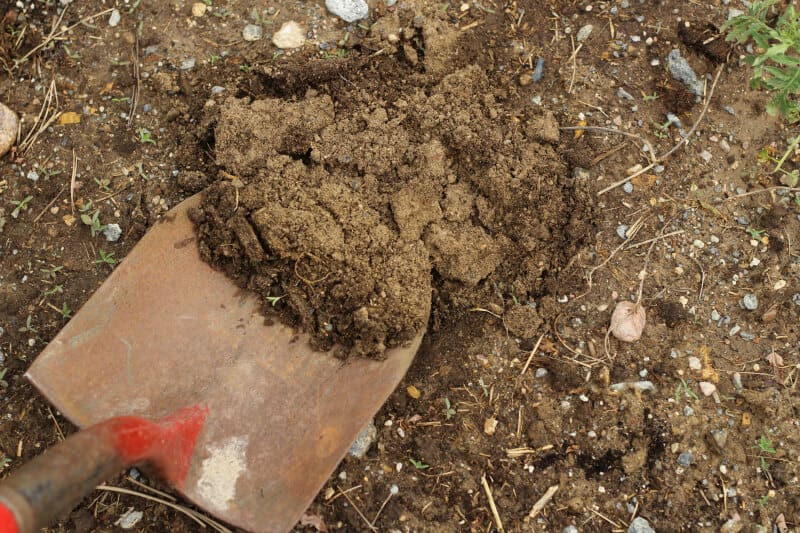
Compost is the gold standard. It adds life, holds water, and buffers nutrients. Spread 1 to 2 inches on top of beds once or twice a year. Let worms and roots pull it down.
Use what you have. Leaf mold, well-rotted manure, and fine wood chips as surface mulch all help. I turned dead clay into soft, dark soil in two seasons with steady compost and leaves. That change is the heart of how to improve garden soil naturally.
Tip from the trenches: avoid fresh manure on food beds. It can burn plants and add weed seeds. Use well-aged manure or composted manure instead.
Mulch to protect and build
Bare soil is like skin in a windstorm. It dries, crusts, and erodes. A 2 to 4 inch mulch layer shields the surface and feeds the soil over time.
Pick the right mulch for your crops. Straw, leaves, shredded wood, and pine needles are easy and safe. Grass clippings work if applied thin and dry. Keep mulch a few inches away from stems.
Mulch lowers weeds, keeps water in, and slows soil swings. If you are asking how to improve garden soil naturally, mulching is a fast win.
:max_bytes(150000):strip_icc()/plants-that-improve-soil-marigolds-GettyImages-1156537866-dcb53815bfe144bc8abfe16c6258c0e8.jpg)
Plant cover crops and green manures
Cover crops are living mulch. They armor the soil, feed microbes, and add roots that build structure. I plant crimson clover after summer harvests, then cut and drop it in spring.
Mix types for more gains. Legumes like clover or vetch add nitrogen. Grasses like rye or oats give biomass and deep roots. Buckwheat is great for quick summer gaps.
How to use them:
- Seed after a bed is clear or between rows.
- Water once to help germination.
- Chop and drop before they set seed.
- Plant right into the residue.
They are a key part of how to improve garden soil naturally because they work while you rest.
Supercharge soil life: microbes, fungi, and worms
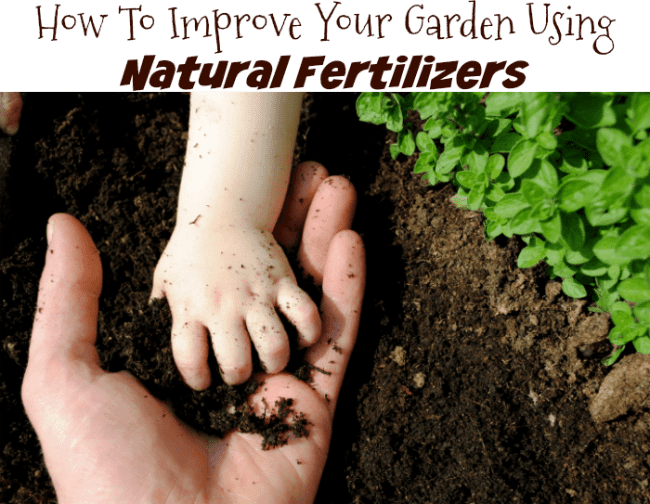
Healthy soil is a busy city. Bacteria, fungi, and worms cycle nutrients and build structure. Your job is to house and feed them.
Add small amounts of vermicompost or finished compost near plant roots. Dust transplant roots with mycorrhizal inoculant if your soil is poor or new. These steps help roots explore more soil and find water faster.
Protect this life with gentle care. Minimize tilling, avoid harsh chemicals, and keep the soil covered. When people ask how to improve garden soil naturally, I point them to soil life first.
Balance pH and minerals gently
pH sets the table for nutrients. Most garden crops like a pH near 6.0 to 7.0. Use lime to raise pH, sulfur to lower it, but only after a test.
For gentle mineral support, use small doses of rock dust, gypsum on heavy clay, or seaweed meal for traces. Go slow and re-test in a year. Over-liming is a common error.
A careful mineral plan is part of how to improve garden soil naturally. Small, steady tweaks are safer than big swings.
Water, air, and structure: work with nature
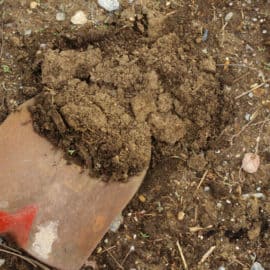
Roots need water and air. Compacted soil starves both. Use raised beds, permanent paths, or a broadfork to loosen without inverting layers. Avoid walking on beds.
Water deep, not often. Drip lines and mulch reduce waste and salt buildup. If you add biochar, pre-soak it in compost tea or worm castings so it does not rob nutrients at first.
Good structure answers the question of how to improve garden soil naturally better than any quick fix. Structure helps the soil help itself.

Plant diversity, rotation, and roots
Different plants feed different microbes. Rotate plant families each season to reduce pests and balance nutrients. Follow heavy feeders like tomatoes with legumes or leafy greens.
Use deep-rooted crops like daikon, sunflowers, or rye to open tight soil. Keep living roots in the ground as long as you can. Interplant herbs and flowers to attract helpful insects.
This living diversity is how to improve garden soil naturally without constant inputs. The garden becomes a system, not a chore.
Common mistakes to avoid
A few habits can undo months of good work. Skip them and save time.
- Over-tilling. It fluffs soil short-term but breaks structure and fungal threads.
- Fresh wood chips mixed into soil. They tie up nitrogen. Keep chips as surface mulch only.
- Overuse of salts. Too much synthetic fertilizer or fresh manure can burn roots and harm microbes.
- Plastic landscape fabric in beds. It stops air and life. Use organic mulches instead.
- Ignoring tests. Guessing leads to waste. Test, adjust, and track.
Avoiding these traps is a big piece of how to improve garden soil naturally. Simple, steady habits beat big one-time fixes.
A simple seasonal plan you can follow
A clear plan makes change stick. Here is a cycle I use and teach.
Spring
- Top-dress 1 inch of compost.
- Plant, then mulch once seedlings are established.
- Spot-water deeply and check drainage.
Summer
- Mulch again where it thins.
- Feed with diluted compost extract or fish emulsion if plants flag.
- Interplant quick cover like buckwheat in open spaces.
Fall
- Clear spent plants.
- Add leaves and 1 inch compost.
- Seed a cool-season cover crop.
Winter
- Keep beds covered with mulch or covers.
- Note what worked and what did not.
- Order seeds for rotation next year.
Repeat this flow, and you will see how to improve garden soil naturally with less effort each year.
Frequently Asked Questions of how to improve garden soil naturally
How long does it take to see results?
You can see better moisture and fewer weeds in one season. Deeper changes in structure and fertility take one to three years.
Can I improve sandy soil naturally?
Yes. Add lots of compost and use mulch to hold water. Grow cover crops with dense roots, like rye, to build organic matter.
Is tilling ever helpful?
Light tilling can help when breaking new, compacted ground. After that, switch to no-till methods to protect structure and soil life.
Are coffee grounds good for soil?
Used grounds add a little nitrogen and organic matter. Mix them into compost or use thinly under mulch, not in thick layers.
How much compost should I add each year?
Most beds do well with 1 to 2 inches once or twice a year. Sandy soils may need more often, while rich soils may need less.
Do I need mycorrhizal inoculant?
It helps with new beds, sterile soils, or in pots. In rich, undisturbed soil, native fungi often do the job.
Will wood chips rob nitrogen?
Only if mixed into the soil. Keep chips on top as mulch, and your nitrogen stays available to plants.
Conclusion
Great soil is built, not bought. Test, add compost, keep it covered, grow covers, and protect the life below your feet. With small steps each season, your soil will hold water better, resist pests, and feed your plants with ease.
Start today with one task: add a thin layer of compost and cover it with mulch. Then share your progress, ask questions, or subscribe for more hands-on guides. Your future harvests will thank you.