How Long Does A Chainsaw Chain Last: Pro Tips & 2026 Guide
A chainsaw chain is not a lifetime part. It is a wear item, exactly like the tires on a car or the blade on a mower. So how long does a chainsaw chain last in real-world use? For a homeowner cutting clean firewood with proper tension, oil, and sharpening habits, a good chain typically delivers 10–20 sharpenings, which translates to 2–5 years of light seasonal work. Change the conditions — sandy soil, frozen wood, or a dull chain run too long — and that lifespan collapses to a single bad afternoon.
This guide covers realistic lifespan benchmarks, the factors that shorten chain life, the warning signs of a chain that is done, and the sharpening routine that keeps your saw cutting safely through 2026 and beyond. You can also read our guide on how do you use a chainsaw.
What Actually Wears Out First
Before you can judge how long a chain will last, you need to know what is wearing. A chainsaw chain has several parts, but only a few of them determine whether the chain still cuts.
| Chain Component | What It Does | First Sign of Wear |
|---|---|---|
| Cutter / top plate | Slices wood fibers | Rounded cutting corner, fine dust instead of chips |
| Depth gauge | Controls how deep each cutter bites | Chain grabs aggressively or cuts too slowly |
| Drive links | Ride in the bar groove and transfer power | Burrs, hooked edges, or visible stretching |
| Tie straps and rivets | Hold the chain together | Cracks, loose links, or a chain that separates |
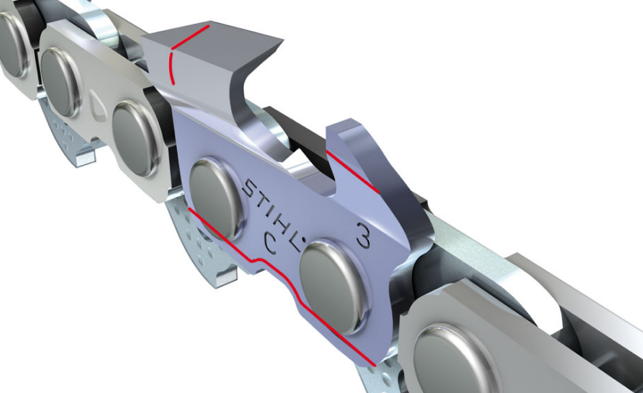
The most important part is the cutter. When you sharpen, you file metal away from the cutter's top plate. Every chain has a small raised witness mark near the base of each cutter. When the top plate is worn down level with that mark, there is no longer enough steel left to hold a sharp edge. At that point, no amount of filing will fix it. You can also read our guide on how long do electric lawn mower batteries last.

The top plate does the cutting; compare it to the witness mark before deciding whether to sharpen or replace.
How Long Does a Chainsaw Chain Last? Realistic Benchmarks
There is no universal number because chain life depends on wood type, technique, and maintenance. Still, most users see results in these ranges:
| User Type | Sharpening Life | Realistic Timeframe |
|---|---|---|
| Casual homeowner | 10–20 sharpenings | 2–5 years of light use |
| Firewood hobbyist | 8–15 sharpenings per season | Replace roughly once per year |
| Professional tree worker | 3–8 sharpenings | 1–3 weeks of daily work |
| Chainsaw milling | 3–5 sharpenings | Days, depending on hardwood |
| Storm cleanup in dirt | 1–3 sharpenings | Chain may be scrap after one gritty job |
If you cut clean softwood and touch up the cutters often, you will land at the high end. If you cut dry oak, frozen logs, or anything resting on soil, expect the low end.
Chain Anatomy: Why Design Matters
The design of the chain itself plays a huge role in how long it lasts.
Semi-Chisel Chains
Semi-chisel chains have rounded cutter corners. They are slower in clean wood but much more tolerant of dirty, frozen, or sandy conditions. They also stay sharp longer for inexperienced operators who occasionally touch the ground. For most homeowners, this is the best all-round choice. You can also read our guide on battery vs gas chainsaw.
Full-Chisel Chains
Full-chisel chains have square cornered cutters. They slice through clean, softwood faster, but the exposed corners dull quickly when they hit grit. They are the right choice for professionals who cut clean timber and sharpen often, but a poor match for ground-level cutting.
Carbide-Tipped Chains
Carbide-tipped chains can last several times longer in abrasive conditions like storm cleanup near soil or roofing debris. They are more expensive, harder to sharpen, and require diamond-coated filing equipment. For occasional clean firewood cutting, carbide is usually overkill.
Low-Kickback Chains
Low-kickback chains use a depth gauge design that reduces the severity of kickback. They are a good safety choice on homeowner saws, though they cut slightly slower. Replacing a standard chain with a low-kickback chain is one of the simplest safety upgrades you can make.
What Shortens Chain Life the Most
Understanding what destroys a chain is more useful than memorizing lifespan averages.
Dirt and Sand Are the Biggest Killers
Tiny particles of silica act like sandpaper on the cutting edge. Hitting soil for even a few seconds can dull a fresh chain faster than hours of clean cutting. Nails, staples, and fencing wire can break cutters instantly.
A common mistake is cutting a log that is lying directly on the ground. Instead, lift the wood onto a support, or rotate it as you cut so the bar tip never touches soil.
Wood Species and Moisture Content
Softwood like pine, spruce, and cedar is gentle on cutters. Dry hardwood like oak, hickory, and maple wears edges quicker. Frozen wood is one of the harshest materials because ice crystals embedded in the fibers act like abrasives.
Cutting Technique
Forcing the saw into the cut is a mistake. The chain should pull itself through the wood with light downward pressure. When you push hard, the engine lugs, the chain speed drops, and heat builds up in the cutters. That heat ruins the temper of the steel.
Poor Lubrication
Bar oil does three jobs: it reduces friction, cools the cutters, and flushes sawdust out of the bar groove. An empty oil tank or incorrectly set oiler will shorten chain life dramatically. Always check oil flow before you begin cutting.
Incorrect Tension
A chain that is too loose whips around and wears unevenly. A chain that is too tight runs hot and puts stress on the drive links and sprocket. Check tension every time you refuel, because new chains stretch noticeably during the first few uses.
Wrong Saw or Bar Match
A chain must match the saw's power, bar length, pitch, and gauge. An under-powered saw encourages you to force the cut. An over-powered saw on a small chain can tear cutters. Before buying a replacement, check your saw's manual for the correct pitch and gauge.
If you use both full-size and compact saws, remember that small saws have completely different chain specs. Reading the bar stamp matters more than eyeballing the length; compact electric saws often use a narrower gauge and smaller pitch.
Clear Signs Your Chain Is Worn Out
A dull chain is annoying, but a worn-out chain is unsafe. Know these warning signs.
Fine Sawdust Instead of Chips
A sharp chain throws coarse, chunky chips. When you start seeing fine dust, the cutters are not biting properly. Sharpen immediately, and do not keep pushing the saw.
You Have to Lean Into the Saw
If the saw is not pulling itself through the cut, the chain is dull. Forcing it only creates heat and rounds the cutting edges further.
The Cut Pulls to One Side
If both sides have uneven cutter lengths, the saw drifts or cuts a curved line. This can be fixed with careful filing, but if the chain has no metal left to work with, it is time to replace it.
Blue Discoloration or Smoke
Blue staining on the cutters is a sign of heat damage. Once steel turns blue, its temper is gone. The edge will not hold an edge no matter how well you file it.
A chain with heat damage or broken drive links should be retired immediately.
Cutters Reach the Witness Marks
When the top plate is filed down to the witness marks, there is not enough steel left to support a sharp edge. Sharpening it further is a waste of time.
Structural Damage
Cracks in the cutters, broken rivets, missing teeth, or bent drive links mean the chain is unsafe. Do not run a structurally damaged chain, even for one more cut.
Tension Cannot Be Maintained
If the chain keeps stretching past the adjustment limit even with a straight bar and healthy sprocket, it has reached the end of its service life.
Pro Habits That Double Chain Life
These are the habits that separate a chain that lasts a few weekends from one that lasts years.
Keep the Bar Out of the Ground
This single habit does more for chain life than anything else. Set logs on sawhorses or another log. Stop the cut before the bar tip touches dirt. If a chain does hit soil, inspect it immediately and sharpen before continuing.
Verify Oil Flow Every Session
Run the saw at full throttle over a clean stump or piece of paper. You should see a light spray of oil throwing off the bar tip. If not, clean the oil ports and adjust the oiler before you make the next cut.
Set Tension by Hand Feel, Not Guesswork
Pull the chain along the underside of the bar. It should sit snug against the rails and snap back when released. A correctly tensioned chain should not sag below the bar. Check this every time you refuel.
Touch Up After Every Tank of Fuel
Do not wait for the chain to feel dull. Give each cutter two to four light strokes with a round file after each tank of fuel. A two-minute touch-up keeps the edge working at peak efficiency and reduces the amount of metal you remove later.
Check Depth Gauges Every Third Filing
As you file the top plate, the depth gauges become taller relative to the cutters. This makes the chain bite aggressively and vibrate. Set depth gauge height with a dedicated gauge tool, usually around 0.025 inches below the cutter top.
Flip the Bar Every Time You Change the Chain
Rotating the bar evens out wear on the rails and groove. While the bar is off, clean the groove with a flat screwdriver or bar groove cleaner and clear the oil holes.
Use the Right Size File
A 3/16-inch file matches most 3/8-inch pitch chains. A 5/32-inch file fits 0.325-inch pitch chains. Check the chain manufacturer's recommendation before buying files. A file guide keeps the angle consistent and prevents uneven filing.
Let the Saw Do the Work
Keep the engine revving, maintain light pressure, and avoid twisting the bar in the cut to clear chips. Side-loading the cutters stresses the tie straps and causes premature breakage.
The Sharpening Schedule That Works
Short, frequent touch-ups beat marathon sharpening sessions every time.
A Simple Routine
| When | Action |
|---|---|
| After every tank of fuel | 2–4 file strokes per cutter with a guide |
| Every third sharpening | Check and set depth gauge height |
| After hitting soil, rock, or metal | Swap to a spare chain and inspect the damaged chain at the bench |
| When sawdust appears | Sharpen immediately, even if it is mid-tank |
File Angles That Matter
Set the top plate angle between 25 and 35 degrees, matching the chain manufacturer's specification. Keep all cutters the same length. Uneven cutters cause the saw to pull sideways and create unsafe handling.
When a chain has been sharpened properly several times, the cutters will eventually reach the witness marks. That is the natural retirement point. Do not try to file past it.
When to Replace a Chain Instead of Sharpening It
Sharpening saves money, but only while the chain has usable metal left. Replace the chain if you see any of these:
- Cutters at or past the witness marks
- Any cracked or broken cutter
- Missing teeth or broken rivets
- Drive links that are thin, hooked, or burred after dressing
- A chain that cannot hold tension on a straight bar with a healthy sprocket
Also plan to replace the sprocket every two or three chains. A worn sprocket wears out new chains quickly. If you are fitting a new chain to a bar with a damaged rail, you are wasting money. The bar must be square and clean before the new chain goes on.
2026 Guide to Choosing a Replacement Chain
Chain life starts at the purchase decision. Matching the right chain to your conditions saves money and frustration.
- Read the numbers on the bar. Look for pitch, gauge, and drive-link count. A 16-inch bar can use different chain sizes depending on the saw brand.
- Choose semi-chisel for dirty conditions. If you cut firewood, storm wood, or anything near soil, semi-chisel is the best balance of life and speed.
- Choose full-chisel for clean softwood. Professional cutters who maintain sharp edges daily benefit from the speed.
- Choose carbide only for abrasive work. Sand, mud, and roofing grit justify the higher cost. For clean home firewood, standard steel is better value.
- Keep one spare chain. A sharp spare chain is the fastest fix after hitting dirt or nails. It is worth the extra $20 to stay productive.
Fuel and Storage Habits That Affect Your Saw
A chainsaw that runs poorly is harder to control, and that puts extra stress on the chain. Two maintenance points matter more than most owners realize.
First, use fresh fuel. Ethanol blends absorb moisture and leave gummy deposits in the carburetor over time. If your fuel supplier offers pure gasoline, choose it for your chainsaw.
Second, at the end of the cutting season, do not leave fuel sitting in the tank for months. Add a storage stabilizer to the tank and run the saw for a few minutes so treated fuel reaches the carburetor, or drain the saw completely. A saw that starts easily on the first pull lets you focus on cutting technique instead of fighting a flooded engine.
The same logic applies to maintenance you already do on other equipment. If you choose the correct oil for a mower carefully, treat chainsaw bar oil with the same respect. Use a purpose-made chain oil rather than used motor oil or cheap substitutes.
Safety First: Dull Chains Are Dangerous
A sharp chain is safer than a dull one. A dull chain increases kickback, forces you to push harder, and produces unpredictable cuts. Running a chain past its useful life also risks sudden breakage at high speed.
At minimum, follow chainsaw safety guidance from OSHA before starting any cutting job. Wear protective chaps, eye protection, gloves, and hearing protection. Clear the work area of sawdust and debris so you can see exactly where the bar tip is at all times. After a session, a quick pass with a leaf blower helps keep the ground visible and reduces tripping hazards.
Frequently Asked Questions
How long does a chainsaw chain last for a typical homeowner?
Most homeowners get 10–20 sharpenings, or about 2–5 years of light seasonal use. Clean wood, consistent lubrication, and frequent touch-ups are what make that range possible.
Does hardwood wear chains faster than softwood?
Yes. Dry hardwood like oak, hickory, and maple dulls cutters faster than pine, spruce, or cedar. Frozen hardwood is even worse because ice crystals act like sandpaper on the cutting edge.
What kills a chainsaw chain the fastest?
Cutting dirt. Even a few seconds of contact with soil can dull a freshly sharpened chain. Nails, staples, and fencing wire can break cutters permanently.
How often should I sharpen my chainsaw chain?
Touch up the cutters after every tank of fuel with two to four strokes of a round file. If you see fine sawdust instead of chips, sharpen immediately.
How do I know when to stop sharpening and buy a new chain?
Replace the chain when the cutters reach the witness marks, when rivets crack, or when drive links develop burrs and hooks. If the chain cannot hold safe tension, replace it.
Is a carbide chain worth the extra money?
Only for abrasive work. Storm cleanup near soil, sand, or roof debris justifies carbide's longer life. For clean firewood cutting, a semi-chisel steel chain is a better value.
Can I use old motor oil as bar oil?
No. Motor oil lacks the tackiness of purpose-made chain oil and can carry metal grit that accelerates wear. Use a quality bar and chain oil that matches your climate.
What should I do after hitting the ground with the chain?
Stop cutting, inspect the cutters, and sharpen the chain before continuing. If the impact was hard enough to crack a cutter or bend a drive link, replace the chain.
Final Thoughts
A chainsaw chain lasts as long as your habits allow. In clean wood with steady touch-ups, expect 10–20 sharpenings and years of safe, productive cutting. In dirt, frozen wood, or heavy hardwood, expect far less and plan accordingly.
The four habits that matter most are simple: sharpen early, oil generously, avoid soil, and keep tension correct. These practices protect not only the chain, but also the bar, sprocket, and your own safety.
Before your next cutting session, take five minutes to inspect the chain for witness marks, cracks, and tension. That small investment of time pays back in every cut you make.