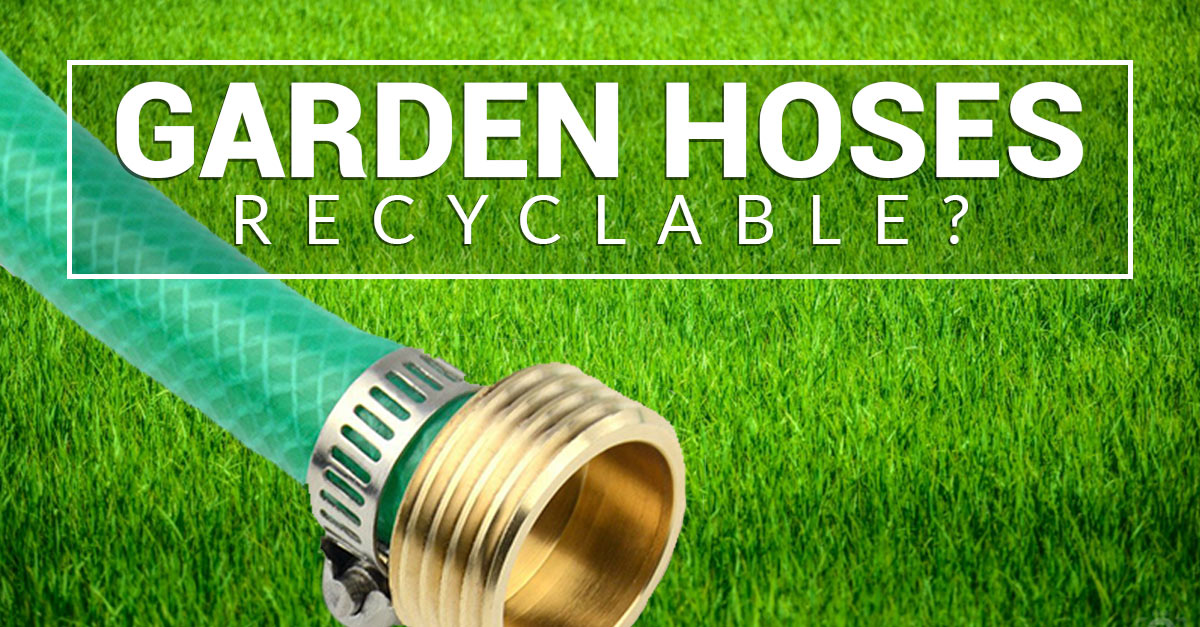
How To Recycle Garden Hose: Eco-Friendly Disposal Guide
A worn-out garden hose seems like it should be recyclable, but it can't go through curbside collection the way plastic bottles do. Long, flexible items wrap around sorting equipment, mix with the wrong material streams, and can shut down a recycling line for hours. That does not mean a dead hose belongs in a landfill. Many old hoses can be repaired, donated, upcycled, or broken down into parts that local programs will accept. This guide covers each step — assessing the hose, identifying its material, preparing it for drop-off, and knowing when reuse is actually the smartest answer.
Why Garden Hoses Don't Belong in Curbside Recycling
Most curbside programs rely on rotating screens, conveyor belts, and automated scanners. Hoses are what recyclers call "tanglers": flexible items that twist around shafts, pull apart conveyor bearings, and drag through the stream long after the intended material has moved on. A single hose in a load can create downtime and contaminate the bales around it. According to EPA recycling guidance, contamination is one of the biggest causes of recyclable loads being rejected. Hoses are a textbook version of that problem. You can also read our guide on how to remove rust from garden tools.
The material blend is another obstacle. A typical garden hose is not one plastic; it has an outer layer, a reinforcing mesh, and an inner tube, often with brass or steel fittings crimped on. These layers are difficult to separate, and municipal recycling markets rarely pay enough to justify the labor. For practical purposes, treat a garden hose as non-recyclable at the curb, no matter how "plastic-friendly" your city claims to be.
How Tangler Waste Is Handled
When hoses arrive at a sorting facility, they are usually pulled off the line and sent to the trash after creating extra work. In some regions, transfer stations collect tanglers separately and send them to a waste-to-energy plant. This is better than a landfill, but it still is not recycling. The real goal is to keep the material out of the waste stream entirely, which is why the preparation and reuse steps below matter so much. You can also read our guide on how does a chainsaw work.
Step 1: Check If the Hose Can Be Repaired or Donated
Before you decide to recycle, take a close look at the hose. Many hoses are retired long before they actually fail.
- Small leaks: A pinhole or crack can be fixed in minutes with a hose mender kit. Two-piece repair unions cost only a few dollars and do not require replacing the whole section.
- Damaged fittings: A cracked brass connector can be unscrewed and replaced. The same is often true for plastic end fittings, so do not throw away 50 feet of usable hose because of a two-inch problem.
- Aging but intact: Hoses that are stiff, faded, or lightly kinked still work for non-critical jobs like rinsing tools, washing the car, or filling a pet bowl.
If the hose holds water without major leaks, donate it. Tool libraries, community gardens, school greenhouse programs, and animal rescues often need hoses and run on small budgets. A quick phone call can put a "worn-out" hose back in service for years. If it is truly ready for disposal, proceed to the material check.

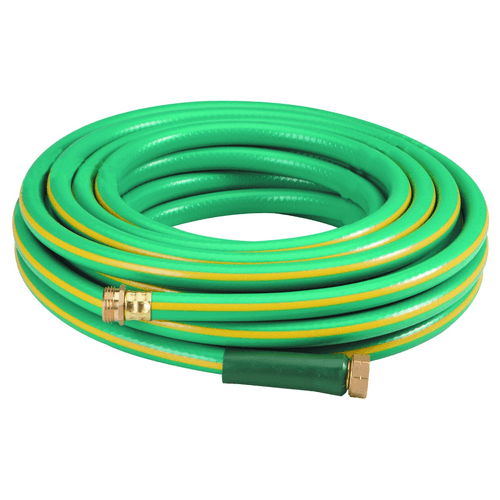
A careful look at the casing, fittings, and leaks tells you whether this hose is repairable or ready for recycling.
Step 2: Identify the Hose Material and Fittings
Recycling options vary a lot by material, so check what you are holding before you call drop-off sites.
| Material | How It Feels | Recycling Outlook |
|---|---|---|
| PVC / vinyl | Light, stiff, slightly glossy, hardens in cold weather | Rarely accepted at municipal sites |
| Rubber | Heavy, dense, flexible even in cold | Accepted by some rubber recyclers, often as a special material |
| Polyurethane | Light, kink-resistant, springy, expensive | Limited; only specialty recyclers |
| Hybrid blends | Mix of rubber and PVC, usually soft and heavy | Very poor; few facilities separate the layers |
The metal fittings matter more than most people think. Brass fittings are considered scrap metal, and most yards pay by weight. Aluminum ends have scrap value too. Remove them before you recycle the hose body, and you may walk away with a little cash instead of paying a disposal fee. You can also read our guide on how to recycle a garden hose.
If the hose is old and you plan to keep it in a vegetable garden, be careful: older vinyl hoses were sometimes made with lead-based stabilizers. Unless the hose or its packaging states that it is drinking-water-safe or lead-free, avoid using it on edible plants. If you are worried about what comes out of the tap, attach a hose-end filter to keep sediment and other contaminants away from your crops. National tap-water rules under the EPA Safe Drinking Water Act set strict lead limits for drinking water, but garden hoses are not regulated the same way.
How to Identify Lead in an Old Hose
There is no reliable home test kit for lead in plastic, so use date and labeling as your guide. A hose marked "drinking-water-safe," "lead-free," or "NSF/ANSI 61" is a much safer choice for edible plants. A hose with no marking and a strong "new vinyl" smell likely uses plasticizers you do not want near food. Use those unmarked hoses for ornamental beds, driveway washing, or recycling. You can also read our guide on vs garden hose reddit.
Step 3: Prepare the Hose for Recycling or Drop-Off
Once you know the hose is truly finished, preparing it properly can be the difference between a facility accepting it and rejecting it.
- Cut off all metal fittings. Cut 2 to 3 inches behind each connector so no metal remains in the hose body. Set the fittings aside for scrap metal.
- Drain and clean the hose. Empty all water, rinse off mud and debris, and let it dry completely. Clean materials are far more likely to be accepted.
- Cut the hose into 3- to 4-foot sections. Longer pieces are difficult to handle and cause the same tangling problems at drop-off sites. Stack the sections and bundle them with twine or zip ties.
- Label it if possible. A bundle marked "cut hose sections, no metal" helps workers process it quickly and reduces the chance it gets refused.
- Call ahead. Facilities change policies often. Ask specifically whether they accept garden hoses, what form they need them in, and whether a fee applies.
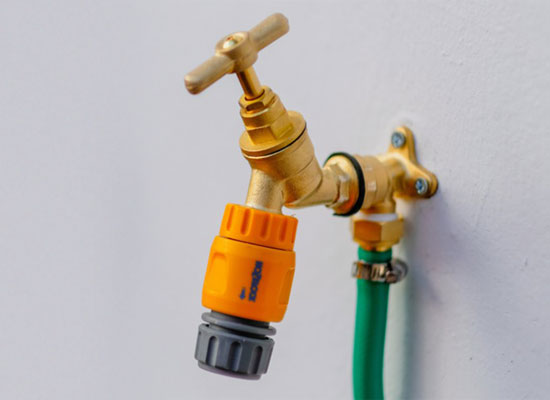
Short, bundled hose sections are much safer for workers and sorting machines than a single tangled 100-foot coil.
Where to Recycle a Garden Hose
Your best option depends on where you live. In order of preference, look for these places:
- Scrap metal yards for brass and aluminum fittings. Call about current rates and accepted materials.
- Municipal transfer stations / waste handling facilities. Many accept hoses as special waste, sometimes for a small fee. Ask about their tangler policy.
- Rubber recyclers. Some companies collect rubber hoses and grind them into playground cushioning or rubber mats. They often require clean hoses with all metal removed.
- Community reuse centers. Habitat for Humanity ReStores, creative reuse centers, and local maker spaces sometimes accept intact hoses as utility materials.
- Hardware stores during collection events. Some retailers run seasonal take-back days for hoses and other garden plastics. It is not universal, so call your local store directly.
- Mail-in recycling programs. Services such as TerraCycle offer specialty waste boxes for hard-to-recycle items. You pay for the box, fill it with hoses, and ship it back. This is a practical fallback when no local option exists.
What to Say When You Call
Instead of "do you take garden hoses?" ask specific questions: "Do you accept rubber or PVC hose material with no metal attached? How does it need to be packaged? Is there a per-pound charge?" Precise questions get precise answers, and they save you a wasted trip. You can also read our guide on how to measure garden hose diameter.
What NOT to Do With an Old Garden Hose
The wrong methods can cause more harm than a landfill, so avoid these common mistakes:
- Do not toss it in curbside recycling. It will jam equipment and contaminate otherwise good material.
- Do not burn it. Burning PVC and rubber releases dioxins, heavy metals, and other toxic smoke.
- Do not add it to compost or yard waste. It will not break down, and it introduces microplastics into soil.
- Do not bury it. Plastic degradation is negligible underground, and it will eventually fragment.
- Do not cut it into tiny unsafe pieces and scatter them. Microplastics are already a serious environmental issue; a growing pile of degraded hose fragments is not a solution.
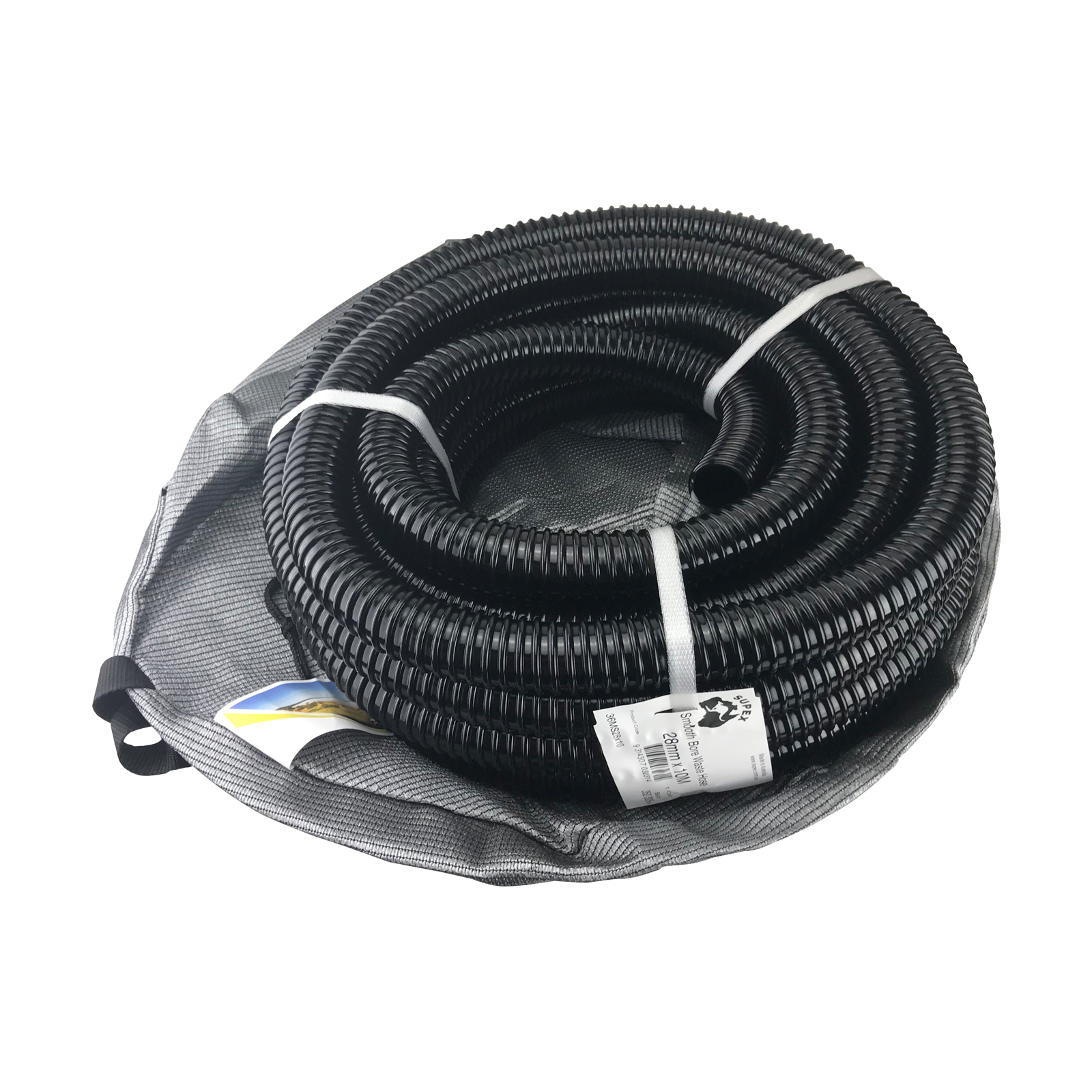
Even a single hose can cause a sorting bottleneck, so keep it out of the curbside bin entirely.
Smart Reuse Projects for Old Hoses
Reuse is often the most eco-friendly option because it avoids the energy, transport, and processing costs of recycling. If the hose is still flexible enough to cut, it can have a useful second life in the garden or workshop.

Simple cutting and fitting projects turn retired hoses into functional helpers around the garden.
Practical Upcycling Projects
- Tree guards: Cut 6-inch sections, slit them lengthwise, and wrap them around young tree trunks to protect bark from weed whackers and guy wires.
- Edge protectors: Slit hose sections and slide them over exposed metal edges on fence tops, gate hinges, or shed flashing.
- Bucket handle pads: Thread hose over a wire bucket handle to create a padded grip.
- Soaker hose: Punch small holes along one side, cap one end, and attach the other to a spigot. Use this only for ornamental plants if you are unsure whether the hose contains lead.
- Tool grips: Slide short sections over rake handles, shovel shafts, or trellis poles for a better grip.
- Hose guides: Place a segmented hose over metal stakes and plant them along the edge of a flower bed to stop a live hose from crushing plants.
When you are ready to lay out a new planting bed, an old hose makes a flexible border marker. Once you have the shape set, grab the right digging implements to break the ground. You can also read our guide on best garden hose for arizona.
A short slit section of hose makes a quick trunk guard while a tree establishes itself.
When Not to Reuse
If the hose was a cheap vinyl model from many years back, treat it as suspect. Avoid using it for anything that touches edible plants, drinking water, children, or pets. For non-food uses, a clean old hose can still be valuable.
Choosing a New Garden Hose That Won't End Up in a Landfill
The most effective way to recycle a garden hose is to buy one that you will not need to recycle for a decade. Shopping for a replacement gives you a chance to fix the problem at the source.
What to Look For
- Drinking-water-safe certification. Look for "NSF/ANSI 61" or "lead-free" on the label if you water vegetables or fill pet bowls.
- Repairable fittings. Standard threaded ends are easier to fix than molded one-piece fittings. This simple design choice can extend a hose's life significantly.
- Material quality. Good rubber and polyurethane hoses cost more but resist kinking, cracking, and UV damage far better than cheap vinyl.
- UV resistance. Sun exposure is the number-one killer of garden hoses. A hose with built-in UV stabilizers will last years longer.
- The right size for your yard. A longer hose than you need is heavier, more prone to kinking, and wastes material. Think about diameter and length trade-offs before buying.
Maintenance That Doubles Hose Life
Drain the hose after every use, especially before winter. Store it coiled loosely in a shaded area or a garage, and use a hanger or reel to avoid pressure kinks. Fix small leaks as soon as they appear instead of waiting until the hose fails. If you want a more comfortable watering experience, attach a multi-pattern spray wand that protects the hose end from stress. A well-maintained hose can serve you for years, and that alone is the strongest recycling strategy available.
A Practical Example: One Old Hose, Four Different Outcomes
Assume you have a 100-foot rubber hose that is leaking at several points and no longer holds pressure.
- Cut off the brass ends and recycle them at a scrap yard, keeping a few extra dollars in your pocket.
- Repair the two small leaks with a hose mender kit and turn the still-solid middle section into a shorter hose for washing the car. Pair it with a car-wash foam sprayer to make the dedicated detail line easy to use.
- Cut the worst 10-foot section into 6-inch tree ties and tool grips for your shed.
- Take the remaining unusable pieces to a rubber recycler, or use a mail-in program if no local facility accepts rubber.
This approach keeps almost every part of the hose in use or in a recycling stream, with almost nothing sent to landfill.
Separating a hose into metal fittings, reusable pieces, and recyclable material dramatically improves the final outcome.
Frequently Asked Questions
Can my garden hose go in curbside recycling?
No. Hoses are tanglers and can jam sorting equipment, contaminate bales, and cause facility downtime. Even if your local program says it accepts flexible plastics, garden hoses are almost always excluded.
What can I do with the metal ends?
Brass and aluminum fittings are scrap metal. Use a utility knife or hacksaw to cut them off, then take them to a metal recycling yard. Some yards buy them by weight.
Are old PVC hoses safe to use in a vegetable garden?
Unless the hose is marked lead-free, drinking-water-safe, or NSF/ANSI 61, assume it may contain lead or phthalate plasticizers. Use it for ornamental plants, driveway washing, or repair projects instead.
Do home improvement stores accept old hoses?
Some run seasonal take-back events, but it is not a standard service. Contact your local store and ask whether they accept hoses for recycling or reuse.
Is a mail-in recycling program worth the cost?
Compare the fee to the environmental cost of landfilling a hose. Mail-in programs are most worthwhile when no local option exists. If the cost feels prohibitive, upcycling the material is usually the better alternative.
How do I turn an old hose into a soaker hose?
Punch small holes every few inches along one side, cap the end, and attach the other to a spigot. Test the water flow and adjust the hole size. Do not use it on edible plants unless you know the hose is lead-free.
What should I do if my city has no recycling program?
Recycle the metal fittings, repurpose what you can, and call regional rubber recyclers. If none of these work, dispose of the remaining hose responsibly in the regular trash rather than burning it or contaminating your recycling bin.
Final Thoughts
Recycling a garden hose is not as simple as throwing it in a bin, but every part of an old hose has a better destination than a landfill. Start by repairing or donating the hose if it still holds water. If it is truly finished, remove the metal fittings, cut the body into short bundled sections, and find your local scrap yard, transfer station, or mail-in option. For the next hose, choose a quality, repairable model with lead-free materials, then protect it with proper storage and care.
The most sustainable garden hose is the one that never enters the waste stream in the first place. Start with the metal ends — cut them off and call your local scrap yard for today's rate. Then apply the same curiosity to the rest of your garden supplies, and you will save money, cut waste, and keep the planet a little cleaner in the process.