How To Get Rid Of Aphids Naturally: Safe Organic Methods
Aphids are one of the most common garden pests, and nearly every gardener will face them at some point. These tiny, soft-bodied insects multiply quickly and can weaken plants by sucking sap from new growth. The good news? You don't need harsh chemicals to solve the problem. Learning how to get rid of aphids naturally is straightforward when you understand their lifecycle, use targeted treatments, and build a garden that invites their natural predators.
This guide covers everything from quick water blasts to long-term companion planting strategies. You'll find practical recipes, step-by-step routines, and honest advice on what actually works based on hands-on garden experience. You can also read our guide on how to store garden hose without kinks.
Why Aphids Appear and How They Spread
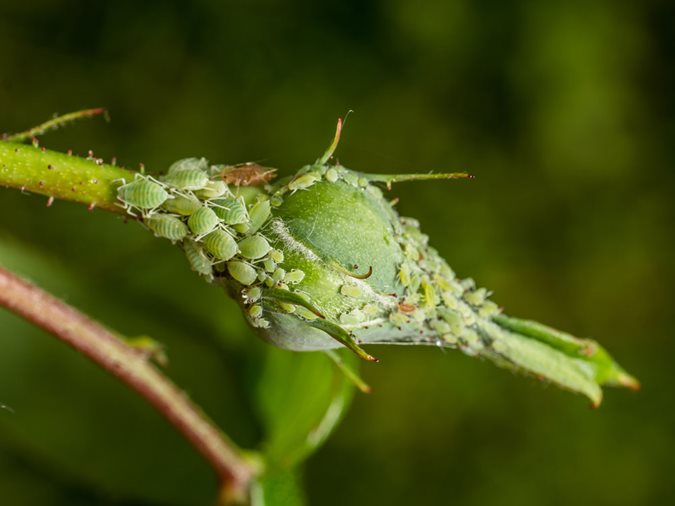
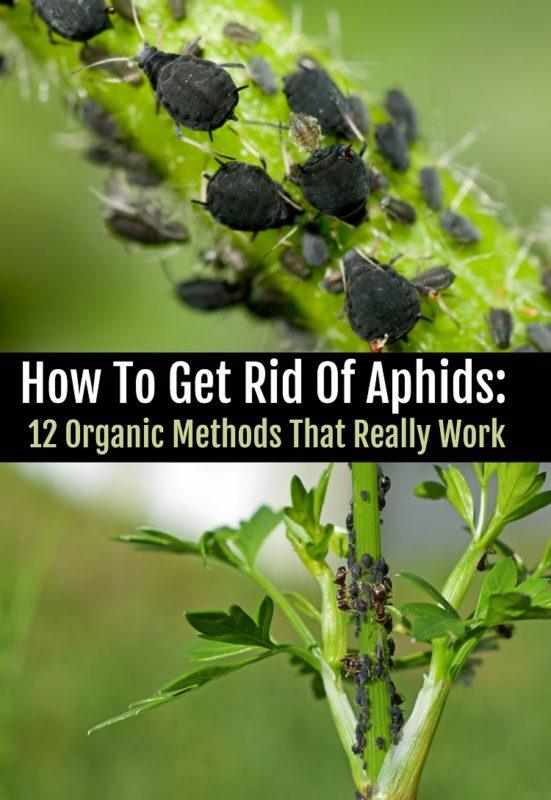
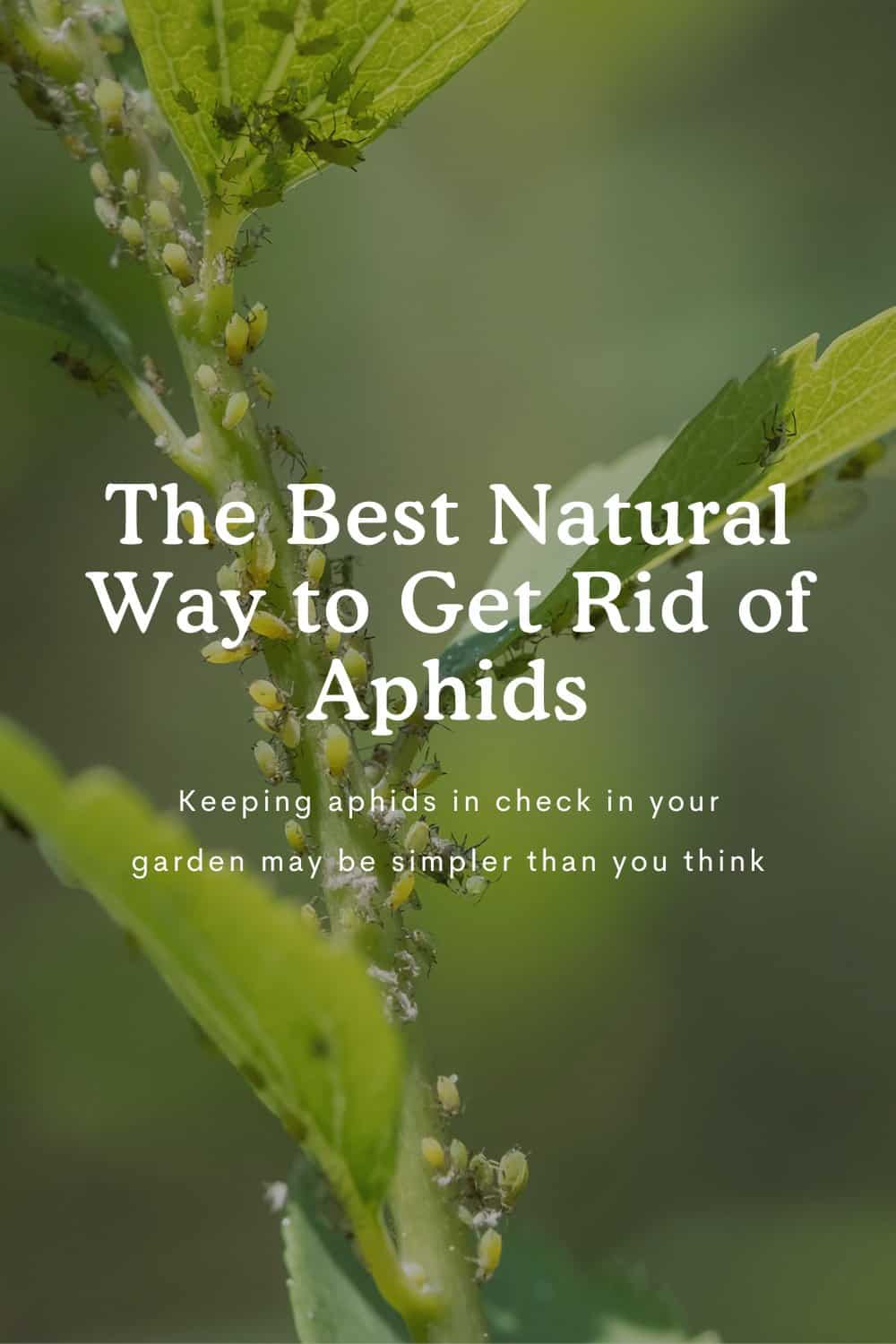
Aphids are small insects—usually green, black, yellow, or pink—that cluster on tender new shoots, leaf undersides, and flower buds. They feed by piercing plant tissue and sucking out sap, which can cause leaves to curl, yellow, or distort. In large numbers, they weaken plants and reduce yields.
How to Spot an Infestation Early
Catching aphids early makes control far easier. Look for these signs during your regular garden checks:
- Curled or distorted leaves – new growth often twists as aphids feed
- Sticky residue – honeydew, a sugary waste product, coats leaves
- Black sooty mold – grows on honeydew and blocks sunlight
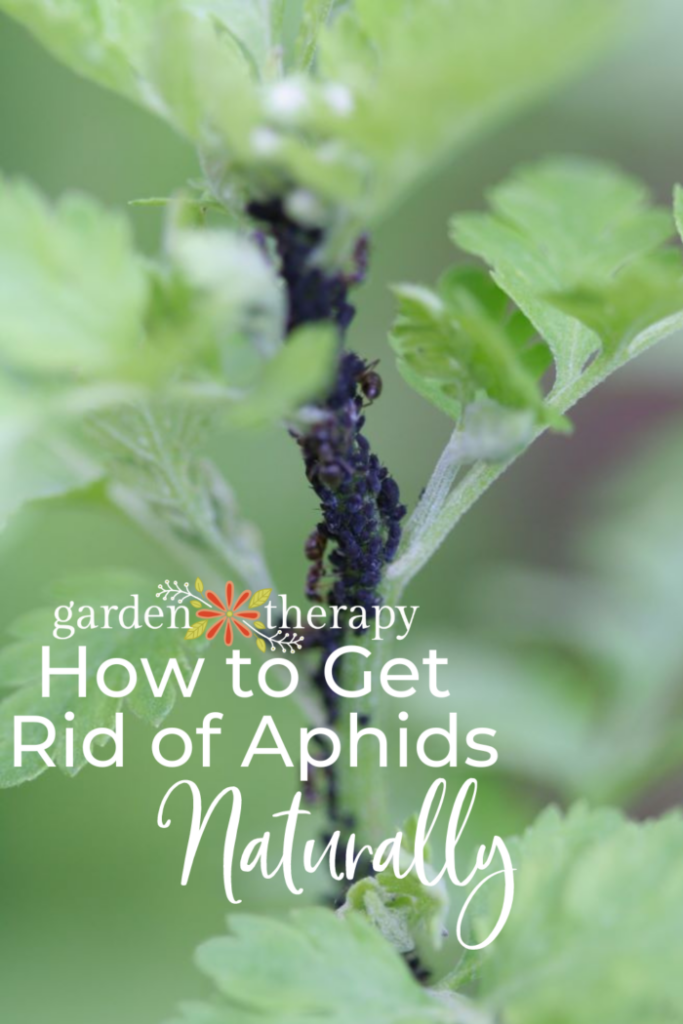
- Ants on stems – ants farm aphids for honeydew and will protect them
- White shed skins – empty aphid shells collect on leaf surfaces

Inspect the undersides of leaves where aphids often gather in large numbers.
Source: themicrogardener.com
Why Aphid Populations Explode So Fast
A single female aphid can produce dozens of offspring in a week, and many species give birth to live young without mating. In warm conditions, populations can double every few days. This rapid reproduction means action within 48 hours of spotting the first few aphids can prevent a full-scale outbreak. For more on this, see our guide on how to get rid of pill bugs in.
Immediate Action: What to Do Today
When you discover aphids, don't panic. Most infestations respond quickly to simple physical removal. These methods work immediately and require no products at all.
Water Blast Technique
A strong jet of water knocks aphids off plants, and they often cannot find their way back. Use a hose nozzle set to a firm spray and target the undersides of leaves and growing tips. For more on this, see our guide on how to get more pressure from garden hose.
- Do this in the morning so foliage dries before evening
- Repeat every 2–3 days for two weeks to catch newly hatched aphids
- Avoid blasting delicate seedlings with full pressure – use a gentler mist
Pinch and Prune
Remove heavily infested shoots, leaves, or flower buds. Aphids cluster on the softest growth, so pinching off the worst areas removes large numbers at once.
- Place removed plant parts in a sealed bag and discard in the trash
- Do not compost infested material – eggs can survive
- Sterilize pruners between plants if you're moving between beds
Wipe Leaves on Houseplants
For indoor plants, a damp cloth or paper towel removes aphids without any spray. Wipe both sides of each leaf, paying special attention to new growth and leaf joints. For more on this, see our guide on how to get chainsaw in silent hill 2.
Break the Ant Connection
Ants actively protect aphids from predators. Apply a sticky barrier around tree trunks or plant stakes to stop ants from climbing. Remove ant colonies near garden beds with bait stations placed away from your plants.
![]()
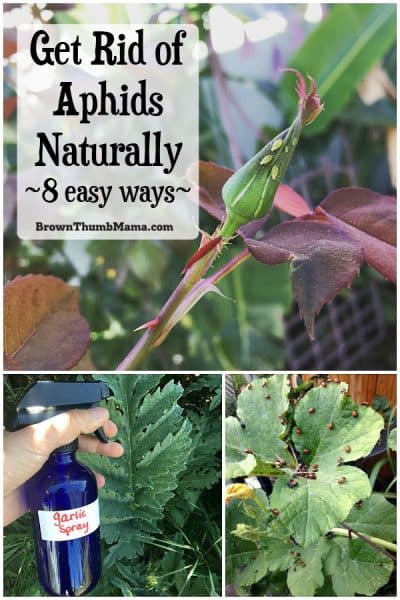
A targeted water spray is often the fastest first response to an aphid outbreak.
Source: brownthumbmama.com
Homemade Sprays That Work
When physical removal isn't enough, several homemade and organic sprays effectively control aphids. The key is proper mixing, timing, and coverage.
Insecticidal Soap Spray
Soap breaks down aphids' outer protective layer, causing dehydration. It works best on soft-bodied insects and has minimal effect on beneficial species when used correctly.
Recipe:
- 1 teaspoon mild liquid soap (castile soap or a product labeled for plants) per quart of water
- Mix gently to avoid excess foam
- Pour into a spray bottle
Application tips:
- Spray all leaf surfaces, especially undersides, until dripping
- Test on one leaf first and wait 24 hours to check for damage
- Apply in early morning or evening to avoid leaf burn
- Reapply every 4–7 days until aphids are gone
Neem Oil Spray
Neem oil comes from the neem tree and interferes with aphid feeding and growth. It acts as both a repellent and a growth regulator, making it a valuable tool in an organic toolkit.
Recipe:
- 1–2 teaspoons cold-pressed neem oil per quart of water
- Add ½ teaspoon mild soap as an emulsifier
- Shake well before each use
Application tips:
- Spray every 7 days for two to three rounds
- Do not apply in temperatures above 85°F or in direct sun
- Avoid spraying open flowers to protect pollinators
Horticultural Oil
Also called dormant oil or summer oil, horticultural oil smothers aphids and their eggs. It's especially useful on trees and shrubs where complete coverage is challenging.
Recipe:
- 1 tablespoon horticultural oil per quart of water
- Mix thoroughly and spray immediately
Application tips:
- Use on mild days below 80°F
- Cover stems, branch crotches, and leaf undersides completely
- Do not combine with sulfur-based products
Rubbing Alcohol Spot Treatment
For small clusters on houseplants or isolated garden spots, rubbing alcohol kills aphids on contact.
Recipe:
- Mix 1 part 70% isopropyl alcohol with 5 parts water
- Dab directly onto aphid clusters with a cotton swab
Application tips:
- Use as a spot treatment only – never drench entire plants
- Avoid sensitive plants like ferns and succulents
- Test on one leaf first

Simple soap and oil mixtures can be prepared at home with everyday ingredients.
Source: gardentherapy.ca
Beneficial Insects: Nature's Cleanup Crew
Some of the most effective aphid control comes free when you attract predatory insects. These natural enemies keep aphid populations in check without any effort on your part once established.
Ladybugs and Their Larvae
Adult ladybugs eat dozens of aphids daily, but their larvae consume even more. The larvae look nothing like adults – they appear as small, dark, alligator-like creatures with orange markings.
- Purchase ladybugs and release at dusk near infested plants
- Mist plants with water first to encourage them to stay
- Provide nectar-rich flowers to keep them in your garden long-term
Green Lacewing Larvae
Lacewing larvae, sometimes called aphid lions, are voracious predators that feed on aphids in their early stages. They're especially effective in greenhouses and on vegetable crops.
- Available online or at garden centers as eggs or larvae
- Release in the evening near active aphid colonies
- Adults feed on nectar and pollen, so plant flowering herbs nearby
Parasitic Wasps
Tiny parasitic wasps lay eggs inside aphids. The developing larvae consume the aphid from within, leaving behind brown, puffed "mummies" – a sign the wasps are working.
- Attract them with small-flowered plants like dill, fennel, and yarrow
- Avoid broad-spectrum sprays that kill these beneficial insects
- Mummies are a positive sign – leave them in place
Creating a Habitat That Keeps Predators Around
Predators need shelter and alternative food sources. Plant a mix of flowering herbs and native plants near vegetable beds. Good choices include:
- Dill and fennel for parasitic wasps
- Alyssum for lacewings
- Calendula and marigolds for hoverflies
- Yarrow for ladybugs

Ladybug larvae are ferocious aphid predators despite their small size.
Source: youtube.com
Companion Planting to Deter Aphids
Strategic plant placement reduces aphid pressure by confusing pests and attracting beneficial insects. This approach works as a preventive measure rather than a cure.
Trap Crops That Draw Aphids Away
Some plants are more attractive to aphids than your valuable crops. Use them as decoys at the edges of your garden.
- Nasturtiums – highly attractive to aphids, easy to pull when infested
- Calendula – draws aphids away from nearby vegetables
- Mustard greens – aphids prefer them to many other crops
When trap crops become heavily infested, remove and discard them, along with the aphids they've attracted.
Repellent Herbs That Mask Scent
Strong-scented herbs can deter aphids from finding nearby plants.
- Garlic and chives – strong sulfur compounds mask plant scents
- Oregano and basil – aromatic oils discourage feeding
- Mint – effective but invasive, so grow in containers
Plant these near roses, peppers, tomatoes, and other aphid favorites.
Flowers That Attract Aphid Predators
A garden with continuous blooms supports predatory insects throughout the season.
- Marigolds attract hoverflies, whose larvae eat aphids
- Cosmos provide nectar for parasitic wasps
- Alyssum produces tiny flowers perfect for lacewings

Interplanting flowers and herbs among vegetables creates natural pest barriers.
Source: thespruce.com
Garden Practices That Prevent Outbreaks
Healthy plants resist pests. Stress from poor watering, overfeeding, or overcrowding makes plants more attractive to aphids and less able to recover from damage.
Water Deeply and Less Often
Shallow, frequent watering encourages weak surface roots. Instead:
- Water deeply 1–2 times per week, depending on weather and soil
- Water at the base of plants to keep foliage dry
- Use mulch to retain moisture and reduce evaporation
Avoid Excessive Nitrogen
Too much nitrogen fertilizer produces soft, lush growth that aphids prefer. Balance your feeding approach:
- Use compost rather than synthetic high-nitrogen fertilizers
- Apply slow-release organic fertilizers according to package directions
- Observe your plants – dark green, leggy growth often signals overfeeding
Prune for Airflow
Dense, crowded plants create humid microclimates that aphids love. Open up the canopy:
- Remove suckers and crowded interior branches
- Space plants according to their mature size
- Thin seedlings to recommended distances
Support Healthy Soil
Soil health directly impacts plant resilience. improving your soil's structure and biology helps plants withstand pest pressure. Adding compost, maintaining proper pH, and encouraging earthworm activity all build stronger plants. For long-term results, focus on soil building as your primary preventive strategy. Good soil grows healthy plants that tolerate some aphid feeding without serious harm. See how to improve garden soil naturally for a deeper dive into soil-building techniques.

Well-cared-for plants with good airflow resist aphid damage more effectively.
Source: gardendesign.com
A Weekly Aphid Control Routine
Consistency beats intensity when managing aphids. A simple weekly check prevents small populations from becoming large ones.
Day 1: Scout
Walk through your garden and examine new growth, leaf undersides, and flower buds. Carry a hand lens to spot early colonies.
Day 2: Act Based on Threshold
- A few aphids – blast with water, leave predators alone
- Small clusters – prune infested tips and apply soap spray
- Heavy infestation – prune, spray soap, and consider releasing beneficial insects
Day 4–7: Follow Up
Aphids hatch continuously, so one treatment rarely solves the problem. Reapply sprays as needed and check neighboring plants for spread.
For Houseplants
- Quarantine new plants for two weeks before placing near others
- Rinse plants in the shower to dislodge aphids
- Place yellow sticky traps near pots to catch winged aphids

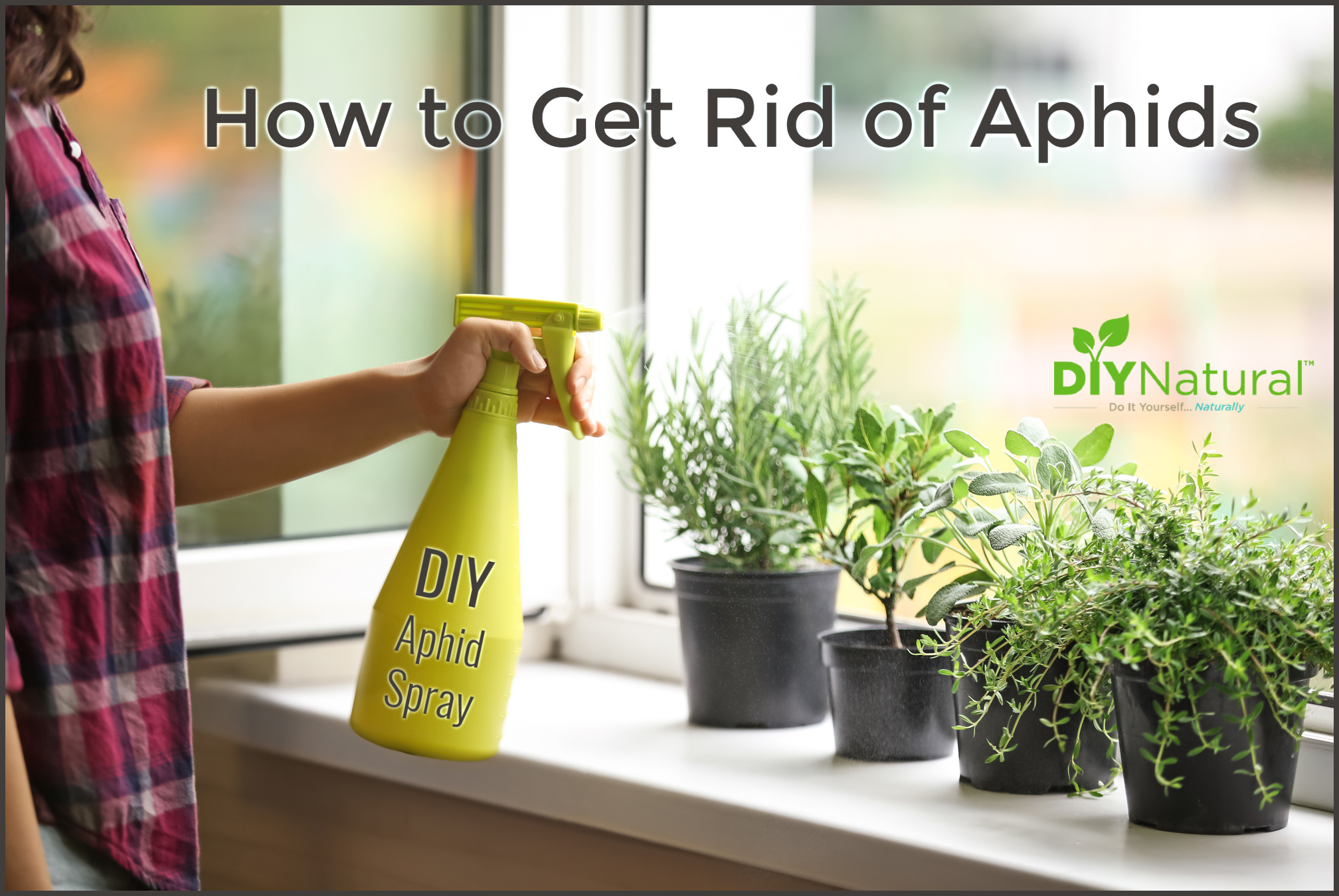
A quick weekly inspection catches aphid problems before they escalate.
Source: diynatural.com
Mistakes That Make Aphids Worse
Experience shows that certain well-meaning actions backfire. Avoid these common errors:
Overusing Dish Soap
Regular dish soap contains degreasers and fragrances that burn plant leaves. Use a pure castile soap or a product specifically formulated for plants. If you use dish soap, use the mildest option available and rinse plants after a few hours.
Spraying in Hot Sun
Sprays applied in direct sunlight can scorch leaves, especially oil-based products. Always apply treatments in early morning or evening. Check the weather forecast and avoid spraying before rain.
Spraying Open Flowers
Insecticidal soap and neem oil harm bees and other pollinators. Never spray open blooms. Target infested stems and leaves instead.
Skipping Test Sprays
Plants vary in sensitivity. Always test any new spray on a small section of one leaf and wait 24 hours. If the leaf shows damage, dilute further or choose a different method.
Expecting One Treatment to Work
Aphid eggs hatch over time, and new aphids fly in from neighboring gardens. Plan for multiple applications at weekly intervals rather than a single treatment.
![]()
Always apply garden sprays during cooler parts of the day to prevent leaf damage.
Source: wikihow.com
What Works Best in Practice
Every garden is different, but certain approaches consistently outperform others. Based on years of working with aphid infestations, the most reliable strategy combines several methods:
The Core Combination
- Immediate water blast to knock down the population
- Prune heavily infested tips to remove concentrated colonies
- Apply insecticidal soap 2 days later to catch survivors
- Follow with neem oil after 7 days if aphids persist
Plant Trap Crops Early
Plant nasturtiums and calendula at the same time as your main crops. These act as early warning systems – when they show aphids, you know to start scouting more carefully.
Encourage Native Predators
Rather than buying ladybugs, focus on creating habitat that attracts local beneficial insects. Native predators are better adapted to your area and will persist throughout the season.

A diverse garden with flowering plants and vegetables naturally supports aphid predators.
Source: numaxups.com
Seasonal Adjustments for Year-Round Control
Aphid pressure changes with the seasons, and your strategy should adapt accordingly.
Spring
New growth attracts the first aphid wave. Scout weekly and respond quickly. Use water sprays and early pruning – the simplest interventions work best when populations are small.
Summer
Heat stress weakens plants, making them more vulnerable. Avoid oil sprays during hot spells. Keep plants well-watered and mulch to reduce temperature stress.
Fall
Clear dead plant material where aphids lay overwintering eggs. Wash down perennial plants with a strong spray, and remove trap crops that have served their purpose.
Winter
On dormant trees and shrubs, apply dormant oil according to label instructions to smother overwintering eggs. Clean up fallen leaves and debris around susceptible plants.
Frequently Asked Questions
What is the fastest natural way to kill aphids?
A strong water spray followed by insecticidal soap treatment is the fastest natural approach. Water knocks off the majority, and soap kills remaining aphids on contact.
Will neem oil kill aphids and their eggs?
Neem oil disrupts feeding and growth of active aphid stages but does not reliably penetrate eggs. Repeated applications every 7 days break the lifecycle as new nymphs hatch.
Can I use vinegar to kill aphids on plants?
No. Vinegar is an acid that burns and damages plant leaves. It is not an effective or safe aphid control method. Use insecticidal soap or neem oil instead.
Do coffee grounds repel aphids?
There is no reliable evidence that coffee grounds deter aphids. Focus on proven methods like water sprays, insecticidal soap, and beneficial insects.
How often should I spray for aphids?
Spray every 3 to 7 days while the infestation is active. Continue with weekly preventive checks after aphids disappear to catch early reinfestation.
Are aphids harmful to humans or pets?
Aphids pose no direct harm to humans or pets. Their impact is limited to plant health, plus the nuisance of ants that farm them for honeydew.
What attracts aphids to my garden?
Tender, nitrogen-rich growth attracts aphids. Warm spring weather, newly planted seedlings, and stressed plants all signal ideal feeding sites.
Conclusion: Your Natural Aphid Control Plan
You can successfully manage aphids without synthetic chemicals. Start with immediate physical removal, support your plants with good cultural practices, and let beneficial insects do the heavy lifting long-term.
Remember the core principles:
- Act fast when you spot the first aphids – early intervention prevents outbreaks
- Combine methods – water, pruning, and targeted sprays work better together than alone
- Build a balanced garden – flowers, herbs, and healthy soil attract predators and reduce pest pressure
- Stay consistent – weekly scouting and follow-up treatments keep aphids in check
Begin with one bed or container today. Apply the water blast, check for ants, and set up a weekly scouting routine. Within a few weeks, you'll have a system that keeps aphids manageable without ever reaching for harsh chemicals.
Your garden has the allies you need – you just need to give them the right environment to thrive.