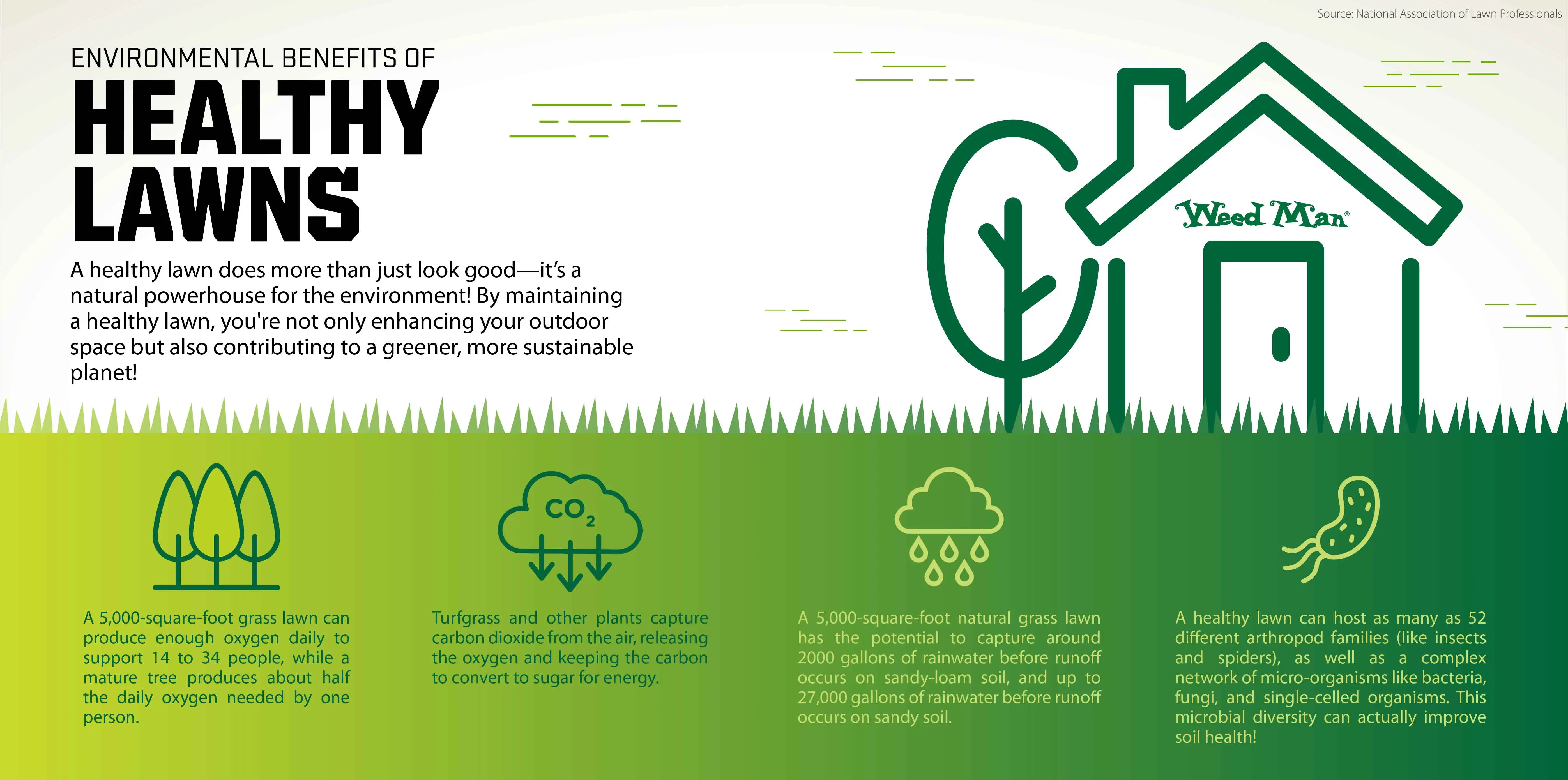
Healthy lawns thrive with good soil, proper mowing, deep watering, and organic care.
If you want to know how to maintain a healthy lawn naturally, you are in the right place. I have coached homeowners and managed lawns in tough climates. I will show you tested steps, timing, and tools. Follow along and learn how to maintain a healthy lawn naturally without harsh chemicals, while saving water and time.
Know Your Site and Soil
If you ask how to maintain a healthy lawn naturally, start with soil. Strong grass comes from strong soil. Test pH, texture, and organic matter. Then fix compaction and drainage to help roots.
How to do a quick assessment:
- Dig a small hole. Check root depth, color, and smell.
- Do a squeeze test. Sandy soil falls apart. Clay soil holds shape.
- Drop a hose on the lawn. Watch where water pools.
Soil actions that pay off:
- Send a soil test once a year. Ask for lime or sulfur rates if needed.
- Aerate compacted areas in fall. Follow with compost.
- Top-dress with a quarter inch of screened compost.
I have seen lawns change in one season after compost and aeration. Roots grew deeper. Weeds dropped. This is how to maintain a healthy lawn naturally from the ground up.

Build Soil Life With Compost And Mulch Mowing
To master how to maintain a healthy lawn naturally, feed the soil food web. Compost adds life. Mulch mowing returns nitrogen and carbon. Microbes turn that into steady plant food.
Simple steps:
- Mulch mow every time. Leave clippings. They do not cause thatch.
- Add one thin compost dressing in spring or fall.
- Mix in 5 to 10 percent fine compost with topsoil for patch repairs.
Extra boosters:
- Add a little clover to the lawn. Clover fixes nitrogen.
- Use leaf mulch in fall. Shred leaves with the mower.
Research shows mulch mowing can replace one fertilizer pass. In my plots, clover cut spring feeding in half. This is how to maintain a healthy lawn naturally and save money.
Mow For Health, Not Just Looks
How to maintain a healthy lawn naturally depends on how you mow. The right height shades soil, blocks weeds, and saves water.
Key rules:
- Mow high. Cool season grass likes 3 to 4 inches. Warm season likes 2 to 3 inches.
- Never remove more than one third of the blade at once.
- Keep blades sharp. Dull blades tear and invite disease.
Timing tips:
- Mow when grass is dry. Stems cut clean.
- Vary the pattern. Avoid wheel ruts and lean.
- Raise the deck in heat or drought.
In side-by-side tests, tall mowing cut crabgrass by a lot. It is a simple fix. It is a core part of how to maintain a healthy lawn naturally.

Water Deep, Not Often
Deep roots are the heart of how to maintain a healthy lawn naturally. Shallow, daily water makes weak grass.
Better watering:
- Water one to two times a week. Give about one inch each week in summer, less in cool months.
- Use a cup test. Place cups and run sprinklers. Measure how long it takes to reach one inch.
- Water at dawn. Reduce loss and disease risk.
If water runs off:
- Use cycle and soak. Split long runs into two or three short sets.
- Fix low spots and thatch so water can enter.
Extension trials show deep watering grows deeper roots. In my clients’ yards, shifting to weekly deep sets cut water use by up to a third. That is how to maintain a healthy lawn naturally and lower bills.

Feed With Slow, Natural Sources
A steady diet is key to how to maintain a healthy lawn naturally. Use slow release, plant based, or mineral based foods.
What to use:
- Compost. Top-dress in spring or fall.
- Natural fertilizers with low burn risk. Follow the label rate per 1,000 square feet.
- Lawn mixes that add humic matter or kelp for root vigor.
Smart schedule:
- Cool season grass. Light feed in early spring, main feed in fall.
- Warm season grass. Main feed late spring into summer.
I prefer a light, steady plan. Overfeeding makes soft growth and that invites pests. Slow and steady wins when you aim to maintain a healthy lawn naturally.
Overseed To Thicken And Crowd Out Weeds
A dense stand is the quiet hero of how to maintain a healthy lawn naturally. New seed fills gaps and blocks weeds.
Pick the right seed:
- Cool season zones. Tall fescue blends are tough and deep rooted. Kentucky bluegrass spreads and heals.
- Warm season zones. Bermuda, zoysia, or bahiagrass based on sun and soil.
- Use endophyte enhanced seed for better stress and pest tolerance where suited.
How to overseed:
- Mow low once. Bag clippings.
- Core aerate or use a slit seeder.
- Broadcast seed at the label rate. Top with a thin layer of compost.
- Keep the top quarter inch moist until seed sprouts.
I overseed each fall on thin lawns. It is one of the fastest ways to maintain a healthy lawn naturally.
Control Weeds Without Harsh Chemicals
If you plan how to maintain a healthy lawn naturally, focus on prevention. Weeds love bare soil, short grass, and stress.
Prevention first:
- Keep mowing high. Shade stops many weed seeds.
- Fix thin spots fast with seed and compost.
- Edge beds with a clean cut to stop spread.
Direct controls:
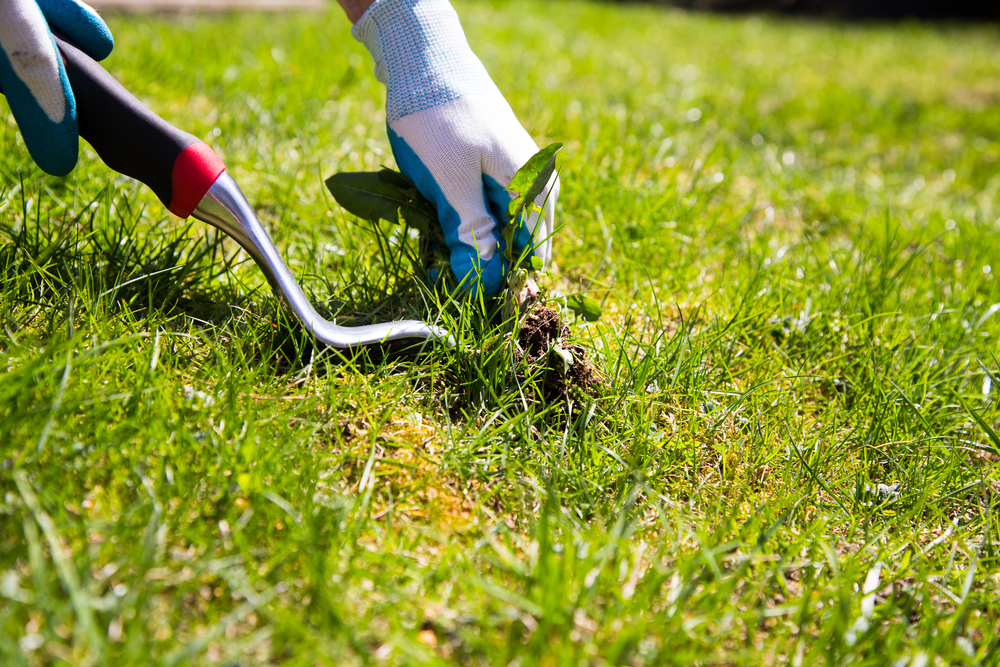
- Hand pull after rain. Roots come out clean.
- Use a weeding knife for tap roots like dandelions.
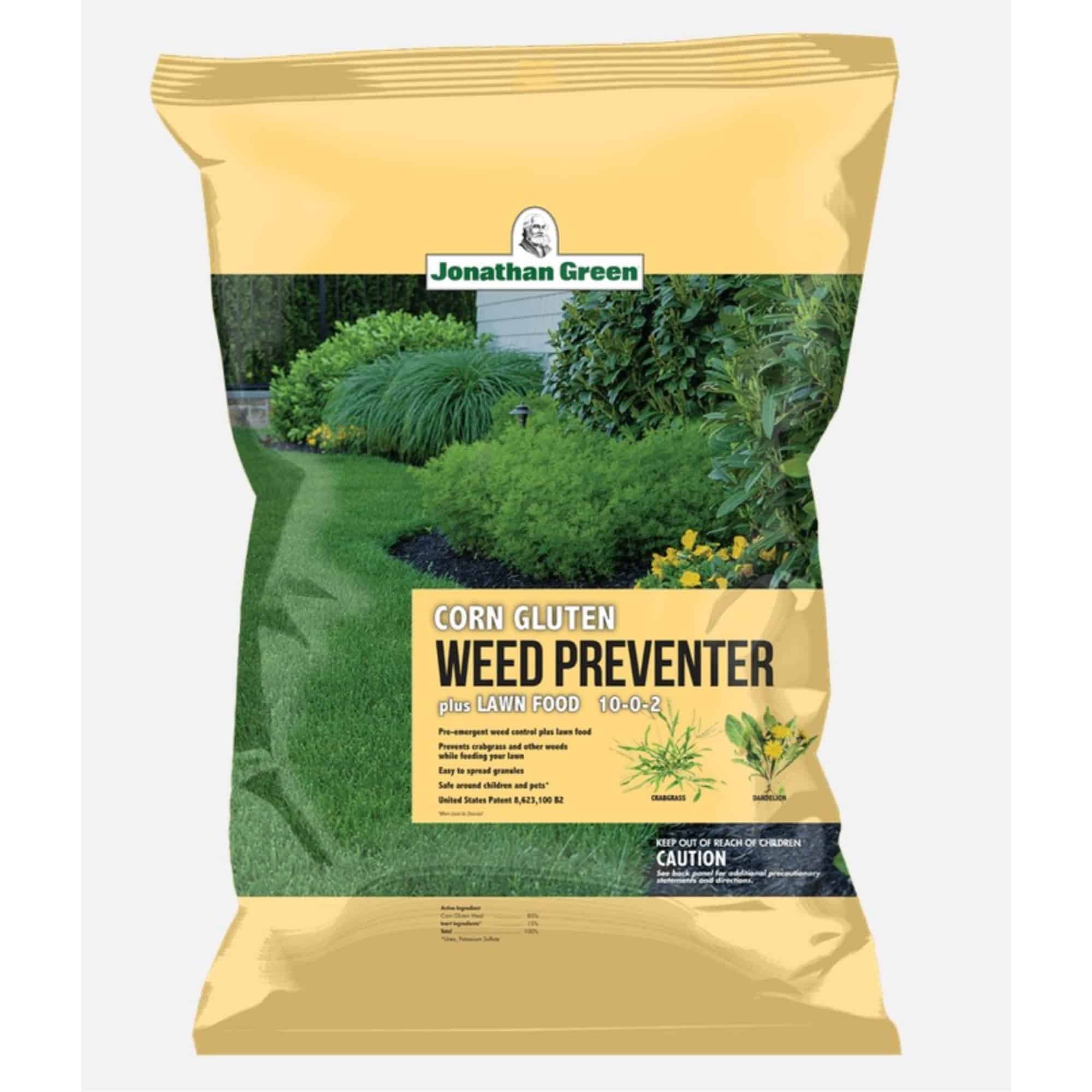
- Try corn gluten meal in early spring as a preemergent where allowed. Water it in and then keep the soil dry for a few days.
A dense lawn will do most of the weed work for you. I have cut weed pressure by half in one season with height, seed, and compost. That is how to maintain a healthy lawn naturally.

Manage Pests And Disease With IPM
Integrated pest management is the backbone of how to maintain a healthy lawn naturally. Scout, set thresholds, and fix causes first.
Smart steps:
- Scout weekly. Look for off color spots, chew marks, or birds pecking at grubs.
- Check thatch. Over a half inch can harbor pests.
- Improve air flow. Trim shrubs and avoid evening water.
Natural aids:
- Beneficial nematodes for grubs when soil is warm and moist.
- Milky spore for Japanese beetle grubs in some regions.
- Compost teas can help leaf health when used with good basics.
When I improved mowing height, thatch, and morning water, most leaf spot faded. Fix the habitat. That is how to maintain a healthy lawn naturally without a spray first mindset.

Seasonal Lawn Care Calendar
You can plan how to maintain a healthy lawn naturally with a simple calendar. Adjust for your grass type and zone.
Spring:
- Soil test and plan amendments.
- Light compost top-dress.
- Spot seed where the soil is warm enough.
Summer:
- Mow high and water deep.
- Watch for grubs and heat stress.
- Avoid heavy nitrogen in peak heat.
Fall:
- Core aerate and overseed.
- Main natural feeding for cool season lawns.
- Top-dress and raise thin areas.
Winter:
- Keep traffic off frozen turf.
- Service mowers and sharpen blades.
- Plan next year’s seed and compost.
This simple plan anchors how to maintain a healthy lawn naturally through the year.
Smart Tools And Small Upgrades
Small upgrades can boost how to maintain a healthy lawn naturally.
- A reel or electric mower with a sharp blade.
- A hose timer or smart controller for even water.
- A compost spreader for top-dressing.
- A rain gauge or simple cups for water tests.
Low cost add ons:
- Mulching blade for your mower.
- Rain barrels to stretch water.
- A soil probe to check moisture and roots.
These tools make good habits easy. That is the secret to maintain a healthy lawn naturally for the long run.
Common Mistakes To Avoid
Avoid these if you want to know how to maintain a healthy lawn naturally.
- Scalping the lawn. It weakens roots and invites weeds.
- Watering a little every day. Roots stay shallow and weak.
- Overfeeding. It drives soft growth and disease.
- Ignoring soil tests. You may feed the wrong thing.
- Skipping overseeding. Bare soil becomes weeds fast.
I have made each mistake once. Learn fast, and your lawn will thank you.
Track Progress And Adjust
How to maintain a healthy lawn naturally is a process. Measure, learn, and improve.
Simple metrics:
- Root depth. Aim for three inches or more in cool season lawns.
- Mowing frequency. Healthy lawns need weekly care in peak growth.
- Water use. Track inches per week and adjust to weather.
Take monthly photos. Keep a short log. Small tweaks add up over a season.
Frequently Asked Questions of how to maintain a healthy lawn naturally
What is the best mowing height for a natural lawn?
Most cool season lawns do best at 3 to 4 inches. Warm season lawns like 2 to 3 inches, depending on the species.
How often should I water to maintain a healthy lawn naturally?
Water deeply once or twice a week. Aim for about one inch total per week in summer, less in cool seasons.
Can I leave grass clippings on the lawn?
Yes. Mulch clippings return nutrients and do not cause thatch. They can replace one fertilizer pass.
What natural fertilizers work well?
Compost and slow release organic blends work well. Apply light and steady, and follow label rates.
How do I handle grubs without chemicals?
Use beneficial nematodes when soil is warm and moist. Improve lawn health to reduce damage and bird activity.
Conclusion
You now know how to maintain a healthy lawn naturally with clear steps. Build soil, mow high, water deep, overseed, and feed slow. Fix problems at the root, not just the leaf.
Start with one change this week. Set your mower higher and mulch mow every cut. Then plan compost and a fall overseed. Share your results, ask questions, and subscribe for more simple, natural lawn tips.