What Size Are Garden Hose Fittings: Quick Guide 2026
Most U.S. garden hose fittings use 3/4-inch GHT threads; hoses are usually 5/8-inch inside diameter.
If you have ever wondered what size are garden hose fittings, you are in the right place. I work with hoses, valves, and adapters every day. I know how one wrong thread can waste water and time. This clear guide will show you the exact sizes, how to measure them, and which adapters to buy. You will leave knowing what size are garden hose fittings and how to match them without leaks.
Garden hose fitting sizes at a glance
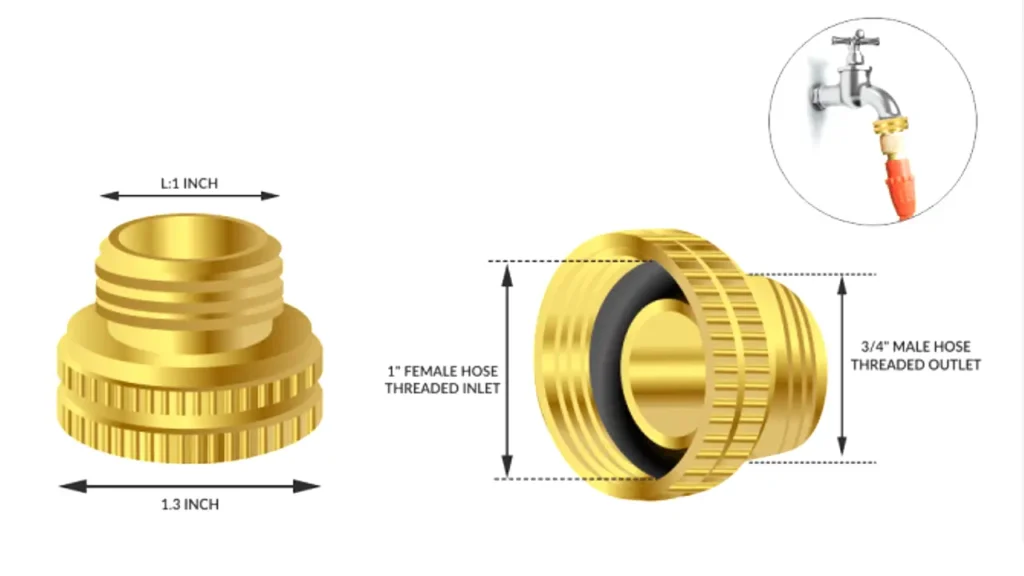
In the United States, the standard garden hose fitting is 3/4-inch GHT. GHT stands for Garden Hose Thread. It uses straight threads with 11.5 threads per inch and seals with a flat washer. Most home hoses are 5/8-inch inside diameter, while 1/2-inch and 3/4-inch hose sizes are also common.
Do not mix hose size with fitting size. Hose size is the inner diameter of the flexible tube. Fitting size is the thread on the metal or plastic ends. If you ask what size are garden hose fittings, think threads first and hose diameter second.
For spigots, the outlet you see outside is male 3/4-inch GHT. Inside the wall it often connects to 1/2-inch or 3/4-inch NPT pipe. That is why adapters exist. This is the heart of what size are garden hose fittings.

GHT vs NPT vs BSP: why threads matter
Garden Hose Thread is straight and seals with a washer. National Pipe Thread (NPT) is tapered and seals with thread engagement and tape or sealant. British Standard Pipe (BSP) has a different thread shape and angle. These are not the same and usually do not mate well.
Here are the key points:
- GHT 3/4-inch has 11.5 TPI and a 60-degree thread angle. It needs a washer to seal.
- NPT 1/2-inch and 3/4-inch both have 14 TPI and use tapered threads. They need thread sealant.
- BSP 3/4-inch has 14 TPI but a 55-degree thread angle. It looks close to NPT but is different.
If you force these together, you can strip threads, crack parts, or cause leaks. Always match thread types or use the right adapter. This is the core detail behind what size are garden hose fittings and why leaks happen.

How to identify your hose and fitting size at home
You can confirm size in minutes with simple tools. A ruler, a tape measure, and your eyes are enough. If you have a caliper, even better.
Do this:
- Check the spigot or fitting label. Many outdoor faucets are marked 3/4-inch GHT.
- Measure hose inside diameter. Remove the nozzle and look at the open end. A 5/8-inch pencil will almost fill a 5/8-inch hose.
- Count threads. Lay a ruler along the threads. If you see about 11 to 12 threads in one inch on a 3/4 fitting, it is likely GHT.
- Look for the washer. A flat washer in the female fitting is a GHT sign. Tapered pipe threads do not use flat washers.
- Take a known good cap. A 3/4-inch GHT cap will spin on a GHT spigot by hand and seat on the washer.
If you still need help, bring the part to a hardware store. Staff can match threads fast. I do this when I get odd imports. Asking what size are garden hose fittings is easy to answer when you can compare parts in hand.

Flow, pressure, and size: picking the right hose and connector
Hose inside diameter sets how much water you can move. A 3/4-inch hose allows more flow with less pressure drop than a 5/8-inch hose of the same length. A 1/2-inch hose has the lowest flow and is best for short runs or light tasks.
Use this simple guide:
- 1/2-inch hose: short runs, hand watering, small yards.
- 5/8-inch hose: best all-around choice for homes.
- 3/4-inch hose: long runs, high-flow needs, sprinklers, filling pools.
Every fitting adds small losses. Long runs, kinks, and cheap quick-connects reduce flow. Use full-bore fittings for best results. When you plan your setup and ask what size are garden hose fittings, think about the job and the flow you need.

Adapters, quick-connects, and specialty fittings
Adapters bridge different thread types. Common ones convert 1/2-inch NPT or 3/4-inch NPT to 3/4-inch GHT. If you have European gear, look for BSP to GHT adapters. Many brands sell them in brass or nylon.
Quick-connect sets save time. Choose full-flow designs with brass bodies and Viton or EPDM O-rings. They should state 3/4-inch GHT on both ends. For splitters, a Y valve with 3/4-inch GHT threads will fit most spigots and hoses.
Repair kits help you fix damaged ends. A mender slides into the hose and clamps down. Buy the mender that matches your hose inside diameter and the proper thread on the end. If a reader asks what size are garden hose fittings, adapters are often the missing piece.
Materials, durability, and maintenance
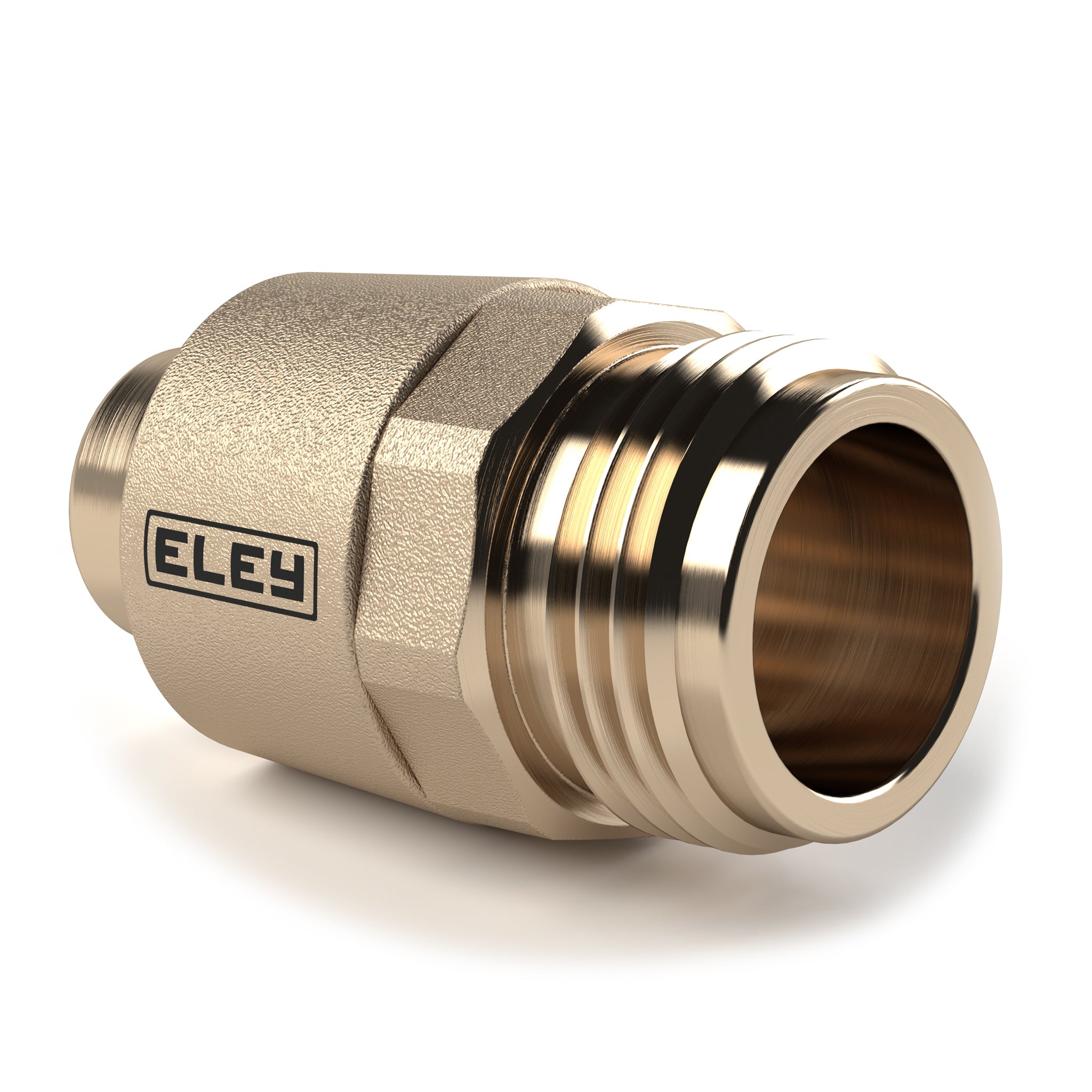
Material choice affects life and safety. Brass lasts and resists UV and heat. Lead-free brass is best for potable water. Stainless steel is strong and resists corrosion but costs more. Plastic is light and cheap but may crack in cold or under strain. Aluminum is light, yet it can gall on brass threads if dry.
Keep parts clean and lubed. Replace flat washers each season or when you see drips. Hand-tighten only. Use thread tape only on NPT threads. Do not use tape on GHT, as it should seal on the washer. When in doubt about what size are garden hose fittings, check markings on the coupling body.
Common mistakes and my field notes
I have seen three mistakes over and over. The first is mixing NPT and GHT. It feels close for a turn or two, then locks and leaks. The second is skipping the washer or reusing a cracked one. The third is buying the wrong hose diameter for long runs.
What works well is simple. Keep spare 3/4-inch GHT washers on hand. Mark adapters with a paint pen so you know which is which. Use brass quick-connects for daily use. Test new parts on a short hose first. If you are unsure what size are garden hose fittings, match one known good part to your setup before you buy a full set.
Frequently Asked Questions of what size are garden hose fittings
What size are garden hose fittings in the U.S.?
Most garden hose fittings in the U.S. are 3/4-inch GHT with 11.5 TPI. Hoses are usually 5/8-inch inside diameter for home use.
Are GHT and NPT the same size?
No. GHT is straight thread and seals with a washer, while NPT is tapered and seals on the threads with tape or paste. They need an adapter to connect.
How do I tell if I have 5/8-inch or 3/4-inch hose?
Remove the end and measure the opening of the hose. A 5/8-inch hose has a smaller opening than a 3/4-inch hose and feels lighter.
Will a European 3/4-inch fitting work on a U.S. spigot?
Not directly. Many European fittings are BSP, which is different from U.S. GHT, so you need a BSP-to-GHT adapter.
Why does my new hose leak at the spigot?
It may be missing a flat washer or the washer is worn. Check that both sides are 3/4-inch GHT and hand-tighten until snug.
Can I use thread tape on garden hose fittings?
Use tape on NPT pipe threads only. Do not use tape on GHT connections, as they seal with a flat washer.
What is the thread pitch on 3/4-inch garden hose fittings?
It is 11.5 threads per inch on GHT. That is different from 3/4-inch NPT, which is 14 TPI.
Conclusion
You now know the key facts that answer what size are garden hose fittings. In the U.S., fittings are 3/4-inch GHT, hoses are often 5/8-inch inside diameter, and GHT is not the same as NPT or BSP. Match the thread, pick the right hose size for your run, and keep fresh washers on hand.
Put this to work today. Check your spigot, hose, and nozzle. Note the thread marks, replace worn washers, and add the adapters you need. Want more tips on hoses and outdoor water gear? Subscribe for updates or leave a question and I will help you solve it.