What Diameter Is A Garden Hose: Sizes, Flow, 2026 Guide
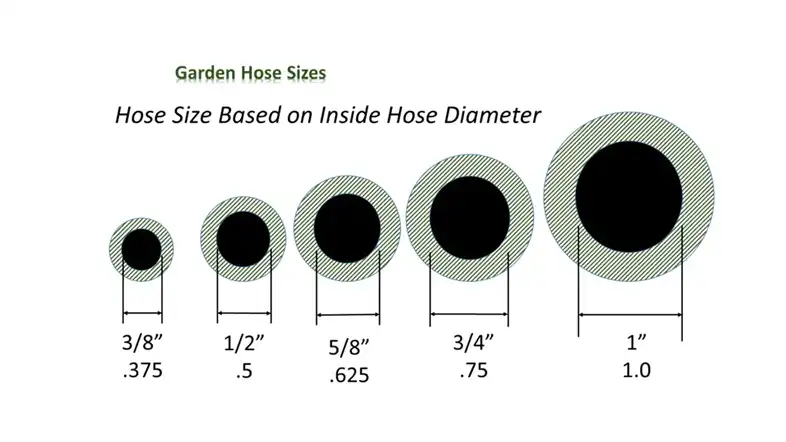
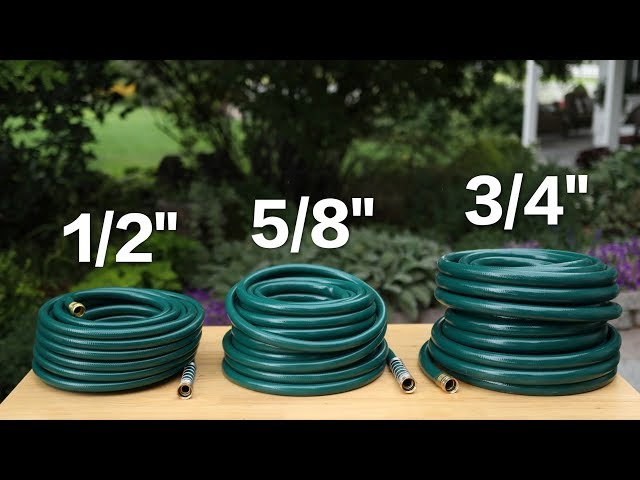
Most garden hoses measure 1/2 inch, 5/8 inch, or 3/4 inch in diameter.
If you have ever asked what diameter is a garden hose, you are not alone. I have installed, tested, and trimmed more hoses than I can count, from compact patio setups to long farm runs. In this guide, I will explain the sizes, what they mean for flow and pressure, and how to choose the right one for your yard.
What hose diameter means and why it matters
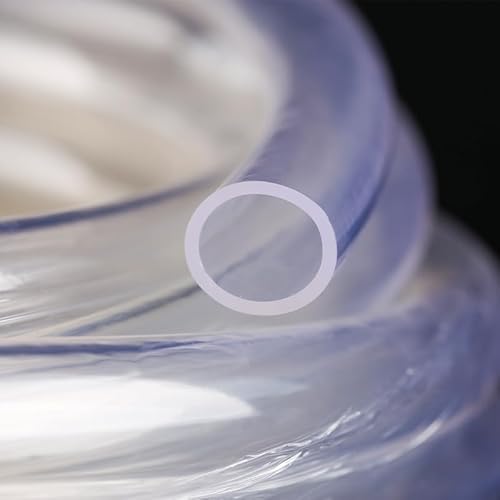
Garden hose diameter refers to the inner diameter, not the outer diameter. It tells you how wide the water path is inside the hose. A larger inner diameter lets more water move with less friction.
Most home hoses use three standard sizes:
- 1/2 inch
- 5/8 inch
- 3/4 inch
The 5/8 inch hose is the most common for home use. If you want to know what diameter is a garden hose for your task, think about how much water you need and how long your hose run will be. Bigger diameter supports higher flow, which helps at longer lengths and for high-demand tools like sprinklers.

Standard garden hose sizes and best uses
Each size has trade-offs in flow, weight, and control. Here is how they compare in real use.
-
1/2 inch
- Light and easy to handle. Great for short runs and hand watering.
- Good for balconies, small beds, and gentle flow needs.
- Typical flow can be about 5 to 9 gallons per minute at city pressure and short lengths.
-
5/8 inch
- The best all-around size for most yards.
- Supports nozzles, sprinklers, and filling tasks without feeling too heavy.
- Typical flow can be about 10 to 15 gallons per minute at short lengths.
-
3/4 inch
- High volume for long runs, large sprinklers, or quick filling.
- Heavier and stiffer, but it keeps pressure better at 100 feet or more.
- Typical flow can be about 15 to 25 gallons per minute at short lengths.
These flow numbers depend on your faucet pressure and hose length. If you want to compare apples to apples for what diameter is a garden hose, also check total length, fittings, and any narrow quick-connects that may choke flow.
How diameter affects water flow, pressure, and reach
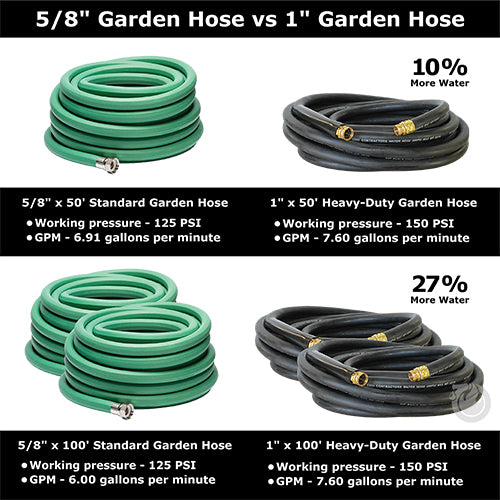
Water meets friction as it moves. The longer the hose, the more drop you get. A wider path reduces friction, so a 3/4 inch hose will keep more pressure at the far end than a 1/2 inch hose.
A simple rule I use on jobs:
- Under 50 feet and light use: 1/2 inch or 5/8 inch is fine.
- Over 50 feet, or low city pressure, or sprinkler use: 5/8 inch or 3/4 inch is better.
- Over 100 feet, high-demand tools, or multiple sprinklers: 3/4 inch helps a lot.
From my own tests, a 5/8 inch hose drove an impact sprinkler well at 75 feet. The same sprinkler on a 1/2 inch hose only misted the edges. If you wonder what diameter is a garden hose for strong sprinkler performance, go up a size, or shorten the run.
Matching hose diameter to your spigot, nozzles, and tasks
Most outdoor spigots in the US use 3/4 inch GHT threads. That number refers to the thread standard, not the hose inner diameter. You can attach a 1/2, 5/8, or 3/4 inch hose to the same spigot because the fittings match the thread.
Pick diameter for the job:
- Hand watering with a spray nozzle: 5/8 inch handles most needs, 1/2 inch for very short runs.
- Sprinklers or oscillators: 5/8 inch for up to 50–75 feet, 3/4 inch for longer or for multiple heads.
- Filling pools, tanks, or large barrels: 3/4 inch saves time.
- Pressure washer supply hose: 5/8 inch or 3/4 inch keeps the unit fed; check the manual.
If your search is what diameter is a garden hose for your yard, match both the task and the distance. Avoid long, narrow hoses for high-flow tools.

Materials, weight, kink resistance, and burst pressure
Diameter is only part of the story. Hose build matters for ease of use and safety.
-
Materials
- Vinyl is light and cheap but kinks more and can get stiff in cold.
- Rubber is tough, flexible, and handles heat but is heavier.
- Hybrid polymer blends are flexible, light, and kink resistant. Good for most homes.
-
Kink resistance
- Larger diameter can kink less under flow but more when empty.
- Look for reinforcement layers and crush-proof couplings.
-
Burst pressure
- Many hoses are rated 300 psi or more. City water is often 40–60 psi.
- Do not exceed ratings. Do not leave closed nozzles in hot sun. Heat can raise pressure.
-
Weight
- 3/4 inch hoses can be heavy at 100 feet.
- If weight is a concern, choose a 5/8 inch hybrid polymer.
Knowing these build traits helps answer what diameter is a garden hose that will also be comfortable and safe for daily use.

How to measure and identify hose diameter at home
You can confirm the size in a few simple steps.
- Check markings on the hose jacket. Most list 1/2, 5/8, or 3/4 inch.
- Measure the inner opening at the cut end or the female fitting using a ruler. Do not measure the outer jacket.
- Use coins or a drill bit gauge to compare the opening if you lack a ruler.
- Bring a short piece to the store to match fittings, washers, and quick-connects.
If your aim is what diameter is a garden hose you already own, this quick check takes two minutes and avoids mismatch with nozzles or splitters.

Common mistakes, pro tips, and cost considerations
I see the same errors each season. Here is how to avoid them.
-
Common mistakes
- Buying a 1/2 inch hose for a 100-foot run and wondering why the sprinkler is weak.
- Confusing 3/4 inch thread with 3/4 inch inner diameter.
- Using narrow quick-connects that undo the benefit of a larger hose.
- Coiling hoses tight on a hot day, which sets kinks.
-
Pro tips
- Keep hoses as short as you can. Add a 3/4 inch leader hose from the spigot to a splitter, then run 5/8 inch lines to tools.
- Use full-bore Y-splitters and valves to protect flow.
- Store hoses on a reel or wide hooks and drain them before winter.
- If low pressure is a problem, step up one size or shorten the run.
-
Cost
- 1/2 inch is the least expensive but can limit performance.
- 5/8 inch offers the best value for most homes.
- 3/4 inch costs more and weighs more but saves time on big tasks.
If you are still asking what diameter is a garden hose for your setup, price should be a factor, but do not ignore flow needs. Time saved on chores often pays for the upgrade.
Frequently Asked Questions of what diameter is a garden hose
What diameter is a garden hose for most homes?
Most homes use 5/8 inch because it balances flow and weight. It works well for nozzles, sprinklers, and general watering.
What diameter is a garden hose for long runs over 100 feet?
Use 3/4 inch to reduce pressure loss over long runs. It will keep sprinklers and filling tasks strong.
What diameter is a garden hose if I only hand water small beds?
A 1/2 inch hose is fine for short runs and gentle control. It is light and easy to coil.
What diameter is a garden hose for a pressure washer supply?
Check your unit, but 5/8 inch or 3/4 inch is usually best. It helps prevent starvation and pressure drop.
What diameter is a garden hose if my city pressure is low?
Go up one size or shorten the hose. A 3/4 inch line can help keep flow steady with low pressure.
What diameter is a garden hose for filling a pool faster?
Use 3/4 inch if you have one. It can cut fill time compared to 1/2 inch or 5/8 inch.
Conclusion
Choosing the right size comes down to flow, distance, and comfort. If you want a one-hose answer, pick 5/8 inch. If you need long runs, fast fills, or big sprinklers, step up to 3/4 inch. For small patios, 1/2 inch works great and stays light.
Measure your setup, match the task, and buy once. Put this guide to work today: check your hose markings, note your run length, and pick the best diameter for the job. Have questions or a success story? Leave a comment and share what worked for you.