Tools For Clam Digging: Essential Gear Guide 2026
A solid clam shovel or rake, a clam gun, mesh bag, gauge, gloves, and waders.
I have spent dawn lows on New England flats and storm-timed Pacific surf runs. The right tools for clam digging make the work safer, faster, and kinder to the beach. In this guide, I break down the full kit, how each tool fits sand or mud, and how to use them well. If you want the best tools for clam digging and a field-tested plan, you are in the right place.
The essential tools for clam digging
The best tools for clam digging cover digging, carrying, measuring, and safety. Your kit should match the beach, the species, and the tide. Start light, then add what your local spot demands.
Core digging tools:
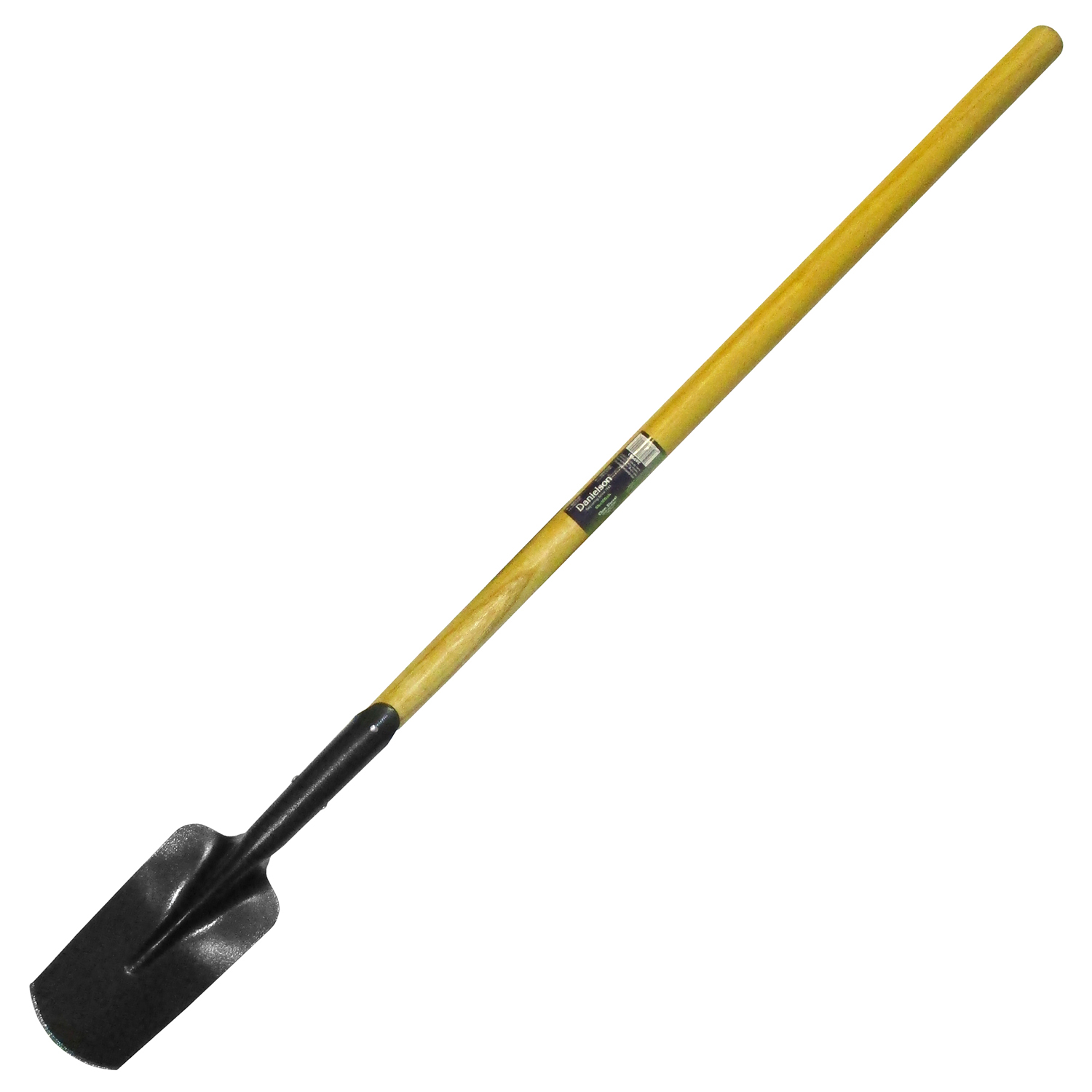
- Clam shovel. A narrow, long-handled shovel for sand and mud. Stainless steel holds up to salt and rocks.
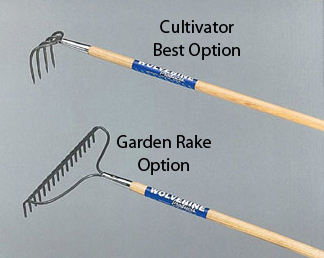
- Clam rake. Short, sturdy tines for top-layer raking on flats. Great for quahogs and littlenecks.
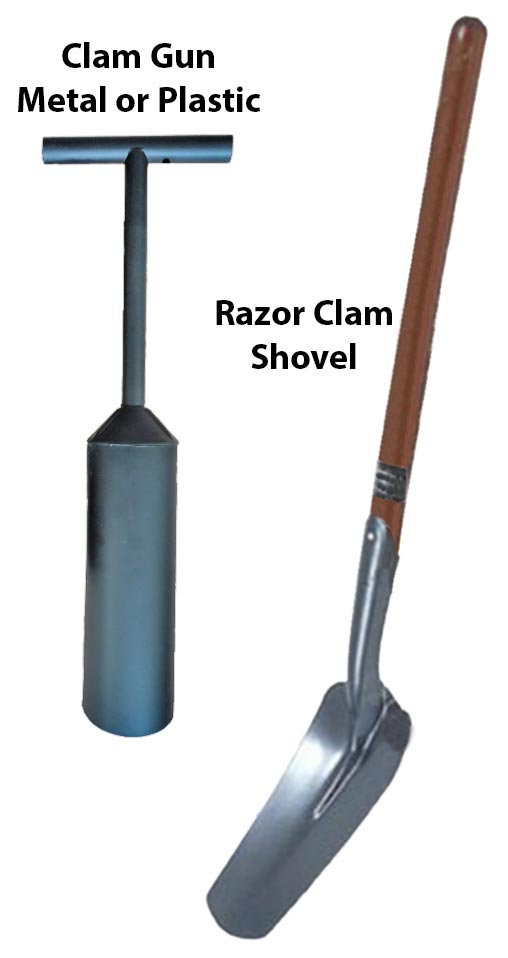
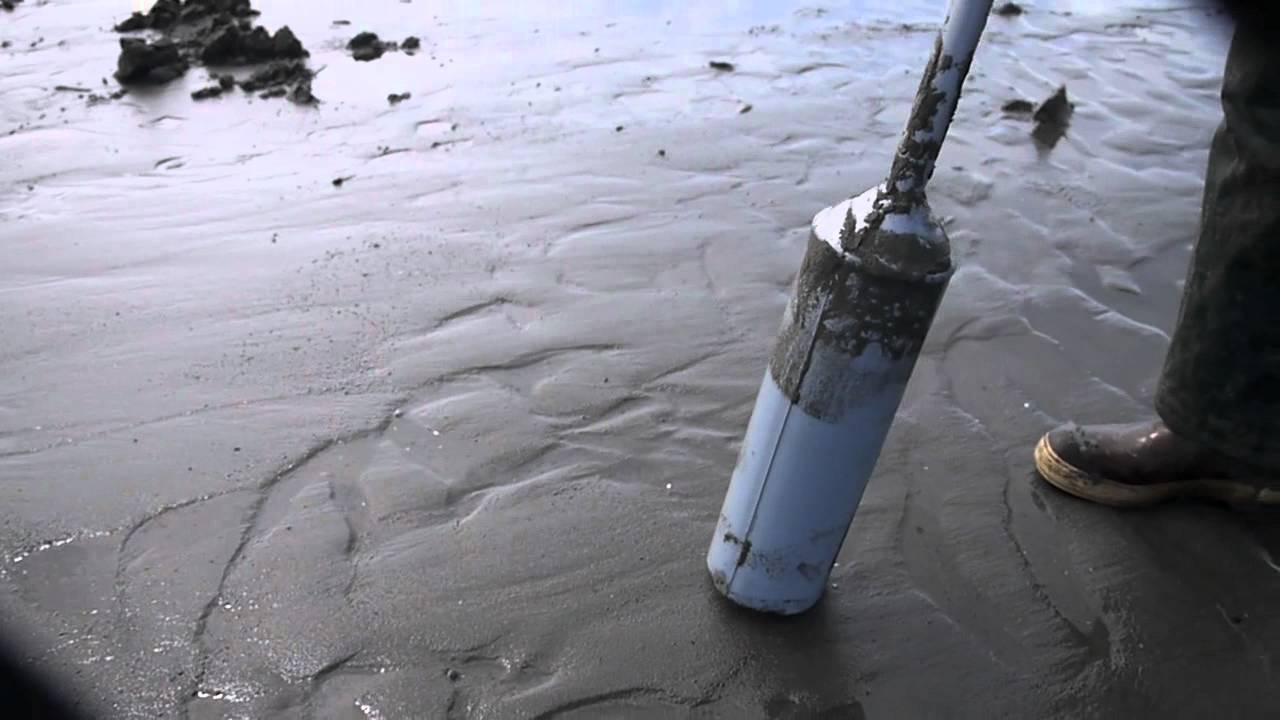
- Clam gun. A tube that pulls a sand core for razor clams. Aluminum guns are strong. PVC guns are cheap and light.
- Hand trowel or garden fork. Good for kids or tight gravel.
Carry and measure:
- Mesh bags or baskets. They drain fast and keep sand out of your cooler.
- Legal measuring gauge. A fixed gauge stops guesswork and fines. Keep it in your pocket.
- Cooler with ice. Chill clams right away for safety and flavor.
Clothing and safety:
- Waders or tall boots. Cold water zaps energy fast. Neoprene keeps you warm.
- Gloves. Cut-resistant gloves protect from shells and glass.
- Headlamp. Early lows and night runs need light. Use red mode to keep night vision.
- Tide chart app and local rules. They matter more than any tool.
Nice-to-have extras:
- Probe rod or dowel. Finds pockets in sand without big holes.
- Small hand pump. Clears water from a hole to see a neck or shell.
- First-aid kit. Add bandages and vinegar for stings.
These tools for clam digging work as a system. Build a kit that fits your beach first. Then upgrade as your skills grow.
Match the tool to the sand and the clam
Not all clams or beaches ask for the same tool. I learned this the hard way after breaking two cheap shovels in gravel.
- Razor clams in clean surf sand. Use a clam gun or narrow shovel. Move fast. Sand fills in quick.
- Softshell/steamers in mud. Use a shovel, then hands. Go slow to avoid split shells.
- Littleneck and quahog in firm sand or gravel. Use a rake to skim and feel for hard shells.
- Geoduck in deep sand-mud. Heavy shovel and long arm strength. Dig a shaft and work by hand.
Sand types and tool picks:
- Fine sand. Clam gun and narrow shovel shine. Aluminum guns release the core clean.
- Mud. Broad shovel and gloves. Mesh bags can clog; use a rigid basket.
- Gravel or shell hash. Strong rake and stainless shovel. PVC tools crack here.
Think of tools for clam digging like shoes. One size does not fit all. Pick for terrain and task.

How to use your tools well and protect the resource
Good use saves time and saves clams. Here is a simple flow that works for me.
Step-by-step field method:
- Read the beach. Look for shows: small dimples, keyholes, or squirts.
- Mark the spot with your boot.
- For razors, place the clam gun slightly offset from the show. Twist as you push down.
- Pull the core. Dump it to the side. Check fast. Repeat once if needed.
- For steamers, dig a trench on one side. Reach in with hands to free the clam.
- For quahogs, rake in short pulls. Listen and feel for the clink of shell.
- Measure each clam with your gauge. Keep only legal size.
- Refill holes to protect the flat and other diggers.
Quick answers to common field questions:
- How deep should I dig for razor clams? Often 6 to 12 inches. Big ones can sit deeper after a wave set.
- Can I clam at night? Yes where legal. Use a headlamp and watch the tide swing.
- What gauge size do I need? It depends on species and state rules. Carry the right one for your area.
Mistakes to avoid:
- Stabbing straight down. You will crack shells. Trench the side instead.
- Holding clams in a sealed bucket. They suffocate. Use mesh so they breathe.
- Ignoring the surf. One set can swamp you. Keep an eye on the horizon.
Use tools for clam digging with care. Your speed and success will jump, and the beach will thank you.
Care and maintenance that make tools last
Saltwater eats gear. A few minutes after each trip saves money.
- Rinse with fresh water. Pay attention to joints, springs, and seams.
- Dry before storage. Rust sneaks in overnight.
- Oil moving parts lightly. Use food-safe oil on anything that touches clams.
- Sharpen shovel edges. A smooth, keen edge slices sand clean.
- Check handles and bolts. Tighten before they fail in the surf.
- For PVC clam guns. Inspect for hairline cracks. Replace before they snap under load.
I track tool use with a small tag in my kit. If a tool fails twice, I upgrade. Reliable tools for clam digging pay for themselves in time and safe harvests.

Safety, ethics, and rules
Clamming looks simple. The ocean reminds us it is not.
Safety basics:
- Know the tide window. Plan your walk out and back.
- Dress for immersion. Cold water steals heat fast.
- Use the buddy rule. Surf beaches change in minutes.
- Watch for harmful algal bloom advisories. Harvest only when open.
Ethics and best practice:
- Take only what you will eat. Limits exist for a reason.
- Refill holes and pack out trash.
- Handle clams gently. Broken clams count toward your limit in many places.
Regulations change by beach and by day. Before you go, check your local agency site, posted signs, and hotline updates. Keep your license on you. Tools for clam digging are only half the story. The other half is knowing the law and the water.

Budget vs premium: real-world picks and lessons learned
You can start on a budget. Then decide what to upgrade based on your spot.
- Entry kit. PVC clam gun, mesh bag, plastic gauge, basic gloves. Cheap and light. Good for soft sand.
- Mid kit. Aluminum clam gun or stainless shovel, strong rake, better gloves. Lasts longer. Handles mixed terrain.
- Pro kit. Marine-grade shovel, premium gun with vent control, high-cut waders, waterproof headlamp. Built for rough surf and long seasons.
What I learned:
- Buy one strong shovel first. It works in most places.
- Spend on waders if your water is cold. Comfort means better focus and safer choices.
- A vented aluminum gun with a side handle saves your back and pulls cleaner cores.
DIY note:
- A PVC clam gun is easy to make. Use schedule 40 or 80, glue well, and add a vent. It will not love gravel, but it digs fast sand fine.
Choose tools for clam digging with your beach in mind. Premium does not always mean better for your needs.

Packing list and quick checklist
Use this simple list before you leave the car.
- Tools. Shovel or rake, clam gun, gauge.
- Carry. Mesh bags, basket, cooler with ice.
- Safety. Waders, gloves, headlamp, first-aid kit.
- Info. Tide chart app, license, current rules.
- Extras. Probe rod, hand pump, small towel, water, snacks.
Run this list every time. Tools for clam digging help only when they are in your hands, not in your garage.
Read the beach: timing and conditions
Clams move and hide with tides, light, and waves.
- Tides. Best digging is often at the lowest tide. Minus tides open more ground.
- Shows. Look for dimples, keyholes, squirts, or a small surface crack.
- Waves and surge. Between sets, sand loosens. That is your moment to dig.
- Wind and swell. Big swell hides shows. Calm mornings reveal more signs.
- Water clarity. Clear water helps you spot squirts and necks in holes.
Use your eyes, not just your tools. Tools for clam digging do the heavy work. Reading the beach tells you where to start.

Troubleshooting common problems
Every dig teaches something. Here are quick fixes that helped me.
- Sand collapses on razors. Widen the hole, dig offset, and pull faster. Use a vented gun.
- You crack shells often. Stop stabbing. Trench, then use hands to free the clam.
- Gear rusts fast. Rinse, dry, and oil. Store off the garage floor in a dry bin.
- Mesh bag clogs with mud. Switch to a rigid basket on muddy flats.
- Back or shoulder pain. Shorten sessions. Use a side-handled gun. Switch hands and stretch.
Keep notes after each trip. Small tweaks to tools for clam digging add up to big wins over a season.
Frequently Asked Questions of tools for clam digging
What is the single best tool for beginners?
A narrow stainless shovel is the most versatile. It works for sand and mud and teaches good technique.
Do I need a clam gun or can I use a shovel for razors?
You can use a shovel, but a clam gun is faster in soft sand. It also reduces shell damage when used well.
How many mesh bags should I bring?
Bring at least two. Split your catch so you can rinse and carry more easily.
How do I keep clams alive until I cook them?
Keep them cool and damp in a breathable bag over ice, not in fresh water. Cook within 24 hours for best taste.
Are gloves necessary?
Yes. Gloves prevent cuts from shells and debris. They also keep your hands warm and reduce fatigue.
What size measuring gauge should I carry?
Carry the legal size for your target species and area. Laws vary, so confirm before each trip.
Can I dig clams year-round?
In some places yes, but openings change with conditions and tests. Check current advisories and seasons each time.
Conclusion
Great clamming is simple: choose the right tools, time the tide, and work with care. Build a small, strong kit, learn your local sand, and use a gauge every time. Your success and safety will jump, and the flats will stay healthy.
Pack your tools for clam digging the night before your next low tide. Try one upgrade that fits your beach, and note the results. Ready for more field tips and gear tests? Subscribe, share your wins, or drop a question so we can dig in together.