Ergonomic Hand Tools For Seniors: Top Picks For 2026
If you’ve ever struggled to open a stubborn jar lid or felt a sharp twinge in your wrist just from turning a key, you know how much everyday tasks can drain your energy. That’s not a minor inconvenience — it’s a real barrier to living independently. Ergonomic hand tools for seniors are designed to solve exactly this problem: they add leverage, reduce strain on finger joints, and protect your hands from the wear and tear of daily life.
In this guide, we’ll break down what actually makes a tool ergonomic, which features matter most for arthritis and weak grip, and review the best picks available in 2026. We’ll also cover practical strategies for building hand strength and protecting your joints long-term. You can also read our guide on how to water lawn efficiently.
What Makes a Hand Tool Truly Ergonomic?
A tool can claim to be “ergonomic” without earning the label. Here’s what to look for when evaluating any product:
Key ergonomic features that matter:
- Larger handles — These spread pressure across your palm instead of concentrating it on finger joints
- Non-slip grip surfaces — Essential for damp hands or reduced grip strength
- Extended levers — Longer tool arms multiply your turning force, so you exert less effort
- Palm-based leverage — Tools that let you push with your forearm and body weight are far gentler than those requiring finger pinching
The National Institute for Occupational Safety and Health has documented how repetitive hand strain can lead to chronic conditions, making proper tool design not just a comfort issue but a health one. When shopping, physically test the grip if possible, or check reviews specifically from users with arthritis.
How to Choose the Right Ergonomic Tools for Your Needs
Before buying anything, take a quick inventory of your daily struggles. This simple assessment will save you money and drawer space:
Ask yourself these questions:
- What tasks do you perform most often? (Opening jars, turning keys, reaching high shelves)
- Which movements currently cause pain? (Twisting, pinching, bending)
- How severe is your grip strength reduction?
- Do you have a medical condition like arthritis or carpal tunnel?
Once you know your priorities, match tools to your specific needs. A kitchen-focused set makes sense if food prep dominates your day, while a mobility-focused kit works better if reaching and bending are your main challenges. For more on this, see our guide on digging hand tools.
Top Ergonomic Kitchen Tools for Seniors
Otstar 6-in-1 Jar & Bottle Opener Set
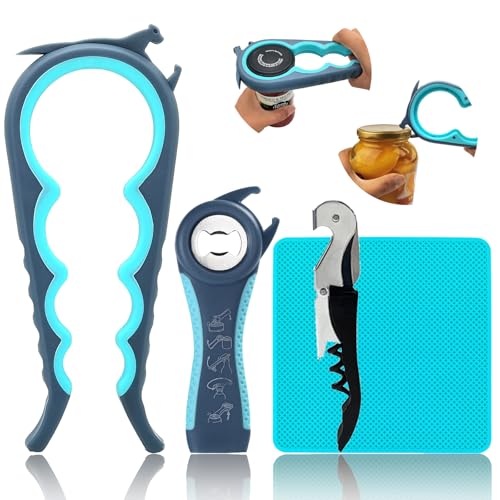
The Otstar handle is designed to fit naturally in the palm, reducing finger strain.
This all-in-one set covers jars, bottles, tabs, and caps with a single device. The gripper pad adds friction on smooth lids, while the curved handle lets you generate power from your palm and forearm rather than your fingertips.
What makes it work:
- Six functions reduce the need to fumble with multiple tools
- Textured, non-slip surfaces maintain control even with damp hands
- The wide jaw range accommodates everything from pickle jars to soda caps
Trade-offs to consider:
- Bulkier than single-purpose openers
- Very tiny caps may still require a more precise tool
- The corkscrew needs basic hand coordination to operate
Bottom line: This is the best starting point if you want one tool that handles most kitchen jobs without constant swapping.
Ergo Water Bottle Opener (3-Pack)

Each opener slips over standard bottle caps for instant, pain-free turning.
Plastic bottle caps are a frequent frustration for seniors with weak grip. This simple device slides over the cap and gives you immediate torque. The slim profile fits easily into a pocket or purse, and the material grips well without damaging the cap.
Why it’s useful:
- Three openers let you keep one in the kitchen, one in the car, and one in a travel bag
- Eliminates the pinch motion that strains finger joints
- Weighs almost nothing and rinses clean easily
Limitations:
- Only designed for plastic twist-off caps
- Can lose its grip if stretched by heat over time
- Not a solution for jars or metal lids
Bottom line: If bottled water or sports drinks are part of your routine, this low-cost solution delivers immediate relief.
Rotating Jar Opener (2-Pack)

The clamp action multiplies your force, making tight lids significantly easier to turn.
This clamp-style opener adjusts to fit a range of cap sizes. The non-slip surfaces maintain contact with shiny metal lids, and the rotating design lets you twist with your wrist in a natural position.
Standout features:
- Adjustable jaws handle narrow bottles and mid-size jars
- Two-pack covers both kitchen and travel needs
- Compact enough to store in a drawer
Considerations:
- Best suited to round, standard lids
- Very wide jars may exceed its range
- Requires a small setup step to clamp correctly
Bottom line: This is a precision tool for seniors who prefer adjustable, compact solutions over bulky multi-gadgets.
Brenium Bottle & Can Opener (2-Pack)

This versatile opener handles pull tabs, twist-offs, and bottle caps with minimal effort.
Daily life involves more than just jars. This two-pack handles pull tabs on soup cans, plastic twist-off caps, and traditional bottle caps. The design protects your nails and reduces finger strain during repetitive tasks.
Practical benefits:
- Covers the most common kitchen openers in one set
- Gentle on nails when lifting can tabs
- Simple, intuitive design requires no learning curve
Drawbacks:
- Not intended for wide jar lids
- May slip on wet metal surfaces
- Limited leverage compared to dedicated jar tools
Bottom line: This is a smart companion to a dedicated jar opener for complete kitchen coverage.
Best Mobility and Reach Tools
32-Inch Reacher Grabber Tool (2-Pack)

Reacher tools extend your range significantly, reducing the need to bend or stretch.
This foldable reacher extends your arm by 32 inches, allowing you to grab items from high shelves or the floor without dangerous bending. The suction-cup style tips grip smooth surfaces effectively, and the trigger requires only modest hand strength.
Where it shines:
- Two-pack covers indoor and outdoor needs
- Folds for compact storage near chairs or beds
- Lightweight design suitable for extended periods of use
Limitations:
- Not built for heavy or sharp objects
- Hinges may loosen with hard use
- Lacks magnetic tips for picking up metal items
Bottom line: An essential safety tool for seniors during recovery, or whenever balance is a concern.
EZPIK Pro 36-Inch Folding Grabber

The rotating head and built-in magnets make this grabber more versatile than basic models.
This upgraded reacher offers a longer reach, a rotating gripper head, and built-in magnets for small metal items like screws or keys. The rotating jaws improve control when grabbing objects at awkward angles — a common frustration in daily life.
What makes it different:
- 36-inch span reaches under furniture and behind appliances
- Rotating head aligns with objects at any angle
- Magnets pick up screws, keys, and other small metal items
Trade-offs:
- Heavier than minimal grabbers
- Long length can feel less precise up close
- Magnets are only useful for small items
Bottom line: Choose this upgraded grabber if you need maximum reach and versatility in one tool.
Keywing Key Turner Aids (4-Pack)

The extended lever design dramatically reduces the force needed to turn a key.
Turning a stubborn door key can be genuinely painful for stiff fingers. The Keywing adds an extended handle to Yale-style flat keys, giving you more torque with less force. The setup requires no special tools, and the included color options help with quick identification.
Key advantages:
- Extended lever distributes force away from thumb joints
- Four-pack covers front doors, back doors, and mailbox keys
- Works with most standard flat keys
Considerations:
- Not compatible with thick keys or car fobs
- Adds bulk to keychains
- May not fit uncommon lock types
Bottom line: One of the best low-cost daily comfort upgrades you can make.
Building Hand Strength Safely
Roygra Grip Strength Trainer (5-Pack)

A variety of resistance tools allows you to rotate exercises and avoid fatigue.
While ergonomic tools reduce strain, gentle hand exercises can help maintain and improve grip strength over time. This five-pack offers different resistance levels and shapes for varied training.
How to use them effectively:
- Start with gentle reps while watching television or during breaks
- Keep sessions short — consistency matters more than intensity
- Rotate between different tools to avoid overworking specific muscles
Important caution: If you’re recovering from hand pain or surgery, consult a clinician before starting any resistance training program. These tools support daily function but are not medical devices.
Bottom line: Pairs well with ergonomic tools by building baseline strength that makes every other task easier.
Simple Habits That Protect Your Hands Daily
Beyond choosing the right tools, small adjustments to how you use your hands make a meaningful difference:
- Warm up before difficult tasks — Gently clench and release your fists a few times before tackling stubborn lids
- Use two hands whenever possible — Stabilize jars with one hand and turn with the other
- Avoid prolonged gripping — Take short breaks during repetitive tasks like gardening or food prep
- Keep tools in consistent locations — This reduces fumbling and awkward reaching
For those who love gardening but worry about hand strain, combining ergonomic handheld tools with proper technique matters. Learning the correct way to hold a trowel can significantly reduce wrist and finger pressure during planting season.
Maintaining Your Ergonomic Tools
Ergonomic tools only help if they remain in good working condition. Routine upkeep extends their lifespan and keeps them safe to use:
Quick maintenance checklist:
- Clean rubber grips regularly with mild soap and water
- Inspect reacher hinges monthly for signs of wear
- Replace any tool with cracked handles or compromised grip surfaces
- Store tools away from direct heat, which can degrade rubber components
Keeping your tools sharp and well-maintained also reduces the effort required for each task. A proper sharpening routine for pruners and cutting tools makes them easier to use — you can find guidance on choosing the right sharpening equipment for garden tools if that applies to your household.
FAQ: Ergonomic Hand Tools for Seniors
What makes a tool “ergonomic” for seniors?
Genuinely ergonomic tools reduce joint strain by adding leverage and spreading pressure across larger surface areas. Look for oversized handles, non-slip textures, and designs that let you engage your palm and forearm rather than just fingers.
Will ergonomic tools help with arthritis pain?
They reduce the strain placed on affected joints, which can lower pain flare-ups during everyday tasks. Choose designs that increase torque and minimize pinching movements. For chronic pain, always discuss symptom management with your healthcare provider.
Are reacher grabbers safe for daily use?
Yes, when used appropriately for light items. Reachers lower fall risk by reducing the need to bend or climb. Avoid using them for heavy objects, which could overload the tool and cause injury.
How do I choose the right jar opener?
Match the opener to the lids you encounter most. All-in-one sets handle variety but can be bulky. Clamp-style openers excel at stubborn jars. Rubber gripper pads enhance any opener’s performance. For most households, a combination of one dedicated jar opener and one multi-purpose tool provides the best coverage.
Do grip strength tools really help?
Gentle, consistent exercise can support grip strength and dexterity. Start with light resistance, maintain a regular routine, and consult a clinician if you have recent hand injuries or surgeries.
What other household tools should I upgrade?
Beyond openers and reachers, consider ergonomic garden tools, writing aids like pen grips, and larger-handled kitchen utensils. Small upgrades throughout the home compound to significant daily comfort gains.
Final Verdict: Which Tools Should You Buy?

A combination of jar openers, gripper pads, and reachers covers most daily needs.
For most seniors, a layered approach works best:
Start with one versatile tool — The Otstar 6-in-1 is the most adaptable single purchase for kitchen tasks.
Add a mobility tool — Choose the EZPIK Pro 36-inch reacher if reaching and bending are daily challenges.
Include a low-cost stabilizer — The Deofun Rubber Gripper Pads work alongside any opener to prevent slipping.
Consider a daily strength routine — The Roygra Grip Strength Trainer builds the baseline strength that makes all other tools easier to use.
The right ergonomic hand tools do more than ease pain — they restore the confidence to live independently. Start with the tools that address your most frequent frustrations, and build outward from there. Your hands — and your quality of life — will thank you.