A metal detecting digging tool lets you recover targets fast with minimal damage.
If you care about finds and the ground you hunt, the right metal detecting digging tool is not optional. I have dug on parks, farm fields, and beaches for years. This guide breaks down what works, what fails, and how to pick and use a metal detecting digging tool that suits your soil, your detector, and your goals. Read on to save time, save turf, and bring home more good targets.
Why the right metal detecting digging tool matters
Speed and clean plugs win hunts. A good metal detecting digging tool lets you cut, pry, and refill fast. You recover more targets with less effort. You also leave sites looking neat.
There is a trust factor too. Landowners and city crews judge us by our holes. Clean work keeps doors open for the hobby. Messy holes get places closed.
The right shape and steel also spare your hands. Sharp edges glide in clay. Strong spines resist roots and rocks. This means less strain and more time swinging.

Types of metal detecting digging tools
Not all ground is the same. Your metal detecting digging tool should match your soil and target depth. Here are the main types and when to use them.
Hand diggers and trowels
These are belt tools for shallow targets. They shine in parks and tight spaces.
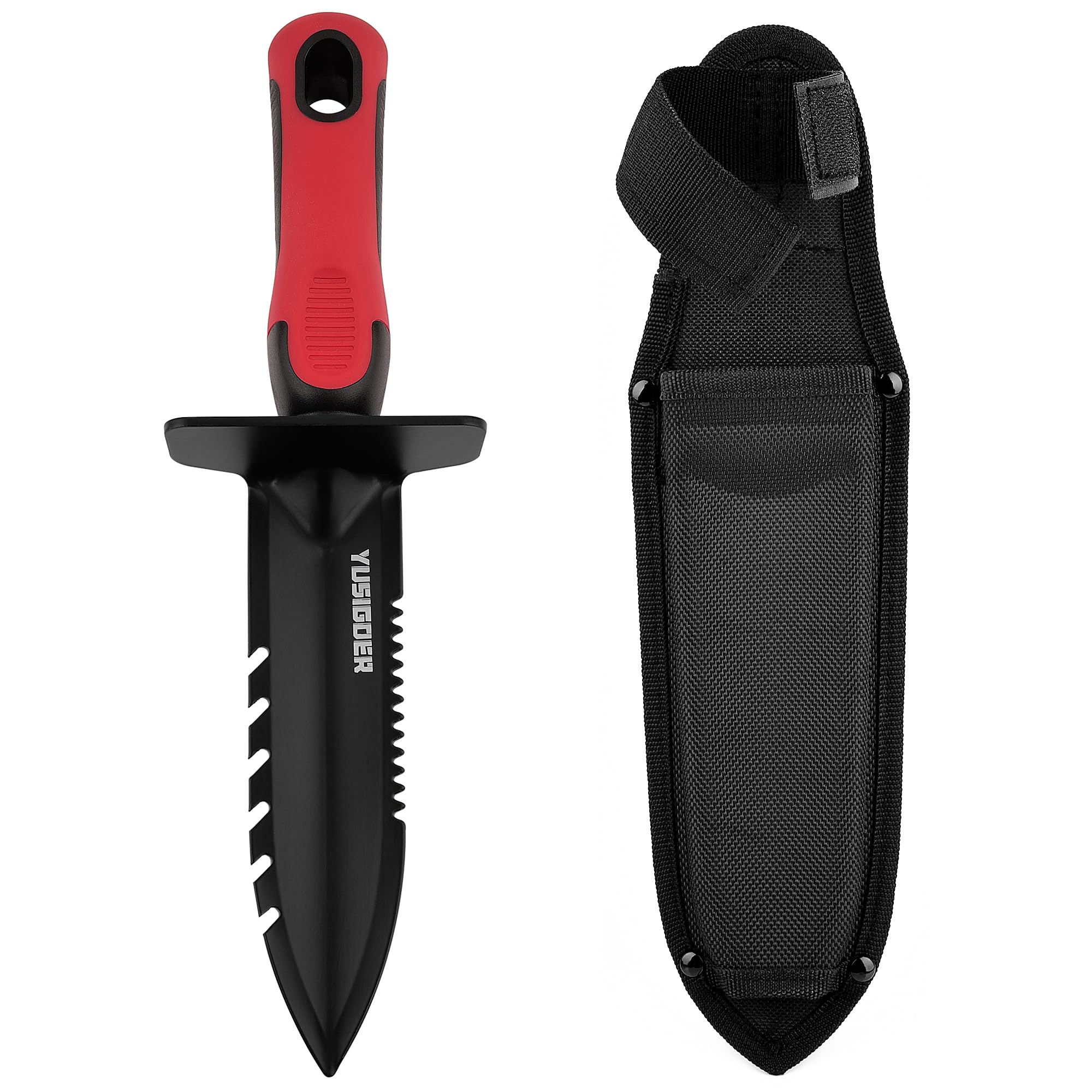
- Serrated hand digger cuts roots and plugs up to 6 to 8 inches.
- Hori hori style trowel gives a wide blade for slicing tidy plugs.
- Folding trowel packs small, but many lack the strength for rocky soil.
Shovels and spades
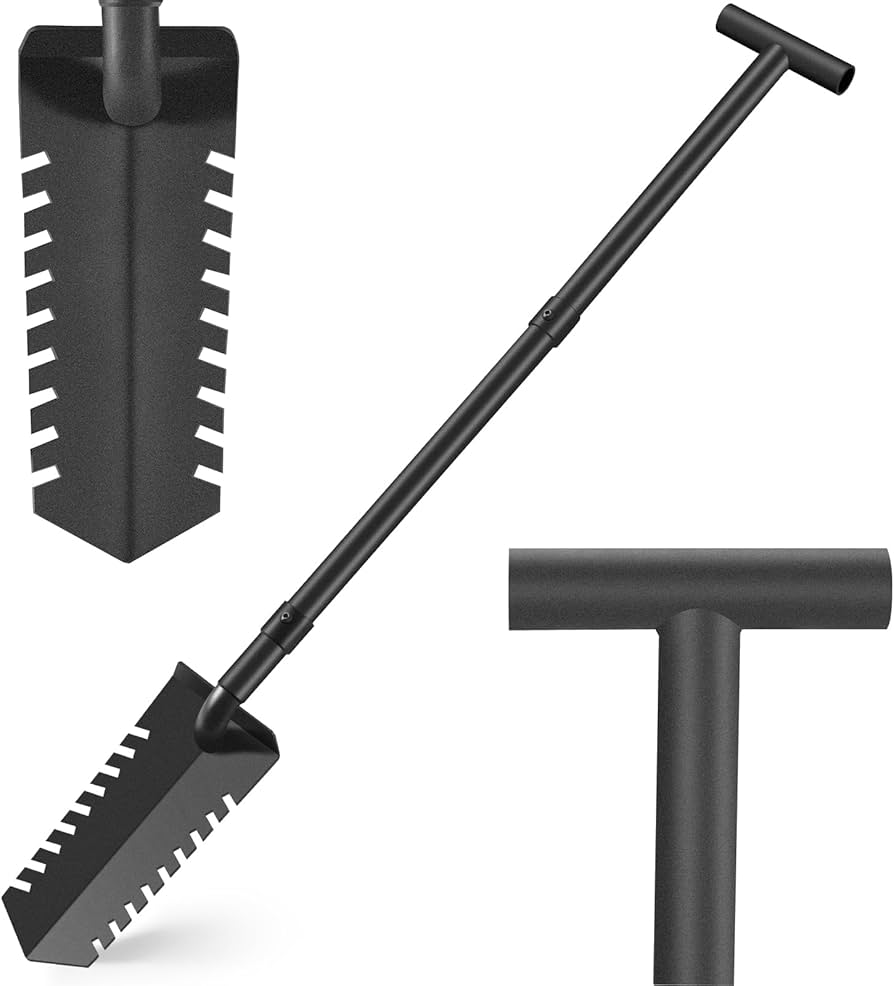
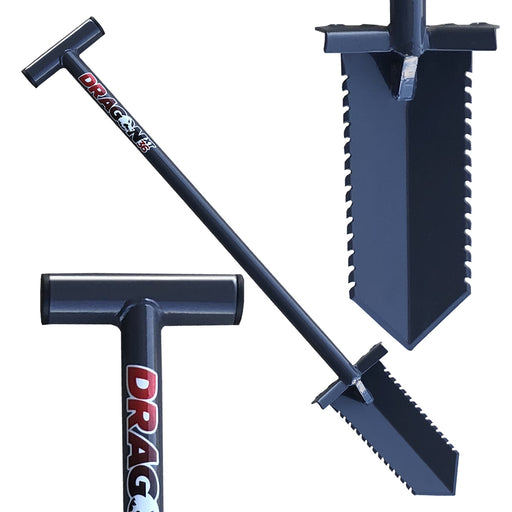
Use these when depth, clay, or fields demand power. Pick a low profile model for parks.
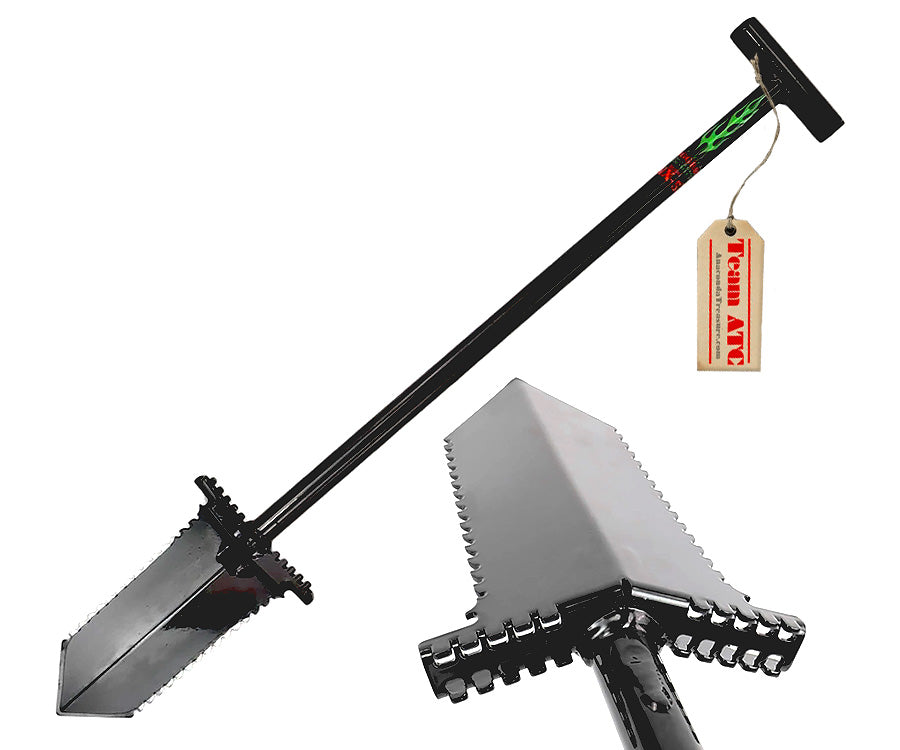
- Long-handled shovel gives leverage and saves your back on deep holes.
- Narrow spade with a V-tip slips between roots and makes slim plugs.
- D-handle offers control in tight cover and keeps your wrist relaxed.
Sand scoops
Beach hunters need speed and drainage. A scoop is the metal detecting digging tool for sand.
- Aluminum scoop is light and easy to shake out dry sand.
- Stainless scoop lasts longer in salt and rough surf.
- Long handle saves your back in the water and gives reach in waves.
Specialty tools
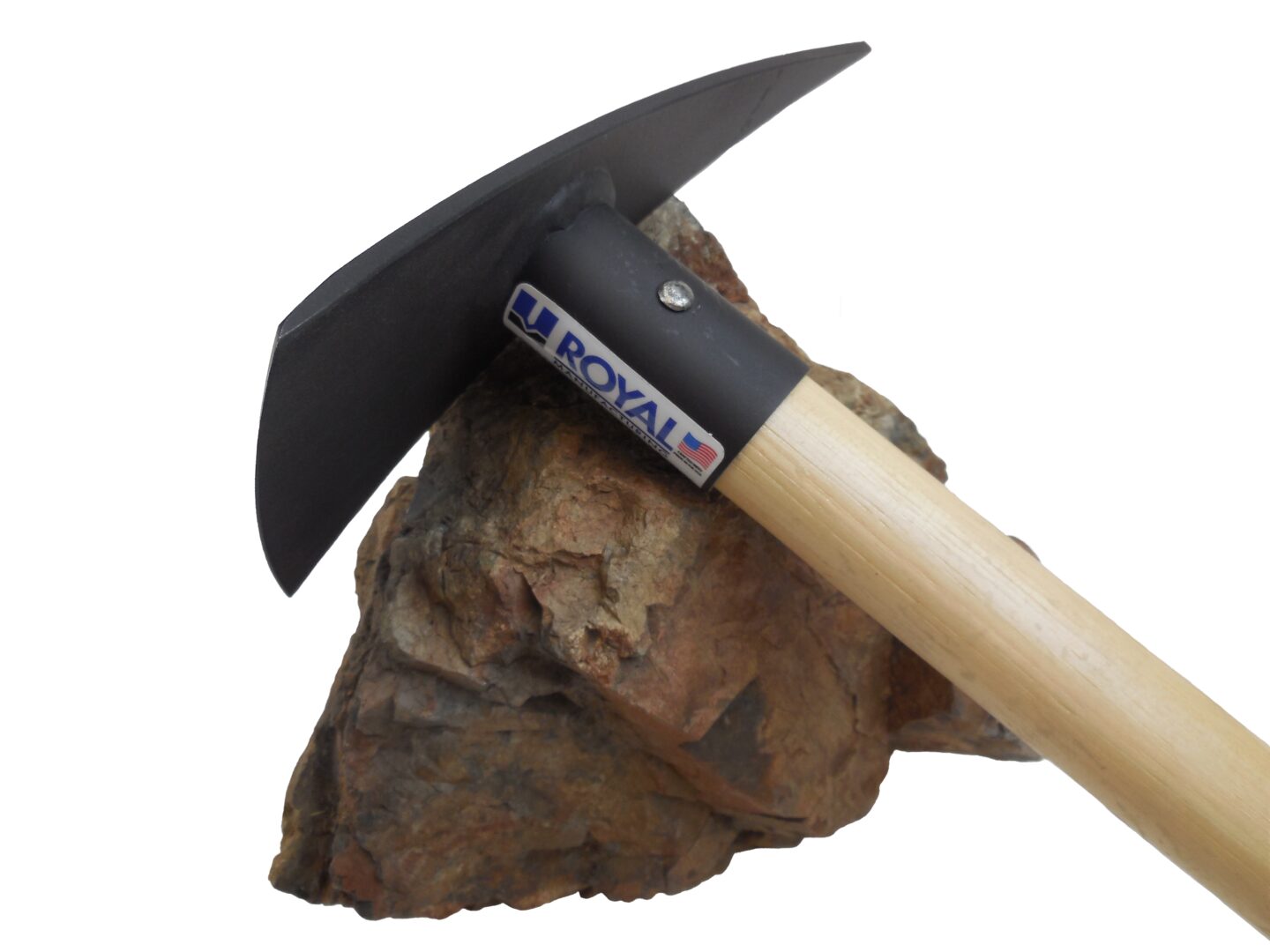
Some ground needs more than a blade. Add-ons help reduce time per target.
- Plug cutter makes uniform, round plugs that fit back like a cap.
- Root saw clears stubborn roots without prying large holes.
- Probe helps locate coins before you dig, which cuts recovery time.
Source: lmsmetaldetecting.store
How to choose the best metal detecting digging tool for your soil and sites
Start with your main sites. Park soil is not beach sand. Your metal detecting digging tool must match the ground first, then your detector.
- Soft parks and lawns: Choose a serrated hand digger and a narrow spade. Aim for clean, hinged plugs.
- Farm fields and woods: Pick a long-handled shovel with a sharp V-tip. You will meet roots and rocks.
- Freshwater and salt beaches: Get a corrosion resistant sand scoop. A long handle helps in the water.
- Hard clay or frost: Look for tempered steel with a strong spine. Soft steel bends. Sharp edges matter.
Check build details before you buy. Small features make big gains.
- Steel and temper: Many pros favor heat-treated carbon steel. It holds an edge and resists flex.
- Blade shape: A narrow, pointed blade enters fast. A wide blade lifts neat plugs.
- Grip and handle: Rubber or molded grips reduce slip. D or T handles add control.
- Sheath and carry: A good sheath keeps edges sharp and safe on your belt.
- Weight and length: Light tools move fast. Longer tools save your back on deep digs.
Budget also counts. A cheap tool that bends costs you time and a second buy. A solid metal detecting digging tool pays off over many hunts.
Digging techniques, recovery speed, and site etiquette
Your tool is only half the job. How you dig matters more. Clean work keeps the hobby welcome.
Use a simple, repeatable method for lawns.
- Pinpoint tight. Use your detector and a handheld pinpointer to shrink the dig spot.
- Cut a hinged plug: Three cuts in a C shape. Leave grass roots attached.
- Lift, recover, and refill. Place soil on a towel. Replace soil, close the flap, and press.
- Brush the grass and blend. The goal is no sign after you step back.
In fields or woods, go for small, direct holes. Avoid wide craters. In sand, scoop deep and shake. In surf, trap the target with your foot and lift under it.
Know the rules. Many parks allow detecting but require clean plugs and no large shovels. Always get permission on private land. Fill every hole, even trash targets. Pack out sharp metal and junk.
Care, maintenance, and safety
A well kept metal detecting digging tool cuts faster and lasts longer. A few minutes of care saves hours in the field.
- Keep the edge sharp. A fine file or diamond stone makes quick work.
- Clean after each hunt. Wipe off dirt and salt. Dry to prevent rust.
- Oil lightly. A thin coat on the blade and serrations helps in wet soil.
- Check bolts and welds. Tighten loose parts before they fail in the field.
- Store with a sheath. Protect edges and your gear bag.
Stay safe with smart habits.
- Wear gloves. They protect from glass, nails, and brambles.
- Watch your feet. Cut away from boots. Use steady footing on slopes.
- Mind utilities. Never dig where lines may run. Follow local marking rules.
- Pace yourself. Use legs, not your back. Switch hands to reduce strain.

Source: amazon.com
Field-tested picks and price tiers
I have broken cheap tools in hard clay. I have also used mid-priced gear for years with no bend. Here is how I sort options by value, not hype. Use this to match your next metal detecting digging tool to your needs.
Entry level
- Best for soft soil and new hunters.
- Look for a serrated hand digger with a solid sheath.
- Avoid thin stainless that flexes at the tip.
Mid tier
- Good for mixed soil in parks and fields.
- Choose heat-treated steel with a reinforced spine.
- Pick a narrow spade with a clean foot step and D-handle.
Pro grade
- Built for roots, rocks, and long hunts.
- Seek tempered steel, strong welds, and replaceable handles where possible.
- For water, pick a stainless scoop with a stiff neck and a braced handle.
Tip from the field: If a tool feels springy when you pry, it will bend later. If it bites clean with little effort, that is the right metal detecting digging tool for you.

Real-world lessons and mistakes to avoid
My first season, I used a bargain trowel in compact clay. It bent on target three. I lost time and a silver dime. Lesson learned: match tool to soil, not price to wish.
On a busy park Saturday, I cut plugs too wide. A groundskeeper spoke to me. I switched to a narrow spade, made C-cuts, and blended the grass. He later nodded and moved on. Clean work builds trust.
At the beach, I tried an aluminum scoop in rough surf. The neck flexed and the weld cracked. I upgraded to a braced stainless scoop. The next storm hunt, it held strong. The right metal detecting digging tool is the quiet partner that just works.

Frequently Asked Questions of metal detecting digging tool
What is the best metal detecting digging tool for parks?
Pick a serrated hand digger and a narrow spade. They cut small, clean plugs and protect turf.
Can I use a regular garden trowel for metal detecting?
You can, but many bend or dull fast. A purpose-built tool has stronger steel and better serrations.
How deep should I dig with a hand digger?
Most coin targets are within 6 to 8 inches. If deeper, switch to a shovel made for clean, narrow plugs.
Are sand scoops worth it for beach hunting?
Yes, they speed recovery and drain fast. In surf, a long-handled stainless scoop holds up best.
How do I keep my digging tool from rusting?
Clean and dry it after each hunt. Add a thin coat of oil and store it in a sheath.
What size plug should I cut on a lawn?
Keep it small, about 4 to 6 inches across. Use a hinged plug so roots stay alive.
Do I need a pinpointer with my digging tool?
It is not required, but it saves time and reduces hole size. You will dig faster and cleaner.
Conclusion
The right metal detecting digging tool turns good signals into clean finds, fast. Match your tool to your soil, keep your plugs tidy, and care for your gear. Your sites will look great, and your pouch will get heavier.
Take one step today. Pick the tool that fits your ground, sharpen the edge, and set a simple plug routine. Ready to level up? Explore more how-to guides, share your favorite setups in the comments, and subscribe for field-tested tips.