

Metal Detector Digging Tools: Top Picks And Pro Tips 2026
Metal detector digging tools help you recover targets quickly while protecting ground and finds.
If you want cleaner plugs, faster recoveries, and fewer lost signals, you need the right metal detector digging tools. I have spent years testing kits on parks, farm fields, beaches, and rocky hills. In this guide, I share what works, what breaks, and how to choose metal detector digging tools that match your soil, targets, and style.

What Are Metal Detector Digging Tools?
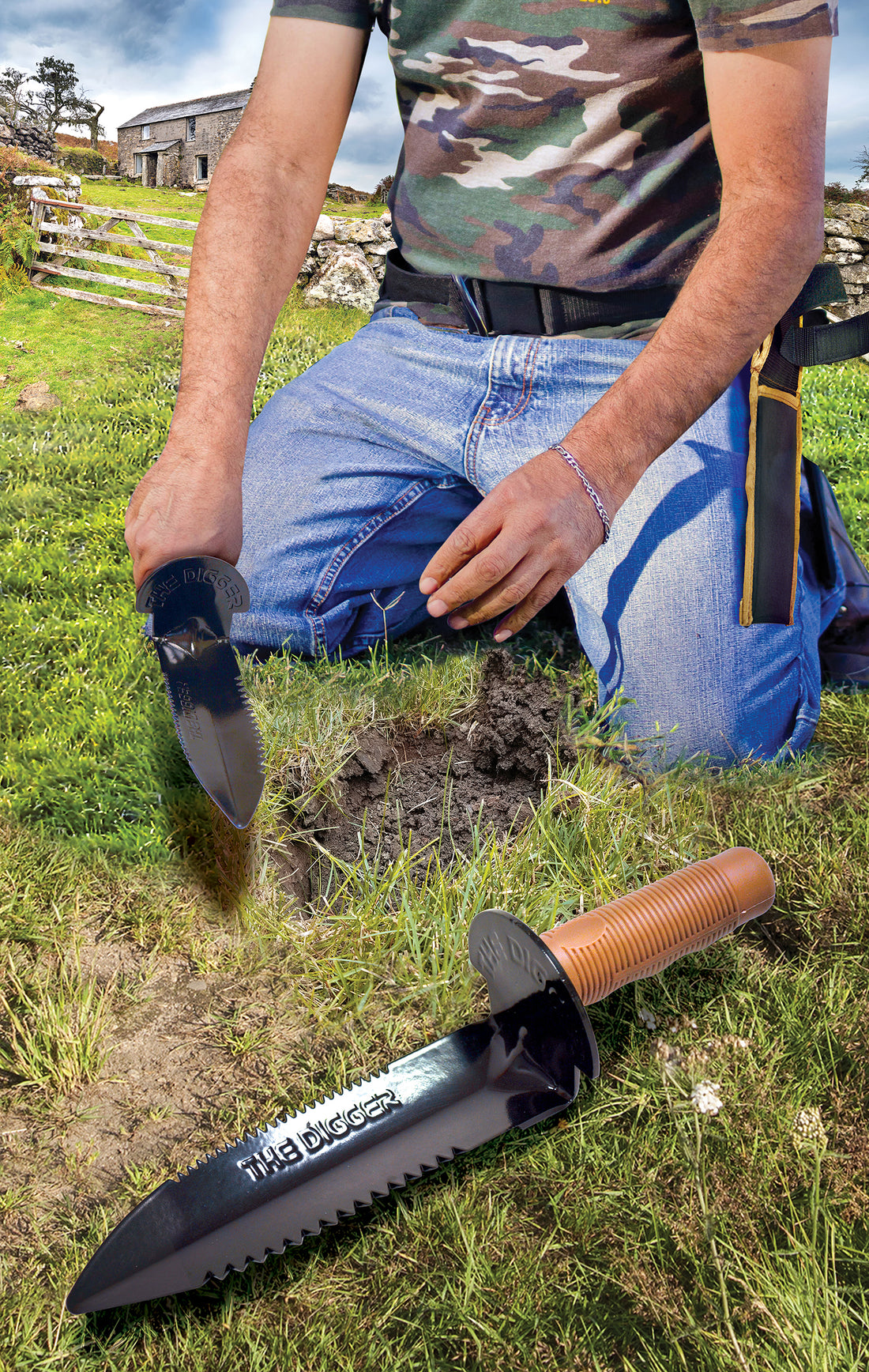
Metal detector digging tools are hand tools and shovels made to open the ground with minimal damage and to retrieve targets fast. They include serrated hand diggers, trowels, sand scoops, shovels, and specialty probes. Good tools cut a neat plug, avoid target scratches, and reduce time per hole.
These tools are not garden gear. They use stronger steel, better heat treatment, and smart shapes for leverage and control. When chosen well, metal detector digging tools boost recovery speed and help you leave no trace in public spaces.
I keep two kits: a light park kit with a serrated hand digger and a probe, and a field kit with a long-handle shovel and a pick. Both have earned their space on my belt.

Core Types of Metal Detector Digging Tools
There are several tool types you will see in the field. Each has strengths and limits.
- Hand diggers and trowels: Best for parks and light soil. Look for a serrated edge, a full-tang blade, and an ergonomic grip.
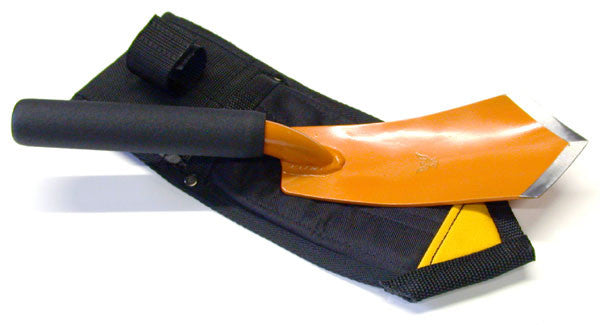
- Long-handle shovels: Great for fields and woods. A spade with a narrow blade and foot pegs gives leverage with a clean cut.
- Sand scoops: Ideal for beaches. Use stainless mesh for saltwater and aluminum for light weight on dry sand.
- Entrenching tools and folding shovels: Compact and useful for travel. Choose a lock that does not wiggle under load.
- Picks and mattocks: For rocky or rootbound soil. Use with care to avoid target damage.
- Probes and recovery knives: Probe to locate the exact spot so you dig less and scratch less.
I once swapped a flimsy trowel for a heat-treated digger with a sheath. My targets per hour jumped, and my hands thanked me. The right metal detector digging tools do make a real difference.

Match Tools to Terrain and Targets
Soil and target depth drive your choice. Match your metal detector digging tools to the ground you hunt.
- Parks and lawns: Use a serrated hand digger and a plug-cutting method. Keep holes small and neat.
- Plowed fields and pasture: A long-handle shovel with a narrow blade works best. Cut a flap and fold back the sod.
- Beaches: Use a sand scoop with a handle for surf. For dry sand, a basket scoop clears targets fast.
- Rocky or compact soil: Add a small pick or a digging hammer. Break the crust first, then dig.
- Wooded sites with roots: A root saw edge or serrated digger helps. Pry, do not chop.
For coin shooting in turf, a shallow T-plug keeps grass alive. For relics in fields, a larger flap protects the soil base. With the right metal detector digging tools, you can adapt fast and stay efficient.
Materials and Build Quality
Build quality separates a tool you trust from one that bends and ruins a hunt.
- Steel type: High-carbon steel holds an edge but can rust. Stainless steel resists rust and works well in wet soil.
- Heat treatment: A hardened blade resists flex and dulling. Look for tools that state heat-treated or tempered.
- Blade design: A narrow, tapered tip pierces soil. A serrated side saws roots. A ridge or spine adds strength.
- Handle and grip: Rubber or micarta grips reduce slip. A full tang or welded joint adds durability.
- Sheath and mounts: A kydex or nylon sheath keeps edges covered. Belt and MOLLE mounts help carry the load.
I once tested a budget scoop in saltwater. The welds failed in two weekends. Upgrading to a reinforced, stainless scoop was a clear fix. Strong metal detector digging tools cost more but save your day.

Responsible Recovery: Techniques and Ethics
Great recoveries start before you cut. Learn good habits to protect sites and keep access open.
- Scan and pinpoint: Use your detector’s pinpoint mode and a hand pinpointer. The smaller the hole, the better.
- Cut a hinged plug: Slice a U-shape and fold it back on the root mat. Keep the plug 3–5 inches wide in manicured turf.
- Extract with care: Use a probe to lift the target. Avoid scraping coins with a blade.
- Refill and reseat: Backfill all soil and press the plug flat. Brush the grass to hide the dig.
- Follow rules: Get permission, obey depth limits, and avoid wet lawns. Pack out trash.
On a busy city lawn, I fixed a friend’s crumbled plug by adding water from a small bottle and pressing edges tight. It blended in seconds. With sound technique and the right metal detector digging tools, your spots will welcome you back.

Accessories That Boost Speed and Precision
The best metal detector digging tools work with accessories that cut hunt time.
- Pinpointer: Speeds target location and reduces hole size.
- Finds pouch: Keeps trash and treasure sorted. Choose one with mesh bottoms for sand.
- Knee pads or kneeling pad: Saves joints and keeps pants dry.
- Rare-earth magnet on a lanyard: Lifts iron bits fast in nails and shrapnel.
- Probe and plastic scraper: Moves soil without scratching coins.
- Water bottle and small brush: Cleans plugs and finds on site.
Small add-ons like a probe and magnet trim seconds from each hole. Over a long day, they add up to more finds.

Safety and Ergonomics
Metal detector digging tools should protect your body as well as the ground.
- Fit and leverage: Use a shaft length that matches your height. Keep your back straight and hinge at the hips.
- Hand safety: Wear cut-resistant gloves when sawing roots. Keep fingers clear of serrations.
- Edge care: Cover blades in transit. Do not walk with a bare, pointed tool.
- Hydration and pace: Take short breaks. Rotate tasks to spare wrists and elbows.
I learned to swap hands every few holes. That one habit cut my wrist pain in half over a season. Good tools and good form keep you hunting longer.
Care, Maintenance, and Transport
Well-kept metal detector digging tools last years and perform like new.
- Cleaning: Rinse after use. For clay, soak briefly and brush with nylon.
- Rust control: Dry tools and wipe with a light oil. Stainless still benefits from a thin coat.
- Sharpening: Touch up serrations with a cone file. Keep tips sharp but not needle-thin.
- Storage: Hang tools to dry. Keep sheaths on to protect edges and packs.
- Travel: Check local laws on edged tools in parks and on transit. Use blade guards and a tool roll.
My field kit gets a five-minute cleanup after each hunt. That habit keeps edges keen and rust at bay. Simple care extends the life of all metal detector digging tools.

Budget and Buying Guide
You do not need to overspend, but do invest in key parts.
- Entry level: Basic serrated digger and small pouch. Good for casual park hunts.
- Mid tier: Heat-treated digger, long-handle shovel, pinpointer, and knee pads. Best value for most.
- Pro kit: Stainless surf scoop, reinforced shovel, and premium sheath system. For heavy use and harsh soil.
Check warranties and return policies. Look for heat treatment claims, weld quality, and strong hardware. Used tools can be smart buys if edges are sound and handles are tight. Always test grip and flex before you commit. Well-chosen metal detector digging tools deliver better results per dollar than many detector upgrades.
Field Tips and Mistakes to Avoid
Years in the field taught me simple lessons that pay off.
- Start small: Probe first. Many shallow targets sit within the sod layer.
- Work in zones: Finish a grid before moving. Keep your rhythm and tool flow.
- Mind the weather: Wet turf plugs close best. Avoid frozen or scorched grass.
- Avoid the pry twist: Rocking on the blade can bend it. Use small cuts and leverage from soil, not steel.
- Carry spares: A backup glove, probe, and sheath can save a hunt.
I once chased a faint dime tone in hardpan and dulled a new edge in ten minutes. Switching to a narrow spade and pre-scoring the cut solved it. The best metal detector digging tools help, but method still matters most.
How to Choose the Right Kit for You
Build your kit around where you hunt most and what you seek.
- Urban parks and schools: Hand digger, probe, pinpointer, finds pouch, and knee pads.
- Farm fields and permissions: Narrow long-handle shovel, hand digger, and pouch with trash pocket.
- Freshwater beaches: Aluminum scoop with medium holes, short handle, and mesh pouch.
- Saltwater surf: Stainless scoop with small holes, long handle, and anti-rust hardware.
Try gear in hand if you can. Check balance, grip, and how a tool rides on your belt. Your metal detector digging tools should feel like extensions of your hands.
Frequently Asked Questions of metal detector digging tools
What is the best tool for park hunting?
A serrated hand digger with a strong spine is ideal. It makes clean plugs and keeps holes small for neat recovery.
Are sand scoops worth it for beach hunting?
Yes, a good scoop saves time and strain. Choose stainless for saltwater and consider a long handle for surf.
How do I avoid scratching coins when digging?
Use a pinpointer and a probe to find the exact spot before you cut. Lift soil with a plastic scraper instead of prying with steel.
What size shovel is best for fields?
A narrow spade with foot pegs and a D-handle works well. It cuts clean slots and gives solid leverage without making wide holes.
How often should I sharpen my digger?
Touch up edges every few hunts or after rocky soil. Keep serrations crisp but avoid a razor edge that chips.
Do I need a sheath for my digger?
Yes, a sheath protects the edge and your gear. It also keeps the tool secure and easy to reach on your belt.
Are folding shovels good for travel?
They are compact and handy for light work. Pick one with a tight locking joint to avoid wobble under load.
Conclusion
Smart hunters pair the right metal detector digging tools with good technique. Choose tools that match your soil, keep your plugs tidy, and protect your body. Care for your kit and it will return the favor in clean, fast finds.
Ready to level up your recoveries? Build a kit from this guide, test it on your next hunt, and track your finds per hour. If you learned something new, share this article, subscribe for more field tips, or drop your questions in the comments.


