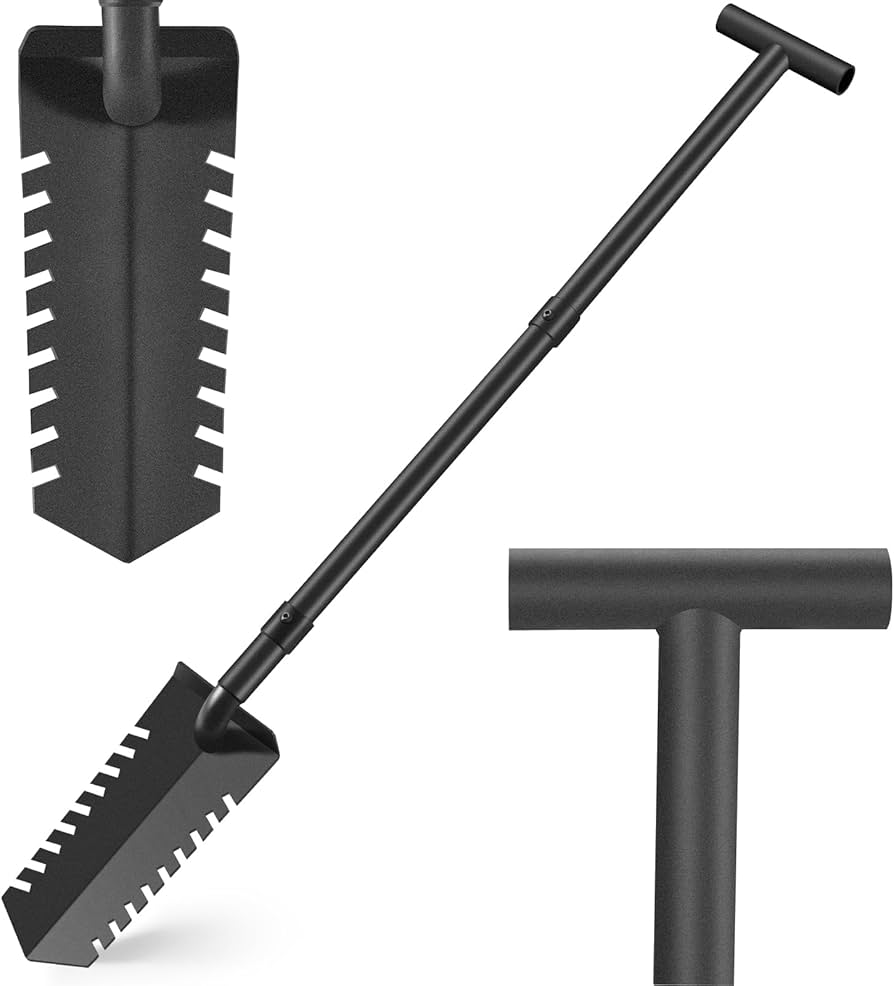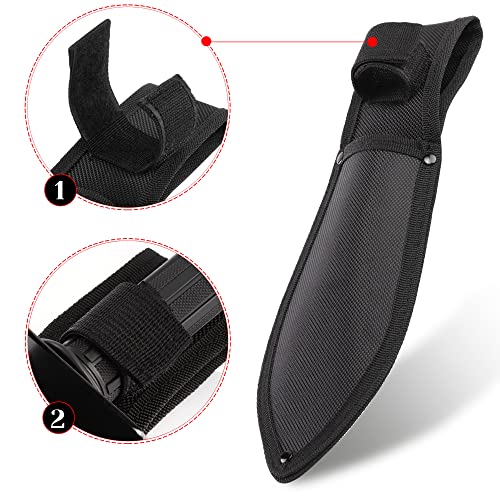
The best digging tool for metal detecting is a double-serrated hand digger.
You spot a clean signal. Your heart jumps. But when you dig, the plug collapses, roots fight back, and the target slips away. I’ve been there. The right digger changes everything. It cuts tidy plugs, slices roots, and protects finds. It also saves your wrists and time. Below, I break down the best digging tool for metal detecting, how each one feels in the hand, and where each shines. If you detect in parks, fields, or woods, you’ll find a match here that makes every hunt smoother and more fun.
Kemaier Double-Serrated Metal Detecting Digger
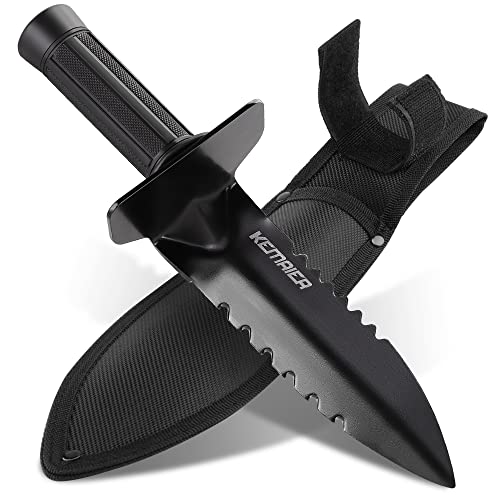
The Kemaier double-serrated digger is a sturdy hand tool made for detectorists. The blade has teeth on both sides, so you can cut on the push and the pull. I like the stiff spine and the full-length tang. It holds up when you pry under roots or thin rocks. The included sheath rides on your belt and keeps the digger within quick reach.
In the field, the Kemaier feels balanced. The handle fills the palm and reduces hot spots. That helps on long hunts. For me, it is the best digging tool for metal detecting when I need clean plugs in parks. It slices sod, keeps the plug tight, and protects targets in shallow soil.
Pros:
- Double-serrated edges cut roots fast
- Strong tang and spine reduce flex
- Comfortable handle for longer hunts
- Sheath mounts on belt for quick access
- Good control for neat plugs in turf
- Blade length suits most coin and relic digs
Cons:
- Not ideal for very rocky ground
- Sheath clip may loosen with heavy use
- Blade may need touch-up sharpening over time
My Recommendation
The Kemaier is a great pick for park hunters and coin shooters. If you dig in turf and care about clean plugs, this tool shines. The grip is comfy, and the double-serrated edges give fast cuts on roots. If you want the best digging tool for metal detecting in city parks and school yards, this is a strong choice.
It also suits new detectorists who want a simple, tough digger. The blade opens a neat hole, and the sheath makes carry easy. The Kemaier hits a sweet spot of price and build for daily hunts. It is easy to control and hard to break.
| Best for | Why |
|---|---|
| Park and lawn hunting | Double-serrated edges make clean plugs with little turf damage |
| Beginners | Simple, tough build and easy belt carry with sheath |
| Coin and jewelry digs | Blade length and control help protect shallow targets |
CKG Double-Serrated Metal Detecting Shovel
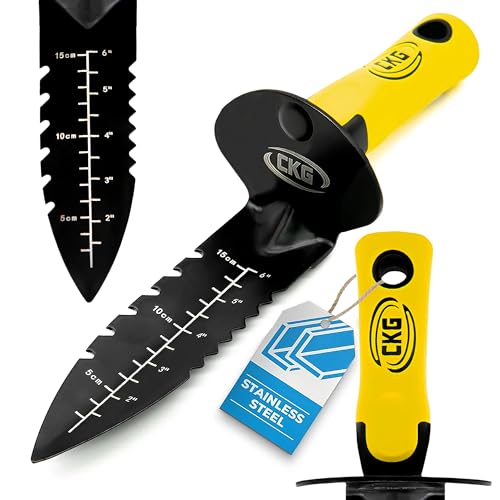
The CKG digger is built as a hybrid between a trowel and a knife. It has double-serrated edges for roots and a pointed tip for piercing. I like the tactile grip and the blade’s slight curve. The curve helps lift soil and keep the plug intact. The sheath is a nice touch for quick belt mounting.
In use, this tool feels nimble. It moves fast in soft soil and handles light clay. I used it in wooded areas with lots of thin roots. It cut clean paths with less strain. If you want the best digging tool for metal detecting that also works well for camping and garden tasks, the CKG is a smart buy.
Pros:
- Sharp, double-serrated edges on both sides
- Pointed tip pierces compact ground
- Curved blade lifts soil and protects plugs
- Sheath for easy belt carry
- Comfortable grip for control and safety
- Versatile for detecting, camping, and garden jobs
Cons:
- Not a full-size shovel; limited leverage
- May struggle in heavy, rocky soil
- Edge teeth need periodic maintenance
My Recommendation
Choose the CKG if you like speed and nimble control. It is ideal for woods, light clay, and park strips. The blade shape helps you keep holes tidy. For users who want the best digging tool for metal detecting and a crossover tool for camping, this is a top pick.
If you often travel light, this digger earns a spot on your belt. It weighs little, yet it works hard. The double serrations save time when roots get in the way. It’s a fine fit for coin and jewelry hunters who dig many targets per hour.
| Best for | Why |
|---|---|
| Woods and light root zones | Sharp serrations and pointed tip slice through quickly |
| Mobile hunters | Lightweight with sheath for fast moves between signals |
| Multi-use outdoors | Works as a trowel, digger, and camp tool |
SUNPOW Double-Serrated Detecting Shovel Knife

The SUNPOW digger uses a double-serrated blade and a reinforced core. The blade has a tough tip that pushes into packed soil. I like the balance and the firm handle texture. It stays steady when your hands get wet or muddy. The sheath secures the tool and fits most belts.
This digger feels like a step up in bite. It chews through roots that stop a basic trowel. If you hunt curb strips, old home sites, or the woods, it will do the job. For me, it ranks as the best digging tool for metal detecting when I want extra bite without a heavy full-size shovel.
Pros:
- Strong double-serrated edges for fast cuts
- Reinforced tip for compact soils
- Grippy handle, even in wet conditions
- Durable sheath for belt carry
- Good balance of weight and strength
- Works well for curb strips and home sites
Cons:
- Not ideal for deep relic holes
- May need sharpening after heavy use
- Sheath stitching can wear over time
My Recommendation
Pick the SUNPOW if you fight roots often. It cuts fast, and the tip holds true in compact ground. The handle is safe and comfy. If your goal is the best digging tool for metal detecting that still feels light, SUNPOW is a smart pick for daily hunts.
It suits coin and relic hunters who dig many holes per session. The tool gives speed with control. It helps keep plugs neat and reduces turf damage. That is key for parks and permission sites with strict rules.
| Best for | Why |
|---|---|
| Root-heavy spots | Double-serrated edges and reinforced tip bite hard |
| Parks with strict plug rules | Clean cuts help restore turf and keep access |
| Frequent diggers | Balanced weight reduces fatigue during long hunts |
DR.ÖTEK Heavy-Duty Metal Detecting Digger

The DR.ÖTEK digger is a rugged hand tool with double serrations and a broad blade. It is made for tough jobs and long life. I like the heavy-duty feel and the simple, strong sheath. It gives confidence when you pry and twist in hard dirt. The grip is thick and stable in the hand.
In the field, the DR.ÖTEK holds up to abuse. It has enough backbone for firm soil, compacted paths, and light gravel. If you want the best digging tool for metal detecting that can take a beating, this is it. The broad blade also moves more dirt per scoop, which helps when you dig larger plugs.
Pros:
- Very sturdy blade and tang
- Double-serrated edges for root cutting
- Broad blade moves soil fast
- Strong, simple sheath included
- Good handle grip and control
- Reliable for compact ground and paths
Cons:
- Heavier than some hand diggers
- Less nimble in very soft soil
- Bulk may be overkill for clean parks
My Recommendation
Get the DR.ÖTEK if you dig in hard ground often. It shines on old home sites, pathways, and compacted fields. If you want the best digging tool for metal detecting that won’t flinch at tough spots, it is a clear winner. The added weight turns into leverage when you pry.
For relic hunters who need strength and speed, this tool fits. It opens bigger plugs with fewer scoops. The blade shape helps you track your cut line. It keeps the plug neat enough for most permission rules.
| Best for | Why |
|---|---|
| Hard, compact soil | Heavier build and broad blade give leverage and speed |
| Relic and field hunting | Cuts larger plugs and handles prying and twisting |
| Durability seekers | Rugged design tolerates heavy, daily use |
INCLY Double-Serrated Metal Detecting Digger
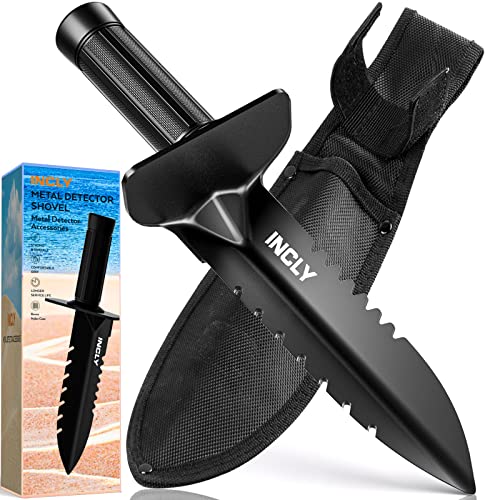
The INCLY digger balances price and performance. It has double-serrated edges and a pointed tip for cleaner plugs. The grip is textured and resists slip. The sheath fits belts well. It’s a solid pick if you want a capable digger at a friendly cost.
In my hands, the INCLY feels agile. It moves well in parks, tot lots, and soft soil. It also does fine with small roots and sod. If you need the best digging tool for metal detecting on a budget, this is a great fit without big trade-offs.
Pros:
- Good value for the build
- Double-serrated edges for roots and sod
- Comfortable, textured handle
- Sheath allows fast access
- Light weight for long hunts
- Agile blade for neat plugs
Cons:
- Not ideal for very hard or rocky soil
- Edge may need more frequent touch-ups
- Sheath material could wear with heavy use
My Recommendation
If you want value and function, pick the INCLY. It is light, sharp, and easy to use. It makes clean holes in parks and school yards. For many beginners, it will be the best digging tool for metal detecting in the first season.
It is also a nice backup tool for pros. Carry it as a spare in your pack. It is cheap to replace and good enough for daily hunts. The design keeps plugs neat and targets safe.
| Best for | Why |
|---|---|
| Budget-conscious buyers | Strong performance at a friendly price point |
| Parks and schools | Light and nimble for clean, quick plugs |
| New detectorists | Easy to handle and maintain, with belt sheath |
How I Judge the Best Digging Tool for Metal Detecting
I judge tools with the way I hunt. The best digging tool for metal detecting must cut clean plugs and protect finds. It also needs a sturdy tang, sharp teeth, and a grip that works in wet or cold. Belt carry matters too. I move between signals a lot, so quick access saves time.
I also look at soil types. Parks need neat plugs and fast cuts. Woods need root bite and control. Old sites need strength for compact ground. A double-serrated blade is the standard now. It gives speed and clean cuts with less effort. That is why my top picks have teeth on both sides.
Expert Tips to Get More From Your Digger
Use a “hinged plug” in turf. Cut a horseshoe shape and leave the grass side attached. This keeps the roots alive and helps the grass recover. Many parks ask for this method. It keeps permissions safe and shows respect for the site.
Work the serrations to slice roots on the sides first. Then pry from the base. Use short lever moves, not big jerks. This saves your wrists and the tool. Also, probe with your pinpointer before you pry hard. It protects coins and jewelry from scratches.
Carry a small brush. Clean out the hole and plug before you close it. Pack the soil back in and press the plug flat. A good digger helps the job, but the method matters more. The best digging tool for metal detecting still needs your care to leave no trace.
Choosing the Right Tool for Your Soil
Soft turf and parks: Use a lighter digger with sharp teeth. You need neat plugs and speed. A double-serrated hand digger is ideal. It is the best digging tool for metal detecting in public green spaces.
Woods and curb strips: You need bite and a pointed tip. Double-serrated helps, and a reinforced tip is a plus. Look for a firm handle with texture.
Old sites and compact soil: Pick a heavier digger with a strong tang. A broad blade moves more dirt per scoop. Your hands will thank you. Strength beats weight savings here.
Care and Maintenance for Long Life
After each hunt, knock dirt off the blade. Wipe it dry to stop rust. A quick pass with light oil helps. Keep the edge teeth sharp with a small file. It only takes a few minutes.
Check the sheath. Tighten clips or add a small stitch if needed. Replace if it gets loose. A secure sheath keeps the tool where it belongs. Store the digger dry. That one habit adds years to the tool.
Safety and Ethics in the Field
Wear gloves and eye protection when needed. Serrations can bite back. Cut away from your body. Keep your non-dominant hand clear of the blade path. It’s simple, but easy to forget when you chase a good signal.
Follow local rules. Many parks ask for tidy plugs and full hole repair. Some bans exist in sensitive areas. Always ask before you dig. The best digging tool for metal detecting helps you dig well, but your choices keep the hobby welcome.
FAQs Of best digging tool for metal detecting
Do I need double-serrated edges?
Yes, for most soil. Double-serrated edges cut roots faster and make cleaner plugs. They save time and reduce turf damage.
How long should the blade be?
Six to eight inches works for coins and small relics. It gives depth and control without excess weight.
What handle grip works best?
A textured, ergonomic grip is ideal. It reduces slips and hand strain during long hunts.
Can one digger work in all soils?
One tool can cover most jobs. For very rocky or deep digs, you may want a full-size shovel or spade.
How do I leave no trace in parks?
Cut a hinged plug, remove soil carefully, and replace it tight. Brush the grass and press the plug flat.
Final Verdict: Which Should You Buy?
If you hunt mostly parks and want clean plugs, the Kemaier and SUNPOW shine. They feel nimble and cut fast. For tougher ground, pick DR.ÖTEK for strength and leverage.
On a budget, the INCLY offers strong value, while CKG is light and quick. The best digging tool for metal detecting is the one that fits your soil, style, and pace.