How To Care For Lawn During Dry Season: Drought-Proof Guide
A crisp, green lawn in the middle of a heatwave isn’t luck—it’s a strategy. When the forecast calls for weeks without rain and your city starts issuing water restrictions, panic watering won’t save your turf. The right approach is quieter: water deeper and less often, mow higher than feels natural, and feed the soil instead of just the leaves. This guide walks through a complete dry-season care plan, from the first sign of heat stress to the recovery work that brings your lawn back when cooler weather returns.
Why Lawns Struggle in Dry Heat
Grass is about 80 percent water by weight. When the soil dries out, the plant enters survival mode: it stops growing, slows photosynthesis, and eventually turns tan and dormant to protect its crown and roots. The lawn isn’t dead—it’s waiting. You can also read our guide on how to use a leaf blower for yard cleanup.
The problem is that most homeowners respond to a browning lawn with daily light sprinkling. That does more harm than good. Shallow watering encourages shallow roots. When the top inch of soil dries out—which happens within hours in summer heat—the grassroots have nowhere to go. The plant gets hit twice: once by drought, once by poor watering habits.
Understanding this basic biology changes everything. You’re not just keeping grass alive; you’re training a deeper root system that can find moisture far below the surface. You can also read our guide on how to water lawn efficiently.
The Four-Pillar Drought Strategy
Successful dry-season lawn care rests on four interlocking habits. Skip one and the others work much harder:
- Water deeply and infrequently — train roots to grow down, not out.
- Mow at an elevated height — longer blades shade the soil and reduce evaporation.
- Build soil organic matter — healthy soil acts like a sponge, storing moisture between waterings.
- Minimize stress inputs — limit foot traffic, skip heavy fertilizer, and avoid unnecessary chemical treatments.
In practice, this means making deliberate choices each week rather than reacting to the lawn’s appearance. A lawn that receives consistent, thoughtful care through late spring enters summer with a head start. That’s the real secret to surviving drought—it begins months before the first heatwave hits.
Watering: How To Make Every Drop Count
Aim for One Inch Per Week
Most established lawns need about one inch of water per week during active growth, including rainfall. During drought, you may need to stretch that to every 10–14 days depending on your grass type, soil texture, and local restrictions. The goal isn’t a set schedule—it’s a consistent soil-moisture profile that reaches 6 inches deep.
Water Before Sunrise
The best time to water is between 4 a.m. and 7 a.m. Temperatures are cool, wind is calm, and water pressure is at its peak. Less water is lost to evaporation, and the grass blades dry quickly once the sun rises—which reduces disease pressure. Avoid evening watering, as prolonged moisture on the blades overnight invites fungal growth.
Use the Cycle-and-Soak Method
If water runs off your lawn before it has a chance to soak in, you’re wasting it. This is especially common on slopes or compacted soil. Break each watering session into short cycles: run the sprinkler for 10–15 minutes, pause for 30 minutes to let the water infiltrate, then repeat until you’ve applied the full amount. The pause is what makes the difference—water sits on the surface instead of walking down the driveway.
How To Check Moisture Depth
A simple screwdriver test tells you whether water has reached the root zone. Push a long screwdriver into the soil after watering. If it slides in easily for 6 inches, you’re in good shape. If it stops at 2 inches, your water is staying on the surface—either your run time is too short, or your soil is compacted and needs aeration.
The same principle applies to a soil moisture meter. These are cheap and take the guesswork out of the weekly routine. For more on building long-term soil structure that holds water, see our guide on improving lawn soil health.
Mowing: Taller Is Smarter
The One-Third Rule
Never remove more than one-third of the grass blade in a single mowing. Cutting more than that shocks the plant at a time when it can least afford stress. If your grass has gotten away from you, mow once at a higher setting, then again a few days later at your target height.
Set the Right Height for Your Grass Type
Grass height is a compromise between root protection and aesthetics. In dry conditions, err on the high side:
- Cool-season grasses (Kentucky bluegrass, fescue, ryegrass): 3 to 4 inches
- Warm-season grasses (Bermuda, Zoysia, St. Augustine): 2 to 3 inches depending on variety
- Fine fescue lawns: 3 to 5 inches; they tolerate shade and drought better than other cool-season types
Taller grass shades the soil surface, reducing evaporation and keeping root-zone temperatures lower. It also produces longer roots—a direct biological trade-off: grass blades and roots grow in proportion to each other.
Keep Blades Balanced and Sharp
A sharp mower blade cuts cleanly. A dull blade tears and shreds the grass tips, turning them brown and increasing water loss through damaged tissue. Sharpen mower blades at least twice per season. If you notice ragged, whitish tips after mowing, that’s the sign to touch up the edge.
Leave the Clippings
Clippings are free mulch. They break down quickly, return nitrogen to the soil, and cover the ground to slow evaporation. Unless the clippings are so thick they’re smothering the grass, leave them in place.
Soil Health: Your Lawn’s Water Reservoir
Aerate Before the Heat Hits
Core aeration removes plugs of soil, opening channels for water, air, and nutrients to reach the root zone. The timing matters: aerate during the active growing season so the grass recovers quickly. For cool-season lawns, that’s early fall or early spring. For warm-season lawns, late spring through early summer.
If you skipped aeration this year and a heatwave is already here, doing it now can stress the lawn further. Wait and target it for the right season.
Treat Hydrophobic Soil
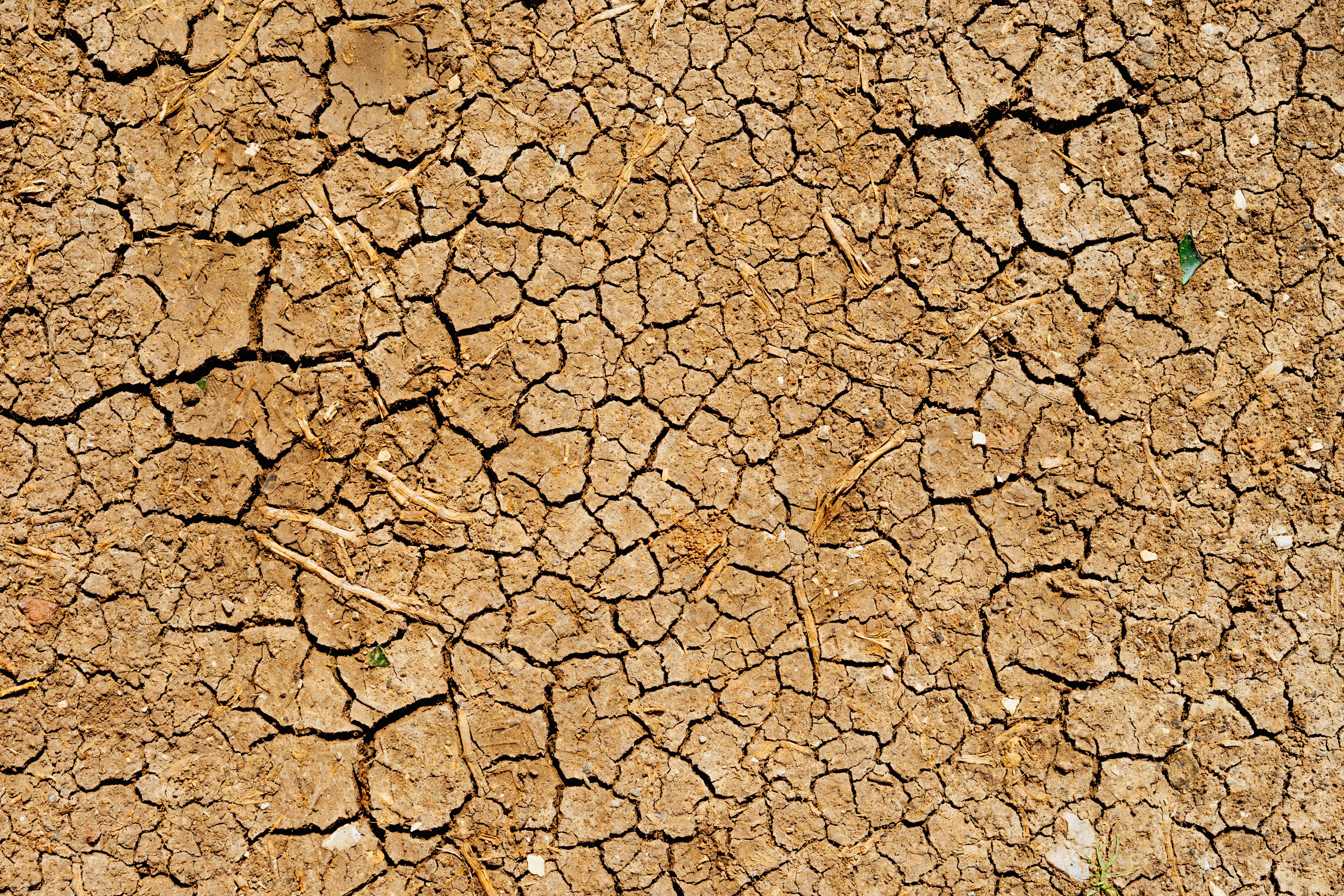
Dry soil can become water-repellent—a condition called hydrophobicity. Water beads up and runs off instead of soaking in. This is common in sandy soils and areas with heavy thatch buildup. A lawn wetting agent (a soil surfactant) breaks the surface tension and lets water penetrate. Look for products labeled for turf use, and follow the application rates carefully. Avoid dish soap; it may break surface tension but can harm soil biology.
Add Organic Matter
Compost is the single best amendment for drought-prone lawns. A thin topdressing—about a quarter to half an inch—works its way into the soil over time, improving water-holding capacity and feeding beneficial microbes. For a broader look at building fertile ground, check out our advice on improving garden soil naturally.
Manage Thatch
A thatch layer up to half an inch is normal and even beneficial. Beyond that, thatch becomes a barrier that sheds water and blocks air. Dethatch in the active growing season, when the lawn can recover.
Fertilizing in a Drought: Less Is More
Why Heavy Nitrogen Backfires
Nitrogen drives leafy growth. More leaves mean more water demand. Fertilizing with fast-release nitrogen in peak heat forces the plant to push new growth it can’t support—and the roots will pay for it. During drought, the goal is survival, not growth.
What To Feed During Stress
If the lawn needs a nutrient boost during a dry spell, use slow-release nitrogen at half the normal rate, or skip nitrogen entirely. A soil test will tell you what’s actually missing. Potassium, in particular, helps regulate water balance and improves stress tolerance—worth adding if your soil shows low levels. Iron can provide a green-up without stimulating growth.
Hold Off on Herbicides and Pesticides
Weeds are opportunistic, but stressed turf is fragile. Broadcast spraying herbicides during a drought can do more damage than the weeds themselves. Spot-treat with a hand-pulled weed or a targeted product, and postpone broad applications until the lawn is actively growing again.
For clean weeding without chemicals, a Cape Cod weeder tool is hard to beat in tight spots and between pavers.
Managing Weeds, Pests, and Disease
Scout Weekly
Take a five-minute walk around the lawn every week. Look for hot spots, discolored patches, and insect activity. Early detection is cheap; late detection means a bigger repair bill.
Know Your Common Pests
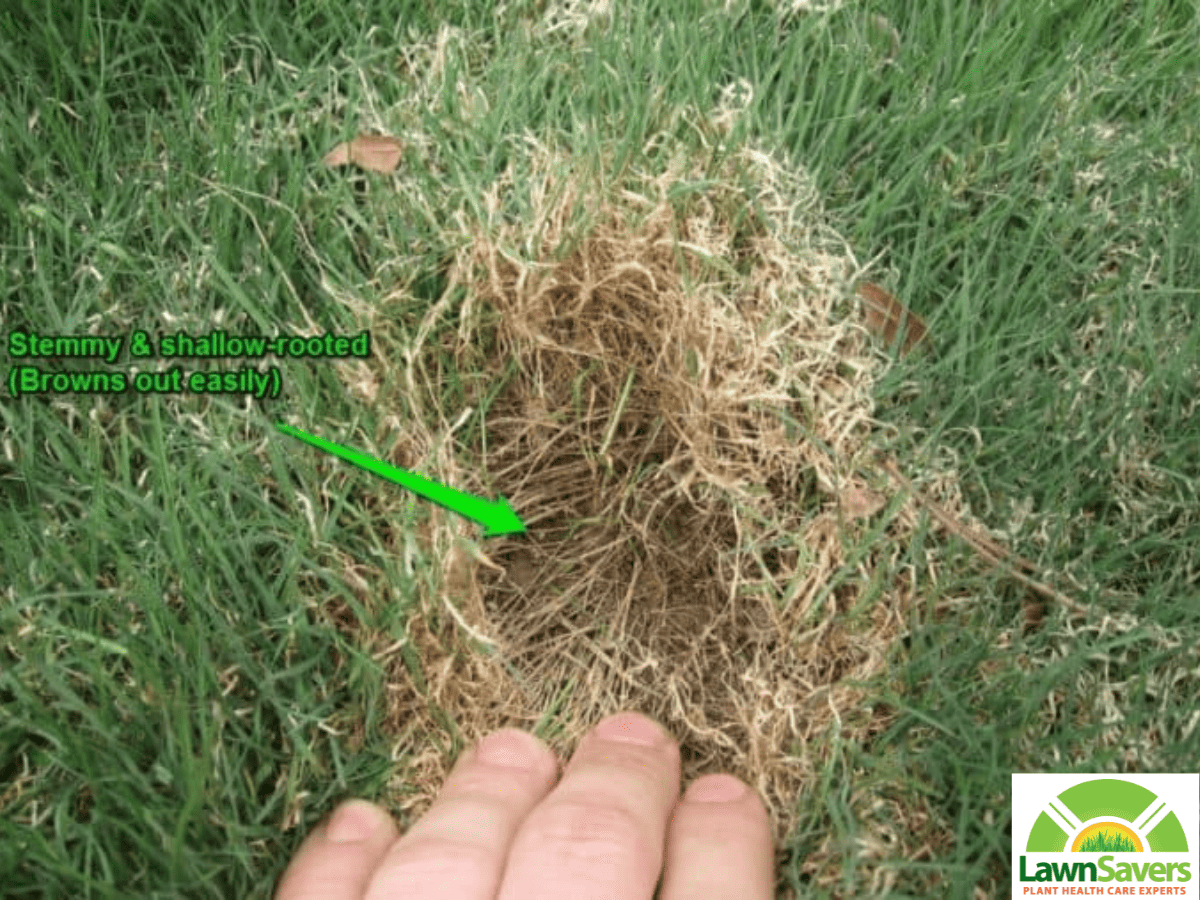
- Grubs: Brown patches that peel back like carpet indicate grub damage. Lift a section of turf and count the grubs. Treatment is only worthwhile above a threshold—usually 10 or more grubs per square foot.
- Chinch bugs: These attack warm-season lawns in hot, dry weather. Look for small black bugs with white wings at the base of the grass. Irregular yellowing patches that spread outward are a classic sign.
- Dollar spot and brown patch: Diseases love stressed grass, especially when nights are warm and dew lingers. Improve airflow, water early, and avoid late-day irrigation.
A rototiller or hoe is useful for larger infestations, but the right approach is usually much simpler than you think. Compare your options before buying more equipment—an action hoe vs garden hoe comparison can help you pick the right tool for the job.
Dormancy: Friend, Not Enemy
What Dormancy Looks Like
When the soil dries to a certain point, cool-season grasses stop growing and turn tan. The crown and roots stay alive. This is a survival mechanism that has kept grass alive for millennia. The lawn looks dead, but it’s saving itself.
The Tug Test
To distinguish dormancy from death, pull gently on a clump of brown grass. If it resists, the roots are alive—it will green up when conditions improve. If it comes out easily with dry, gray crowns, that patch has died and needs repair.
How Much Water Does Dormant Grass Need?
Even dormant grass needs occasional moisture to keep the crown alive. Aim for about a quarter inch of water every two to three weeks if there’s no rain. This is enough to survive but not enough to break dormancy and trigger new growth.
A dormant lawn can sit for several weeks this way. The trade-off is a tan yard for the summer in exchange for a healthy lawn that bounces back in fall.
Recovery: Bringing the Lawn Back
Cool-Season Lawns: Overseed in Early Fall
The best time to repair cool-season lawns is late summer to early fall. Soil is still warm—which helps germination—but the air is cooling, and rain becomes more reliable. This is a critical window:
- Mow low and rake out dead material.
- Break up bare soil with a rake or power seeder.
- Spread seed and topdress with a quarter inch of compost.
- Keep it moist with light, frequent watering until seedlings establish.
- Hold off on pre-emergent herbicides—they’ll stop your new seed before it starts.
Warm-Season Lawns: Repair in Late Spring
Warm-season grasses should be repaired once the danger of frost has passed and soil temperatures are consistently above 65°F. Seed, plugs, or sod all work depending on how much area you’re covering. Sod gives instant results but costs more; plugs are cheaper and fill in over a season or two.
Patience Is Part of the Plan
Some areas won’t come back no matter what you do. Patch them, overseed them, and move on. A recovering lawn also needs less traffic, not more. Give it a full season before you expect it to look normal again.
Regional Differences and Grass-Type Care
Cool-Season Grasses
Kentucky bluegrass, perennial ryegrass, and the fescues are adapted to cool, moist climates. In summer heat, they naturally slow down or go dormant. Recovery happens in fall, so do the heavy repair work then. These lawns need more water in summer than warm-season types, but their water needs drop sharply if you let them go dormant.
Warm-Season Grasses
Bermuda, Zoysia, St. Augustine, and Bahia thrive in heat. They push through dry spells better once established, and their deep roots tolerate lean moisture. If you choose to water, do it deeply and infrequently. If you choose not to, they’ll bounce back more quickly than cool-season turf when rain returns.
Local Water Regulations
Many municipalities impose watering restrictions during droughts. Check your local rules before you water. If your region restricts watering to specific days or times, adapt your schedule to comply. A rain sensor on your irrigation controller is a smart investment that prevents wasted water and keeps you compliant.
Tools for Monitoring and Scheduling
Moisture Meters and Controllers
A soil moisture meter removes guesswork—you’ll know exactly when the lawn needs water and when it doesn’t. Smart irrigation controllers adjust based on rainfall and evaporation. They’re not cheap, but they pay for themselves in water savings and a healthier lawn.
The Screwdriver Trick
Again, it bears repeating: a plain screwdriver is the cheapest soil probe you own. Push it in. If it’s hard to penetrate, your soil is dry or compacted. If it slides in smoothly, you’re good.
A Simple Lawn Log
Track your mowing height, watering duration, and any treatments in a notebook or an app. Patterns become visible over time—you’ll spot which areas dry out first, which sprinkler heads aren’t reaching, and what worked in previous summers.
Check Your Equipment
A lawn mower blades that are clean and sharp make a difference. Similarly, a clogged air filter forces the engine to run inefficiently—maintaining engine upkeep matters for consistent mowing performance across the season.
Frequently Asked Questions
How often should I water during a drought?
Deep and infrequent is the rule—once every 7 to 14 days, depending on your grass type, soil, and local restrictions, with about 1 inch total per session.
Is it better to let the lawn go dormant or keep watering?
If your region restricts water, dormancy is the more responsible choice. A lawn can stay dormant for weeks and recover. Light, occasional irrigation (about a quarter inch every few weeks) keeps the crown alive.
Can I mow a dormant lawn?
Avoid mowing a fully dormant lawn—you’ll tear the crowns. If you must mow, raise the deck to its highest setting and skip the bag to leave clippings behind.
Should I fertilize during a dry spell?
Hold off on nitrogen-heavy fertilizers. Potassium is the exception if your soil test shows low levels. Always water fertilizer in well.
How long can a lawn go without water before it dies?
Cool-season grasses can typically survive 4–6 weeks of dormancy. Heat and wind shorten that window. Warm-season grasses handle longer droughts better. The tug test is your best indicator of life.
What if my soil is too hard to push anything into it?
That’s a compaction problem. Core aeration is the solution, but only when the grass is actively growing. In the meantime, use the cycle-and-soak method to get water in slowly.
Conclusion
Dry-season lawn care is not about heroics—it’s about consistency. Water deep and early, mow high and sharp, and feed the soil rather than the leaves. Let the lawn go dormant if it needs to, and resist the urge to pamper it back to green. When the rains return, the recovery work starts with a well-planned overseeding and a little patience.
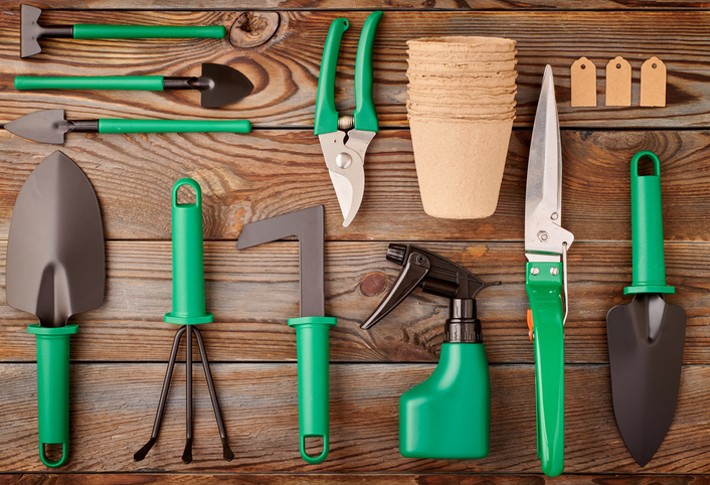
Start with one change this week: raise the mower deck, measure your water output, or do a tug test on a brown patch. Small adjustments, repeated through the season, are what pull a lawn through the worst of summer. If you want to dig deeper into backyard equipment basics, our look at digging tools names with pictures covers the essentials for cleanup and repair work around the yard.