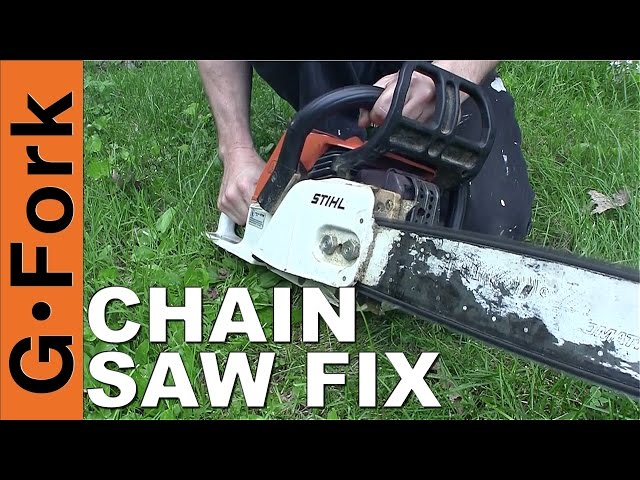
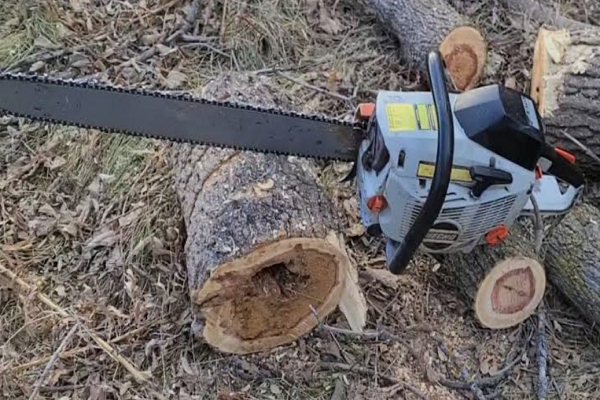
How To Use A Chainsaw For Beginners: Step-By-Step Guide 2026
Learning to use a chainsaw for the first time can feel intimidating. The noise, the power, and the sharp moving chain demand respect. But with the right approach, anyone can master this tool safely and efficiently. This guide walks you through everything you need to know—from safety gear and saw selection to cutting techniques and maintenance—so you can tackle yard work and storm cleanup with confidence.
Why Proper Chainsaw Technique Matters
A chainsaw is one of the most efficient tools for cutting firewood, clearing fallen trees, and pruning large branches. But it's also one of the most dangerous tools in a homeowner's arsenal. The difference between a safe, productive session and an accident often comes down to preparation and technique. You can also read our guide on how does a chainsaw work.
When you understand how the saw works, how to hold it, and how to read the wood you're cutting, you reduce risk dramatically. You also get cleaner cuts with less effort, which means less strain on both you and the machine.
Essential Safety Gear Before You Start
Never operate a chainsaw without proper protective equipment. This is non-negotiable. The gear listed below protects the areas most vulnerable to injury: your head, eyes, ears, hands, and legs. For more on this, see our guide on how to use a mini chainsaw for beginners.
Head and Face Protection
A helmet with a integrated face shield or mesh visor protects you from falling branches and flying debris. Safety glasses underneath add an extra layer of defense against sawdust and small wood chips.
Hearing Protection
Chainsaws typically operate between 100 and 120 decibels—well above the threshold where hearing damage occurs. Wear ear muffs or ear plugs rated for high noise levels. Comfortable hearing protection means you'll actually wear it consistently. For more on this, see our guide on how to use a chainsaw mill.
Cut-Resistant Chaps or Pants
Chainsaw chaps are made with layers of cut-resistant fibers that jam the chain if it contacts your leg. Look for chaps that meet current safety standards, not just clothing that looks tough. They should cover from your waist to your boots.
Gloves and Boots
Cut-resistant gloves improve grip and protect your hands from minor scrapes. Steel-toe or composite-toe boots with aggressive tread keep your feet safe and provide stable footing on uneven ground. Avoid sneakers or sandals entirely. For more on this, see our guide on how to use an extension pole with electric.
Secure Clothing
Wear snug-fitting clothes that won't catch on branches or get pulled into the saw. High-visibility colors make you easier to spot if you're working with others. Tie back long hair and remove jewelry before starting.
Choosing the Right Chainsaw for Beginners
The best chainsaw for a new user is one they can start easily, handle comfortably, and maintain without frustration. The wrong saw can make cutting harder and more dangerous than it needs to be.
Gas vs. Battery vs. Corded

Image source: cornell.edu
| Feature | Battery | Gas | Corded |
|---|---|---|---|
| Power | Moderate | High | High |
| Noise | Low | High | Medium |
| Weight | Light | Heavy | Light |
| Runtime | 30–60 min per charge | As long as fuel lasts | Unlimited with outlet |
| Maintenance | Minimal | Regular | Minimal |
| Best for | Yard work, small logs | Big jobs, hardwood | Tasks near an outlet |
For most beginners tackling typical yard work, a battery saw offers the best balance. It starts instantly, requires little maintenance, and runs quietly enough that you can use it without disturbing the whole neighborhood.
Gas saws still make sense for heavy use—cutting firewood for a season or clearing large trees. They deliver more sustained power, but they require fuel mixing, regular tuning, and more physical effort to start.
Corded saws work fine for occasional cuts near a power source, but the cord restrictions make them frustrating for most outdoor work.
Understanding Bar Length
The bar length determines the maximum diameter you can cut. For beginners, a 14 to 16-inch bar handles the vast majority of tasks—firewood, fallen branches, and small trees. Shorter bars are lighter and reduce kickback risk. Longer bars require more skill and physical strength to control.
A common mistake is buying a saw with a bar too long for your experience level. Start shorter. You can always move up later.
Look for These Safety Features
Modern chainsaws come with important safety features:
- Chain brake stops the chain instantly when kickback occurs or when you slam the lever forward
- Low-kickback chain reduces the severity of kickback
- Bucking spikes give you a pivot point for better control during cuts
- Throttle interlock prevents accidental trigger engagement
Pre-Start Checks and Site Preparation
Before you pull the starter cord or press the trigger, run through a quick inspection. This two-minute routine prevents most mechanical problems and safety incidents.
Inspect the Saw
Check that the chain tension is correct: snug against the bar, but you can pull it around by hand with some resistance. If the chain sags or is too tight, adjust it before starting.
Verify the chain is sharp—dull chains burn wood, produce sawdust instead of chips, and force you to push harder. Check the bar and chain oil level; running a saw without oil damages the bar and chain quickly.
For gas saws, confirm you're using fresh fuel mixed to the manufacturer's specification. Stale fuel causes starting problems and gummed carburetors.
Lastly, ensure the chain brake engages and releases with a crisp click.
Prepare the Work Area
Walk the area where you'll be cutting. Look for hazards: nails or wire embedded in wood, rocks that could kick up, and uneven ground that affects your footing.
Clear away brush, toys, and anything else that could trip you. Plan at least two clear exit paths before you make a single cut.
Always inspect the wood you're cutting for hidden hazards before starting.
How to Start a Chainsaw Safely
Starting technique differs between gas and battery saws, but one rule applies to both: never start a saw while holding it in the air or with the bar near anything you don't want cut.
Starting a Gas Chainsaw
- Engage the chain brake so the chain won't spin during startup
- Set the choke as the manufacturer instructs
- Place the saw on the ground with the bar clear of everything
- Put your right foot through the rear handle, holding the saw steady
- Grip the front handle firmly with your left hand
- Pull the starter cord until the engine pops; push the choke to run
- Pull again until the engine starts, then let it idle to warm up
Once running, keep the chain brake engaged until you're in position to cut.
Starting a Battery or Corded Saw
- Engage the chain brake if your model has one
- Insert the battery or plug in the cord
- Hold the saw with both hands in a stable stance
- Release the brake and press the trigger only when the bar is clear

Image source: youtube.com
Basic Cutting Techniques: Making Clean, Safe Cuts
Start with small, supported logs on a cutting stand or between two sawhorses. This gives you a comfortable height to practice without fighting unstable wood.
Understand Compression and Tension
Wood exerts force on the chain depending on its position and support. The top of a supported log is in compression, while the bottom is in tension. If you cut wrong, the wood can pinch the bar or split unexpectedly.
Make a shallow relief cut on the compression side first, then finish from the tension side. This prevents pinching and gives you a cleaner cut.
The Proper Cutting Stance
Stand with your feet shoulder-width apart, knees slightly bent, and one foot forward for balance. Keep your back straight and your elbows soft—not locked. Hold the saw with both hands, thumbs wrapped around the handles.
Position the bar so the bucking spikes rest against the wood. Bring the chain up to full speed before it touches the wood. Let the saw do the work. Apply light, steady pressure—never force the cut.
Limbing and Bucking
Limbing means removing branches from a felled tree. Bucking is cutting the trunk into sections. Both require care:
- Cut with the body of the bar, never the tip
- Keep the log stable so it doesn't roll
- Stand uphill of the log if you're on a slope
- For large cuts, use plastic wedges to keep the kerf open
When to Attempt Felling
Felling—cutting down standing trees—requires advanced training and precise technique. Beginners should stick to crosscuts and limbing on already-downed wood. If you need a tree felled, hire a professional or take a hands-on chainsaw safety course first.
Proper Stance, Grip, and Body Position
Your body position directly affects both safety and cut quality. Poor posture leads to fatigue, which leads to mistakes.
The Athletic Stance
Stand with your feet planted, one slightly ahead of the other. Keep your knees bent and your center of gravity low. This stance absorbs the saw's weight and allows you to adjust quickly if the saw kicks or binds.
Grip Technique
Hold the front handle with your left hand, thumb wrapped underneath. Grip the rear handle with your right hand, thumb also wrapped. Both thumbs must be fully around the handles—this is critical for controlling kickback.
Keep your elbows bent and close to your body. Reaching with straight arms reduces control and increases fatigue.
Cutting Height
Cut at waist height or slightly below whenever possible. Never cut above shoulder height. If you must cut from a ladder, get a different tool or a longer saw—never compromise your safety for convenience.

Image source: misterworker.com
Common Mistakes Beginners Make
Learning from others' errors saves you time, money, and potential injury.
Using a Dull Chain
A dull chain produces fine sawdust instead of chips, burns the wood, and requires forceful pushing. It's also more dangerous because it's harder to control. Sharpen frequently, or at minimum, swap in a fresh chain.
Letting the Chain Get Loose
A loose chain can derail, causing dangerous kickback or damaging the bar. Check tension before every use and periodically during extended sessions.
Hitting the Ground
Dirt instantly dulls an otherwise sharp chain. If you touch the ground, stop and inspect the chain. Expect to sharpen sooner after any ground contact.
Using the Bar Tip
The upper quadrant of the bar tip is the kickback zone. Contact with wood here causes the saw to jerk violently upward and backward. Keep that area clear at all times.
Skipping Bar Oil
The chain spins at high speed against the bar. Without oil, friction creates heat that warps the bar and ruins the chain. Always check the oil level before starting.
Working Tired or Rushed
Fatigue is your biggest enemy. Exhausted operators lose concentration and make poor decisions. Stop before you're exhausted, not after.
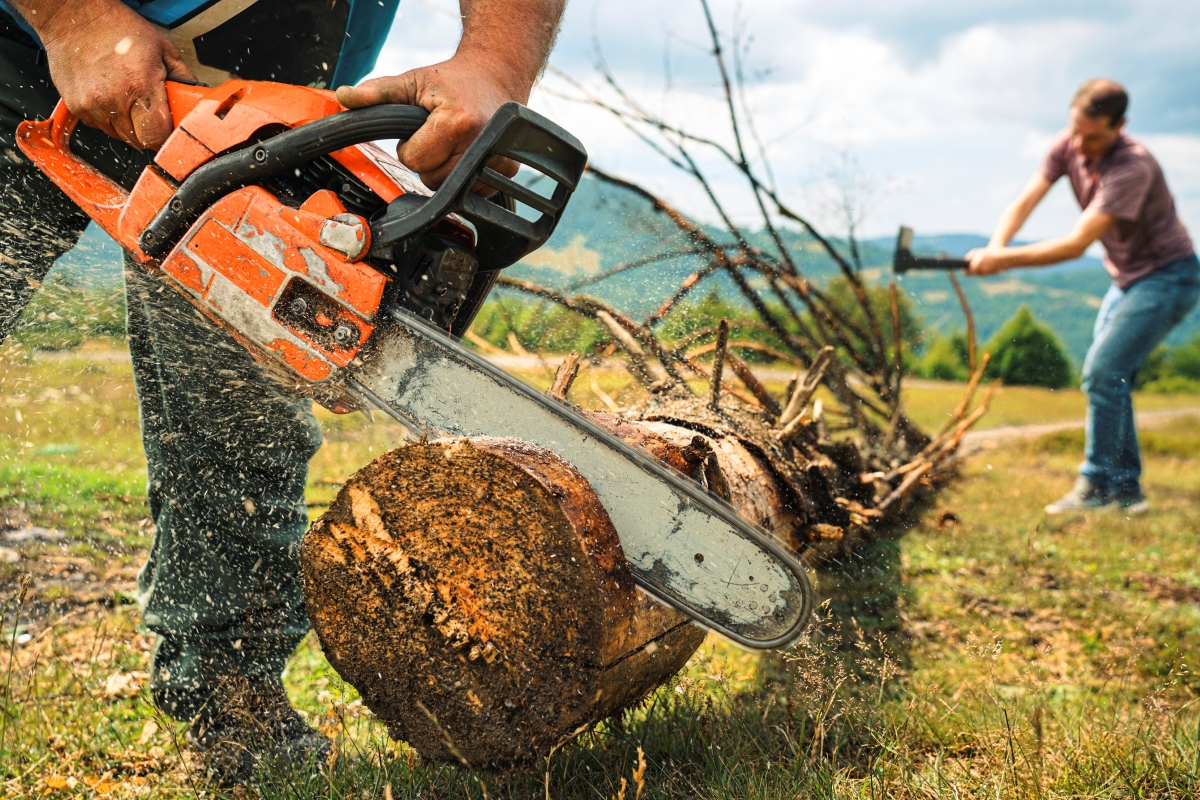
Image source: bobvila.com
Chainsaw Maintenance and Sharpening Basics
A well-maintained saw is safer and cuts better. Develop a simple routine and stick to it.
Sharpening Your Chain
Sharpening isn't difficult, but it requires the right tools and technique. Use a round file that matches your chain's pitch and a filing guide to maintain the correct angle.
File each tooth evenly, using the same number of strokes on every tooth. Check the raker depth with a gauge occasionally—wrong raker height makes the chain grab too aggressively or cut too slowly.
Aim for touch-ups after every tank of fuel or battery charge. Little and often beats letting the chain get completely dull.
Bar Care
Flip the bar each time you sharpen to equalize wear on the rails. Clean the oil groove and oil port with a small screwdriver or bar groove cleaner. Check the sprocket at the tip for smooth rotation and replace it if it's worn or cracked.
Powerhead Maintenance
- Clean or replace the air filter regularly
- Inspect the spark plug on gas models; replace annually or as needed
- Keep battery contacts clean and dry
- Store fuel and oil in sealed containers away from moisture
A chainsaw chain will eventually need replacement. Knowing the typical lifespan helps you plan your maintenance schedule.
Troubleshooting Common Problems
Your saw will tell you when something's wrong. Learn to recognize the signs.
| Problem | Likely Cause | Solution |
|---|---|---|
| Blue smoke from bar | Poor oil flow | Check oil level, clean oil groove |
| Crooked cuts | Dull or uneven chain | Sharpen or replace chain |
| Excessive vibration | Loose chain or damaged links | Adjust tension, inspect chain |
| Chain won't stay tight | Worn chain or bar | Replace worn components |
| Engine won't start | Stale fuel or clogged filter | Drain fuel, clean or replace filter |
Stop immediately if the chain brake feels weak, the throttle sticks, or the bar appears bent. Continuing with a damaged saw risks serious injury.
Storage and Transport Best Practices
How you store and move your saw determines whether it's ready when you need it next.
After Every Use
Let the saw cool completely. Wipe off sawdust, sap, and debris. Top up the bar oil so it's ready next time. Loosen the chain tension slightly for storage. Sheath the bar to protect both the chain and anything it touches.
Long-Term Storage
For gas saws, either drain the fuel or add stabilizer and run the saw for a few minutes to circulate it. Store in a dry, elevated location. Remove and store batteries separately in a cool, dry place.
Transporting
Always use the bar cover and engage the chain brake before moving the saw. In a vehicle, secure it so it can't roll around. Never carry a chainsaw by the bar.

Image source: familyhandyman.com
Frequently Asked Questions
What size chainsaw is best for a beginner?
A 14 to 16-inch bar is ideal for most first-time users. It handles the typical yard tasks—firewood, fallen branches, small trees—while staying light enough to control confidently.
Should I start with gas or battery?
For most beginners, battery-powered saws offer the easiest learning curve. They're quieter, lighter, and require no fuel mixing. Choose gas if you'll be doing heavy, sustained cutting on large wood.
How tight should the chain be?
The chain should be snug against the bar but still pull around with moderate effort by hand. If it sags beneath the bar, tighten it. If it's too tight to move, loosen slightly.
How do I prevent kickback?
Don't let the upper tip of the bar contact anything, keep both hands on the saw with thumbs wrapped, use a low-kickback chain, and always keep the chain sharp.
How often should I sharpen the chain?
After every tank of fuel or battery charge, or immediately if you hit dirt or metal. Frequent light sharpening is faster than letting the chain get completely dull.
Can I cut green or wet wood?
Yes, but the chain will dull faster and sap will build up. Keep bar oil flowing and clean the chain more frequently. Adjust your expectations for cut speed.
What oil should I use for the bar and chain?
Dedicated bar and chain oil is formulated for chainsaws. It's stickier than motor oil and won't fling off at high speeds. Don't substitute other oils for routine use.
Conclusion
Using a chainsaw safely and effectively comes down to preparation, technique, and respect for the tool. Start with the right safety gear and a saw that matches your experience level. Practice on small, manageable logs before taking on bigger projects. Keep the chain sharp, the oil flowing, and your attention fully on the cut.
The skills you build now—proper stance, controlled cuts, confident maintenance—will serve you for years. As you gain experience, you can expand into more advanced techniques like felling and heavy firewood production. But even then, the fundamentals remain the same.
If you're also maintaining other outdoor power equipment, understanding how to keep your gear in shape saves time and money. Likewise, choosing the right tools for each outdoor task makes every project easier. Start with a small, safe project this week. Get comfortable with your saw's weight, balance, and sound. Before you know it, you'll cut with confidence and precision.