How Hard Is It To Use A Chainsaw

How Hard Is It To Use A Chainsaw: Safety Tips For 2026

The honest answer is: moderately hard for most adults, but entirely learnable with the right approach. Using a chainsaw isn't about brute strength—it's about control, preparation, and respect for the tool. In 2026, with lighter electric options and better safety features, the learning curve is shorter than ever, but the risks remain real. A dull chain, poor stance, or skipped safety gear turns a manageable job into a dangerous one. This guide breaks down exactly what makes chainsaws feel difficult, how to master the fundamentals fast, and the safety habits that separate confident operators from statistics.

What "How Hard Is It To Use A Chainsaw" Really Means

Most people asking this question want three things answered: the physical effort involved, the skill required, and the actual risk. The short version is that a chainsaw does the hard work—the saw cuts, not you. What makes it challenging is learning to guide the tool safely while anticipating what could go wrong. You can also read our guide on how does a chainsaw work.

The difficulty sits in four areas:

  • Physical demands – Managing weight, vibration, and posture over extended periods
  • Technical skill – Understanding cut types, chain dynamics, and kickback zones
  • Safety awareness – Recognizing hazards like tension, pinch points, and unstable wood
  • Judgment – Knowing when a job exceeds your ability level

None of these are insurmountable. They do require deliberate practice, though. Think of a chainsaw as a power tool with a sharp mind of its own—it will work for you if you guide it well, but staying ahead of what can go wrong is the real job.

Key Factors That Make It Feel Hard

Several variables dramatically change how difficult a chainsaw feels on any given day. These are the factors that separate a smooth session from a frustrating one:

Factor Easy Scenario Hard Scenario
Saw weight Light battery model, under 10 lbs Heavy gas saw, 15+ lbs
Chain condition Freshly sharpened, correct tension Dull, loose, or damaged
Wood type Dry, small-diameter softwood Green, large hardwood logs
Body position Cuts at waist height, stable stance Overhead cuts, awkward angles
Job type Simple bucking on a stand Limbing under tension or felling

Weight and balance matter more than raw power. A heavy gas saw wears you out quickly, and fatigue is the enemy of control. Chain sharpness is the second biggest factor—a dull chain doesn't just cut slower; it forces you to push harder, which increases kickback risk and reduces accuracy. For more on this, see our guide on how to use a chainsaw mill.

Your stance and grip complete the equation. Feet shoulder-width apart, saw held close to the body with two hands, and cuts kept between knee and chest height—these basics keep you balanced and in control.

Skills You Need Before You Pull the Cord

You don't need years of experience to make safe, basic cuts. But you do need a handful of fundamentals locked in before starting the engine:

  1. Safe starting procedure – Engage the chain brake, place the saw on flat ground, and pull the cord or press the start button with your foot through the rear handle
  2. Chain brake operation – Know where it is and practice engaging it without looking
  3. Throttle control – Feather the trigger; you don't always need full RPM
  4. Kickback awareness – The upper quadrant of the bar tip is the danger zone—never let it touch anything
  5. Two-handed grip – Left hand on the front handle, thumb wrapped under (not over) the top
  6. Situational scanning – Check for bystanders, obstacles, spring poles, and overhead hazards before every cut

These skills take about one focused session to learn and a few more to feel natural. The goal isn't to become an expert—it's to build enough muscle memory that you aren't thinking about the technique while making a cut.

Safety Gear and Setup That Make It Easier

Proper safety gear doesn't just protect you—it reduces stress and makes the saw feel easier to handle. When you know you're protected, your grip relaxes, your movements become smoother, and your decisions improve.

The minimum package for 2026:

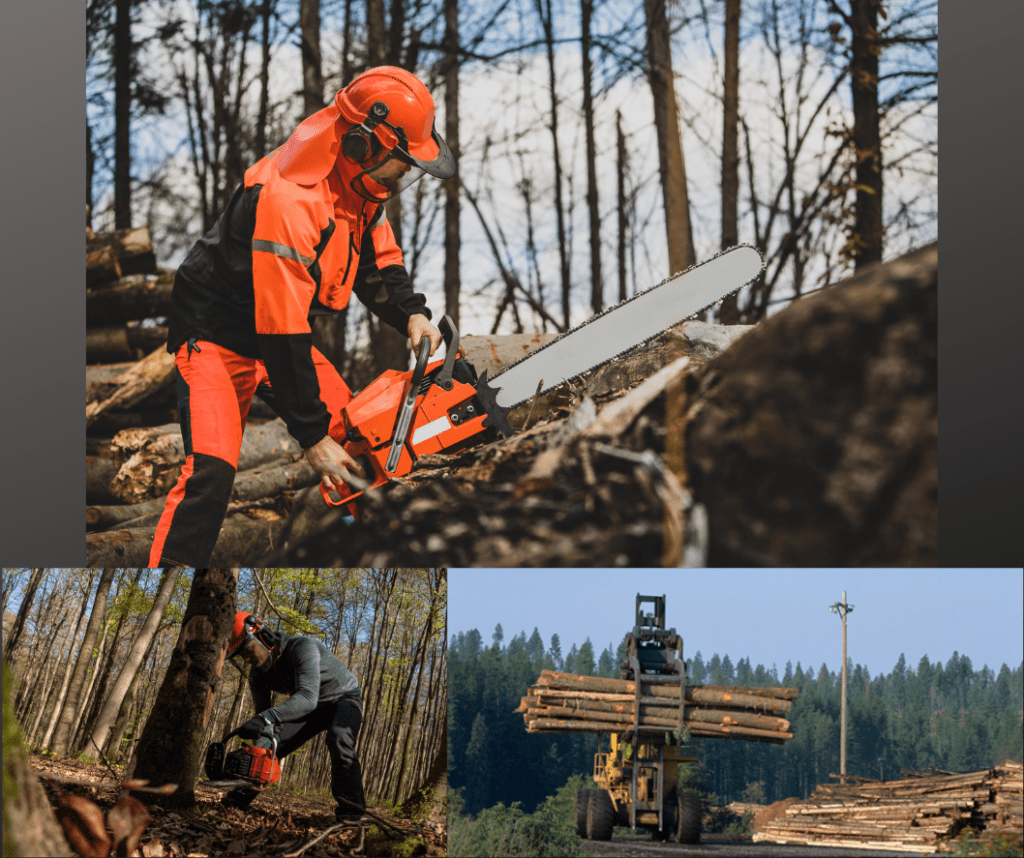
  • Helmet with face screen and ear muffs – Protects head, eyes, and hearing in one unit
  • Cut-resistant chaps – These are not optional; they buy critical time if the chain contacts your leg
  • Gloves with grip – Keep a secure hold even with vibration
  • Steel-toe boots with good tread – Footing prevents slips that cause accidents
  • First-aid kit and charged phone – Within reach, not locked in the truck

Before every session, run a two-minute inspection. Check chain tension (it should snap back when pulled from the bar, then sit snug), bar oil level, chain brake function, and fuel or battery charge. This checklist converts chaos into control and directly answers how hard a chainsaw feels to manage.

Picking the Right Saw Changes Everything

The saw you choose shapes your entire experience. In 2026, the market offers more options than ever, and picking the right one for your needs is the single best way to lower the difficulty curve.

Battery vs Gas: Which Eases the Learning Curve?

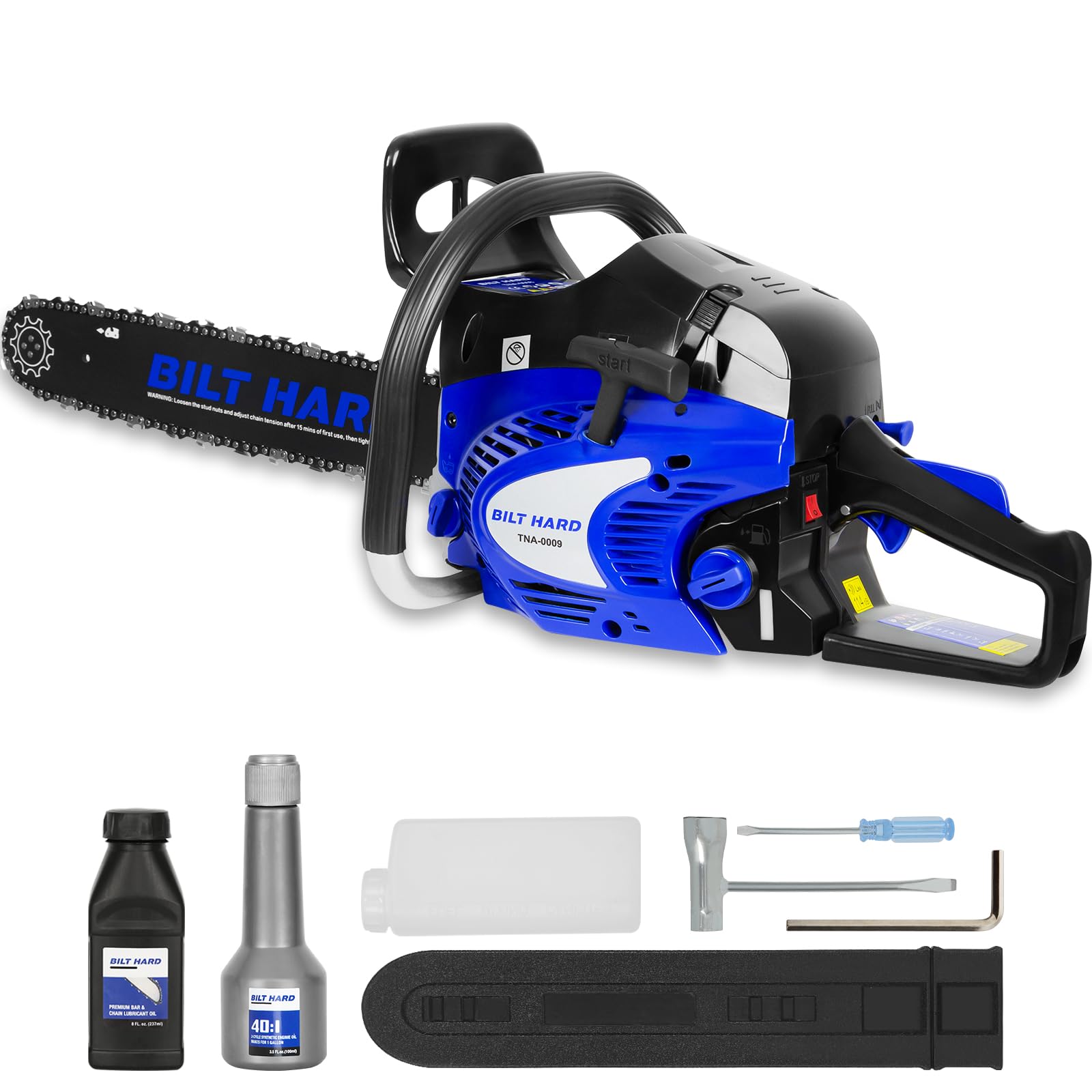
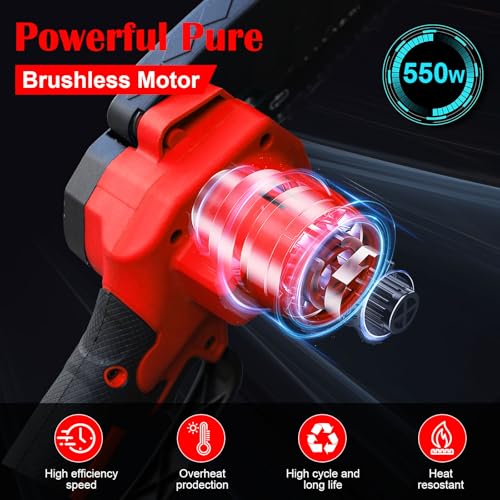
Battery-powered saws have improved dramatically in recent years. For beginners, they offer clear advantages: instant start, no fuel mixing, less vibration, and significantly less noise. A modern 40V or 60V electric saw handles most homeowner tasks—limbing, small felling, and firewood cutting—without the intimidation factor of a gas engine.

Gas saws still win for extended use and larger timber. They offer more sustained power and unlimited runtime with refuels. But they're heavier, louder, and require fuel mixing and more maintenance. If you're just starting, the choice comes down to your typical job size.

Bar Length and Weight

Bar length should match the wood you cut, not your ambition. A 14-16 inch bar handles most residential work and feels much more maneuverable than a 20+ inch bar. Shorter bars give you better control and reduce kickback risk.

Weight matters equally. A saw that fatigues you after twenty minutes becomes dangerous. Try to keep your first saw under 12 pounds. Lighter saws let you focus on technique rather than wrestling the tool.

Features Worth Paying For

  • Tool-free chain tensioning – Adjust the chain without wrenches, a game-changer for beginners
  • Low-kickback chain – Reduces the severity of kickback events
  • Anti-vibration mounts – Reduce hand fatigue and improve control
  • Automatic chain oiler – Ensures the bar stays lubricated without constant attention

If you're debating between gas and electric, it's worth understanding the full comparison before committing to a platform.

A Simple First Session Plan

Your first session should feel calm, controlled, and boredom-adjacent. That's a good thing. Here's a structure that works:

Step 1: Setup (15 minutes)

  • Choose a flat, clear area with no bystanders or pets
  • Place a small log (4-6 inches diameter) on a saw stand or between two solid supports
  • Lay out your PPE and do your pre-cut inspection

Step 2: Dry Practice (10 minutes)

  • With the saw off, practice engaging and releasing the chain brake
  • Rehearse your stance and grip
  • Walk through the kill switch location

Step 3: First Cuts (30 minutes)

  • Start the saw and let it idle for 30 seconds
  • Rev the throttle briefly to confirm chain lubrication (check for oil spray on the bar)
  • Make shallow cuts on your practice log, letting the saw's weight do the work—no pushing
  • Stop after five cuts and check chain tension again

Step 4: Stop and Reflect

  • End your session before you get tired—usually after about 30-40 minutes of actual cutting
  • Clean the saw, check the chain, and note what felt awkward

The goal of the first session is building confidence, not producing firewood. Short wins compound faster than long struggles.

Common Mistakes That Make It Harder (And Safer Habits)

Everyone makes mistakes early on. Recognizing and correcting them quickly is what separates skilled operators from repeat offenders.

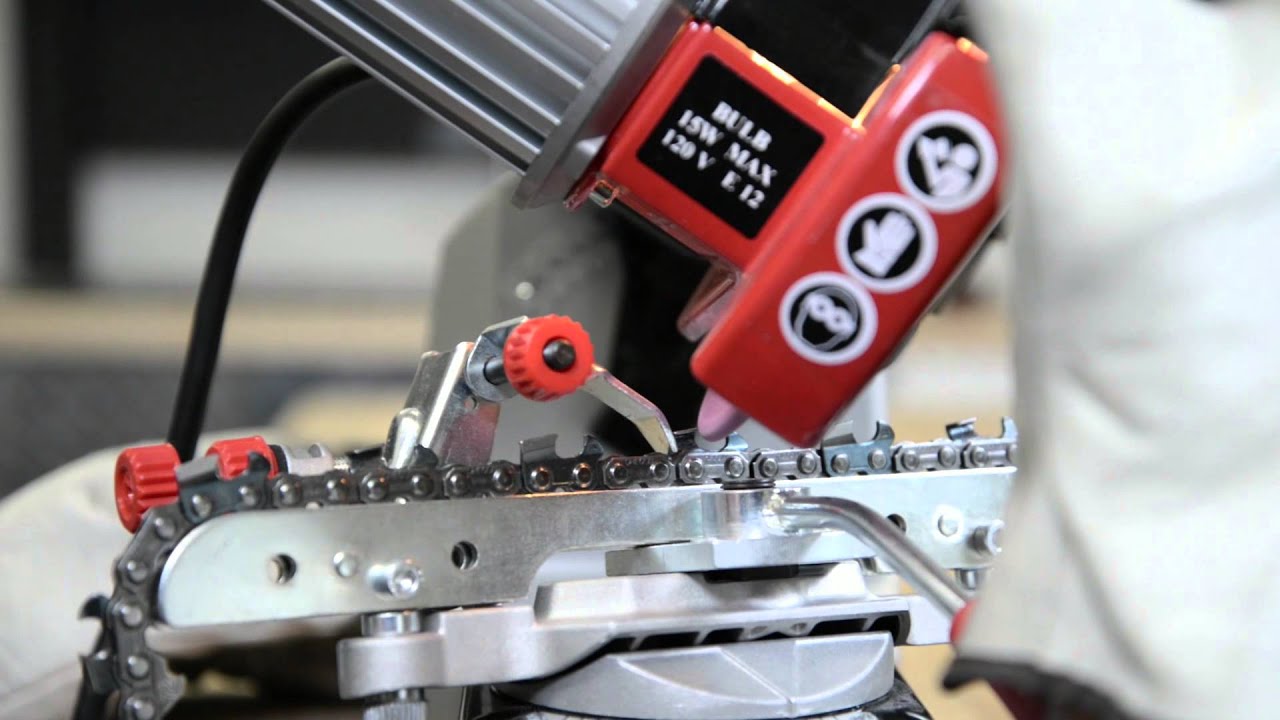
Mistake 1: Using a dull chain – The most common issue by far. A dull chain produces fine sawdust instead of coarse chips, requires you to push hard, and increases kickback risk. Sharpen your chain with a file every few hours of use, or swap it out when in doubt.

Mistake 2: Overreaching or cutting above shoulder height – Anything above your chest compromises your balance and puts the bar tip in a dangerous position. Move the work to your level, or call it done and get a ladder—or a professional.

Mistake 3: Ignoring kickback zones – The bar tip's upper quadrant is where kickback happens. Keep it clear of wood, the ground, and anything else it might touch unexpectedly.

Mistake 4: Skipping chaps or eye protection – Gear is cheaper than stitches. Chaps are designed to clog the chain within milliseconds of contact, giving you time to release the throttle.

Mistake 5: Working when tired – Fatigue is a silent killer in chainsaw work. Stop before you're exhausted, not after.

Fatigue, Noise, and Fear: The Hidden Load

Three invisible factors make chainsaw work feel twice as hard as it should: fatigue, noise, and fear.

Fatigue – The physical toll of managing a vibrating, 10+ pound tool for extended periods compounds quickly. Your grip weakens, your reaction time slows, and your judgment degrades.

Noise – Prolonged exposure to chainsaw noise (typically 100-115 dB) contributes to mental fatigue even with hearing protection. Take breaks in a quiet area.

Fear – Anxiety about kickback or losing control tenses your muscles, which paradoxically increases the risk. The solution isn't to ignore fear—it's to address its sources: sharp chains, proper PPE, and gradual exposure.

Take a 10-minute break every 45 minutes of cutting. Drink water, stretch your hands, and walk away from the noise. Your next cutting session will be noticeably smoother.

Maintenance Basics Make a Big Difference

Simple upkeep is the secret edge that turns a fight into a smooth cut. A well-maintained saw is safer, easier to control, and cuts faster than a neglected one.

Weekly Maintenance Routine

Task Frequency Why It Matters
Sharpen chain Every 2-3 hours of use Reduces effort and kickback risk
Check chain tension Before every use Prevents derailment and binding
Clean air filter Weekly Prevents power loss and stalling
Check and fill bar oil Before every use Prevents bar and chain overheating
Inspect chain brake Before every use Nothing matters if the brake fails
Clean bar groove Weekly Ensures proper oil flow along the bar

Reading the Signs

  • Sawdust is fine and powdery – Chain is dull; sharpen immediately
  • Cut wanders or pulls sideways – Chain might be unevenly sharpened or damaged
  • Bar runs hot – Check oil flow and clear the bar groove
  • Chain derails during cuts – Tension is loose or bar is worn

Chain Replacement

Chains wear out. A general guideline is that a chain lasts about as long as the bar needs replacing—roughly 1:2 in terms of lifespan. That said, knowing when to stop sharpening and replace the chain entirely is a core skill. Replacing a worn chain is safer and more efficient than forcing one more sharpen.

When to Call a Pro

Some jobs need a professional, regardless of your skill level. Recognizing these situations is a strength, not a failure.

Call a pro if:

  • The tree leans toward a structure, powerline, or road
  • The tree is storm-damaged with visible cracks or hanging limbs
  • The tree is significantly larger than your bar length (diameter greater than your bar's cutting length)
  • You suspect rot or decay inside the trunk
  • The tree is in a confined space where a controlled fall direction is critical

You can handle it yourself if:

  • The tree is standing straight and clear
  • The trunk diameter is less than your bar length
  • You have clear fall zones and escape routes
  • The wood is sound and dry

Felling is the most dangerous chainsaw task and the one most often delegated to pros. Know your limits. The cost of a professional is far less than the cost of an injury.

Cost, Time, and Learning Curve at a Glance

The full answer to "how hard is it to use a chainsaw" includes time and money. Both shape the experience.

Category Cost Range Notes
Saw (battery) $150–$400 Includes battery and charger
Saw (gas) $200–$600 Plus fuel and oil costs
PPE kit $100–$250 Helmet, chaps, gloves, boots
Sharpening tools $15–$40 File, guide, or electric sharpener
Bar oil $10–$20 per season Essential for every saw
Replacement chains $20–$40 each Budget for one per season

Time to learn: A few hours for safe basics. A few weeks of regular practice to feel comfortable. Several months to become truly skilled. Most people reach a "good enough for yard work" level within one season of weekend use.

Budget for the full cost—a saw without PPE isn't a project, it's an accident waiting to happen.

Frequently Asked Questions

Is a chainsaw too hard for a beginner?

No. With the right saw, proper training, and full PPE, a beginner can learn safe, basic cutting in a single session. Start small, use a light battery saw if possible, and practice on logs before attempting anything standing.

What size chainsaw is easiest to start with?

A light battery saw with a 14-16 inch bar is the easiest starting point. It reduces weight, noise, and intimidation, letting you focus on technique rather than managing the tool.

How long does it take to get comfortable?

Most people feel safe after three to five short sessions. Real confidence develops over a few months of steady practice. Overconfidence before that point is the biggest risk.

Is electric safer than gas for new users?

Electric saws are simpler to start and lighter, which helps reduce accidents related to fatigue and fumbling. Safety still depends on sharp chains, good habits, and proper PPE—the power source is a secondary factor.

What makes a chainsaw feel hard to control?

A dull chain, poor stance, and a heavy saw make control difficult. Fixing those three issues makes a dramatic difference in manageability.

Can I skip chaps if I'm careful?

No. Chaps are designed to give you precious seconds when a kickback or slip directs the chain at your leg. Even professionals wear them because mistakes happen fast and without warning.

How often should I sharpen the chain?

Touch up the chain every 2-3 hours of use, or immediately when cut speed drops or sawdust becomes fine and powdery. A sharp chain is the fastest safety tool you have.

Conclusion

How hard it is to use a chainsaw comes down to three controllable factors: the saw you choose, the preparation you do, and the habits you build. With a light, well-maintained saw, full PPE, and a structured approach to learning, most adults can master safe, clean cuts in a few sessions. The tool rewards skill and preparation far more than it rewards strength.

Start with the right equipment for your body and job size. Run your safety inspection every single time. Practice on small logs before attempting real work. And above all, know when to step back and call a professional.

Set up your gear, plan a short first session, and focus on form. If a job looks risky, hire a pro and study how they approach it. Your safety and confidence will grow together—that's the real answer to the question.

Similar Posts

Leave a Reply

Your email address will not be published. Required fields are marked *