What Part Of Chainsaw Chain Cuts: Cutters Vs Rakers Guide
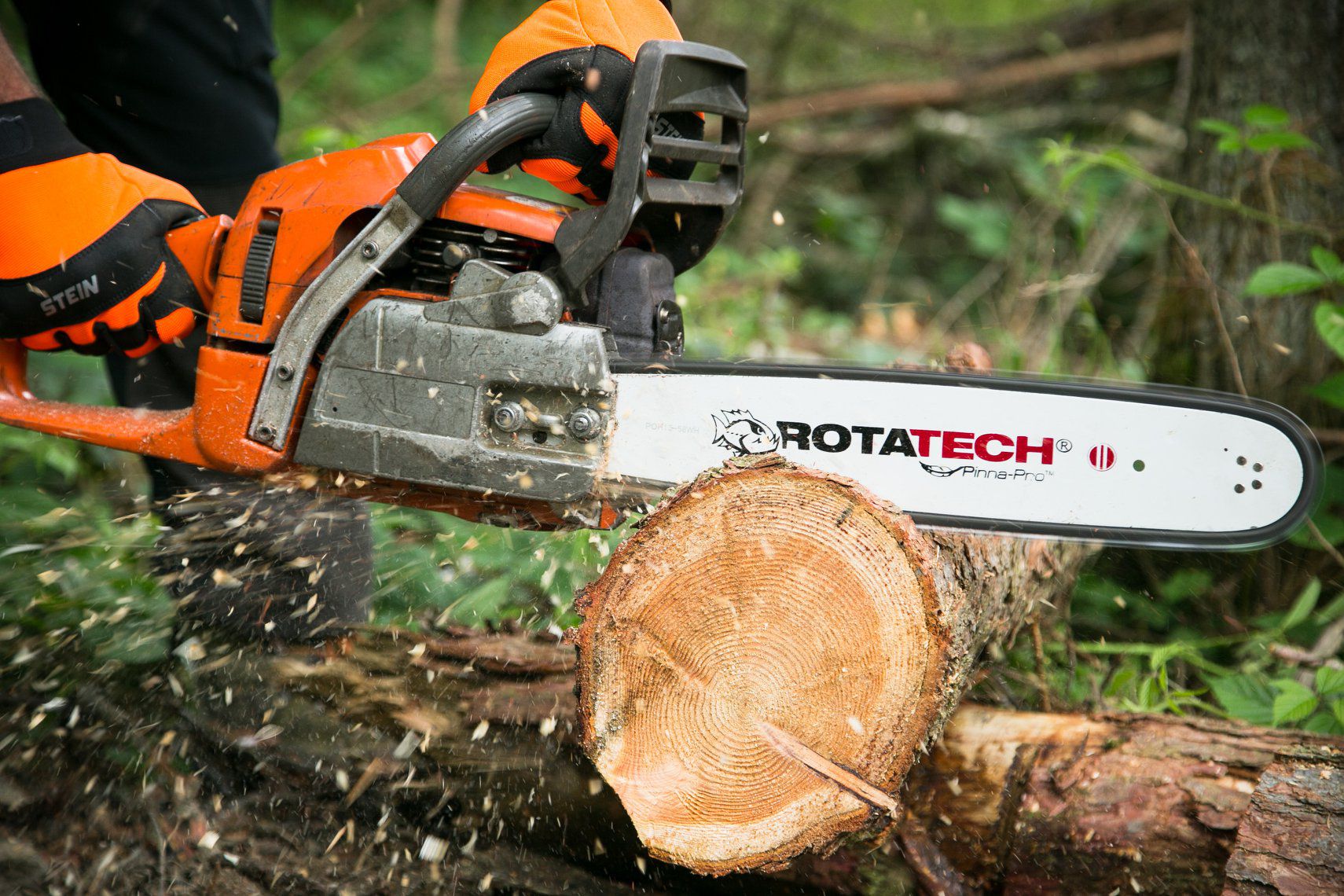
The sharpened cutter teeth, especially the top plates and side plates, actually cut wood.
If you ask what part of chainsaw chain cuts, the answer is simple but deep. As a pro who has tuned hundreds of chains, I will show how those small teeth do the real work, why depth gauges matter, and how to keep every cut fast, straight, and safe. Stick with me and you will master what part of chainsaw chain cuts and get more life from your saw.

Anatomy of a Chainsaw Chain
Understanding what part of chainsaw chain cuts starts with the parts you can see and touch. A chain is a loop of links, riveted together, that rides on the bar and around the drive sprocket. Only one link type actually cuts wood: the cutter tooth.
Key parts at a glance:
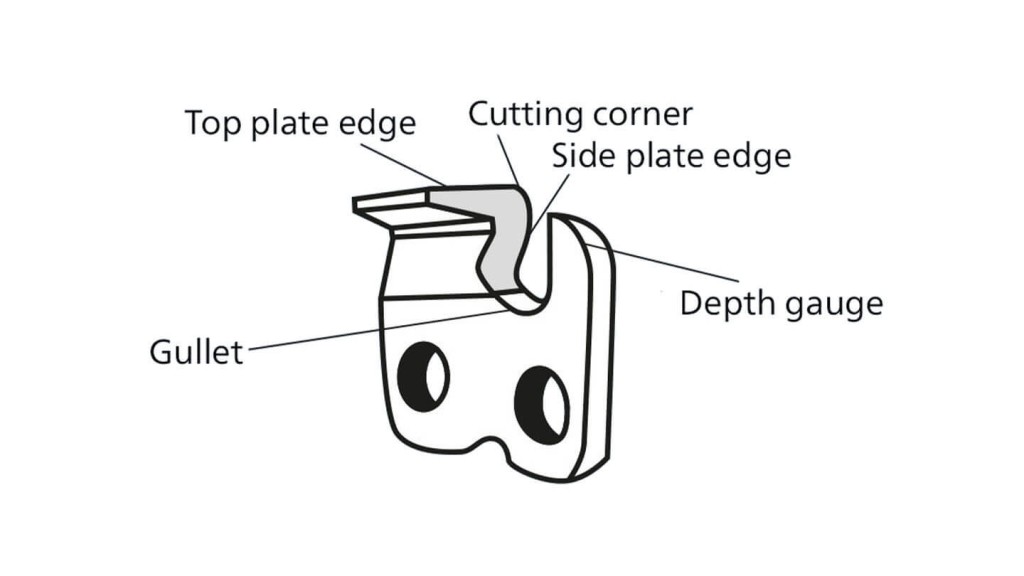
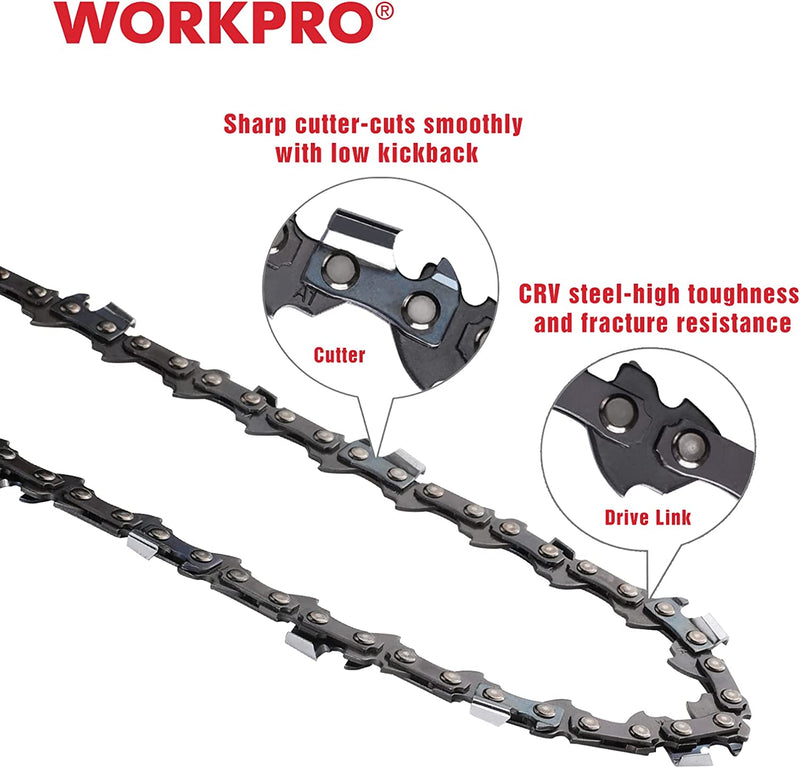
- Cutter tooth: Has a top plate, side plate, and a sharp cutting corner. This is the part that slices wood.
- Depth gauge or raker: A small fin in front of each cutter. It sets how deep the tooth bites.
- Drive link: The lower fin that rides in the bar groove and engages the sprocket.
- Tie-strap and rivets: They hold the chain together and set spacing and pitch.
- Gullet: The curved area under the top plate. It clears chips from the cut.
When someone asks what part of chainsaw chain cuts, point to the cutter tooth and its sharp top and side plates. The rest supports, guides, and controls it.

How a Cutter Tooth Slices Wood
To see what part of chainsaw chain cuts in action, watch one tooth as it moves. The depth gauge sets the bite. The cutting corner meets the wood first. The top plate then skims off a chip. The side plate helps shear the fibers so the chip can break free.
What happens next is simple:
- The gullet carries the chip out of the kerf.
- Oil on the bar reduces heat and drag.
- Chain speed keeps chips moving and prevents clogging.
When all teeth share the same angles and height, the cut feels smooth. If one side is off, the saw will pull or wander.
Drive Links, Tie-Straps, and Rakers: Roles and Limits
People often ask what part of chainsaw chain cuts besides the tooth. The truth is, nothing else does the slicing. Drive links only steer the chain and carry oil down the bar groove. Tie-straps and rivets only hold parts in line.
Depth gauges do not cut. They only control how much the cutter bites into wood. This small detail changes how fast you cut and how safe it feels.
Understanding Depth Gauges (Rakers) and Their Set
When learning what part of chainsaw chain cuts, you must learn raker set. The depth gauge is the small fin in front of each tooth. Its height vs the cutter top plate sets chip thickness.
Practical rules from the field:
- Typical raker setting is about 0.025 inches for many chains.
- In soft wood or with low power, you may use a slightly smaller setting to avoid bogging.
- If rakers are too high, the saw makes dust and cuts slow.
- If rakers are too low, the saw grabs, chatters, and can kick back.
I use a flat file and a raker gauge for a safe, even set. A few light strokes are often enough.
Chain Types and Profiles
No matter what profile, what part of chainsaw chain cuts stays the same: the cutter tooth. But tooth shape affects speed, edge life, and safety.
Common profiles:
- Full-chisel: Square corner. Very fast in clean softwoods. Dulls faster in dirty wood.
- Semi-chisel: Rounded corner. Slower but holds an edge longer. Better in hardwood or dirty wood.
- Low-profile: Shorter cutters. Lower kickback risk. Good for small saws and pruning.
I switch to semi-chisel when cutting old logs or storm wood. It saves time on touch-ups and keeps cuts cleaner.

How Chain Speed, Bar, and Power Affect Cutting
More chain speed means more chips per second. It does not change what part of chainsaw chain cuts, but it helps the cutter do its job. The bar length and engine power must match the chain and wood size.
Keep this balance in mind:
- A long bar on a small saw slows chain speed and stresses the engine.
- A short, sharp chain on a strong saw rips fast and clean.
- Proper chain tension keeps the cutter stable and reduces chatter.
I watch chip size as I cut. Big, even chips show the setup is right.

Maintenance: Sharpening, Filing Angles, and Set
If your cuts are slow, review what part of chainsaw chain cuts and how to sharpen it. Sharp cutters do the work. Dull cutters make heat and dust.
Simple sharpening steps:
- Pick the right round file for your chain pitch. For many common chains, that is 5/32, 3/16, or 7/32 inches.
- Hold the file level and match the top-plate angle. Many chains like 25–35 degrees.
- File from inside to outside, same stroke count per tooth.
- Keep tooth lengths even on both sides to avoid curved cuts.
- Check rakers every 2–3 sharpenings with a gauge.
Quick signs you need to sharpen:
- The saw makes dust, not chips.
- You need to push hard.
- The cut veers left or right.
- Smoke or burn marks appear.
I carry a stump vise and a file guide. A two-minute touch-up in the field beats a full grind later.
Safety, Kickback, and Working Position
Knowing what part of chainsaw chain cuts helps you avoid kickback. Kickback happens at the upper tip of the bar. That is where the cutter can grab and throw the bar up and back.
Stay safe with these habits:
- Wear eye and ear protection, gloves, boots, and chaps.
- Use the chain brake when moving or starting.
- Keep both hands on the saw and stand balanced.
- Avoid burying the upper tip in wood.
- Keep your chain sharp and your rakers correct.
I once saw a fresh chain with rakers filed too low. The saw chattered and tried to climb. A quick raker check fixed it at once.
Troubleshooting Cut Quality
When you know what part of chainsaw chain cuts, you can diagnose issues fast. Many problems trace back to cutter sharpness, angle, or raker set.
Match symptoms to fixes:
- Curved cuts: Teeth are longer or sharper on one side. Even them out.
- Slow cuts and dust: Dull teeth or rakers too high. Sharpen and set rakers.
- Grabby feel or chatter: Rakers too low or chain loose. Raise rakers and tension the chain.
- Burn marks: Dull cutters, poor oiling, or too much pressure. Sharpen and check oil flow.
- Vibration: Damaged cutters or bent tie-straps. Replace the chain if needed.
I mark the first tooth I file with a pen. That avoids double filing and keeps things even.
Frequently Asked Questions of what part of chainsaw chain cuts
What part of chainsaw chain cuts when I start a cut?
The cutter tooth does the cutting, using its top plate and side plate corner. The depth gauge only controls the bite and does not cut.
Does the raker cut wood at all?
No. The raker, or depth gauge, sets chip thickness. The cutter tooth does the actual slicing.
How can I tell what part of chainsaw chain cuts is dull?
Look for rounded cutting corners and shiny edges. If you see dust instead of chips, the cutters are dull.
Which angle matters most for what part of chainsaw chain cuts?
The top-plate filing angle matters most for chip formation. Keep it consistent, usually between 25–35 degrees for crosscut work.
Do drive links help with what part of chainsaw chain cuts?
Drive links do not cut. They ride in the bar groove and engage the sprocket to move the chain.
What improves the bite of what part of chainsaw chain cuts?
A correct raker height improves bite without grabbing. Sharp cutters with even length finish the job.
Can chain type change what part of chainsaw chain cuts?
No. Full-chisel, semi-chisel, and low-profile chains all cut with the same cutter tooth. The profile only changes speed, edge life, and kickback risk.
Conclusion
The cutter tooth is the star of every clean, fast cut, and the depth gauge is its trusty guide. Keep those teeth sharp, keep the rakers set right, and you will cut straighter, quicker, and safer. Take a few minutes to tune your chain today, test the cut on scrap, and feel the difference. If this helped, subscribe for more pro tips, or drop a comment with your cutting challenge.