What Thread Is A Garden Hose: GHT Vs NPT Guide 2026
Most garden hoses use 3/4-11.5 GHT, a straight thread sealed by a washer.
If you have ever wondered what thread is a garden hose, you are not alone. I work with fittings every season, and the same question comes up in homes, shops, and farms. This guide gives clear, tested answers that help you connect the right parts the first time. I will explain what thread is a garden hose in the US and abroad, how to measure it, how to pick adapters, and how to stop leaks for good.
Understanding garden hose threads and why they matter
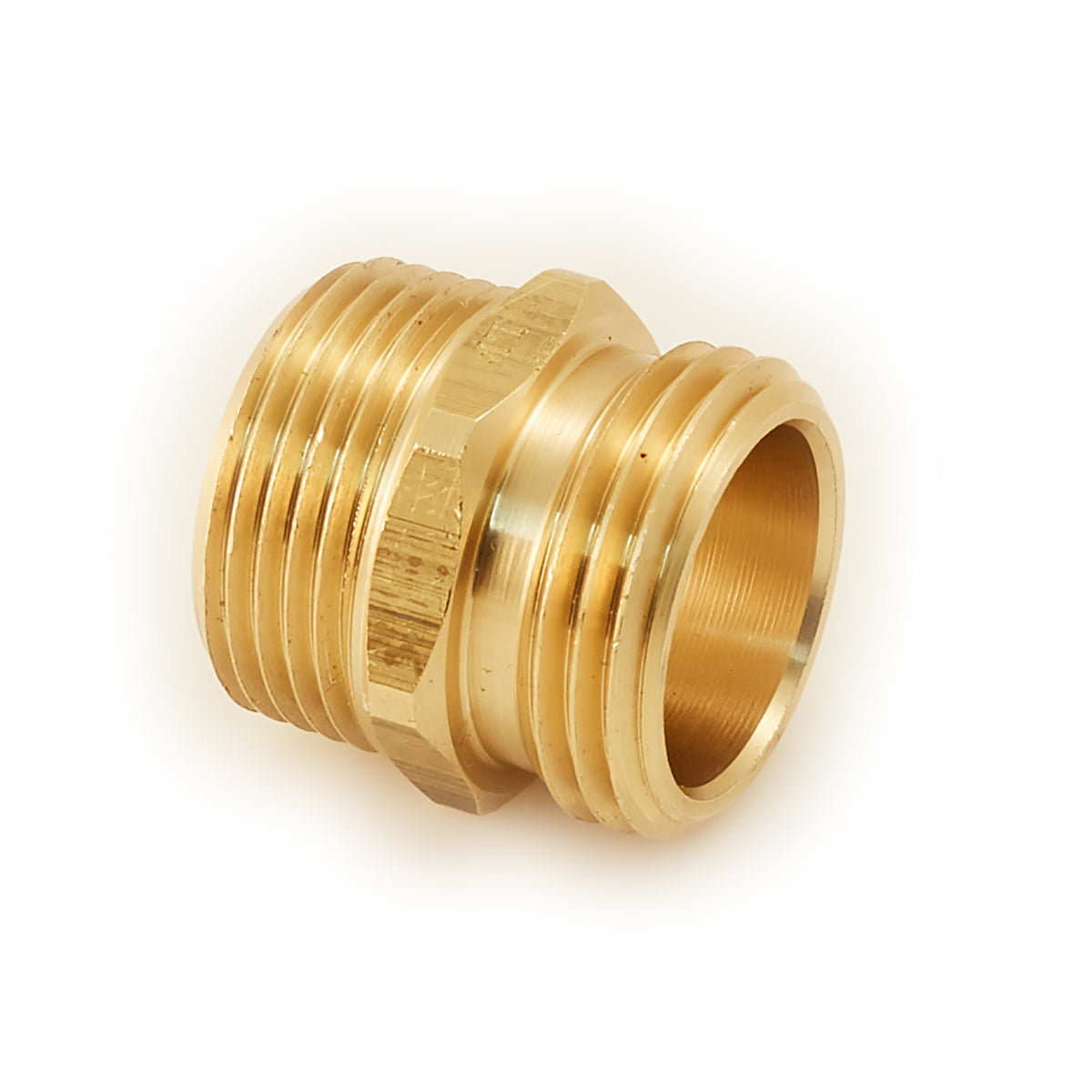
Garden hose threads are the spiral ridges on the ends of your hose and spigot. They let parts twist together to make a seal. The thread type and size must match, or you will get drips, cross-threading, or broken fittings.
Most leaks happen because people mix different thread systems. Garden hose threads are straight, not tapered. This means the threads do not make the seal by themselves. The watertight seal comes from a flat rubber washer that sits in the female end. Knowing what thread is a garden hose helps you pick the right washer and adapter, and it saves time and money.

The US standard: 3/4-11.5 GHT (also marked NH)
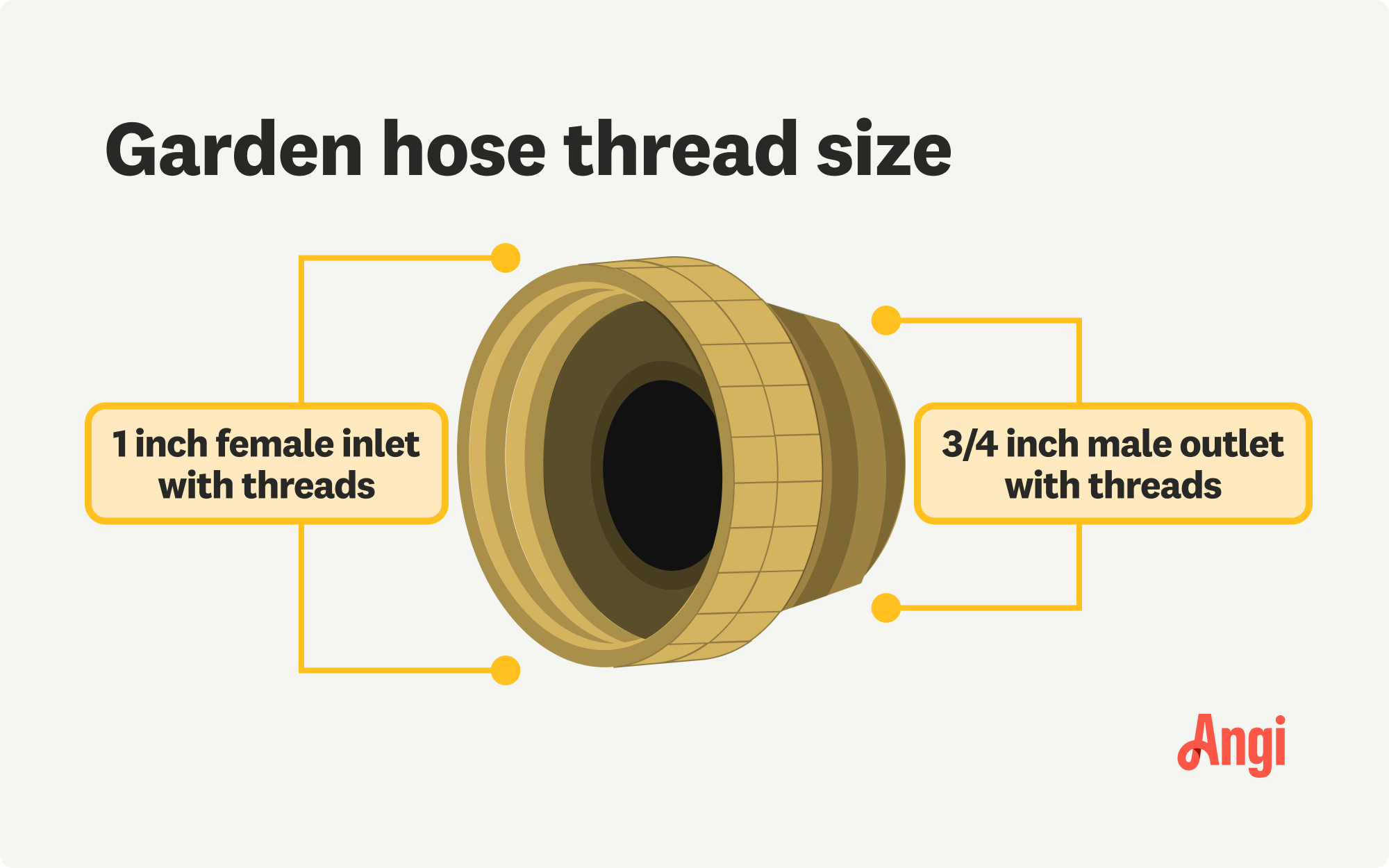
If you ask what thread is a garden hose in the United States and Canada, the answer is 3/4-11.5 GHT. You may also see 3/4-11.5 NH. This is a straight (parallel) thread with 11.5 threads per inch. The outside diameter on a male spigot is about 1.06 inches. The thread form is a 60-degree profile, and it relies on a washer to seal. Do not use thread seal tape on GHT joints. It does not help and can even cause leaks.
Here is how common parts line up:
- Spigot or bibb: male 3/4 GHT
- Hose female swivel: female 3/4 GHT with washer inside
- Nozzles, sprinklers, and wands: male 3/4 GHT
- Splitters and timers: mix of male and female 3/4 GHT ends
Note that hose inner diameter (1/2, 5/8, or 3/4 inch) does not change the thread. A 1/2-inch hose still has 3/4 GHT on the couplers. This is one reason many shoppers ask what thread is a garden hose and get confused by hose size labels.
International standards: BSP, metric, and regional differences
If you are outside North America, what thread is a garden hose often means BSP. The most common outdoor tap thread in the UK, EU, Australia, and New Zealand is BSPP (parallel) in 1/2 inch or 3/4 inch. A 3/4 BSPP male has a 55-degree Whitworth profile and 14 threads per inch. It also seals with a washer or a flat face, not with taper.
Key points by region:
- UK and EU: Taps are often 3/4 BSPP male. Many quick-connect systems include a BSP-to-quick adapter.
- Australia and New Zealand: BSPP is standard on garden taps and fittings.
- Japan and parts of Asia: JIS and PT (BSP-like) threads are common; many adapt to BSP or local quick-connects.
- Cross-border travel or imported parts: Always assume you need an adapter.
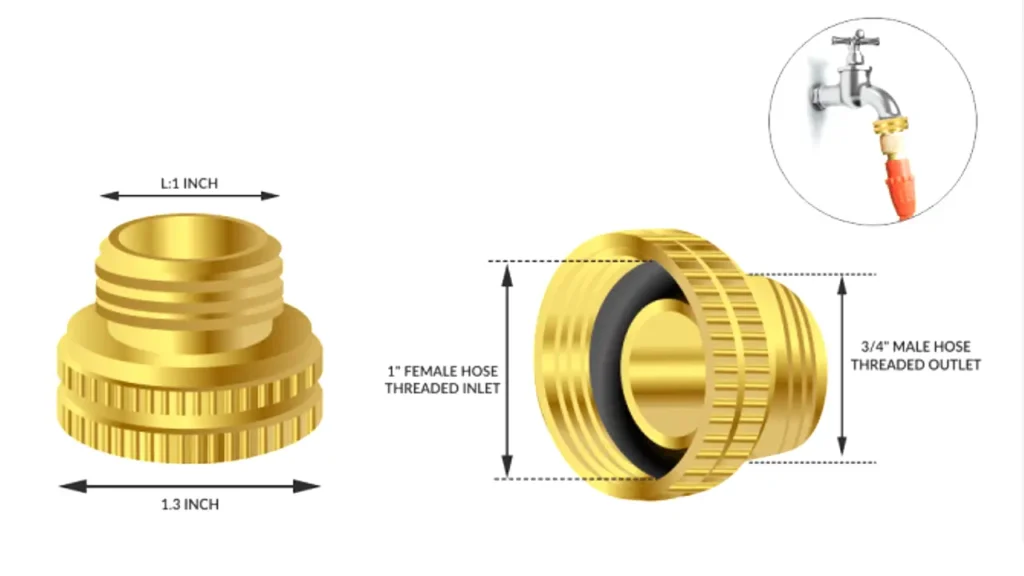
GHT and BSPP do not mate well. They may grab a thread or two but will leak or strip. If you face mixed gear, use a proper GHT-to-BSP adapter. This is the safest way to solve what thread is a garden hose when parts come from different markets.

How to identify what thread is a garden hose at home
You can confirm what thread is a garden hose with a few simple checks. I have done these in the field when a gauge was not handy.
Try these steps:
- Measure outside diameter. A US male spigot is near 1.06 inches. A 3/4 BSPP male is near 26.4 mm.
- Count threads. US GHT is 11.5 TPI. BSPP 3/4 is 14 TPI. Use a thread gauge, or count peaks over an inch with a ruler.
- Check the seal style. If a flat washer makes the seal, it is likely GHT or BSPP. If the joint needs sealant on the threads to hold water, you may be looking at NPT or another tapered type.
- Test with a known part. A cheap female hose-end with a fresh washer is a fast test tool. If it goes on smooth by hand and seats snug, you have a match.
Tip from the yard: If you must ask what thread is a garden hose on a rental property, bring a small kit with a GHT female, a 3/4 BSP female, and a GHT-to-BSP adapter. You will be ready for most taps you find.
Adapters, fittings, and quick-connects that make life easier
When people search what thread is a garden hose, they often need adapters. A small brass adapter is a cheap way to solve a tough mismatch.
Useful pieces to keep on hand:
- GHT male to NPT male or female. Lets you join garden gear to plumbing parts.
- GHT male to BSPP female and the reverse. Solves US-to-UK/EU issues.
- Faucet adapters. Convert kitchen or laundry threads to GHT for a temporary indoor hookup.
- Quick-connect sets. Snap-on couplers save time and reduce wear on threads.
- Washer pack. Keep standard and O-ring style 3/4 washers for fast leak fixes.
Material tips:
- Brass lasts and resists galling. It is my first pick for daily use.
- Stainless is strong and corrosion-resistant but costs more.
- Aluminum is light but can seize if mixed with brass. Use anti-seize or stick with one metal.
- Plastic is fine for low-stress parts but can crack if overtightened.

Common mistakes and how to avoid leaks
I have seen the same five errors for years. Knowing them will save you a soaked shirt and a return trip to the store.
Watch for these traps:
- Mixing GHT with NPT. NPT is tapered and needs sealant. It will not seal to GHT. Use an adapter.
- Cross-threading. Start by hand and turn backward until you feel the first click, then tighten forward.
- Skipping the washer. A missing or hard washer is the number one cause of drips.
- Over-tightening. Hand-tight plus a small nudge with pliers is enough. Crushing the washer shortens its life.
- Frozen couplers. In winter, trapped water expands and cracks fittings. Drain and store indoors.
If you still wonder what thread is a garden hose after a failed hookup, stop and check the washer first. Replace it, then test again. Most leaks vanish with a fresh washer.

Buying guide: choose hoses and nozzles that match the thread
If you shop with a plan, you will not need to ask what thread is a garden hose at checkout. Focus on thread type, flow needs, and build quality.
Use this simple checklist:
- Confirm thread standard. In North America, look for 3/4 GHT on hoses, nozzles, and splitters. In BSP regions, look for 1/2 or 3/4 BSP.
- Pick hose size for flow. 5/8 inch ID balances weight and flow for most yards. 3/4 inch ID helps for long runs or high flow.
- Choose strong couplers. Brass crush-proof ends with a sturdy female swivel last longer.
- Stock extra washers. Standard flat and O-ring washers prevent mid-season leaks.
- Consider quick-connects. They protect threads and speed swaps between tools.
When I kit out a team truck, I add a GHT-to-BSP adapter, a GHT-to-NPT adapter, and a washer kit. That way, no one asks what thread is a garden hose on site. We just connect and work.

Safety, pressure, and sealing best practices
Good thread knowledge also keeps you safe. City water is often 40 to 80 psi. Many hoses rate to 150 psi, but some budget hoses are less. Read the label. For pressure washers, do not rely on garden hose threads on the high-pressure side. Those use M22 or other systems.
Follow these best practices:
- Use the washer, not tape. GHT and BSPP seal with a washer. Tape is for tapered pipe threads.
- Add a vacuum breaker at the spigot. It stops backflow into your home water.
- Choose lead-free fittings for potable use. Look for drinking-water-safe hoses if you fill pet bowls.
- Check for heat. Hot water can soften vinyl hoses. Use a hot-water-rated hose if needed.
If you still need to confirm what thread is a garden hose for a special tool, check the manual. Specs for threads and washers are usually on page one of the parts list.

Frequently Asked Questions of what thread is a garden hose
Is garden hose thread the same as NPT?
No. Garden hose thread is straight and seals with a washer. NPT is tapered and needs sealant to seal.
What size is a standard garden hose fitting?
In the US and Canada, it is 3/4-11.5 GHT. In many other countries, outdoor taps use 1/2 or 3/4 BSPP.
Do I need Teflon tape on garden hose threads?
No. Garden hose threads seal with a flat washer in the female end. Tape can prevent proper seating and cause leaks.
How can I tell if I have GHT or BSP?
Count threads and measure diameter. GHT is 11.5 TPI near 1.06 inches, while 3/4 BSPP is 14 TPI near 26.4 mm.
Can I connect a garden hose to a kitchen faucet?
Yes, with the right adapter. Use a faucet-to-GHT adapter that matches your faucet’s thread type.
Why does my new hose leak at the spigot?
The washer may be missing, hard, or undersized. Replace it and hand-tighten the swivel until snug.
Will a 1/2-inch hose use a different thread?
No. Hose inner diameter does not change the thread. Most garden hose couplers still use 3/4 GHT in North America.
Are quick-connects universal?
No. They depend on the base thread. Choose quick-connects that match GHT or BSP for your region.
Conclusion
You now know what thread is a garden hose, how it seals, and how it differs by region. In North America, it is 3/4-11.5 GHT with a washer seal. In many other places, it is BSPP, often 1/2 or 3/4 inch. With a few adapters, a washer kit, and a quick-connect set, you can handle almost any setup without leaks.
Put this to work today: check your spigot, count the threads, and stock one GHT-to-BSP and one GHT-to-NPT adapter. If this guide helped, share it with a friend, subscribe for more practical tips, or leave a question and I will help you match your fittings.