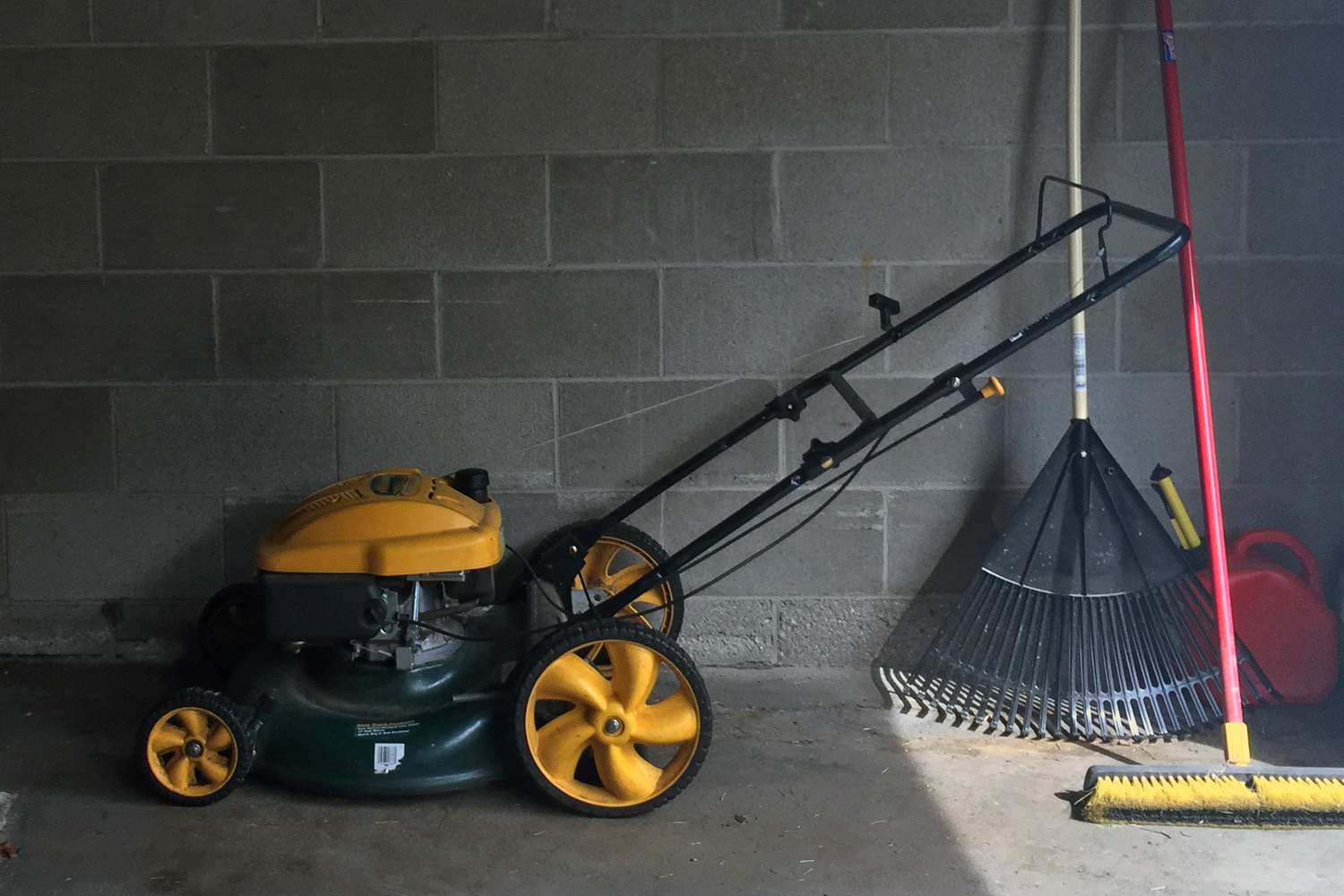
The best fuel additive for lawn mowers protects against ethanol and keeps fuel fresh.
If your mower stumbles, surges, or refuses to start after a few weeks off, you’re not alone. Today’s E10 gas breaks down fast. It pulls in moisture, forms gum, and leaves varnish in tiny jets. That is why many mower owners now treat gas from day one. The right additive stops stale fuel headaches, protects parts, and keeps the first pull easy. I’ve tested these options across seasons and storage cycles. Below, I break down what works, why it works, and which bottle fits your routine.
STA-BIL Storage Fuel Stabilizer, 8 oz
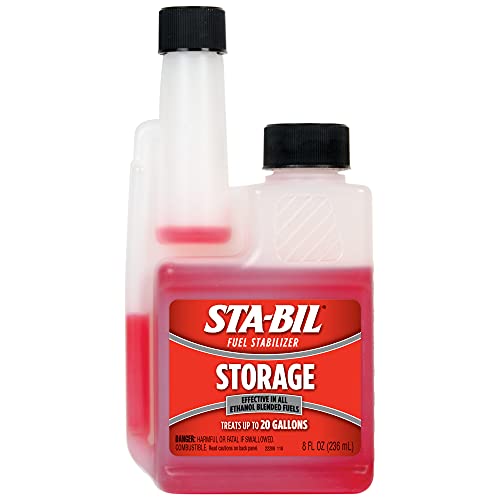
STA-BIL Storage is a classic pick that I trust for winter prep. It keeps gas fresh for up to 24 months, which is ideal for seasonal gear. I have poured it into metal cans and plastic cans with the same steady results. Spring starts are smooth, and I see less varnish on carb parts.
It also helps block rust and corrosion, which is key with ethanol blends. The dosing is simple: a small amount treats a few gallons. I like that the brand has decades of small engine use behind it. If you want a simple storage fix, this is an easy first choice.
Pros:
- Proven long-term storage up to 24 months
- Helps prevent rust and corrosion in the fuel system
- Simple dosing for small gas cans
- Trusted by techs and homeowners for decades
- Great for carbureted mowers and 2-stroke mixes
Cons:
- Not a strong cleaner for dirty carbs
- Best suited for storage, not heavy-duty cleaning
- Overdosing can be easy in tiny tanks if you eyeball
My Recommendation
Pick STA-BIL Storage if you store gas for weeks or months. It is the best fuel additive for lawn mowers that sit all winter. It keeps fuel fresh and protects parts in a simple, low-cost way. Follow the label for the right dose and you will likely avoid spring carb trouble. Stock a bottle before fall so you are ready when the last cut ends.
| Best for | Why |
|---|---|
| Winter storage | Preserves fuel up to 24 months and resists rust |
| Casual users | Easy dosing and reliable results |
| Carbureted mowers | Reduces varnish and gummy deposits during downtime |
Sea Foam Motor Treatment, 16 oz (3-Pack)

Sea Foam does more than stabilize. It cleans varnish, gum, and carbon in small engine fuel paths. I use it when a mower starts surging or idling rough. It helps free sticky jets and smooths throttle response.
This 3-pack is a smart buy if you care for more than one machine. You can also add it to crankcase oil before a change (follow the label). That helps clean lifter varnish and rings in larger engines. For many owners, Sea Foam can restore performance in a few tanks.
Pros:
- Cleans carb jets and passages
- Stabilizes fuel and reduces moisture issues
- Safe for 2-stroke and 4-stroke engines
- Can be used in oil before an oil change
- Great value in a 3-pack for multiple tools
Cons:
- Heavy cleaning can loosen sludge that may clog filters
- Distinct smell during use
- Costs more per treatment than basic stabilizers
My Recommendation
Choose Sea Foam when you want a cleaner and a stabilizer in one. It may be the best fuel additive for lawn mowers that run rough or surge after old gas use. If you service several tools, the 3-pack makes sense. Use the cleaning dose for a tank or two, then switch to a stabilizer for storage.
| Best for | Why |
|---|---|
| Fixing rough idle | Cleans varnish and carbon in jets |
| All-season use | Stabilizes and cleans in regular dosing |
| Multi-tool owners | 3-pack offers cost savings over time |
Star Tron Enzyme Fuel Treatment, 8 oz

Star Tron’s enzyme tech helps stabilize fuel and address ethanol issues. I reach for it when gas has sat a bit longer than planned. It helps reduce phase separation risks and keeps small engines crisp. Many owners see easier starts and fewer stumbles.
The small engine formula treats a lot of gas per ounce. That makes it cost-effective for the season. It also pairs well with clean, fresh gas when you need extra insurance. Use it early in the season and during long breaks.
Pros:
- Enzyme blend helps with ethanol-related problems
- Strong stabilization for seasonal equipment
- High treat rate saves money per gallon
- Good results with older gas that is still usable
- Works in all small gasoline engines
Cons:
- Cannot fix very stale or phase-separated fuel
- Takes time to show full effect
- Small bottle can be easy to misplace in the shop
My Recommendation
Pick Star Tron 8 oz if you want enzyme protection in a compact bottle. It is among the best fuel additive for lawn mowers when ethanol is a known issue in your area. It stretches across many gallons and keeps gas stable through the season. Add it to each fresh fill and store without fear.
| Best for | Why |
|---|---|
| Ethanol defense | Enzymes address ethanol-related problems |
| Seasonal mowers | Stable starts after downtime |
| Budget-minded users | High treat rate per ounce |
Star Tron Enzyme Treatment, 16 oz (Small Engine)

This larger Star Tron bottle treats up to 96 gallons. It is an easy pick if you care for multiple mowers, trimmers, and a generator. I keep it near the fuel cans and add a measured dose at every fill. Starts feel more consistent, even after a few weeks idle.
Like the 8 oz, it is built to fight ethanol issues. It also helps stabilize fuel across the hot months. That matters when you buy gas in bulk or mow large lots. It is a practical, long-running option for regular use.
Pros:
- Treats up to 96 gallons per bottle
- Strong ethanol protection for E10 gas
- Good for owners with multiple small engines
- Helps with smoother starts and throttle
- Cost-effective for the season
Cons:
- Not a deep cleaner for clogged carbs
- Bigger bottle is less portable
- Requires a measuring tool for small tanks
My Recommendation
Get the 16 oz Star Tron if you run several machines. It is the best fuel additive for lawn mowers when you want one bottle to cover the whole shed. It is easy on the budget and strong on ethanol defense. Mark the bottle with dose lines to make small-tank measuring simple.
| Best for | Why |
|---|---|
| Fleet owners | Large treat rate stretches across tools |
| Warm climates | Stable fuel during hot months |
| Weekly mowing | Regular dosing keeps starts easy |
STA-BIL Storage Fuel Stabilizer, 4 oz
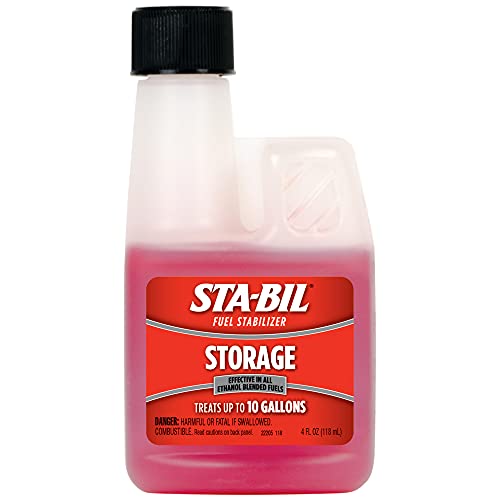
This 4 oz bottle is perfect for single-mower owners. It is small, easy to store, and lasts a whole season for many people. You get the same 24-month protection in a compact size. I also like it as a glovebox backup for the gas can.
If you have only one small tank and do not want surplus, this is smart. It helps prevent corrosion and stale gas issues. That means fewer carb cleanings and smoother pulls in spring. Keep it in reach and dose each can fill.
Pros:
- Compact and easy to store
- Same long-term protection as larger STA-BIL
- Ideal for single mower or small gas can
- Simple to pour and measure
- Great for winterizing a small garage setup
Cons:
- Higher cost per ounce than larger sizes
- May run out fast if you have many tools
- Still not a heavy-duty cleaner
My Recommendation
Go with this 4 oz if you only need to treat a few gallons now and then. It is the best fuel additive for lawn mowers if you want less waste and less clutter. You still get top storage protection. It is also a great stocking stuffer for any DIY mower owner.
| Best for | Why |
|---|---|
| Single mower owners | Compact size matches small fuel needs |
| Winter prep | 24-month fuel freshness and anti-rust |
| Backup bottle | Easy to stash in a toolbox or shelf |
Sea Foam Motor Treatment, 16 oz (4-Pack)

The 4-pack is the fix for busy yards and small engine fleets. If your mower, edger, and blower see heavy use, you will go through it. Sea Foam can help keep carbs clean and fuel stable across the board. It is also handy when rescuing a tool that sat too long.
I often use a cleaning dose for a tank and then step down to a maintenance dose. That keeps things tidy without overdoing it. The value is solid if you burn several cans a year. It is a staple in many garages for a reason.
Pros:
- Bulk value for multiple machines
- Cleans and stabilizes in one bottle
- Helps restore idle on neglected tools
- Works in 2-stroke and 4-stroke engines
- Flexible dosing for cleaning or maintenance
Cons:
- More costly than simple storage stabilizers
- May loosen debris that clogs filters
- Strong odor during treatment
My Recommendation
Grab the 4-pack if you maintain a busy yard or share tools with neighbors. It remains one of the best fuel additive for lawn mowers that need a clean carb and stable gas. Keep one can in the shed and one near your gas cans. Use it before issues start to save time later.
| Best for | Why |
|---|---|
| High-use yards | Bulk stock covers a busy season |
| Recovery jobs | Cleaning dose helps tackle rough running |
| Mixed tools | Safe in both 2-stroke and 4-stroke engines |
Star Tron Stabilizer+ Storage, 8 oz

Stabilizer+ blends Star Tron’s enzyme tech with strong storage protection. It treats 40 gallons per 8 oz and aims at rust prevention too. I like it for over-wintering small engines that use E10. It has the right mix for long rests and spring restarts.
If you live near humidity or store gear in a damp shed, it helps. It also plays well with mowers, bikes, and classic cars. Measure it into the gas can and run the engine for a few minutes. That pulls treated fuel into the carb and bowl.
Pros:
- Built for storage plus ethanol defense
- Helps fight corrosion and rust
- Good treat rate for small engine owners
- Useful across multiple gasoline tools
- Supports smoother spring starts
Cons:
- More specialized than the standard Star Tron
- Not a deep cleaner for severe deposits
- Smaller bottle may run out fast if you have many cans
My Recommendation
Use Stabilizer+ if most of your concern is long storage. It ranks high as the best fuel additive for lawn mowers that sit in humid regions. The corrosion protection stands out. Add it before the last mow and run the engine a few minutes to coat the system.
| Best for | Why |
|---|---|
| Damp climates | Extra corrosion and rust defense |
| Winter layups | Strong storage protection with enzymes |
| Mixed garages | Works for mowers, bikes, and small gas engines |
HappyFuel Premium Fuel Stabilizer

HappyFuel focuses on antioxidant protection and long storage. It targets the oxidation process that turns gas gummy and dark. I suggest it to owners who store several tools across seasons. It supports clean start-ups and reduces varnish buildup.
The formula aims at a wide range of gasoline engines. That includes mowers, marine toys, and snow gear. I like it for mixed garages that want one bottle for all. Dose once, run the machine a few minutes, and park it with confidence.
Pros:
- Antioxidant action slows fuel breakdown
- Good fit for seasonal storage
- Wide compatibility across gasoline engines
- Helps reduce varnish and gum
- Simple to use with regular gas cans
Cons:
- Newer brand recognition than legacy names
- Less real-world data than STA-BIL or Sea Foam
- Check dosing closely for small tanks
My Recommendation
Choose HappyFuel if you want a modern antioxidant approach. It can be the best fuel additive for lawn mowers in a mixed collection that includes seasonal toys. The broad use case is a plus. Try it as a storage aid and monitor spring starts for a quick verdict.
| Best for | Why |
|---|---|
| Antioxidant defense | Targets the root of fuel aging |
| Mixed equipment | One bottle can treat many engines |
| Seasonal storage | Helps maintain clean fuel and easy starts |
Quicksilver Quickare Fuel Treatment, 12 oz
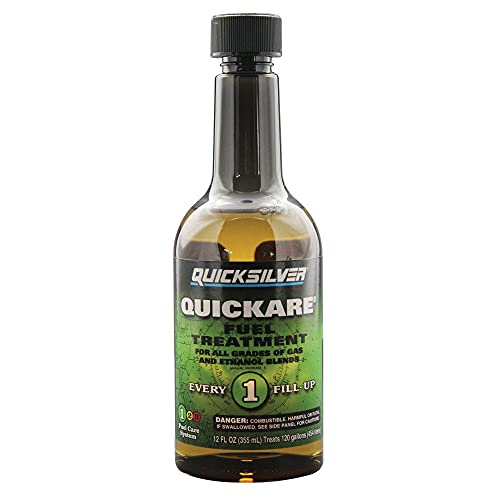
Quickare comes from a marine-grade family, and that is useful. It helps with moisture control, corrosion protection, and injector cleanliness. I have used it in small engines during humid months with good results. Starts stay about the same, but fuel seems fresher longer.
The treat rate suits regular use in gas cans. It is not a deep carb cleaner, but it helps keep things from getting worse. If you live near water or in high humidity, it is a strong choice. Follow the label for the best dose in small tanks.
Pros:
- Marine-grade corrosion protection
- Helps manage moisture in E10 fuel
- Detergents keep fuel system cleaner
- Good for coastal or humid regions
- Useful across different small engines
Cons:
- Less cleaning power than strong solvent cleaners
- Price can be higher than simple stabilizers
- Measuring small doses may need a syringe or cup
My Recommendation
Pick Quickare if you want a marine-grade edge against moisture and rust. It is a solid pick as the best fuel additive for lawn mowers near lakes or coasts. Pair it with fresh gas and steady use. You will likely see fewer storage-related hiccups across the year.
| Best for | Why |
|---|---|
| Humid areas | Moisture control and corrosion defense |
| Regular maintenance | Detergents keep the system clean |
| Coastal garages | Marine-grade chemistry translates well to mowers |
HappyFuel Fuel Stabilizer (Alt Listing)

This alternate HappyFuel listing offers similar antioxidant storage benefits. It aims to slow oxidation and extend fuel life in seasonal tools. I find it fits best for owners who rotate several small engines. The small-bottle profile is easy to stash in a drawer.
Use it before storage or during light use periods. It helps keep carb bowls cleaner during downtime. That brings easier starts and steadier idle in spring. It is a newer label, but the core chemistry checks out for storage needs.
Pros:
- Antioxidant formula slows fuel aging
- Convenient size for quick doses
- Works for many gasoline engines
- Helps reduce gum and varnish
- Good option for seasonal storage routines
Cons:
- Fewer long-term reviews than legacy brands
- Not designed as an aggressive cleaner
- Measure small doses with care
My Recommendation
Try this HappyFuel variant if you prefer a compact bottle and antioxidant focus. It could be the best fuel additive for lawn mowers in a low-clutter setup. Keep it near your gas can and use it before long breaks. Watch your spring starts as the real test.
| Best for | Why |
|---|---|
| Minimal storage space | Small bottle is easy to store |
| Seasonal downtime | Combats oxidation while sitting |
| Simple routines | One additive for multiple tools |
FAQs Of best fuel additive for lawn mowers
Do I need a fuel additive if I use fresh gas?
Yes, in most cases. Ethanol fuel degrades fast. A small dose helps prevent gum, rust, and hard starts.
Can additives fix bad or phase-separated gas?
No. If fuel is very old or has separated, replace it. Additives help protect and maintain, not perform miracles.
How often should I use a fuel additive?
For best results, add it to each fresh can of gas. Use a cleaning dose only when needed.
Are these safe for 2-stroke engines?
Yes, most are safe with premix gas. Always read the label and follow the dose.
Which is better, a cleaner or a stabilizer?
It depends. Use a cleaner if the mower runs rough. Use a stabilizer for storage and regular protection.
Final Verdict: Which Should You Buy?
For simple storage, STA-BIL Storage is hard to beat. It is the best fuel additive for lawn mowers that sit between seasons.
For cleaning plus protection, Sea Foam is my pick. For ethanol defense and long treat rates, Star Tron is excellent. Choose based on your mower’s biggest need.