Most mower batteries run 30–60 minutes per charge and last 3–5 years.
If you want the full picture on how long do electric lawn mower batteries last, you’re in the right place. I test and maintain battery tools for real lawns, in real weather, and I’ve learned what actually matters. This guide explains runtimes, life in years and cycles, the myths, and the simple habits that make batteries last longer. Read on to make smarter choices and mow more with less hassle.

What “last” really means for a mower battery
When people ask how long do electric lawn mower batteries last, they often mean two things. First, how long a battery runs per charge. Second, how many years it will serve before it feels worn out.
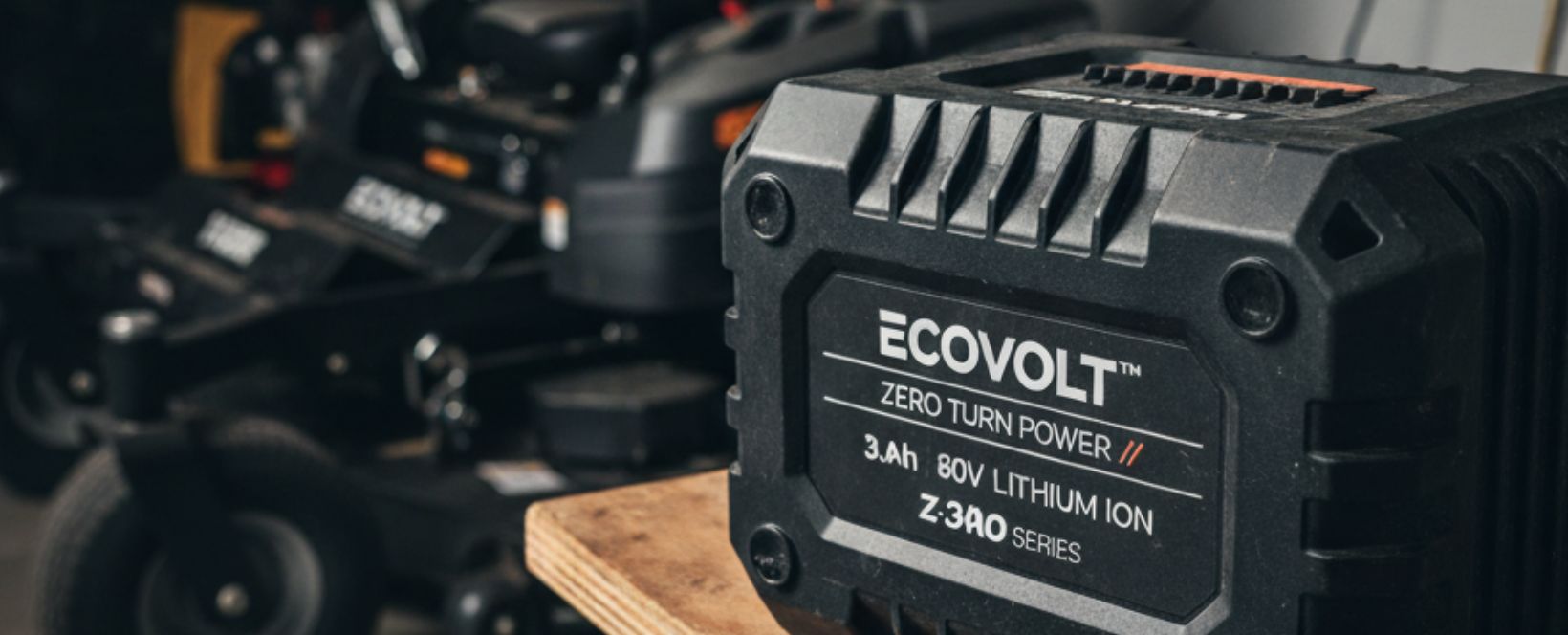
- Runtime per charge is about Watt-hours. Volts x Amp-hours = Watt-hours. More Wh equals more minutes.
- Life in years is about charge cycles and care. Quality lithium-ion packs often deliver 500–1,000 full cycles under normal use.
- In everyday terms, most homeowners see 30–60 minutes per charge, and 3–5 years of useful life. Light users can see more. Heavy, hot use cuts that time.
Key point: Voltage helps with power, but capacity (Ah/Wh), grass load, and mower design decide runtime. For life in years, heat, deep discharges, and fast charging are the big stressors.

Typical runtimes and lifespans by mower class
So, how long do electric lawn mower batteries last in common setups? Here are real-world ranges I see on healthy packs and sharp blades:
- 40V push mower with 4.0Ah pack (about 160Wh): 30–45 minutes in average grass. 3–5 years for most users.
- 56V push mower with 7.5Ah pack (about 420Wh): 45–75 minutes. 3–6 years when stored cool and not abused.
- Dual-battery 80V systems or two 56V packs: 60–120 minutes. Great for 1/2–3/4 acre with moderate growth.
- Compact 20–24V mowers: 20–35 minutes. Best for small, tidy lawns.
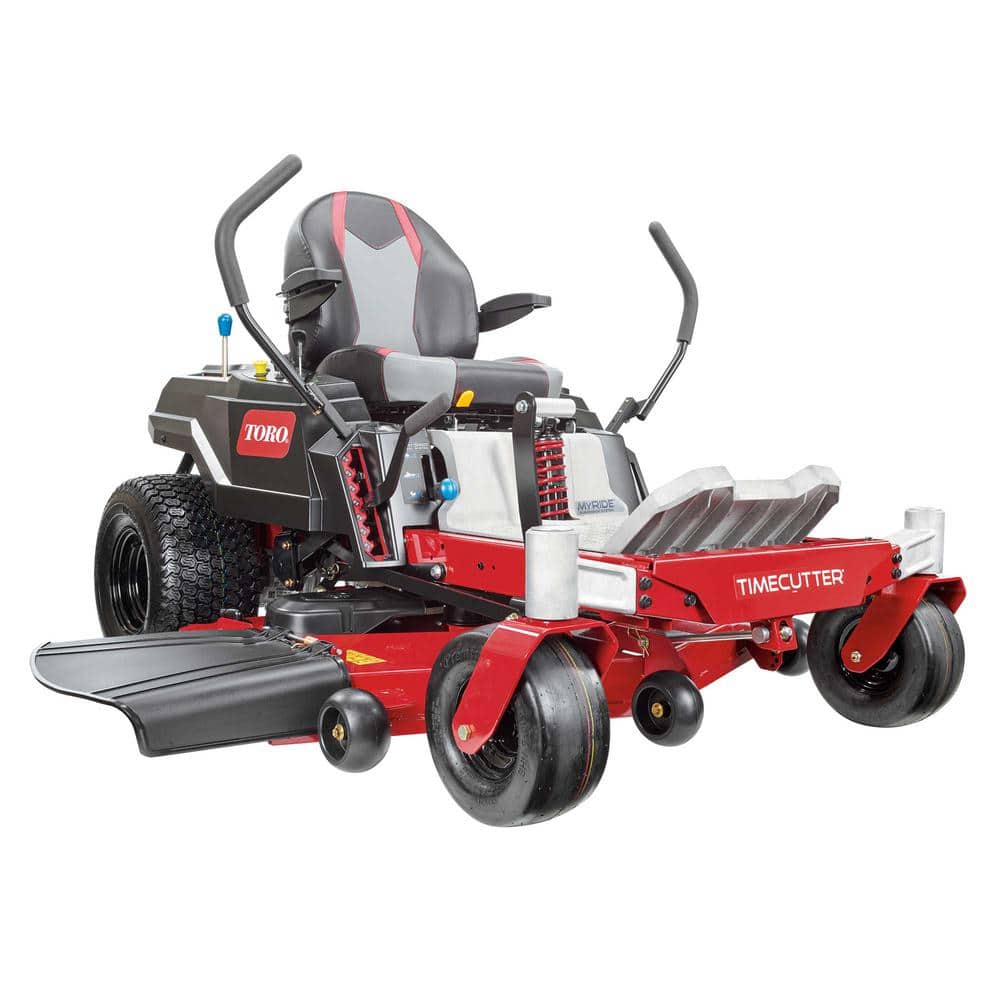
- Battery riders/tractors with large packs: 60–150 minutes, but charge times are longer. Life depends on thermal control and charging habits.
Note: New packs give the best runtime. Expect gradual loss over time. Many users notice a 10–20% drop after the first heavy season, then slower decline.
Factors that affect how long do electric lawn mower batteries last
Several things change both your per-charge minutes and your years of service. If you wonder how long do electric lawn mower batteries last in your yard, start here.
- Grass conditions: Tall, wet, or thick grass eats power. Mow more often and avoid wet lawns.
- Mower load: Self-propel on high speed, dull blades, and high deck resistance all cut runtime.
- Battery size and quality: Higher Wh lasts longer per cut. Premium cells and a smart BMS manage heat better.
- Temperature: Heat is the battery’s enemy. Above 95–100°F (35–38°C) speeds wear. Below 40°F (4°C) reduces runtime until the pack warms.
- Depth of discharge: Running to empty often shortens life. Try to stop around 15–20% when you can.
- Charging rate: Fast charging is handy, but more heat means more wear. Use standard rate for daily use.
- Storage state of charge: For weeks or months, store at about 40–60%. Not full. Not empty.
These levers explain most of the “why” behind how long do electric lawn mower batteries last at your home. Control the heat and the workload, and you control the outcome.

Care and charging tips to extend battery life
If your goal is to stretch how long do electric lawn mower batteries last, small habits pay big dividends.
Do this often:
- Charge at room temperature. Let a hot pack cool before charging.
- Use the standard charger when time allows. Save the fast charger for rush jobs.
- Stop mowing before the pack hits 0%. Aim for 15–20% left.
- Keep blades sharp. A sharp blade can add 5–15 minutes of runtime.
- Clean deck build-up. Less drag means less draw.
- Store packs cool and dry, out of sun. A basement shelf beats a hot shed.
For winter storage:
- Charge to about 40–60%.
- Store around 50–70°F (10–21°C).
- Top up to 40–60% every 2–3 months if the pack self-discharges.
- Do a normal charge in spring before first mow.
Avoid:
- Leaving the pack on the mower in a hot garage.
- Keeping the pack on the charger for months (unless the maker says it uses a smart maintain mode).
- Deep cycling to “recalibrate” often. Do it rarely, only if the gauge gets inaccurate.
These steps can add seasons to your battery, and they raise the odds that how long do electric lawn mower batteries last will match or beat the spec.
:max_bytes(150000):strip_icc()/3SP4175254-4-48f1ab17532649d09719b00202f53b1a-e333df1f505b4435a6ab5499e840a8b5.jpg)
When to replace, costs, and recycling
Wondering how long do electric lawn mower batteries last before it is time to swap? Look for these signs:
- Your normal route now takes two swaps where one used to do.
- The pack triggers thermal or low-voltage cutouts under light load.
- The case is swollen, or the BMS shows fault codes.
Costs vary by brand and size:
- Small packs: about $80–$150.
- Mid packs (5.0–7.5Ah, 40–56V): about $150–$300.
- Large or dual packs: $250–$450+.
Check warranties. Many brands offer 2–3 years on packs, some premium lines offer up to 5. Recycle retired batteries at tool stores or municipal centers. Never toss them in the trash. Responsible recycling protects your home and the environment.
Real-world results and lessons from the field
Here is what I have seen in day-to-day use, which shapes my view on how long do electric lawn mower batteries last.
- My 56V 7.5Ah pack started at about 55 minutes on a 21-inch mower. After four seasons, it gives 42–45 minutes in summer. Sharp blades and mowing early evenings (cooler) helped.
- A neighbor’s 40V pack dropped fast when stored in a hot shed and run to empty each time. Moving storage indoors and charging after cool-down slowed the slide.
- I gained 10 minutes by raising deck height one notch in spring surge. Less strain, better life.
- The biggest mistake I made: leaving the pack in a hot car after a hardware run. The pack survived, but runtime dipped for weeks.
These simple choices change how long do electric lawn mower batteries last by months or even years. Treat the pack like a living thing. Keep it cool. Do not starve it or stuff it.
Troubleshooting short runtime
If your runtime fell off a cliff, try this quick path before buying a new pack:
- Check the blade edge. Replace or sharpen if it tears grass tips.
- Clean the deck and bag. Airflow loss eats power fast.
- Raise the deck for heavy growth. Take two lighter passes if needed.
- Try a battery calibration once: full charge, run to about 10%, cool, then full charge. Do not do this often.
- Let hot packs cool before charging. Warm starts hurt capacity.
If none of this helps, test with a second pack if you can. The problem may be the mower’s electronics or a failing cell group in the pack. This check tells you how long do electric lawn mower batteries last in your setup and whether the pack is the true cause.

Frequently Asked Questions of how long do electric lawn mower batteries last
How long do electric lawn mower batteries last per charge?
Most packs give 30–60 minutes in average grass. Heavy, wet, or tall grass can cut that time in half.
How long do electric lawn mower batteries last in years?
Many users see 3–5 years. Care, climate, and usage patterns can stretch that to 6+ years or shorten it to 2–3.
Can I mow a half-acre on one charge?
With a 56V 7.5Ah or larger pack and sharp blades, often yes. Dense turf or hills may need a second pack.
Is it bad to leave the battery on the charger?
If the charger has smart maintain mode, it is usually fine. If not, remove it after a full charge and store cool.
What temperature is safe for charging and storage?
Charge around room temperature. Store between 50–70°F (10–21°C) when possible, and avoid hot cars and sheds.
Do higher volts mean longer runtime?
Higher volts help power and efficiency, but runtime comes from total Watt-hours. Capacity (Ah) and mower load matter most.
How do I recycle an old mower battery?
Take it to a tool retailer, home center, or local recycling site. Do not throw it in household trash.
Conclusion
You now know the two parts of the answer to how long do electric lawn mower batteries last: minutes per charge and years of service. Manage heat, avoid deep drains, sharpen blades, and store at mid charge. These small moves add real runtime and extra seasons.
Put one tip to work on your next mow, and track your minutes. Ready for more smart yard advice? Subscribe, share your results, or ask a question in the comments.