Scoop promptly, bag securely, disinfect spot, and dispose per local rules.
If you want a clean lawn, fewer flies, and a healthier home, you need a simple plan for how to clean up dog poop in yard. I’ve helped busy families, kennels, and new pet parents build fast, safe routines that work all year. In this guide, I’ll show you how to clean up dog poop in yard with pro tips, research-backed safety steps, and easy tools that save time and money.
Safety and health basics when you clean the yard
Pet waste is not fertilizer. It can carry E. coli, giardia, hookworms, and roundworms. Rain can wash it into drains and streams. That is why speed and hygiene matter.
Wear disposable gloves or dedicated yard gloves. Wash hands well with soap and water after every cleanup. If kids play on the lawn, clean daily. Pick high-traffic zones first.
Keep a small spray bottle with an enzyme cleaner or a diluted disinfectant for hard surfaces. For lawns, use water and a pet-safe cleaner as needed. Do not bleach grass. Spot clean only.
Tools that make cleanup fast and easy
Simple tools make how to clean up dog poop in yard quick and clean. Use what fits your yard and budget.
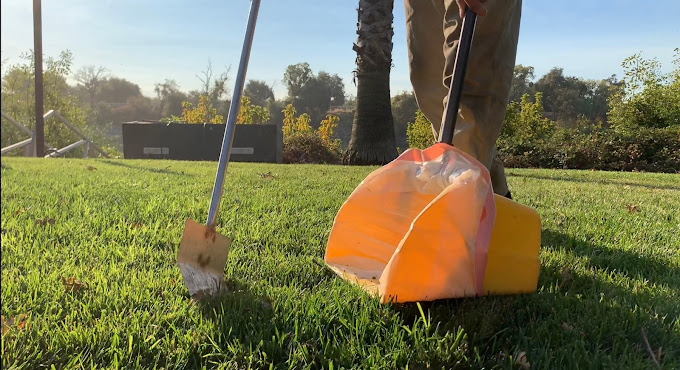
- Scoopers with rake and pan work great on grass and gravel.
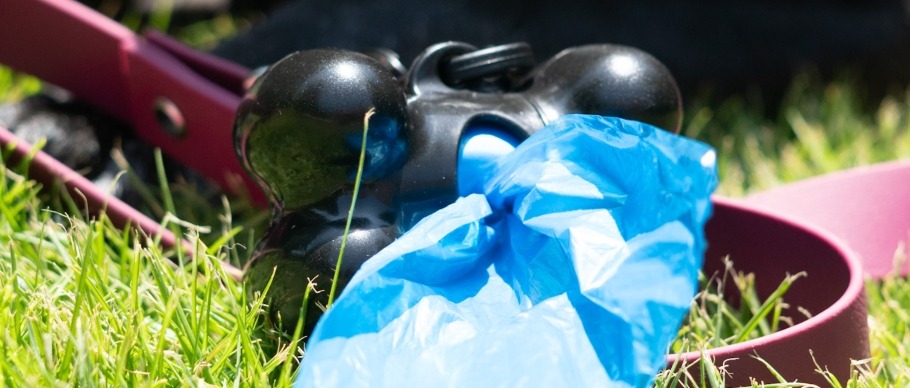
- Dog waste bags with handles make tying and sealing easier.
- A bucket with a liner lets you collect many piles at once.
- A hose-end sprayer or watering can helps rinse hard surfaces.
- Enzyme cleaner helps with odor on patios and decks.
- Flashlight or headlamp helps with evening checks.
Personal tip: I keep a small caddy by the back door with bags, gloves, and a scooper. It cuts my cleanup time in half.
Step-by-step: how to clean up dog poop in yard the right way
Here is how to clean up dog poop in yard in a clean, safe loop.
- Gear up. Put on gloves. Grab bags, scooper, and cleaner.
- Walk a grid. Scan the yard in lines so you do not miss spots.
- Remove solids. Scoop or grab with a bag. Turn the bag inside out over your hand, pick up, then invert and tie tight.
- Spot treat. On hard surfaces, spray enzyme cleaner, wait per label, then rinse.
- Check again. Do a quick second pass. You will often find one more pile.
- Dispose per local rules. Seal bags. Do not leave in open bins.
If stools are soft, lift what you can. Then sprinkle dry material, like sawdust or cat litter, to soak the rest. Wait a few minutes. Scoop again and rinse lightly.

Methods for different surfaces and weather
You asked how to clean up dog poop in yard on any surface. Use these quick tweaks.
Grass
- Use a rake-and-pan scooper. Keep grass a bit taller to hide less, but not too long.
- For runny spots, add a sprinkle of garden lime sparingly after pickup. Water in.
Gravel or mulch
- Use a narrow rake to lift solids. Shake off clean stones.
- For mush, add a little sand or sawdust, then scoop.
Artificial turf
- Pick up solids. Rinse the spot with water.
- Spray an enzyme cleaner for turf. Rinse again.
Patio, deck, or concrete
* Pick up solids. Spray enzyme cleaner. Wait, then rinse.
- For wood, test cleaner on a small spot first.
Snow and freezing weather
- If fresh and soft, scoop fast before it freezes into the snow.
- In deep freeze, let it harden, then lift cleanly with a flat shovel.
Rain and mud
- Work in short passes. Focus on high-use potty corners.
- Keep a boot tray by the door so you don’t track mess inside.

Smart disposal: what to do with the waste
Knowing how to clean up dog poop in yard also means knowing where it goes next. Rules vary by city, so check yours.
Trash disposal
- Most cities allow sealed pet waste bags in the trash.
- Double-bag if odor is a problem. Use a lidded bin.
Flushing
- Many areas allow flushing dog poop, but never flush bags unless they are sewer-approved.
- Do not flush in septic systems unless your local code and plumber agree.
Digester systems
- In-ground dog waste digesters break down solids with water and enzymes.
- Place far from gardens and water lines. Follow the manual.
Composting
- Home composting dog poop is risky without high heat. Most piles do not get hot enough to kill parasites.
- Never use it on food crops. Use only if you run a tested hot-compost setup.
Odor, stain, and germ control
Cleaning fast cuts germs and smell. That is a key part of how to clean up dog poop in yard.
- Use enzyme cleaners on hard surfaces to break down odor.
- Water the spot lightly after pickup to dilute residue in soil.
- Aerate your lawn a couple of times a year to improve breakdown.
- Pick up daily in warm months. Heat makes odor worse.
- Consider a small bin with charcoal filter liners to trap smell.
Evidence note: Public health guidance flags pet waste as a water pollutant and a parasite risk. That is why bagging and sealed disposal beat hose-only cleanup.

Routine, training, and yard habits that help
The best tip for how to clean up dog poop in yard is to prevent spread. Simple habits work.
- Set a potty zone. Use pea gravel or a corner of the yard. Reward your dog for going there.
- Do pickup at the same time each day. Morning or after dinner works well.
- Keep a weekly walk-through to catch misses under shrubs.
- Log stool changes. Sudden diarrhea, mucus, or worms need a vet check.
From my own rounds with two dogs, a marked gravel zone cut my cleanup time by 70%. It also keeps shoes and mower blades clean.
Eco-friendly and budget options that work
You can learn how to clean up dog poop in yard while staying green.
- Use plant-based, certified compostable bags if your city accepts them in organics. If not, choose recycled plastic bags.
- Install an in-ground digester if soil drains well. Avoid high water tables.
- Skip harsh bleach on lawns. Choose enzyme or oxygen-based cleaners.
- Reuse a dedicated bucket and metal scooper. They last for years.
Common mistakes to avoid
Avoid these errors when you plan how to clean up dog poop in yard.
- Waiting days between pickups. Germs and flies spike fast.
- Spraying only with water. It spreads residue and can reach drains.
- Tossing loose waste into bins. Always bag and seal.
- Composting in a cool pile. It will not kill parasites.
- Using strong bleach on grass. It burns and adds salts.
Troubleshooting messy situations
Sometimes how to clean up dog poop in yard is hard due to soft stools. You can still win.
Runny stools on grass
- Lift what you can. Sprinkle sawdust, clay litter, or baking soda. Wait, then scoop.
- Rinse the area lightly a few hours later. Do not flood.
Frequent diarrhea or odd color
- If it lasts more than a day, call your vet. Bring a fresh stool sample.
- Check food changes, treats, stress, or yard snacking.
Big yards and many dogs
- Do a grid walk with flags. Flag new piles, then return to scoop.
- Consider a weekly pro service plus your daily quick pass.
Frequently Asked Questions of how to clean up dog poop in yard
How often should I clean my yard?
Daily is best, especially in warm months. If you have kids or many dogs, do a quick morning and evening pass.
What is the fastest way to clean a large yard?
Walk a grid with a rake-and-pan scooper and a lined bucket. Empty into sealed bags at the end.
Can I hose dog poop into the grass?
No. Water spreads germs and can pollute runoff. Always remove solids first, then do a light rinse if needed.
Is dog poop bad for lawns?
Yes. It is acidic and carries pathogens. It can burn grass and attract flies if left.
What should I do after a very messy accident on concrete?
Pick up what you can, then spray an enzyme cleaner. Let it sit as directed, scrub lightly, and rinse.
Can I compost dog poop at home?
Not in a cool backyard pile. Without sustained high heat, parasites can survive. Use a digester or trash per local rules.
Conclusion
A clean yard is simple when you follow a steady plan. Gear up, pick up fast, treat the spot, and dispose the right way. That is the heart of how to clean up dog poop in yard, and it keeps your family, pets, and lawn healthier.
Start today with a five-minute daily sweep. Set a potty zone, keep your tools by the door, and make it a habit. If this guide helped, share it with a friend, subscribe for more pet tips, or drop your questions in the comments.