How To Blow Leaves With A Leaf Blower: Pro Tips 2026
Leaf blowing seems simple—point the nozzle, pull the trigger, and watch the yard clear. But anyone who has spent an afternoon chasing runaway leaves knows there's a real technique to it. Done poorly, you scatter debris into flower beds, blast gravel into the street, and finish with a sore back. Done right, you can clear a typical suburban lawn in under an hour with minimal effort.
This guide covers everything from choosing the right tool and setting up safely to mastering the sweeping patterns that professional landscapers use. You'll also find practical advice for wet leaves, tricky surfaces, and keeping your equipment in top shape. You can also read our guide on how to use a leaf blower for yard cleanup.
Safety and Preparation: The Foundation of Every Cleanup
Before you fire up the machine, a few minutes of preparation will prevent injuries, equipment damage, and neighborly complaints.
Protect Yourself First
Leaf blowers are loud—many gas models produce 85 to 100 decibels at the operator's ear, which can cause permanent hearing damage with prolonged exposure. Always wear:
- Eye protection (safety glasses or goggles) to guard against flying debris
- Hearing protection (ear muffs or plugs with a suitable Noise Reduction Rating)
- Gloves for grip and vibration reduction
- Closed-toe shoes with good traction
- A dust mask on dry days when fine particles get kicked up
Tie back long hair and avoid loose clothing that could get caught in the intake.
Clear the Work Zone
Walk your yard and pick up sticks, rocks, toys, and pet waste before you start. A small stone launched at high speed can break a window or injure someone. This is especially important if you're clearing areas near your lawn care routine. For more on this, see our guide on how to mix oil and gas for leaf.
Respect Quiet Hours
Many municipalities restrict leaf blower use during early morning and evening hours. Check your local regulations before starting. Some areas even limit the type of blower you can use, so it's worth verifying what's allowed in your neighborhood.
Plan Your Finish Line
Decide in advance where your leaf piles will end up. A tarp, compost bin, or curbside pickup zone all work, but pick one spot and commit. Having a clear staging area means you're not hauling leaves across the yard at the end. For more on this, see our guide on how to mix gas for leaf blower.
Choosing the Right Leaf Blower for Your Yard
Your equipment choice dramatically affects how easy or difficult the job becomes. Here's how to match the tool to your needs:
| Blower Type | Best For | Pros | Cons |
|---|---|---|---|
| Corded Electric | Small yards, patios, driveways | Lightweight, quiet, no battery worries | Limited range, cord management |
| Cordless Battery | Most suburban lots (up to 1/2 acre) | Portable, quiet, low maintenance | Run time limits, battery cost |
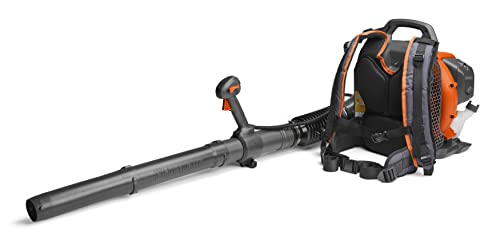
| Gas Backpack | Large properties, heavy wet leaves | Maximum power, long runtime | Loud, heavier, requires fuel mixing |
| Gas Handheld | Medium yards | Good power-to-weight ratio | Vibration, noise |
Understanding CFM and MPH
These two numbers matter more than any other spec:
- CFM (Cubic Feet per Minute) measures air volume. Higher CFM clears wide areas efficiently and moves large piles.
- MPH (Miles per Hour) measures air speed. Higher MPH lifts stuck, wet leaves and dislodges debris from tight spots.
For most residential yards, look for 400 to 600 CFM and 100 to 150 MPH in a cordless model. If you deal with heavy oak or magnolia leaves, lean toward the higher end of both ranges.
Nozzle Shape and Ergonomics
A narrow nozzle concentrates air speed but can scatter gravel and mulch. A wider tip sweeps more gently across lawns. Many models come with interchangeable nozzles—use the narrow one for stubborn debris and the wide one for general sweeping.
Comfort matters more than most people think. Try the harness, grip, and overall weight before committing. A well-fitting strap that positions the nozzle just above your knee reduces fatigue dramatically during longer sessions.
Pre-Start Checklist: Two Minutes That Save an Hour
A quick inspection before starting prevents mid-job breakdowns and frustration:
- Inspect the tube and intake for clogs, cracks, or loose connections
- Check the battery charge or cord condition (for electric models)
- Verify fuel levels and oil mix if using a gas model
- Test the throttle, trigger lock, and cruise control functions
- Adjust the shoulder strap so the nozzle hovers just above your knee
- Confirm your route with the wind direction
Start the tool and let it run for 30 seconds. Listen for unusual surges or rattles—it's much easier to address small issues before you're halfway across the yard.
If you're using a gas model, make sure your fuel mixture is correct. The right proportions keep the engine running smoothly and prevent damage. For battery-powered units, ensure your packs are charged and stored correctly to get the most life from them.
The Correct Technique: How To Blow Leaves With A Leaf Blower Step by Step
Here's the core method that works on virtually any lawn:
1. Position Your Body
Stand tall with your feet shoulder-width apart. Keep your back straight and let your legs and core do the work rather than hunching over the nozzle.
2. Hold the Nozzle at the Right Angle
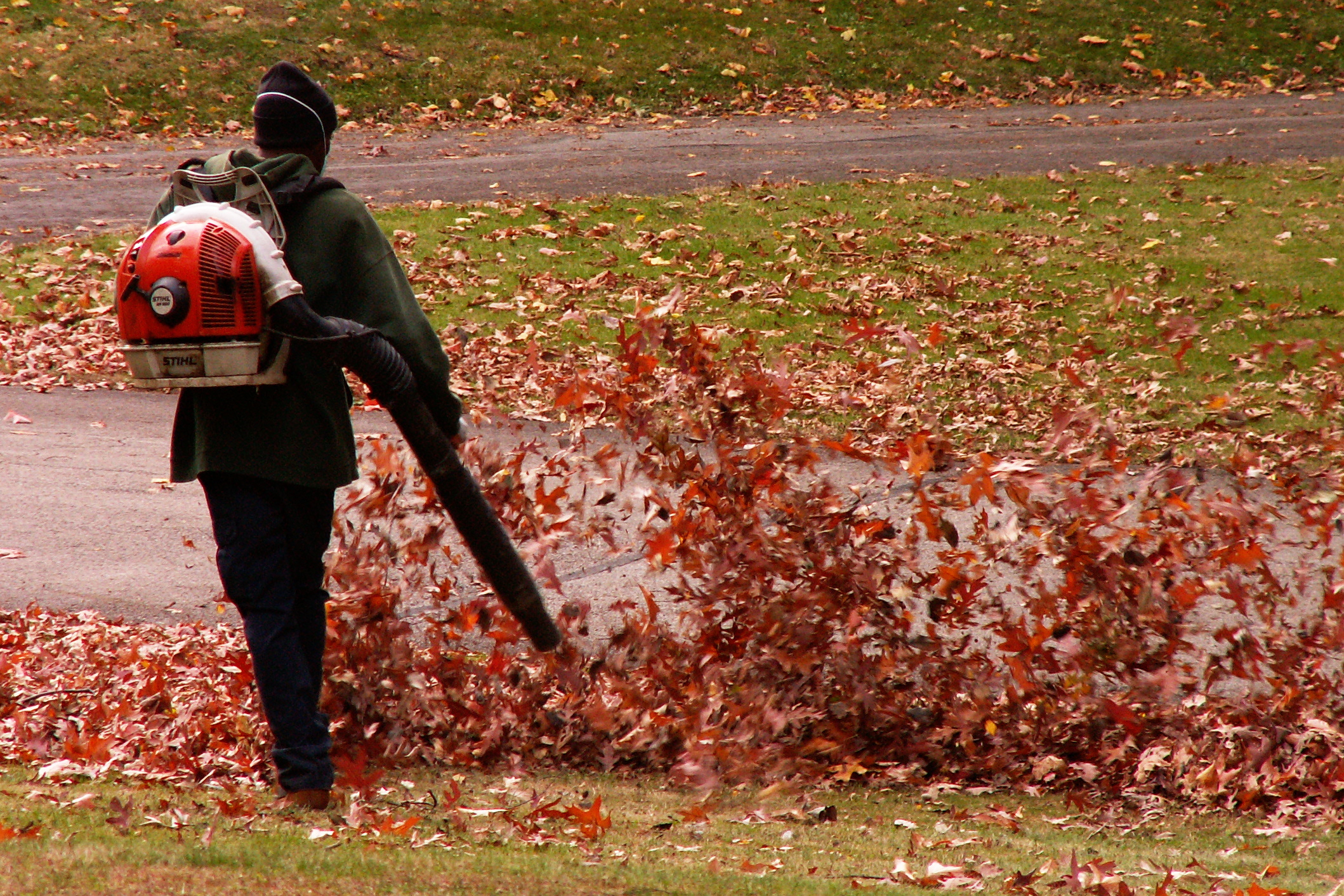
Keep the nozzle 2 to 4 inches above the surface, angled at 20 to 30 degrees. This pushes air forward and slightly down, creating a controlled stream that carries leaves rather than scattering them.
3. Use Steady Side-to-Side Sweeps
Move your feet, not just your arms. Walking in a straight line while sweeping the nozzle from side to side creates a uniform path that's easy to manage.
4. Feather the Throttle
Variable-speed triggers are your friend:
- Low power gathers leaves into rows without scattering them
- High power lifts stuck or wet leaves from the surface
- Medium power works best for general sweeping
5. Start at the Far Edge
Begin at the farthest point from your finish zone and work toward it. This way you're always pushing leaves toward your collection point rather than walking through them.
6. Build Rows Before Piles
Focus on creating long, even rows first, then consolidate rows into larger piles at the end. This is far more efficient than trying to push a massive pile across the entire yard.
The key is smooth, even passes. Wild bursts of full throttle scatter the front edges of your piles and create extra work.
Yard Patterns That Work in Real Life
Professional landscapers use specific patterns depending on the yard's layout. Here are the most effective approaches:
The Perimeter-In Method
Start at your property boundaries—fences, walls, and garden beds. Blow leaves away from these edges and into the yard. Then work inward in long, parallel lanes. This prevents leaves from getting trapped against obstacles and reduces the chance of damaging plants.
The Grid and Lane System
For large, open lawns, divide the space into lanes 10 to 15 feet wide. Clear one lane completely before moving to the next, overlapping each pass by about a foot. This systematic approach ensures you never miss a spot and never push leaves into already-cleared areas.
The Edge and Funnel Technique
On driveways and sidewalks, blow leaves from the edges toward the center line, then funnel the row toward your tarp or collection point. Avoid blowing leaves into the street where they can clog drains or create safety hazards.
Working With Wind
Always move with the breeze at your back. Wind is a natural ally—it helps keep leaves moving in your desired direction. If the wind shifts mid-job, adjust your lanes accordingly. Fighting the wind just makes the job twice as hard.
Adapting to Different Surfaces and Conditions
Each surface requires a slightly different touch:
Lawns
Use medium power with a wider sweeping arc. Keep the nozzle low without digging into the turf. Avoid blasting bare soil, which creates dust clouds and can erode topsoil.
Gravel and Stone
Switch to low power with a shallow angle. Sweep gently so stones stay in place. A wider nozzle tip helps distribute the air stream more evenly. This is one of those times where patience prevents a very tedious cleanup.
Mulch Beds
Pulse the throttle rather than holding it open. Aim across the mulch surface, not down into it, to avoid displacing bark or wood chips. Clear in layers from the back of the bed moving forward.
Hard Surfaces (Patios, Walkways, Driveways)
Low to medium power works best. Hold the nozzle slightly higher to minimize dust clouds. Pull debris from the edges first, then sweep toward a central collection point.
Sloped Lawns
Work across the slope rather than up or down. This gives you better stability and control. Make short, deliberate passes and avoid fighting gravity by pushing leaves uphill.
Building Piles and Collecting Without Chaos
A neatly built pile stays where you put it. A haphazard one scatters at the first gust of wind.
- Keep piles 2 to 3 feet tall maximum—anything taller topples and spreads
- Build rows first, then feed those rows into a main pile at your collection point
- Stage a tarp at the finish spot and blow the main pile onto it for easy dragging and disposal
- For curb pickup, keep piles off sidewalks, storm drains, and out of the street
A leaf mulcher is a smart alternative for dry leaves. Running a mower over piles shreds them into fine pieces that break down quickly in compost bins or feed your lawn's soil naturally. This reduces the number of bags you fill and returns nutrients to your yard.
If strong winds are forecast, cover your piles with a lightweight net or fold the tarp over them. It's a small effort that prevents the frustrating job of re-collecting scattered leaves.
Field-Tested Efficiency Tips
These are the small adjustments that save the most time in practice:
Time your work for dry conditions. Morning dew makes leaves heavier and harder to move. Full wet mats are the hardest of all—they clump together and block the air stream. Late morning on a dry day is the sweet spot.
Keep the nozzle moving ahead of the pile. Lead the leaves like you're guiding them, not blasting them. Pointing directly into the pile's center just scatters the leading edge and undoes your progress.
Use cruise control if your blower has it. Maintaining a consistent throttle reduces fatigue and gives more predictable results than constant trigger adjustments.
Swap hands regularly. Long sessions cause fatigue in your dominant arm and shoulder. Switching hands every few minutes keeps both sides fresh and reduces strain.
Plan your route before starting. Identify pinch points, gates, and slopes in advance. Minimal backtracking means minimal trigger time.
Maintenance and Storage: Keeping Your Blower Ready
Your leaf blower works hard during the season. A little care keeps it performing at its best:
After Every Use
- Wipe down the housing and tube
- Check for debris buildup around the intake
- Coil cords without kinks (for corded models)
Regular Maintenance
- Clean or replace the air filter every few uses, especially in dusty conditions
- Inspect the spark plug on gas models once per season
- Check all mounts and screws for tightness
- Verify the impeller isn't damaged or catching debris
Seasonal Storage
- For gas models: Use fresh fuel with the correct oil mix, add fuel stabilizer, and run the engine briefly to distribute it through the system. Store in a dry area away from heat sources.
- For battery models: Store packs at 40 to 60 percent charge in a cool, dry location. Check contacts for corrosion and clean them if needed.
A well-maintained blower starts easily, runs smoother, and produces less noise and fumes—which your neighbors will appreciate too.
Troubleshooting Common Leaf Blower Issues
Even with regular care, problems can arise. Here are the most common fixes:
Won't Start
Check fuel levels, battery charge, and that safety switches are engaged. For gas models, confirm the choke and primer steps. A fouled spark plug is the usual culprit—replace it and try again.
Weak Airflow
Inspect the intake screen, tube, and nozzle for clogs. Clean the air filter. Check for cracks in the tube that let air escape.
Surging or Stalling
This usually points to stale fuel, a dirty carburetor, or a dying battery. Replace old fuel, clean the carb, or recharge and test the battery.
Excessive Vibration or Rattling
Stop immediately. A damaged impeller or loose mount needs attention before further damage occurs. Inspect and tighten components.
Dust Clouds
Reduce throttle and raise the nozzle angle. Work in thinner layers. A light misting of the ground helps on extremely dry days.
Frequently Asked Questions
What is the best time of day to blow leaves?
Late morning is ideal—dew has lifted, wind is typically light, and most noise ordinances are satisfied. Avoid early mornings on weekdays and gusty afternoons.
How do I blow wet leaves without making a mess?
Break up the mat with short bursts at a steeper angle, then drop to low power to gather the loosened leaves into rows. Work in small sections rather than attempting large areas at once.
What do CFM and MPH really mean?
CFM measures the volume of air moving per minute—it determines how efficiently you clear wide areas. MPH measures air speed—it determines how well you lift stuck debris. You need both numbers working together.
Can I use a leaf blower on gravel?
Yes, with low power and a shallow angle. Sweep gently and keep the nozzle moving to avoid displacing stones. A wider nozzle tip helps distribute the air stream.
How big should leaf piles be?
Keep piles between 2 and 3 feet tall for stability. Move them to a tarp for easy hauling rather than attempting to drag a massive pile across the yard.
Is hearing protection really necessary?
Absolutely. Most blowers exceed safe noise exposure levels, and hearing damage accumulates over time. Quality ear protection is inexpensive insurance.
How often should I service my leaf blower?
Check filters and intake screens every few uses. At the start and end of each season, do a thorough inspection of spark plugs, fuel, and fasteners.
Conclusion
Mastering the leaf blower is about technique, not brute force. Start at the edge of your property, move with the wind at your back, build rows before piling, and finish at a designated collection point. Match your tool to your yard's size and the leaf load you typically handle, and keep it properly maintained.
The difference between an amateur and a pro is rarely the equipment—it's the method. Smooth, deliberate passes save time, reduce strain on your body, and leave your yard looking cleaner in fewer passes.
For your next cleanup, apply these patterns from the very first pass. Your back will thank you, and you'll be done before the neighbors have even started.