
How To Mix Oil And Gas For Leaf Blower: Quick Guide 2026
Get the ratio wrong, and you’ll either smoke out your yard or seize the piston. Get it right, and your leaf blower starts on the first pull, season after season. Mixing two-stroke fuel is a small task, but it’s the single most important maintenance step for any gas-powered blower. This guide walks you through the exact ratios, step-by-step instructions, and the mistakes that send engines to the shop.

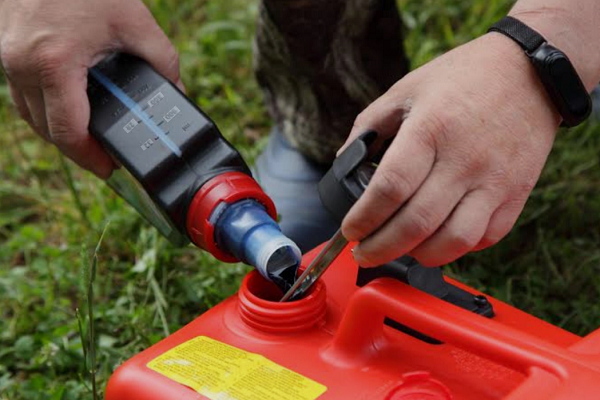
The fuel-oil blend is the lifeblood of a two-stroke engine.
Source: schroderusa.com
Why the Fuel Mix Matters More Than You Think
Two-stroke engines are simple and powerful because they burn the lubricant along with the fuel. There’s no separate oil reservoir; the oil suspended in the gasoline is what coats the piston, cylinder wall, crank bearings, and connecting rod. That’s why the precision of your mix isn’t just a suggestion—it’s the difference between a dependable tool and a costly repair. You can also read our guide on how to start a leaf blower.
Too little oil, and metal components grind against each other with almost no lubrication. Friction generates extreme heat, which can score the cylinder and seize the piston beyond repair. Too much oil, and the excess doesn’t burn completely. It creates thick, blue smoke, leaves a sticky carbon residue inside the combustion chamber, fouls the spark plug, and noticeably reduces power output.
Precision is your goal. Most modern leaf blowers specify a 50:1 ratio, which is a remarkably small amount of oil considering how hard the engine works. The margin for error is thin, but with the right tools and a few consistent habits, you’ll nail it every time. You can also read our guide on how to fix a leaf blower that won t start.
First, Find Your Exact Mix Ratio
Never assume the ratio. Different manufacturers—and sometimes different models from the same brand—specify different mixtures. Using the wrong one can cause immediate damage or a chronic performance problem.
Here’s how to confirm the correct ratio in under two minutes:
- Check the fuel cap and body. Many brands laser-print “50:1” or “40:1” directly on the fuel cap, the tank cover, or the side of the engine housing. Look before you pour.
- Read the owner’s manual. The manual lists the ratio and the recommended octane and oil type. If you don’t have a physical copy, most manufacturers offer free PDF downloads on their official support sites using your model number.
- Search by your specific model number. The model number is often printed on a sticker on the blower tube or underneath the handle. Use it on the manufacturer’s website for the definitive answer.
Common Ratio Standards
| Ratio | Oil per US Gallon | Typical Application |
|---|---|---|
| 50:1 | 2.6 oz | Most modern blowers (standard) |
| 40:1 | 3.2 oz | Some older and mid-range models |
| 32:1 | 4.0 oz | Vintage or high-temperature engines |
A common mistake is assuming an older blower uses the same mix as a newer one from the same brand. Manufacturers sometimes changed specifications between model years. Checking the engine itself for an official marking is the surest path to accuracy. For more on this, see our guide on how to mix oil and gas for a.
Gather These Items Before You Mix
Set yourself up for a clean, accurate job by collecting the right equipment. This isn’t complicated, but the right tools prevent messes and measurement errors.
- Fresh gasoline. Use mid-grade (89 octane) or higher. If you can source ethanol-free fuel, it’s superior for small engines because it doesn’t attract moisture or degrade as quickly.
- 2-Stroke oil for air-cooled engines. This is a specific product. Look for oils certified to JASO FD or ISO-L-EGD standards, which indicate high-performance lubricants for air-cooled engines.
- An approved fuel container. Use a clean, dedicated red plastic gas can that’s rated for fuel storage. Never mix directly in a glass jar or an unapproved container.
- A marked measuring cup or oil bottle. A small mixing bottle with clear graduations in ounces and milliliters will save you from guessing.
- A funnel and nitrile gloves. Fuel and oil can irritate skin. A funnel prevents costly and dangerous spills.
After you mix a batch, label it immediately. Using a permanent marker, write “50:1 4/1/26” on the side of the can. This sounds basic, but I’ve seen entire tool collections damaged because someone filled an unlabeled can and another person topped off a machine with the wrong fuel. For more on this, see our guide on how to mix gas and oil for a.

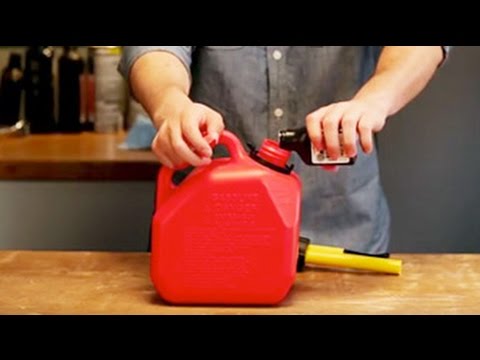
Use a funnel to keep the fuel mix clean and avoid contaminating the tank.
Source: youtube.com
How to Mix Oil and Gas for Leaf Blower: Step-by-Step
Once you have your ratio confirmed and your gear assembled, the process is straightforward. Follow these steps precisely to guarantee a consistent blend.
Step 1: Start with Fresh Fuel
If the gas has been sitting in a can for more than a month, don’t use it. Gasoline starts to evaporate and oxidize, leaving behind a varnish that clogs carbs. For best results, buy fuel the same day you plan to mix. If you buy in bulk, adding a fuel stabilizer at the pump can extend the life of your mix.
Step 2: Add Fuel to the Can First
This step is crucial for safety and accuracy. Fill your approved gas can with about half of the total amount of gasoline you plan to mix. For example, if you’re making one gallon, pour half a gallon of gas into the can first.
Step 3: Measure and Add the Oil
Consult the ratio chart above for the precise amount of oil. Pour the measured oil into the half-filled can. Using a measuring bottle with clear markings is vastly more accurate than guessing with the cap of an oil bottle.
Step 4: Top Up with More Fuel
Finish filling the can with the remaining gas (up to the one-gallon mark). This “sandwich” method—fuel, oil, fuel—ensures the oil doesn’t sit in a pure puddle that’s hard to dissolve.
Step 5: Cap and Shake Vigorously
Secure the cap tightly and shake the can for a solid 15 to 20 seconds. This isn’t a suggestion; the oil must be fully suspended in the gas. A 10-second shake will leave oil swirling at the bottom, meaning the first few pulls of your engine will run with almost no lubrication.
Step 6: Label the Can
Immediately after mixing, label the can. Include the ratio (e.g., “50:1 MIX”) and the date it was mixed. This will save you from guessing later.
Step 7: Fill the Blower Carefully
Use a funnel to pour the mix into the blower’s tank. Avoid overfilling; fill to the bottom of the filler neck, leaving room for fuel expansion. Wipe up any spills immediately—mixed fuel is sticky and can damage plastic components.
Accurately measuring the oil before adding it to the gas can takes the guesswork out of every tank.
Source: reddit.com
Exact Measurements You Can Rely On
If you need to make a small batch quickly, use these reference points. They assume standard measurement units.
For 50:1 Ratio (Most Common)
| Fuel Volume | Oil Required |
|---|---|
| 1 US Gallon | 2.6 oz (about 77 ml) |
| 1/2 US Gallon | 1.3 oz (about 38 ml) |
| 1 Liter | 20 ml |
| 5 Liters | 100 ml |
For 40:1 Ratio
| Fuel Volume | Oil Required |
|---|---|
| 1 US Gallon | 3.2 oz (about 95 ml) |
| 1/2 US Gallon | 1.6 oz (about 47 ml) |
| 1 Liter | 25 ml |
| 5 Liters | 125 ml |
If you’re mixing single batches often, invest in a dedicated mixing bottle with side graduations. It’s a cheap tool that makes the routine nearly foolproof and significantly reduces the risk that comes with performing firewood cutting or other yard work after a long season.
Best Practices and Mistakes to Avoid
Knowing the steps is half the battle; avoiding common pitfalls is the other half. These habits separate well-maintained engines from chronic failures.
Choose the Correct Oil
Never, under any circumstances, use standard automotive motor oil. Car oil contains detergents and additives designed for four-stroke engines with filters. In a two-stroke engine, it will burn into a thick, tar-like sludge that destroys the piston rings in a single season. Always use an API-TC, JASO FD, or ISO-L-EGD rated 2-stroke oil specifically for air-cooled engines.
Keep Batches Small and Fresh
Unused mixed fuel degrades. The oil starts to separate and the gasoline oxidizes. As a rule of thumb:
- 30 days is the maximum recommended life for mixed fuel without stabilizer.
- 60 days is attainable with a high-quality fuel stabilizer added at the time of mixing.
Store Fuel Properly
Always store mixed fuel in a sealed container, away from direct sunlight, in a cool, dry place. Heat accelerates the breakdown of the oil and the evaporation of the volatile compounds in the gasoline. In practice, a garage floor in the summer is too warm for long-term storage, so take that into account.
Don’t Eyeball the Oil
A “close enough” approach is the quickest way to ruin an engine. A ratio that’s off by even 10% will run lean (too little oil) or rich (too much oil), leading to overheating or carbon buildup over time. Use the measuring bottle or a pre-measured oil bottle.
Pre-Mix vs. Gas Station Oil
“You can’t just pour oil into the blower’s tank and add gas on top,” I’m often asked. That’s true. Mixing in the tank is a terrible idea because the oil will sit in a thick layer on top of the gas, and the first few pulls will send a pure stream of oil into the carburetor. Always mix in a separate approved can.
A clean, tan-colored spark plug indicates a healthy mix ratio.
Source: youtube.com
How to Diagnose a Bad Mix
Even with the best intentions, mistakes happen. Here’s how to recognize the symptoms of a poor mixture quickly, so you can correct it before permanent damage occurs.
Symptoms of Too Much Oil
- Excessive blue or white smoke: Not just a puff at startup, but a continuous cloud while running.
- Rough, erratic idle: The engine hunts and stalls at low RPM.
- Wet, black spark plug: The electrode and insulator tip are coated with black, oily soot.
- Carbon buildup: You may notice a hard crust around the exhaust port.
If this happens, drain the tank, discard the mix, and refill with the correctly measured ratio. Clean or replace the spark plug, as a fouled plug often won’t fire properly even with good fuel.
Symptoms of Too Little Oil
This is the more dangerous scenario, as damage occurs quickly.
- High-pitched metallic whine: This is often the sound of the rod bearings complaining.
- Loss of power: The engine runs hot and loses RPMs.
- Overheating: The cylinder head feels excessively hot to the touch (after shutting off).
- Seized engine: The engine abruptly stops and won’t turn over by hand.
If you suspect a lean mix, stop using the blower immediately. Refill with the correct mix. If the engine still feels tight or noisy, consult a small-engine mechanic before running it again.
Symptoms of Stale Fuel
- Hard starting: The engine cranks for many pulls before firing.
- Surging: The RPMs fluctuate up and down at a steady throttle.
- General rough running: The engine pops, misses, and has no consistent power.
The fix is to drain the fuel, use fresh gas, and consider cleaning the carburetor if the varnish has already set in.
Safety and Environmental Best Practices
Gasoline is a volatile, flammable liquid, and two-stroke oil is a petroleum product. Treat both with the respect they deserve.
- Mix in a well-ventilated area. Ideally, do this outdoors. Fumes are heavier than air and can pool in a garage.
- Wear eye protection and nitrile gloves. Contact with gasoline can cause eye and skin irritation.
- Use only approved, properly sealed containers. Never use beverage bottles or milk jugs, which can degrade and leak.
- Clean up spills immediately. Cat litter or a dedicated absorbent will handle a puddle on the garage floor. Wipe drips on your equipment right away.
- Dispose of old fuel responsibly. Check with your local municipal waste facility or a hazardous waste collection event. Never pour fuel down a drain, on the ground, or into a storm sewer.
Four-Stroke and “4-Mix” Engines: Know the Difference
Not every gas leaf blower needs oil mixed into the fuel. Ignoring the engine type is a fast way to cause serious damage.
- Four-Stroke Engines: These use a conventional sump with oil in a separate reservoir. The fuel tank holds only straight gasoline. Adding oil to the fuel in a four-stroke will cause extreme smoke, oil fouling, and catalytic converter damage.
- “4-Mix” or Hybrid Engines: These are a special case. Some brands (like Honda’s GX series and certain Husqvarna models) use a 4-stroke cylinder head but still rely on a two-stroke fuel mix for lubrication of the bottom end. The manual will explicitly state the fuel requirement. When in doubt, check the label—it should say “Use 2-stroke mix” or “Oil-mix required.”
Frequently Asked Questions
What ratio do most leaf blowers use?
Most modern leaf blowers use a 50:1 ratio, which is about 2.6 fluid ounces of oil per US gallon of gasoline. Older engines often specify 40:1 or 32:1, so you have to verify your model.
Can I use regular motor oil in a leaf blower?
No. You must use specially formulated two-stroke oil for air-cooled engines. Standard automotive motor oil does not burn cleanly and will leave heavy carbon deposits, leading to piston ring sticking and premature failure.
How long does mixed gas stay good?
Without a fuel stabilizer, mixed fuel is generally safe to use for about 30 days. Adding a stabilizer at the time of mixing extends that window to about 60 days, provided the container is sealed and stored in a cool place.
Can I use E10 (10% ethanol) gasoline?
Yes, you can, but be wary of it. Ethanol attracts moisture, which can lead to phase separation and corrosion. Mix only what you’ll use in a short period. If you can find ethanol-free fuel, it is always the better choice for your two-stroke engine.
What if I don’t have a measuring cup?
Use pre-measured 2-stroke oil bottles. These small bottles are filled to contain the exact amount of oil needed for a specific volume of gas (usually 1 gallon or 1 liter). They’re inexpensive, accurate, and widely available at auto parts and hardware stores.
Should I shake the fuel can before every refill?
Yes. Even a well-mixed batch can start to separate if it’s been sitting for a week. A quick 5-second shake before each fill ensures you’re getting an even blend.
Can I leave mixed fuel in the blower over winter?
It’s not recommended. The fuel will degrade, and the varnish left behind can clog the tiny passages in your carburetor. The best practice is to drain the tank and run the engine until it stops to burn off the remaining fuel in the carburetor.
Conclusion
Mastering how to mix oil and gas for a leaf blower is a simple but non-negotiable skill for anyone who owns a two-stroke machine. By verifying your exact ratio, measuring accurately, and using fresh fuel, you aren’t just making your blower start easier—you’re extending its life, protecting your investment, and eliminating the most common cause of small-engine failure.
The habit takes less than five minutes. Set up a labeled can, keep a marked mixing bottle in the garage, and never eyeball the oil. Your blower will reward you with instant starts and reliable power whenever you need to tackle the yard. If you’re considering a quieter alternative, our guide to cordless leaf blower picks can help you decide if skipping gas entirely is the right move for your property.


