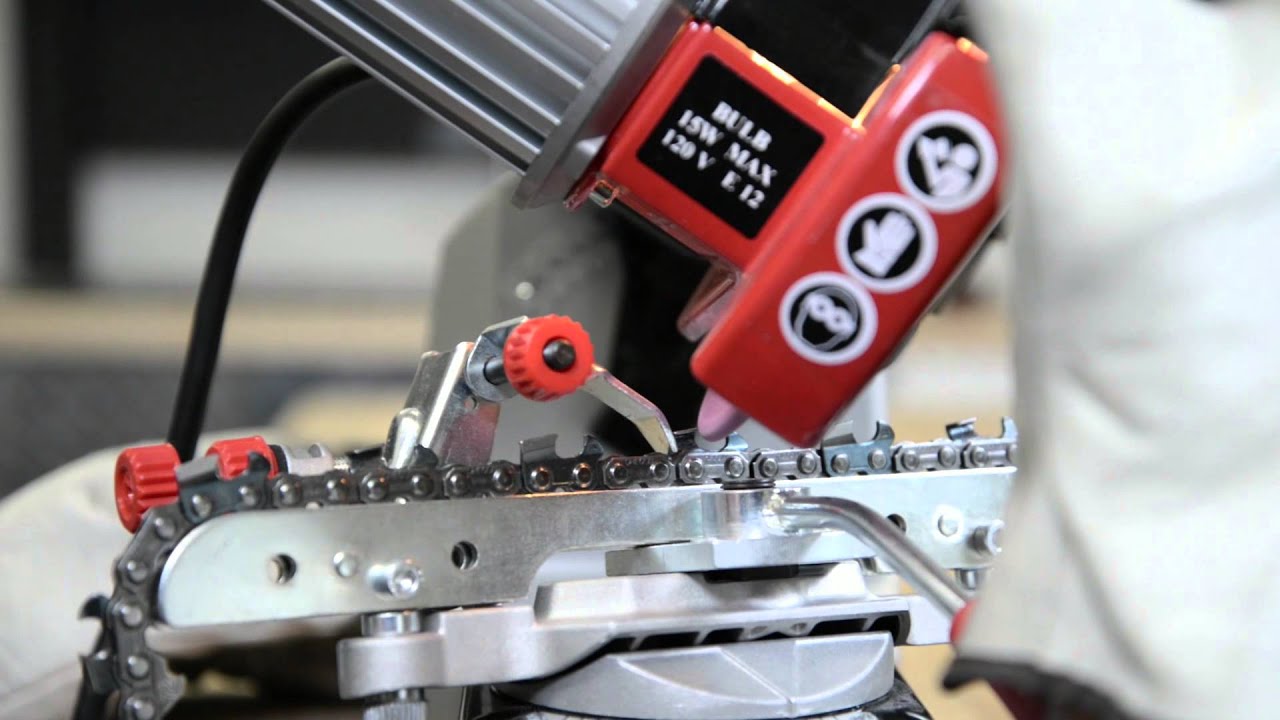
Most chainsaws weigh 6 to 20 pounds; pro models can exceed 25 pounds.
You came here to learn how heavy is a chainsaw, and you’ll leave with more than numbers. I’ve logged, trimmed, and tested saws from pocket-size battery units to 90cc brutes in the woods. In this guide, I’ll break down weight by type, explain what really adds pounds, and show you how to pick the right weight for your work, safely and confidently.

Average chainsaw weights at a glance
When someone asks how heavy is a chainsaw, they usually want a quick, real-world range. Here’s what you can expect when the saw is set up to cut, not just bare on a shelf.
- Corded electric: 6 to 9 pounds ready to run. Light, simple, no fuel weight.
- Small battery (mini saws and 4 to 8 inch pruning): 3 to 7 pounds with battery.
- Mid-size battery (12 to 16 inch): 9 to 14 pounds with a 4 to 6 Ah battery.
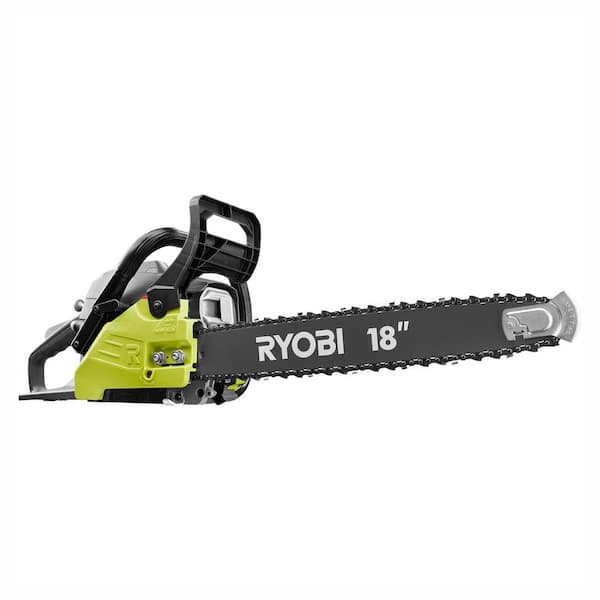
- Gas homeowner (30 to 45cc, 14 to 16 inch): 12 to 16 pounds with fuel, oil, bar, chain.
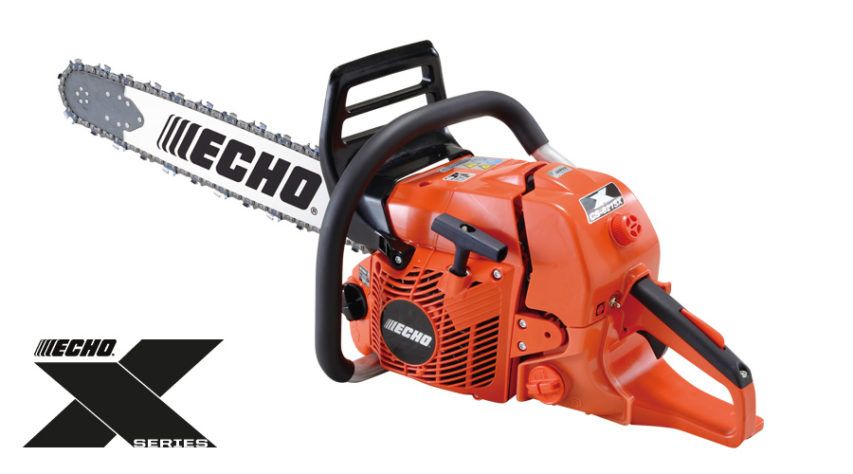
- Pro mid-size gas (50 to 60cc, 16 to 20 inch): 14 to 18 pounds ready to cut.
- Large felling saws (70 to 90cc, 20 to 28 inch): 18 to 25+ pounds in the field.
- Top-handle arborist saws (battery or small gas): 7 to 10 pounds ready, tuned for one-handed positioning aloft.
To answer how heavy is a chainsaw with precision, check the ready-to-cut weight, not just the listed “powerhead only” weight. Bars, chains, fuel, oil, and batteries change the picture fast.

What actually makes a chainsaw heavy?
Every ounce has a job. The final answer to how heavy is a chainsaw depends on these parts and choices.
Powerhead
The engine or motor is the core. Bigger displacement (cc) in gas saws or larger electric motors add weight but deliver more torque.
Bar and chain
A longer bar adds reach and mass. A 16 inch bar and chain often adds 1 to 2 pounds. A 20 inch setup can add 2 to 3 pounds or more. Lightweight guide bars can save noticeable ounces.
Fuel and oil
Fuel mix is about 6 pounds per gallon. Many saws carry 0.3 to 0.7 liters, which adds roughly 0.5 to 1.2 pounds when full. Bar oil can add another 0.5 to 1.5 pounds depending on tank size.
Battery packs
Batteries vary a lot. Compact packs can weigh about 1.5 to 3 pounds. Big packs (high Ah) can weigh 4 to 7+ pounds. Bigger packs boost runtime but change balance and fatigue.
Build materials and features
Magnesium cases are lighter than steel. Anti-vibration mounts, heated handles, wrap handles, and bigger clutch covers all add small amounts that add up.
Accessories
Felling spikes, guards, scabbards, and even a full-wrap handle can change what you feel in the hands.
Does weight matter for comfort, control, and safety?
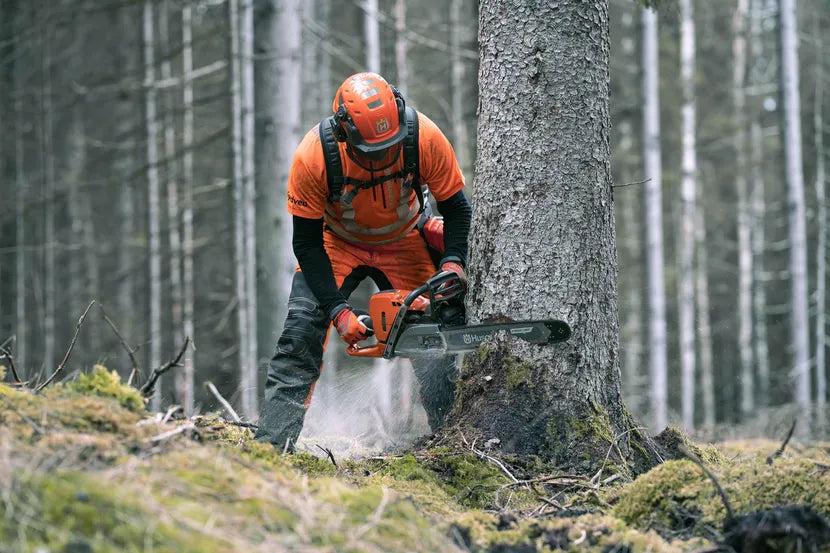
Yes. It affects every cut. When people ask how heavy is a chainsaw, they often mean “how heavy before it slows me down or risks control?”
- Control: A balanced 14-pound saw can feel lighter than a nose-heavy 12-pound one.
- Fatigue: Extra pounds compound over hours. Overhead work magnifies that strain.
- Safety: Tired arms react slower to kickback and bind-ups. Less control means more risk.
- Vibration: Good anti-vibe systems can make a heavier saw feel easier than a lighter, buzzy one.
From my field days trimming limbs, I prefer 8 to 10 pounds for long sessions overhead. For ground cuts, 12 to 16 pounds feels fine if the balance is right. For big timber, I accept more weight for the torque it brings.

How to choose the right chainsaw weight for your job
Let’s match tasks to weight so you can stop guessing how heavy is a chainsaw should be for you.
-
Yard cleanup and pruning
- Aim for 6 to 10 pounds ready to cut.
- Battery or corded models shine here with low fatigue.
-
Firewood up to 14 inches
- Look at 10 to 16 pounds ready.
- Battery with a mid Ah pack or a 40 to 50cc gas saw works.
-
Regular firewood 16 to 20 inches
- Plan for 14 to 18 pounds.
- Gas 50 to 60cc or a high-voltage battery saw with a larger pack.
-
Felling medium to large hardwood
- Expect 18 to 25+ pounds with a 70 to 90cc saw and a 20 to 28 inch bar.
- The weight serves the cut. Use breaks and sound technique.
-
Climbing or bucket work
- Keep it light at 7 to 10 pounds.
- A top-handle battery unit is ideal for control and one-handed positioning.
If you’re still wondering how heavy is a chainsaw that fits your body, pick up a few in person. Swing them side to side, check balance with the bar on, and simulate a shoulder-height cut. Your shoulders will tell you the truth.

Real-world examples by model class
Here’s how typical setups land in hand, based on common manufacturer specs and my shop scale.
-
14 inch corded electric
- About 8 to 9 pounds ready. Smooth and simple for yard work.
-
40V battery, 14 inch bar, 4 Ah pack
- Often 10 to 12 pounds ready. Great for limbs and small logs.
-
50cc gas, 16 inch bar
- Around 12 to 14 pounds dry; 14 to 16 pounds ready. Good all-around firewood saw.
-
60V battery, 16 to 20 inch, 8 Ah pack
- About 14 to 18 pounds ready depending on bar and pack size.
-
70 to 90cc gas, 20 to 28 inch bar
- Roughly 14 to 17 pounds dry; 18 to 25+ pounds ready. Built for big wood.
Numbers vary by brand and configuration. But these ranges help you convert a store spec into a real answer when someone asks how heavy is a chainsaw in the field.
Weight management tips and setup
You can tune your saw to feel lighter without losing performance.
- Pick the shortest bar that does the job. Shorter bars save weight and improve balance.
- Use lightweight guide bars and narrow-kerf chains where suitable.
- Choose a battery size that meets your runtime. Swap packs rather than carrying extra mass.
- Keep chains sharp. A sharp chain cuts faster, so you hold the saw for less time.
- Practice neutral balance. Keep the bar close to your body, not reaching out.
- Take micro-breaks. Shake out your arms. Rotate tasks with a buddy on long jobs.
- Wear the right PPE. Good gloves reduce hand fatigue; boots and chaps protect and boost confidence.
One more tip: weigh your saw ready to cut at home. Then you’ll know how heavy it is on a long day, not just in the catalog. That clarity beats guessing how heavy is a chainsaw every time.
Testing method: how I weigh a chainsaw
Here’s my simple process to get the number you can trust.
- Fill bar oil and fuel (or install the battery you’ll actually use). Mount the bar and chain you run most.
- Use a luggage or hanging scale. Hook it under the main handle and lift slowly. Note the reading when steady.
- Cross-check with a bathroom scale. Step on with and without the saw and subtract.
- Log the weight with different bars and batteries. That data kills confusion about how heavy is a chainsaw for each setup you own.

Source: youtube.com
Frequently Asked Questions of how heavy is a chainsaw
How much does a chainsaw weigh with fuel and oil?
Most mid-size gas saws weigh 14 to 18 pounds ready to cut. Fuel, bar oil, and the bar and chain add 2 to 4 pounds over the bare powerhead.
Are battery chainsaws lighter than gas?
Often, yes, for small to mid-size jobs. Large high-capacity batteries can make big battery saws as heavy as comparable gas models.
Does bar length change the weight a lot?
It can. Moving from a 16 inch to a 20 inch bar can add 1 to 2 pounds and may shift balance forward.
What is a good chainsaw weight for beginners?
Aim for 8 to 12 pounds ready to cut. That range offers control without fast fatigue for basic yard work and small firewood.
Why do specs list “dry weight” or “powerhead only”?
Dry weight excludes fuel and oil; powerhead only also excludes the bar and chain. Ready-to-cut weight reflects what you actually carry and control.
How heavy is a chainsaw for climbing work?
Top-handle saws for arborists usually land between 7 and 10 pounds ready. Lighter weight helps with precision and reduces fatigue aloft.
Conclusion
You now have a clear picture of how heavy is a chainsaw, from trim-friendly lightweights to pro-grade bruisers. Weight affects control, safety, and stamina, so match the saw to the work, weigh your setup at home, and tune bar, battery, or fuel choices to fit your body and day.
Ready to take the next step? Use the ranges here to shortlist a few models, handle them in person, and pick the setup that feels right. If you found this helpful, subscribe for more hands-on gear guides or drop your questions in the comments.