When To Replace Chainsaw Chain: Signs, Tips, 2026 Guide
Replace a chainsaw chain when it stays dull, wanders, smokes, or has cracked links.
If you have ever forced a cut or fought a crooked kerf, you know how fast a bad chain turns a simple job into a risk. In this guide, I explain when to replace chainsaw chain with clear signs, proven checks, and pro tips from years of field work. You will learn what to look for, what to avoid, and how to get clean, safe cuts every time.

Why your chain’s condition matters
A sharp, healthy chain saves time, fuel, and effort. It also keeps the bar, sprocket, and clutch from wearing out early. A dull or damaged chain kicks back more, burns more oil, and can bend your bar.
Think of the chain as the saw’s tires. If the tread is gone, the whole machine struggles. Knowing when to replace chainsaw chain protects you and your gear. It also makes every cut smoother and faster.

Clear signs you need a new chain
You do not need a micrometer to spot a worn chain. Look and feel for these signs.
- The chain will not stay sharp. It dulls after one or two cuts even after a full sharpen.
- You see smoke in a straight cut. Oiler is fine, but the chain still burns.
- Cuts pull to one side. Teeth are uneven or damaged, so the cut drifts.
- Chips turn to dust. Healthy chains pull out thick chips, not fine powder.
- You find cracked, bent, or broken cutters. A single broken part is reason to replace.
- Drive links are burred or thin. They no longer fit the bar groove well.
- Depth gauge witness marks are filed past safe limits. The rakers cannot be set right.
- The chain has stretched beyond the adjuster range. It cannot hold safe tension.
- The chain hops or chatters in the kerf. Bar and sprocket are fine, but the chain misbehaves.
If two or more of these show up at once, that is when to replace chainsaw chain. Do not push it. A bad chain punishes every other part.
How long does a chainsaw chain last?
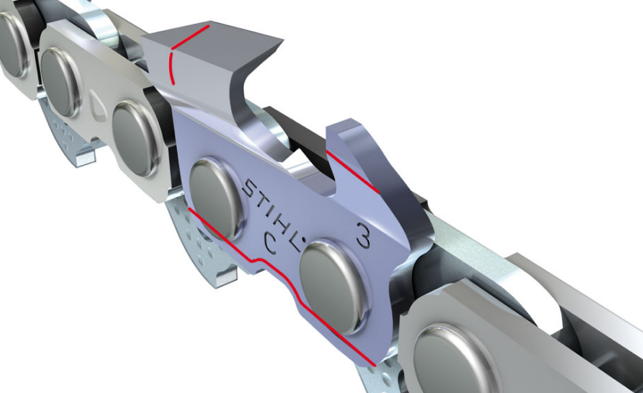
There is no fixed hour count. Life depends on wood type, grit, and care. In clean softwood, a quality chain may handle 8 to 12 full sharpenings. In dirty or frozen wood, it may last 1 to 3 sharpenings. One rock, one nail, or one swipe in the dirt can end it at once.
Use these factors as a guide:
- Wood and debris. Sand, soil, nails, and ice kill edges fast.
- Cutter style. Full-chisel cuts fast but dulls quicker. Semi-chisel holds up better in dirty wood.
- Maintenance. Proper angles, depth gauge care, and good bar oil add many hours.
- Bar and sprocket health. Worn rails or a hooked sprocket chew chains.
- Technique. If you force cuts or twist in the kerf, you damage links and teeth.
A simple story: I once milled white pine all day on one chain with light touch-ups. The next week, a windfall oak with gritty bark wrecked a chain before lunch. Track your work. Your patterns will show you when to replace chainsaw chain for your jobs.
Inspect your chain step by step
Take five minutes before the day’s first cut.
- Clean the chain and bar. Wipe off sap and grit.
- Check every cutter tip. Look for flat spots, chips, or missing chrome.
- Compare left and right cutters. They should be the same length.
- Gauge the depth rakers. Use a raker tool to keep them in spec.
- Look at the drive links. Check for burrs, cracks, or blue heat marks.
- Flex the chain by hand. It should move smooth in the bar groove.
- Check tension. The chain should snap back but still pull free by glove.
If you fail two or more checks, that is when to replace chainsaw chain. It is cheaper than a new bar.
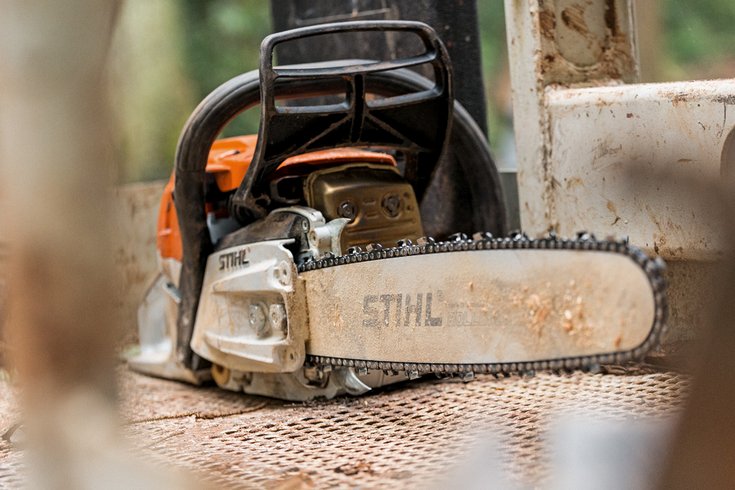
Sharpen or replace? A simple decision
Ask three fast questions.
- Are the cutters shorter than the witness marks? If yes, replace.
- Are there cracks, missing teeth, or bent links? If yes, replace.
- Does a full, accurate sharpen still give dusty chips and drift? If yes, replace.
Sharpen when teeth are sound, lengths are even, and the chain still holds an edge. Replace when metal is gone or damaged. Time matters too. If you spend 20 minutes grinding to get 10 minutes of cutting, that is when to replace chainsaw chain and move on.

Sizing and selecting the right replacement chain
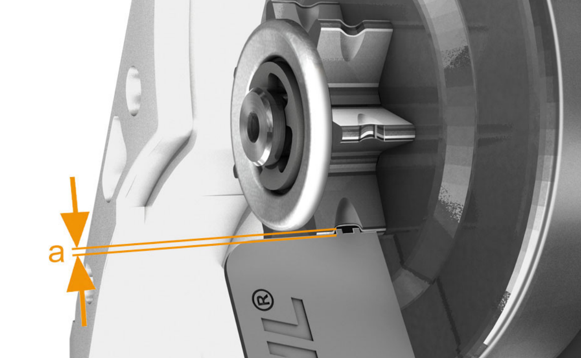
Match three specs to your bar and sprocket. They are often stamped on the bar.
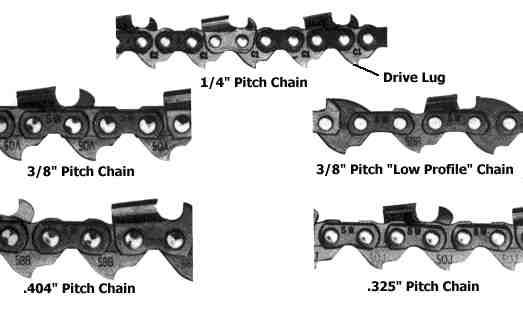
- Pitch. Common sizes are 3/8, .325, and 3/8 low-profile. Pitch must match the drive sprocket.
- Gauge. Common sizes are .043, .050, .058, .063. Gauge must match the bar groove.
- Drive link count. This must match your bar length and setup.
Choose the cutter style for your work:
- Full-chisel. Fast in clean softwood and hardwood. Dulls fast in grit. Higher kickback risk.
- Semi-chisel. Slower but holds an edge longer in dirty or frozen wood. Safer profile.
- Low-kickback (safety chain). Good for home users and pruning. Slower but more forgiving.
If you are unsure, bring the old chain to the shop. Or read the bar stamp. Getting this right avoids returns and keeps the saw safe. When to replace chainsaw chain ties to buying the correct chain the first time.

How to replace and break in a new chain safely
Follow a calm, clean process.
- Engage the brake and pull the spark plug boot on gas saws. Unplug battery on cordless.
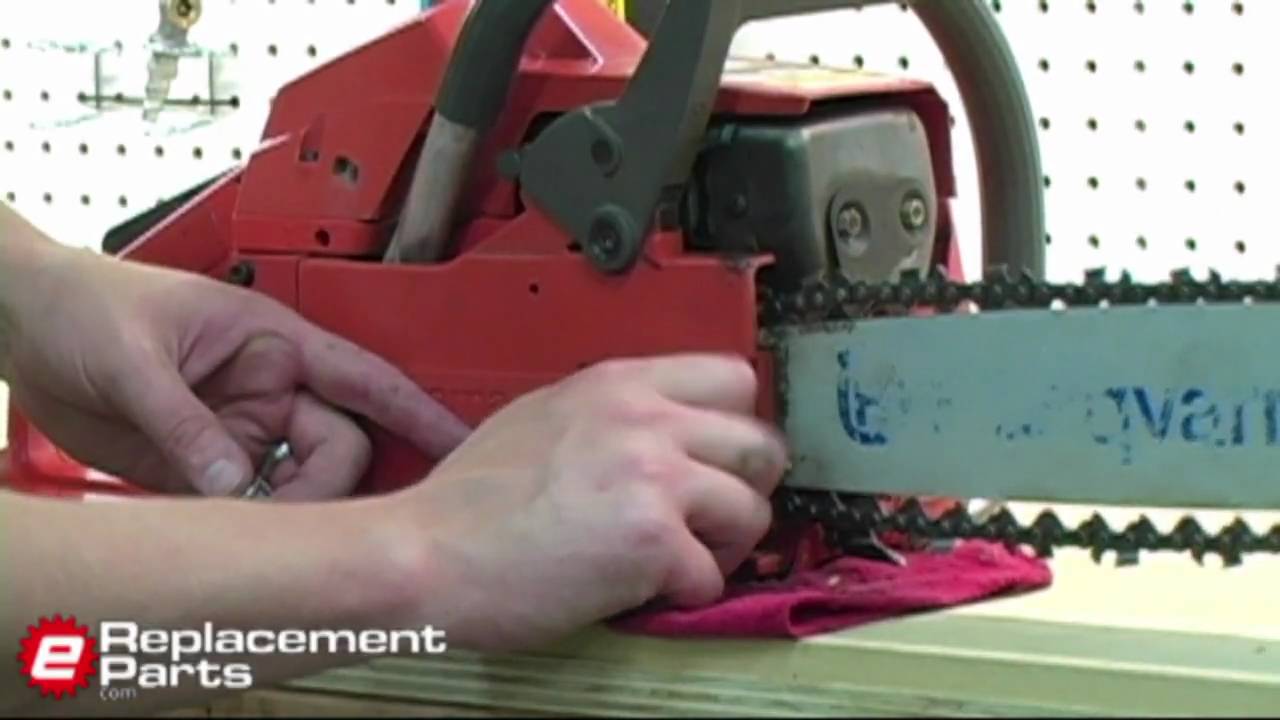
- Remove the side cover. Clean the clutch cover and bar groove.
- Flip the bar to even wear. Seat the chain on the sprocket and bar.
- Set tension. The chain should seat in the groove and snap back with a light pull.
- Fill the bar oil. New chains run hot if you skip this step.
- Run at idle for 30 to 60 seconds. Let oil flow and parts seat.
- Recheck tension warm. Chains loosen after the first heat cycle.
Break-in helps stop stretch and heat checks. I always re-tension after the first cut. It takes one minute and saves a thrown chain.
Pro tips to make your chain last longer
Simple habits extend life and delay when to replace chainsaw chain.
- Keep the tip out of dirt. A single touch can dull every tooth in one spin.
- Dress the bar rails. Use a flat file to square them when they start to flare.
- Flip the bar at each chain swap. It evens rail wear and saves the bar.
- Set depth gauges right. Too low is grabby and risky. Too high makes dust.
- Oil well. Use the right bar oil and confirm a steady line on a stump test.
- Store clean and oiled. Prevent rust and sticky pitch.
- Use a filing guide. It keeps angles true and cutter lengths even.
These small steps pay off fast. You will sharpen less and cut straighter.
Common mistakes to avoid
Avoid these traps. They are the fastest path to when to replace chainsaw chain.
- Forcing a dull chain. Heat builds, cutters blue, and the bar warps.
- Skipping raker work. Sharp cutters with high rakers still cut slow and hot.
- Mixed chains or wrong specs. Pitch or gauge mismatch chews up the bar and sprocket.
- Dry cutting. A failed oiler or empty tank kills a chain in minutes.
- Sawing into soil, gravel, or a stump bed. Hidden grit eats edges like sandpaper.
If something feels off, stop and check. Ten seconds beats a trip to the store.
Real-world lessons from the field
On storm cleanups, I carry three sharp chains in sealed bags. Wet bark hides grit. I swap fast rather than fight a dull chain. That habit alone cut my time per tree by a third.
I learned the hard way not to chase “one more cut.” Years ago, I pushed a chain past the witness mark. It broke a cutter in a hard knot. The kerf grabbed, and the bar kicked back. No injury, but it shook me. Now, when to replace chainsaw chain is a rule, not a guess.
Frequently Asked Questions of when to replace chainsaw chain
How do I know when to replace a chainsaw chain instead of sharpening?
If you see cracks, missing teeth, or cutters past the witness marks, replace it. If it still drifts or makes dust after a full, accurate sharpen, replace it.
How many times can I sharpen a chain before replacing it?
Many users get 5 to 10 sharpenings if they avoid dirt and nails. In gritty wood, it may be only 1 to 3.
Does bar length affect when to replace chainsaw chain?
Not by itself. Wear depends more on debris, oiling, and sharpening. Longer bars do add load if the saw is underpowered.
What chip size tells me the chain is done?
Thick chips mean sharp cutters and correct rakers. Fine dust, even with oil, suggests dull cutters or wrong raker depth.
Will replacing the sprocket help a new chain last longer?
Yes. A hooked or worn sprocket chews up a new chain. Many pros change the rim sprocket with every two chains.
Can I mix brands when I replace my chain?
Yes, as long as pitch, gauge, and drive link count match your bar and sprocket. Performance varies a bit by cutter design.
Is semi-chisel better if I often hit dirty bark?
Yes. Semi-chisel holds an edge longer in grit and frozen wood. It also tends to kick back less.
Conclusion
A safe, fast cut starts with a healthy chain. Watch chip shape, drift, tension, and damage. When two or more warning signs show up, that is when to replace chainsaw chain. Do not push a bad chain. Swap it, set tension, oil well, and get back to clean, straight cuts.
Make a habit this week: inspect before you cut, flip the bar, and carry a spare chain. Want more tips like this? Subscribe, share your toughest cutting problem, or leave a comment with your chain setup and wood type. I am happy to help you choose the right chain and know exactly when to replace it.