How Long Should A Chainsaw Chain Last: Pro Tips
Most chains last 5–10 sharpenings or 10–40 hours, depending on care and wood.
You want a clear, trusted answer to how long should a chainsaw chain last. I’ve logged thousands of cuts as a contractor and trainer. In this guide, I share real numbers, pro tips, and the exact habits that make a chain last longer. If you want to know how long should a chainsaw chain last and how to get the most from each tooth, you’re in the right place.

How long should a chainsaw chain last in real use?
Chains do not have a fixed expiration date. They wear down with each cut and each sharpening. In clean wood with good oil, a standard steel chain can last 5–10 sharpenings. That equals about 10–40 hours of cutting for most users.
If you hit dirt or sand, that life can drop to minutes. I have ruined a fresh chain in one cut after a hidden nail. When people ask how long should a chainsaw chain last, I say this: your technique, wood, and maintenance decide 80% of it.

What “chain life” really means
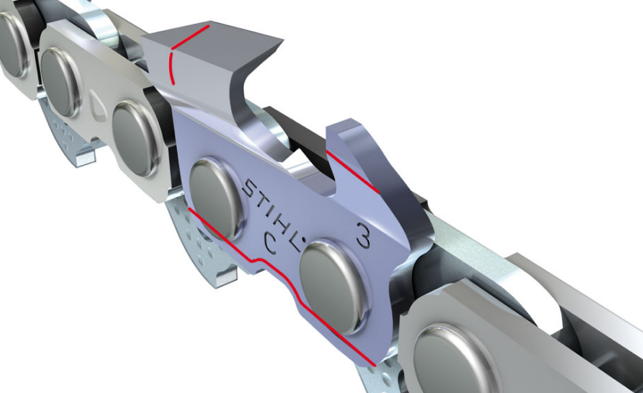
Chain life is a mix of sharpness, tooth length, rivet health, and safety. You can sharpen a dull chain many times. But when teeth reach the witness marks, the chain is at the end. If rivets get loose, cracked, or blue from heat, it is done even sooner.
Stretch matters too. All chains stretch a bit. Excess stretch plus a worn bar can cause derailment. That is unsafe. Chain life ends when you cannot tension it, or when metal fatigue shows up.
Typical lifespan by user and conditions
Here are practical ranges I see in the field:
- Clean softwood, good oil, no ground contact: 1–2 hours between touch-ups. Total 5–10 sharpenings.
- Mixed hardwoods, light dirt exposure: 30–60 minutes between touch-ups. Total 4–8 sharpenings.
- Dirty logs, windfall with sand, or root cuts: 5–20 minutes between touch-ups. Total 1–3 sharpenings.
- Carbide-tipped chain in dirty wood: 3–5 times longer than steel, but slower to cut and harder to sharpen.
So, how long should a chainsaw chain last? In easy cuts, many weekends. In mud and nails, not long at all.

Key factors that change chain life
Several factors decide how long should a chainsaw chain last:
- Wood species and condition Hard, dry oak is tougher on teeth than fresh pine. Sand in bark is even worse.
- Contact with the ground Touching soil is like dragging teeth on sandpaper.
- Chain type Full-chisel cuts fast but dulls faster. Semi-chisel holds an edge longer in dirty wood.
- Lubrication Thin oil film reduces heat and wear. A dry chain burns and blues.
- Tension and bar health A sloppy fit increases wear. A worn bar rails pinches or leans the chain.
- Filing skill and angles Over-filing or wrong raker depth shortens tooth life and stresses the chain.
- Saw power and feed pressure Forcing a cut overheats metal and rolls edges.
Control these, and you control how long should a chainsaw chain last for your work.
Signs your chain is dull vs. done
Dull is fixable. Done is not. Watch for:
- Dull chain Signs include fine dust instead of chips, smoke, and forced feed. The saw may wander.
- Done chain Teeth are at or near witness marks. Cracked or loose rivets. Blue links. Kinked or stretched beyond adjuster travel. Re-sharpened edges fade in a few cuts.
If your chain goes dull within minutes in clean wood, metal may be fatigued. Replace it.

How to extend chain life: simple habits that work
These steps add hours to any chain:
- Keep it clean Brush off grit after each tank. Flip and wipe the bar groove.
- Oil like you mean it Use quality bar oil. Confirm a visible oil line on a stump test.
- Tension right Lift the chain at the bar tip. It should snap back with minimal sag.
- Sharpen early and lightly Touch up every tank. Remove less metal per session.
- Set rakers with a gauge Too low rakers make a harsh, hot cut. Too high kills feed and causes heat.
- Avoid ground and rocks Use a log stand or cut on clean supports.
- Rotate chains Keep two or three chains and swap when dull. File them later at the bench.
These habits can double how long should a chainsaw chain last in normal use.
Sharpening frequency, technique, and limits
I teach a touch-up after every tank of fuel. Use a file guide to keep the factory angle. Light pressure is key. Let the file bite and clear.
How many times can you sharpen? For most chains, 5–10 touch-ups before the tooth reaches the witness mark. Gentle work may reach 12–15. Aggressive filing or frequent rock strikes may cut that to 2–3. When rakers are near spec limits or teeth are tiny and uneven, retire the chain.

Picking the right chain for longevity
Choosing the right pattern helps:
- Semi-chisel Best for dirty wood and firewood piles. It holds an edge longer.
- Full-chisel Fast in clean softwood, but dulls quick in grit.
- Carbide-tipped Good for storm cleanup and rough conditions. Costs more and needs special tools to sharpen.
Also match pitch and gauge to your bar and sprocket. A mismatch shortens life and is unsafe. Premium chains often hold angles better and stretch less over time.

Cost, efficiency, and when to replace
A chain is a small cost next to your time and safety. If it takes more effort to force a cut, it is time for a new chain. I replace when:
- Teeth are near witness marks.
- Chain will not stay sharp in clean wood.
- Links show heat discoloration or damage.
- Stretch prevents proper tension.
Buying two extra chains saves daylight on the job. Rotate, clean, and sharpen in batches. You work faster and the chains last longer.
Troubleshooting quick guide
Use these simple fixes:
- Chain dulls fast in clean wood Check angles. You may have rolled edges or wrong raker depth. Ease pressure.
- Crooked cuts Bar rails may be worn. Dress or replace the bar. Confirm even tooth lengths.
- Burn marks or smoke Increase oil flow. Reduce feed pressure. Sharpen to a crisp edge.
- Chain jumps or chatters Tension and bar groove may be off. Inspect drive links and sprocket wear.
Each fix adds hours to how long should a chainsaw chain last, and keeps cuts straight and safe.
Frequently Asked Questions of how long should a chainsaw chain last
How long should a chainsaw chain last for a homeowner?
With clean cutting and good oil, expect 10–40 hours over 5–10 sharpenings. Dirty wood or ground contact can reduce that to a few hours total.
How many times can you sharpen a chainsaw chain?
Most standard chains handle 5–10 touch-ups before the teeth reach the witness marks. Gentle use and light filing may allow up to 12–15.
What ruins a chainsaw chain the fastest?
Soil, sand, and rocks destroy edges in seconds. Hidden nails, wire, or dry, gritty bark also cause rapid dulling and heat damage.
Does cutting hardwood make a chain wear out faster?
Yes, dense hardwoods dull chains faster than softwoods. Add grit or dry bark and wear increases even more.
When should I replace the chain instead of sharpening?
Replace when teeth are at the marks, rivets are loose or cracked, or it will not hold an edge. If you cannot tension it safely, it is done.
Do carbide chains last longer than standard steel?
They last longer in dirty or abrasive cuts and resist wear. They cost more and need special equipment or pro service to sharpen.
Can poor oiling reduce chain life?
Yes. Low oil creates heat, blue links, and fast wear. Keep the oiler working and use quality bar oil.
Conclusion
Chain life is not a mystery. In clean wood with sound habits, a chain can last 5–10 sharpenings and deliver 10–40 hours of solid work. In grit, it may not last a day. Your choices decide how long should a chainsaw chain last: sharp early, oil well, avoid dirt, and keep tension right.
Put two spare chains in your kit this week. Rotate them, touch up often, and track hours. Want more hands-on tips? Subscribe for new guides, or drop a question in the comments.