Can You Use A Chainsaw In The Rain: Safety Guide 2026
Yes, but it’s risky; follow manufacturer rules and add extra safety steps.
If you have ever wondered can you use a chainsaw in the rain, you’re not alone. I’ve led storm cleanups, trained crews, and tested saws in wet weather. This guide breaks down when it is acceptable, when it’s not, and how to stay safe if you must cut in the rain. Read on for a clear, experience-based answer to can you use a chainsaw in the rain, backed by expert guidance and practical tips.
What Makes Rain Risky For Chainsaw Work
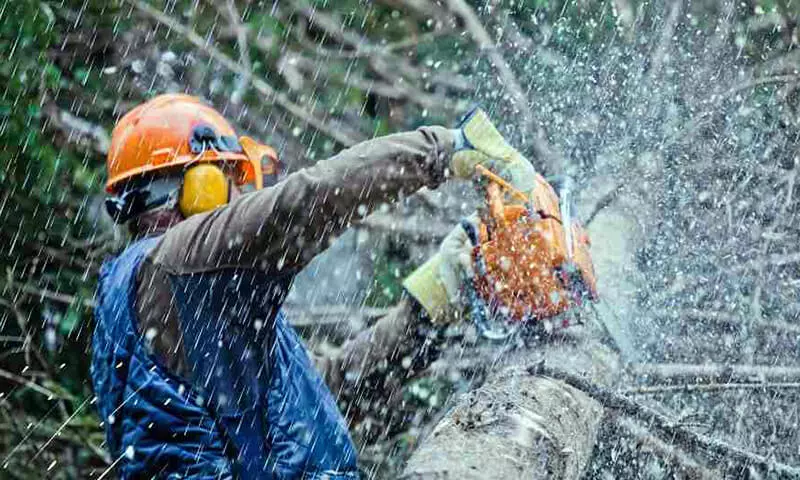
Rain changes the job more than most people think. Water adds shock risk, reduces grip, and raises the odds of kickback. Wet wood behaves differently, and your senses work harder in noise and spray.
Key hazards to understand:
- Electric shock risk rises with corded and battery saws because water bridges contacts.
- Slips and hand fatigue grow as gloves and handles get slick.
- Kickback risk increases because wet bark can be muddy and grabby.
- Visibility drops as water and fog coat goggles and visors.
- Cold stress and fatigue set in faster, dulling judgment and reaction time.
- Overhead work becomes very dangerous in storms due to wind and lightning.
Many users ask, can you use a chainsaw in the rain when it’s just a drizzle. Light rain is still wet work. Even a small slip can stack with a dull chain and poor footing. That is the recipe for preventable injury.

What Manufacturers And Standards Say
Most owner’s manuals say to keep tools dry and avoid rain. That is not legal fine print; it reflects real risk. Warranties often exclude water damage and misuse in wet environments.
What to check before you decide:
- The manual: Look for any wet-use or storage warnings for your model.
- Electrical protection: Some tools list an IP rating. Many homeowner saws do not. No rating means do not assume rain resistance.
- Safety rules: General guidance from safety bodies warns against outdoor electric tool use in rain, and urges GFCI protection for any corded device.
- Employer and insurance policy: Some forbid cutting in storms or heavy rain.
So, can you use a chainsaw in the rain if the manual is silent. Treat silence as a no. If the manual or label allows light moisture, follow the exact limits and steps given.
Gas vs Battery vs Corded: Which Is Safer In Wet Weather
People often ask can you use a chainsaw in the rain with a gas model because it has no cord. Gas saws avoid the cord shock risk, but they are not immune to water. Wet ignition systems can stall, and wet gloves still slip.
Here is how each type fares in rain:
- Gas chainsaws: Lower electrical shock risk, but water can foul the air filter and carb. Keep the saw dry, and shield the intake.
- Battery chainsaws: Sealed packs vary widely. Water at the terminals is dangerous. If the pack or tool gets wet, stop and dry fully before use.
- Corded electric chainsaws: Highest shock risk in rain. Only use if the maker clearly allows it, and only with a GFCI and dry connectors.
If your question is can you use a chainsaw in the rain and pick the “least bad” option, a well-maintained gas saw with dry PPE is the usual choice. The real answer is still caution first.

If You Must Cut In Wet Conditions: A Step-By-Step Checklist
Emergency work sometimes cannot wait. I have done storm jobs in drizzle and light rain. The key is strict prep, tight process, and a hard stop when the weather worsens.
Before you start:
- Read your manual and follow any wet-use limits.
- Choose a gas saw if possible. Avoid corded units in rain.
- Inspect chain, bar, brake, throttle, and stop switch.
- Use fresh, tacky bar oil designed to cling in wet use.
- Wear cut-resistant chaps, a helmet with face shield, hearing protection, and high-grip rain gloves.
- Wear waterproof boots with aggressive soles and toe protection.
Set up the job:
- Mark a stable escape path free of mud and roots.
- Keep the work zone clear of helpers and pets.
- Use a GFCI if a corded tool is the only option and all plugs are under cover.
- Avoid overhead cutting in wind or storms. Do not work near power lines.
During the cut:
- Keep two hands on the saw and your thumb wrapped under the front handle.
- Lower your speed into the cut and let the chain bite; do not force it.
- Use plastic wedges to prevent bar pinch in heavy, wet logs.
- Take short breaks to clear visor fog and rest your hands.
Stop work if:
- Rain shifts to heavy, wind gusts increase, or lightning appears.
- Your gloves or glasses are too wet to grip or see well.
- The ground gets slick or water pools around your feet.
Ask yourself again, mid-job: can you use a chainsaw in the rain right now without raising risk. If not, stand down and return when conditions improve.

Technique Tips For Cutting Wet Wood
Wet wood is heavier and can bind more. Adjust your plan so the saw stays in control and your body stays safe.
Use these techniques:
- Pick a semi-chisel chain for muddy or wet fibers. It stays sharp longer in grit.
- Keep the rakers set right. Too low grabs; too high slows and forces you to push.
- Use a steady throttle and contact the wood before you go full pull.
- Keep cuts aligned so the kerf does not close on your bar.
- Drive in plastic wedges early on big rounds or storm-felled trunks.
- Stand to the side of the bar tip to reduce kickback risk.
Can you use a chainsaw in the rain and still get clean cuts. Yes, with a sharp chain, correct oil, and patient feed pressure.

Post-Cut Care: Drying And Maintenance After Rain Use
After wet work, the saw needs attention. Water drives rust and shorts if you ignore it. Ten mindful minutes now can save a costly repair.
Do this after you shut down:
- Brush off mud and bark. Wipe down the housing and handles.
- Remove the bar and chain. Dry, then re-oil the chain and bar groove.
- Clean the sprocket cover and clutch area. Check the brake band for debris.
- For gas saws, check the air filter. Dry or replace a wet paper filter. Inspect the spark arrester screen.
- For battery saws, remove the pack. Dry the tool and the battery contacts. Do not charge until both are fully dry.
- For corded tools, dry plugs and cords. Replace any damaged or cracked insulation.
Store the saw in a dry, ventilated place. Label it if it was used in the rain and recheck it before the next job. That habit answers can you use a chainsaw in the rain next time with confidence.
Common Myths About Chainsaws And Rain
Misconceptions cause injuries. Clear them out before they spread.
- Gas saws are safe in any rain: False. Water can foul parts, and slips still injure.
- Wet wood cuts easier: Often false. Surface water adds drag and hides grit.
- Bar oil washes off right away: Quality tacky oil clings well, even in drizzle.
- Rubber boots make shock impossible: Not true. Wet paths and exposed parts can still conduct.
- Rain cleans your chain: False. Grit builds fast in storm debris and dulls teeth quickly.
When someone asks can you use a chainsaw in the rain because “pros do it,” remember that pros also stop when risk spikes. That is why they stay pros.
Frequently Asked Questions of can you use a chainsaw in the rain
Is it legal to use a chainsaw in the rain?
Laws vary, but many rules address safe conditions, not weather alone. Employers and insurers may restrict wet work, so check your policy and local guidance.
Will rain ruin my chainsaw warranty?
Many warranties exclude water damage or misuse. If you plan wet work, read your warranty terms and follow the manual exactly.
Can I use a battery chainsaw in light drizzle?
Only if the maker allows it and the battery housing is protected. Keep contacts dry, and stop at any sign of moisture near the pack or switch.
What oil should I use for the bar and chain in rain?
Use a tacky bar oil made for wet or high-fling conditions. It sticks to the chain better and reduces wear.
How do I dry a wet chainsaw safely?
Power down, remove the battery or disconnect spark plug cap, and wipe all parts. Dry the chain and bar, clean debris, and air-dry the tool before storage or charging.
Conclusion
You now have the full picture: can you use a chainsaw in the rain is a conditional yes with strict limits. Respect the manual, pick the right saw, prep your gear, and stop the moment risk begins to rise. Most storm cuts can wait; your fingers and sight cannot be replaced.
Apply these steps on your next job, share them with your crew, and build a safer habit base. Want more field-tested tips on chains, PPE, and storm cleanup plans? Subscribe, ask a question, or leave a comment with your setup and I’ll help you tune it.