Reciprocating Saw Vs Mini Chainsaw: Which Tool Wins 2026
Standing over a fallen branch with two tools in the shed, the right choice is not always obvious. A mini chainsaw makes clean, fast work of green wood. A reciprocating saw powers through demolition, nails, and metal. After years of running both in real yards and workshops, one thing is clear: they are not competitors — they are solutions to different problems. This guide breaks down exactly where each tool shines, where it struggles, and which one deserves your money first in 2026.
The Short Answer
Choose a mini chainsaw for pruning, limbing, firewood, and anything involving live or green wood. Choose a reciprocating saw for demolition, metal cutting, and wood that is full of nails. You can also read our guide on how to use an extension pole with electric chainsaw.
A 6-inch mini chainsaw slices through a 4-inch branch in one smooth pass. A reciprocating saw with a bi-metal blade chews through a nail-embedded 2×4 without a second thought. Most homeowners eventually benefit from owning both, but your primary task should decide which tool you buy today.
How Each Tool Actually Works
The mechanics explain why these tools behave so differently in your hands.
Mini Chainsaw Mechanics
A mini chainsaw runs a small guide bar with a linked chain rotating in a continuous loop — essentially a scaled-down chainsaw. Most 2026 consumer models use 20V or 21V batteries and carry bars from 4 to 8 inches. The chain's cutting teeth pull the saw forward into the wood, so you guide the tool rather than push it. That self-feeding action produces smooth, fast cuts in green wood with very little effort. You can also read our guide on how to mix oil and gas for a leaf blower.
Reciprocating Saw Mechanics
A reciprocating saw drives a straight blade back and forth in a rapid push-pull stroke. Typical consumer models deliver roughly 2,800 to 3,000 strokes per minute (SPM) with a 1-inch or 1-1/8-inch stroke length. Unlike a chainsaw, the blade does not pull itself into the cut — you supply the forward pressure. That makes it slower on clean wood but gives you precise control over nastier materials like metal, drywall, and embedded fasteners.
Head-to-Head Comparison
| Factor | Mini Chainsaw | Reciprocating Saw |
|---|---|---|
| Cut speed on branches | Fast, clean, self-feeding | Slower, rougher finish |
| Cut speed on metal | Not capable | Fast with the right blade |
| Nail-embedded wood | Not safe; chain damage risk | Excellent; designed for it |
| Cut quality on green wood | Smooth, precise | Ragged, tears fibers |
| Weight | 2 to 4 pounds | 5 to 8 pounds |
| Vibration | Moderate | High, especially corded models |
| Noise | Moderate, chainsaw-like | Loud, mechanical |
| Runtime | 15 to 45 minutes per charge | Corded: unlimited; cordless: 10 to 30 minutes |
| Maintenance | Chain tension, oiling, sharpening | Blade swaps only |
| Blade/chain cost | $10 to $20 per chain | $5 to $15 per blade |
| Learning curve | Moderate; chain care required | Minimal; blade changes are simple |
When a Mini Chainsaw Is the Right Choice
Pruning and Tree Health
For live branches, nothing a reciprocating saw offers matches a mini chainsaw's speed and finish. The chain severs green wood cleanly instead of tearing it. University extension guidance on tree care is consistent: a clean, smooth cut heals faster and reduces the chance of disease entering the wound. A reciprocating saw leaves a rough, shredded cut that takes longer to seal. You can also read our guide on garden tools digging fork.
In practice, a common mistake is grabbing whatever saw is closest when a tree needs attention. If you care about the long-term health of your trees, use the chainsaw for pruning cuts.
Firewood and Small Logs
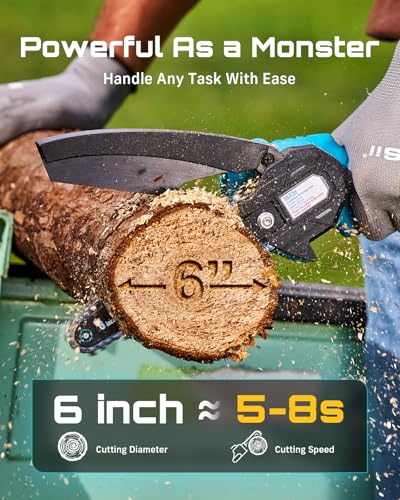
A 6-inch mini chainsaw handles logs up to about 5 inches in diameter comfortably; an 8-inch bar pushes that closer to 7 inches. The self-feeding chain lets the saw's weight do the cutting, so repeated bucking cuts are far less tiring than you might expect. For occasional firewood production around the yard, this is the better tool. You can also read our guide on how long does a chainsaw chain last.
Overhead Cutting
Weighing under 4 pounds, a mini chainsaw is far more manageable above shoulder height. You can work one-handed for brief cuts in a canopy — though two hands are always the safer default. The compact body fits between branches and reaches awkward angles without exhausting your arms the way a heavy reciprocating saw does.
Quiet Neighborhood Work
Mini chainsaws are noticeably quieter than reciprocating saws and full-size chainsaws. In suburban settings where noise complaints are real, this advantage lets you prune earlier in the morning or later in the evening without becoming the neighborhood annoyance. You can also read our guide on how long do chainsaw chains last.
When a Reciprocating Saw Is the Right Choice
Demolition and Renovation
Reciprocating saws earned the nickname "Sawzall" through demolition. They plunge through drywall, cut studs, and sever nailed connections with relentless force. The straight blade handles nails and screws without damage — something that would destroy a chainsaw chain instantly.
Metal Cutting
With a carbide or bi-metal blade, a reciprocating saw cuts rebar, copper pipe, angle iron, and sheet metal. This single capability justifies owning one for plumbing repairs, HVAC work, or metal fabrication. A mini chainsaw cannot touch this category at all. You can also read our guide on battery vs gas chainsaw.
Nail-Embedded Lumber
Reclaimed wood, pallet breakdown, and structural modifications all mean one thing: hidden nails. A bi-metal blade cuts straight through them. Attempting the same cut with a mini chainsaw risks catastrophic chain damage, possible kickback, and a ruined blade.
Flush Cuts and Tight Spaces
The narrow blade shoe on a reciprocating saw fits between studs, behind walls, and into corners where bulkier tools cannot reach. Cutting a pipe flush against a wall or removing a single embedded stud is exactly the kind of job this tool was built for. You can also read our guide on how to use leaf mulcher.
Battery and Power Considerations in 2026
Cordless technology has improved dramatically. Brushless motors now deliver more torque while draining less power, and higher-density battery cells have extended runtime across both categories.
Mini Chainsaw Battery Life
Most mini chainsaws use 20V or 21V packs from 2.0Ah to 4.0Ah. Expect roughly 15 to 20 minutes of continuous cutting in green wood from a 2.0Ah battery, with a 4.0Ah pack roughly doubling that. Because pruning happens in short bursts, this runtime is usually enough. Kits with two batteries eliminate downtime for a typical weekend of yard work. You can also read our guide on how to improve garden soil naturally.
Reciprocating Saw Battery Life
Cordless reciprocating saws are battery hungry. A 5.0Ah pack under heavy continuous cutting may only last 10 to 15 minutes. For demolition projects, plan on carrying at least two large batteries and cycling them through a charger. If you regularly tackle extended session cuts, a corded model remains the pragmatic pick.
Corded vs Cordless: The 2026 Verdict
For mini chainsaws, cordless is the obvious choice — the tool is yard-focused and portable by nature. Nobody wants to drag an extension cord through a garden. For reciprocating saws, both options still make sense.
Choose corded for:
- Heavy demolition projects
- Extended cutting sessions
- Consistent full power output
- Getting more tool per dollar
Choose cordless for:
- Job site flexibility
- Work away from power outlets
- Quick mixed tasks around the property
- Staying within a battery platform you already own
Sticking with one battery ecosystem across multiple tools saves money over time — richer battery ecosystems let you buy bare tools instead of full kits.
How to Choose Between Specific Models
Mini Chainsaw Buying Criteria
Start with bar length. A 6-inch bar suits most residential yards, while an 8-inch bar adds capacity but also weight. Before you commit, the bar-length trade-offs are worth reviewing against the wood you actually cut.
Beyond the bar, look for:
- Auto-oiler: Automatic chain oiling reduces friction and extends chain life.
- Tool-free chain tensioning: Field adjustments take seconds instead of a disassembly session.
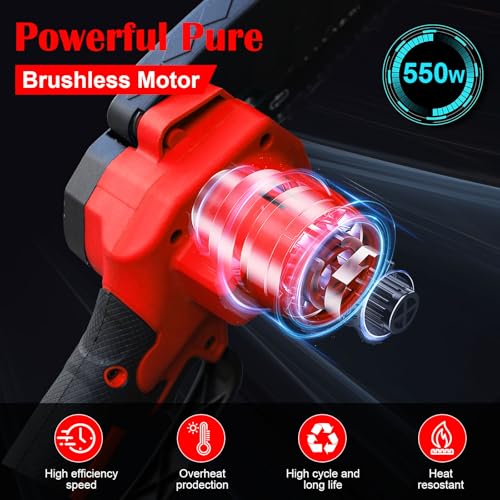
- Brushless motor: Better efficiency, longer runtime, and greater durability for frequent users.
Reciprocating Saw Buying Criteria
Compare these features:
- Stroke length: A longer 1-1/8-inch stroke cuts faster and keeps blades cooler; shorter strokes offer finer control.
- Variable speed: A trigger that starts slow and ramps up smoothly gives you precision for metal and delicate cuts.
- Anti-vibration system: Modern models reduce fatigue meaningfully on long demolition jobs.
Comparing Brands and Real-World Reliability
Spec sheets tell you motor size and stroke length, but real-world reliability matters more. Side-by-side brand comparisons often reveal the practical differences in build quality, warranty support, and battery system quirks that numbers hide.
Safety: Avoid the Two Biggest Risks
Mini Chainsaw Kickback
Kickback is the primary danger with any chainsaw. The rotating chain can catch and throw the bar back toward you. Modern mini chainsaws use low-kickback chains and brake systems, but the risk never disappears. Keep two hands on the saw, keep the chain sharp, and never cut with the nose of the bar. The compact size invites casual handling — resist that.
Reciprocating Saw Blade Bind
The main hazard with a reciprocating saw is blade binding. When a blade pinches mid-cut, the tool can kick violently. Press the shoe firmly against the work surface, choose the right blade for the material, and never force a dull blade. The reciprocating action throws debris constantly, so eye protection is non-negotiable. OSHA's job-site safety guidance covers hand-tool hazards like these in detail.
Universal Safety Practices
- Wear ANSI-rated safety glasses or goggles
- Use hearing protection, especially with a reciprocating saw
- Keep a firm, balanced stance
- Never cut above shoulder height from a ladder with either tool
- Clamp workpieces securely
- Disconnect power before changing blades or chains
Maintenance That Keeps Both Tools Cutting
Mini Chainsaw Chain Care
This is where a mini chainsaw demands more attention. You must monitor chain tension, keep bar oil in the reservoir, and sharpen or replace the chain as it dulls. A dull chain is dangerous — it forces you to push harder, which increases kickback risk. For the gas-powered tools in your shed, the same principle applies: engines that sit with stale fuel develop carburetor problems, so you will spend less time keeping fuel passages clear if you burn treated fuel and drain tanks at season's end. Even with a battery-powered primary saw, the rest of your outdoor equipment benefits from cleaner fuel options.
Reciprocating Saw Blade Care
A reciprocating saw's only real maintenance is blade changes, which take seconds with a tool-free chuck. Keep a small assortment of wood, metal, and demolition blades on hand. Bi-metal blades offer the best all-around value for mixed materials; carbide-tipped versions last longer but cost significantly more.
Tools That Pair Well With Both
A cutting tool only does part of the job. Branch cleanup goes faster when you own the right blower for cleanup, and the yard looks finished only when you spend time finishing bed borders after the pruning dust settles.
FAQs
Is a mini chainsaw safer than a reciprocating saw?
Both tools have distinct hazards. A mini chainsaw risks kickback and requires disciplined chain care. A reciprocating saw risks blade binding and violent kickback when the blade pinches. With proper PPE, secure footing, and correct technique, both can be used safely. Neither is inherently "safer."
Can a reciprocating saw prune trees?
It can cut branches, but it makes poor pruning cuts. The back-and-forth action tears and shreds green wood, leaving a ragged wound that heals slowly. Trees recover best from clean, smooth cuts, which is why a mini chainsaw is the right tool for pruning.
What size branches can a 6-inch mini chainsaw cut?
A 6-inch bar cuts branches up to about 5 inches in diameter. Most manufacturers state a maximum cutting capacity, and exceeding it increases kickback risk and strains the motor. When in doubt, take two cuts instead of one oversized cut.
How long do mini chainsaw chains last?
With proper tension, consistent oiling, and occasional sharpening, a chain lasts multiple seasons of normal residential pruning. Replace the chain when sharpening no longer restores cutting performance or when the teeth are visibly worn.
Can I use a reciprocating saw for firewood?
You can, but it is slower and leaves rougher cuts than a mini chainsaw. For occasional splitting, a reciprocating saw works fine. For regular firewood production, a dedicated chainsaw is the better investment.
Final Verdict: Which Should You Buy in 2026?
If your work is yards, trees, and shrubs, buy a mini chainsaw first. It cuts green wood faster, cleaner, and quieter with less effort — and it protects the health of your trees with smooth pruning cuts.
If your work is renovations, demolition, or anything involving metal, buy a reciprocating saw first. Its ability to chew through nails, pipes, and mixed materials makes it indispensable for construction and repair.
For most homeowners, owning both eventually is the right answer. Start with whichever matches the work you do most, then add the other when projects demand it. Before you order, confirm the right bar size for the wood you cut most — it is the one decision that remakes the whole tool. Two tools, two very different jobs, and a shed that is ready for anything.