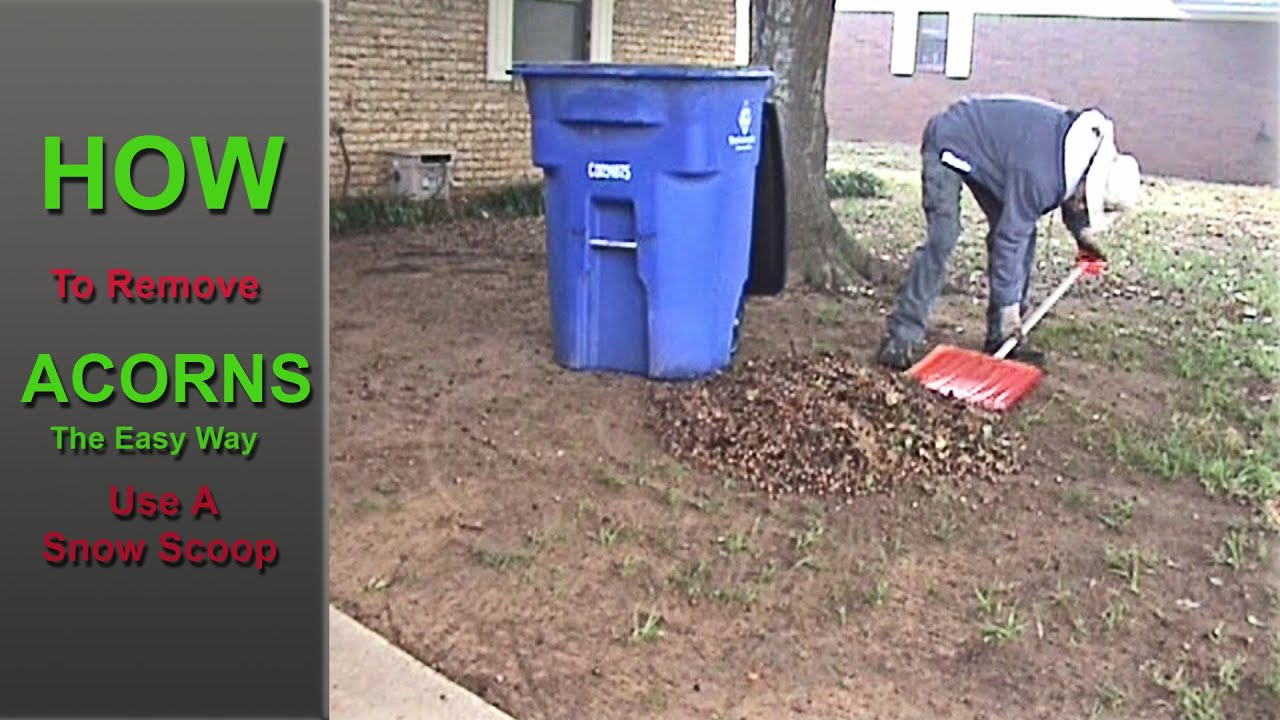
Use a rake, nut roller, and mower bagger, then compost or dispose weekly.
If you’re staring at a sea of crunchy acorns, you’re not alone. I’ve managed oak-heavy yards for years, and I’ll walk you through how to clean up acorns from yard without stress. You’ll get fast methods, pro tools, disposal tips, and long-term fixes that work. Stick with me, and you’ll master how to clean up acorns from yard the smart way.
Why acorns pile up and why it matters
Oaks can drop tens of thousands of acorns in a single season. Some years are light. Some years are heavy. This cycle is called masting. Weather, pollination, and tree health all play a part.
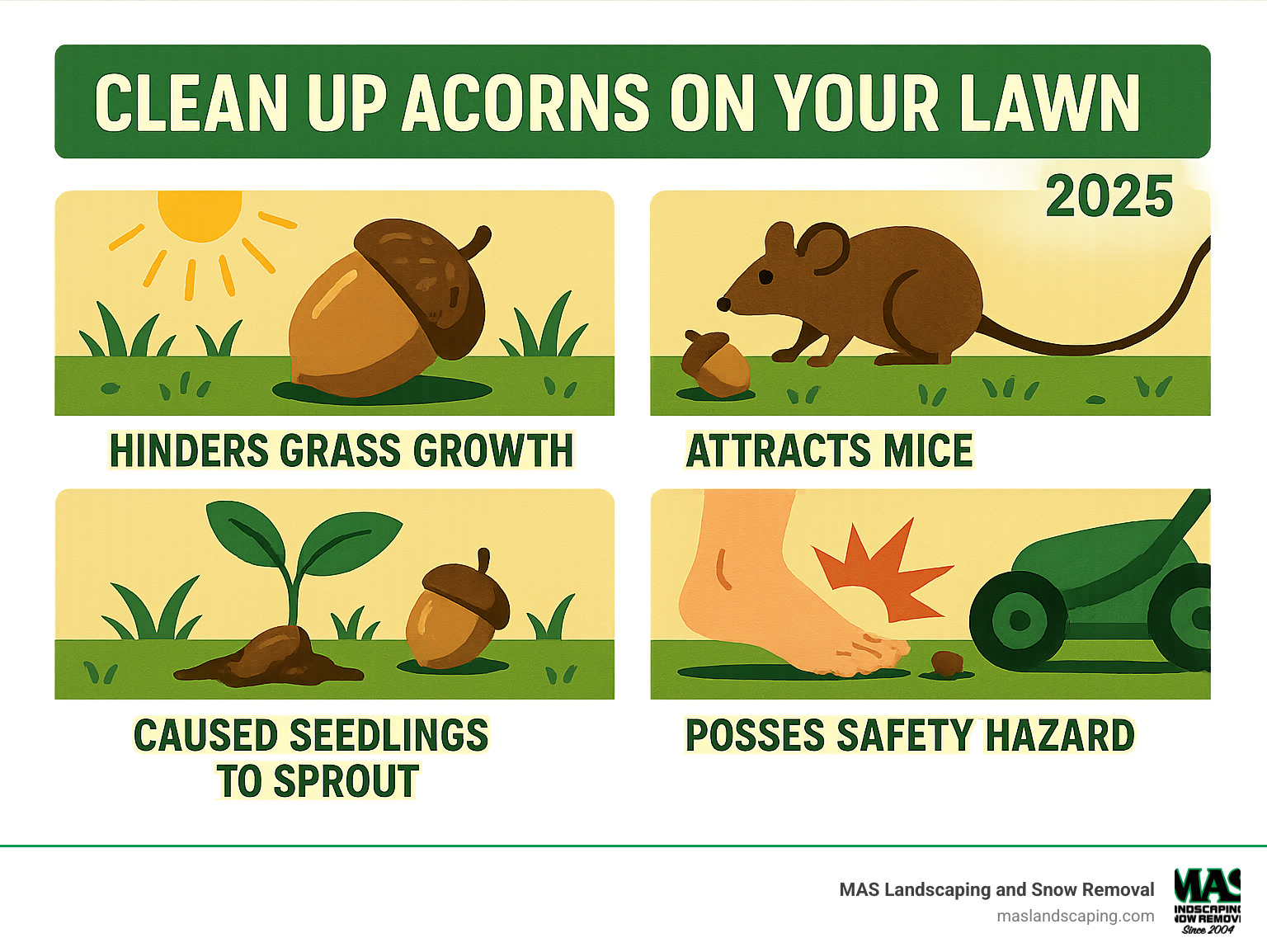
Leaving acorns in place can cause slips, dull mower blades, and bare patches on your lawn. They can draw rodents too. Dogs should not eat acorns due to tannins and choking risk. Vets and extension experts warn about this every fall.
A tight plan saves time. It also keeps walkways safe and turf healthy. That is the heart of how to clean up acorns from yard in any season.

Essential tools that make cleanup fast
You can clear a yard with a rake alone, but the right tools cut time by half or more. Here is what works well.
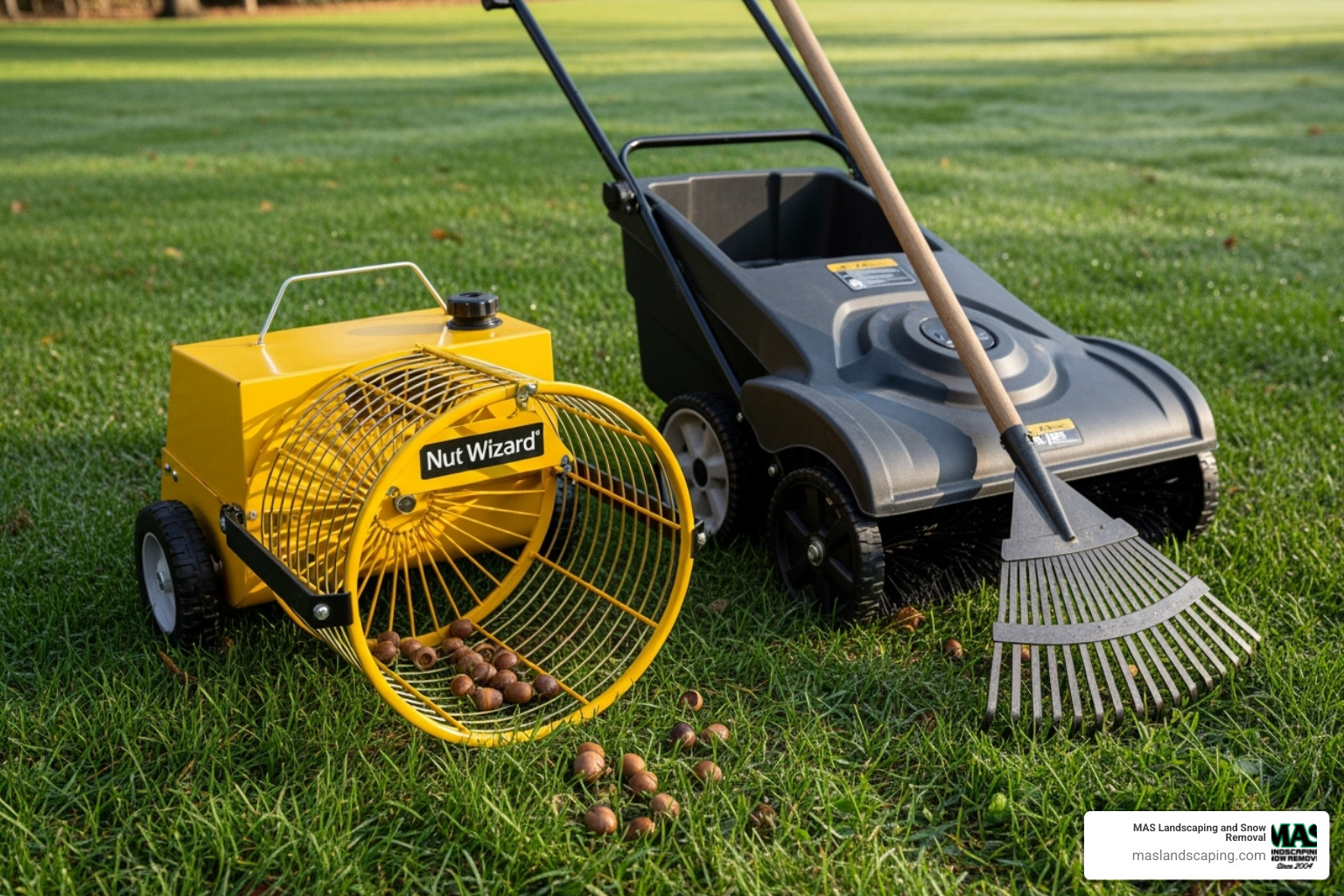
- Leaf rake with flexible tines moves acorns off grass without tearing it up.
- Nut gatherer (nut roller or “wizard”) picks up acorns as you roll it over the lawn.
- Lawn mower with bagger chops and bags light to moderate drops.
- Leaf blower moves dry acorns into piles on hard surfaces and short grass.
- Lawn sweeper (push or tow-behind) clears wide areas fast, great for large yards.
- Shop vacuum with a mesh pre-filter pulls acorns from tight spots and mulch beds.
- Tarps for quick catch under trees during peak drop, then drag to the curb.
- Sturdy bins, paper lawn bags, or a wheelbarrow for hauling.
- PPE: gloves, eye protection, and ear protection if using blowers or mowers.
I keep a nut roller by the back door for daily passes. That small habit is a key part of how to clean up acorns from yard with less weekend work.

Step-by-step: how to clean up acorns from yard
Use this routine to move from messy to done with less effort.
-
Walk and scan
Do a quick lap. Spot heavy zones under drip lines, slopes, and walkways. Pick up any large sticks that block tools. -
Daily or every-other-day quick pass
Use a nut roller on high-traffic paths and patios. Empty into a bucket or bag. Ten minutes a day beats two hours on Sunday. -
Weekly lawn sweep
Mow with a bagger on a higher deck setting. Go slow on the first pass. Dump the bag into lawn bags or bins. This is the core of how to clean up acorns from yard with standard gear. -
Rake and pile
Use a leaf rake to pull acorns into small piles under the trees. Smaller piles are easier to bag than one huge heap. -
Blow hard surfaces
Use a blower to push acorns off driveways and sidewalks into a corner. Sweep or vacuum that corner for a clean finish. -
Beds and tight spots
Lay a tarp, rake acorns onto it, then lift the corners and pour into a bin. Or use a shop vac with a coarse pre-filter so acorns do not clog the hose. -
Large yards
Use a push sweeper for mid-size lawns. For big properties, a tow-behind sweeper behind a mower or ATV saves hours. -
Final pass
Do one last slow walk. Grab what you missed, especially near steps and play areas.
If a storm drops a fresh layer, repeat the weekly sweep. That is the simple truth of how to clean up acorns from yard when trees are in full drop.

Methods for different surfaces and yard sizes
Not all ground is the same. Match the tool to the spot.
-
Thick lawns
Set the mower high. Then use a nut roller for what the bagger misses. A dethatching rake can tease acorns out of dense turf. -
Thin or wet lawns
Wait for a dry day. Wet acorns stick and clog tools. Rake first, then mow and bag. -
Mulch beds
Rake gently to avoid moving mulch. A shop vac with a mesh screen saves time. A tarp also works well for scooping. -
Gravel or stone
Use a blower to float acorns to the edge. Then hand-pick with a nut roller. Slow and steady here prevents rock spray. -
Patios and decks
Sweep or blow into a corner. Use a dustpan or a hand vac to finish. -
Large properties
Use tow-behind sweepers and wide tarps. Stage acorn piles along a path. One haul at the end cuts walking time.
This flexible plan shows how to clean up acorns from yard no matter the layout.
Smart disposal and reuse
You have options once you gather the pile.
-
Yard waste pickup
Bag acorns in city-approved bags. Check local limits on weight or volume. -
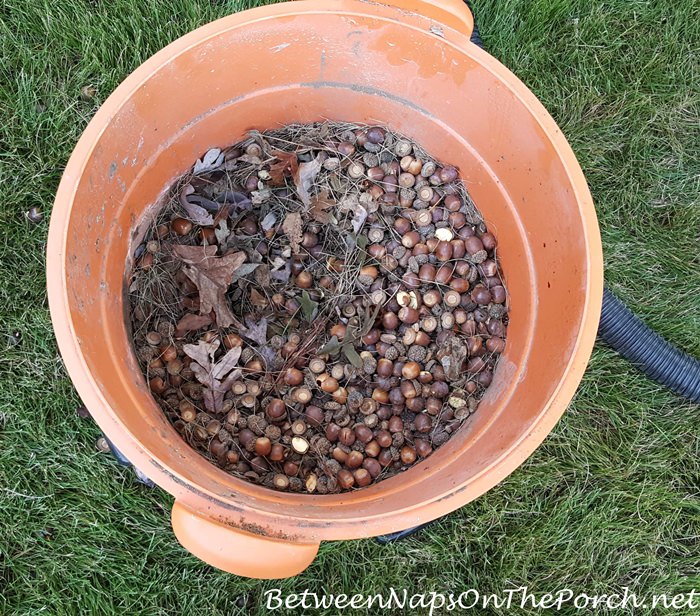
Compost
Acorns break down slow due to tannins and hard shells. For faster compost, crush them first with a mower pass. A hot compost pile works best. Mix with grass and leaves. -
Mulch path filler
Crushed acorns can line paths. Keep them away from lawns to avoid sprouting. -
Wildlife and rehab centers
Some centers accept clean, dry acorns. Call first. Never toss acorns in public parks without permission. -
Crafts or decor
Dry them fully to avoid mold. Bake at low heat if needed for pest control.
Do not feed acorns to dogs or livestock. When in doubt, the safest part of how to clean up acorns from yard is bag-and-bin.

Prevention and long-term control
You cannot stop every acorn, but you can reduce the mess.
-
Catch and carry
Spread tarps under trees during the peak fall drop. Empty every few days. This is the lowest-cost way to cut time. -
Mow-and-bag often
Short, frequent sessions prevent deep layers that are hard to lift. -
Tree care
A healthy oak may still mast, but balanced pruning and soil care help. Avoid heavy pruning that can stress the tree. -
Flower inhibitors
Certified arborists can apply certain growth regulators before bloom to reduce acorn set. Timing is exact and results vary. This is a pro-only job due to label rules and tree health. -
Landscape choices
If you plan new trees, pick species or cultivars known to be lower in nuts for that region. Ask a local nursery or extension office.
A steady habit is still the best plan for how to clean up acorns from yard year after year.
Safety, pets, and property protection
Safety first, always.
- Wear gloves and eye protection. Acorns can pop under mower blades.
- Use ear protection with blowers or mowers.
- Keep kids and pets away during cleanup. Dogs should not chew acorns. Call your vet if a pet eats a large amount or shows stomach upset.
- Work on dry days to avoid slips.
- Clear sticks before mowing to protect blades and windows.
These small steps are part of how to clean up acorns from yard with less risk.

Time, cost, and planning
Budget a little time often.
-
Time
Ten minutes a day during peak drop saves hours later. A weekly sweep for a 5,000-square-foot lawn takes 30 to 60 minutes with a mower and bagger. -
Cost
Nut rollers run modest in price and last years. Lawn sweepers cost more but pay off for big yards. A shop vac is handy beyond fall. -
Storage
Hang the nut roller by the door. Keep bags and gloves in a bin so you can start fast.
A small system goes a long way in how to clean up acorns from yard without burnout.
Seasonal calendar for acorn cleanup
Plan by the season for smoother work.
-
Spring
Check mower blades and bagger. Sharpen if needed. Clear sticks and old debris. -
Summer
Keep grass healthy and not too short. This makes raking easier in fall. -
Early fall
Stage tarps and bags. Place bins near oak zones. Do short, frequent passes. -
Peak fall
Mow-and-bag weekly. Rake piles under trees. Use a sweeper for big areas. Stay on a set day so piles never get deep. -
Winter
Do a last sweep before snow. Store tools dry.
This plan frames how to clean up acorns from yard across the year, not just in panic mode.
Troubleshooting common problems
Every yard has its quirks. Here is how to solve the sticky spots.
-
Wet or sticky acorns
Wait for sun and wind. Wet shells cling to thatch. Dry time makes tools work better. -
Deep thatch
Use a dethatching rake to lift acorns out. Then mow-and-bag on high. -
Steep slopes
Work across the slope, not up and down. Use a nut roller and hand rake for control. -
Under shrubs
Lay a tarp, pull acorns onto it with a small hand rake, and pour into a bin. -
Gutters and drains
Use a gutter scoop and a hose. Install guards to block future clogs.
Solving these hiccups is part of how to clean up acorns from yard like a pro.
Frequently Asked Questions of how to clean up acorns from yard
What is the fastest way to clear a small yard?
Use a nut roller daily and a mower with a bagger once a week. This mix is fast, light, and simple.
Can I vacuum acorns with a shop vac?
Yes, with a coarse pre-filter to stop clogs. Empty often since acorns are heavy.
Are acorns bad for my lawn if I leave them?
A thick layer can smother grass and invite pests. It also makes the ground slick and unsafe.
How do I know how to clean up acorns from yard after heavy storms?
Wait for things to dry, then rake into piles and mow-and-bag. A tow-behind sweeper helps if the drop is deep.
Is there a chemical to stop acorns?
Pros can apply regulators before bloom, but timing is strict and results vary. Talk to a certified arborist for safe options.
What should I do with all the acorns once I pick them up?
Use city yard waste, hot compost after crushing, or donate to wildlife centers that accept them. Do not feed them to dogs or livestock.
How often should I plan how to clean up acorns from yard during peak season?
Aim for short sessions two to three times a week. Frequent light sweeps beat one long, hard job.
Conclusion
You now have a complete plan for how to clean up acorns from yard with less time and stress. Use quick daily passes, a weekly mow-and-bag, and the right tools for each surface. Dispose smart, protect pets, and set a simple fall routine.
Start this week with one small habit: a five-minute nut roller pass by the back door. Share your results, ask a question, or subscribe for more practical yard guides.