
How To Protect Plants From Insects: Proven Tips 2026
Every gardener knows the frustration: you wake up one morning to find your prize tomato leaves skeletonized or your cabbage patch dotted with tiny holes. The good news? You don’t need a cabinet full of harsh chemicals to win the battle. Protecting your plants from insects in 2026 is about working smarter—building plant health, using smart barriers, and deploying targeted controls only when truly needed.
This guide walks you through a complete, proven system for keeping your garden thriving, whether you’re growing vegetables, herbs, or ornamentals. You’ll learn how to identify problems early, prevent infestations before they start, and act decisively when pests do show up. You can also read our guide on how to maintain garden tools.

Take time to identify the specific pest before reaching for any treatment—the right diagnosis saves time and protects your plants.
Source: reddit.com
Know Your Enemy: The First Step to Effective Control
You can’t fix a pest problem you don’t understand. The fastest route to success is learning which insects are common in your area, what kind of damage they cause, and how their life cycles work. This foundational knowledge is the backbone of any smart protection strategy.
Learn to Read the Damage Signs
During your weekly garden walk, train your eye to spot these common clues:
| Symptom You See | Likely Culprit |
|---|---|
| Chewed leaf edges | Caterpillars, beetles, or grasshoppers |
| Tiny yellow or white stippling on leaves | Spider mites or thrips |
| Sticky residue (honeydew) with black sooty mold | Aphids, whiteflies, or scale |
| Perfectly round holes in leaves | Flea beetles |
| Wilting stems cut at the soil line | Cutworms |
| Tunnels or trails inside leaves | Leaf miners |
| Irregular holes with slime trails | Slugs or snails |
Set Action Thresholds, Don’t Overreact
A few nibbled leaves are not a crisis. In fact, some damage is normal and even healthy for a balanced ecosystem. The key is knowing when to act. University extension services recommend setting simple thresholds—for example, treating only when you find about 10 aphids on a new tip across several plants. This approach reduces unnecessary spraying, saves beneficial insects, and keeps your garden productive. You can also read our guide on is troy bilt better than toro.
Prevention First: Why Strong Plants Resist Pests Better
The single most effective way to protect plants from insects is to make them less appealing in the first place. Healthy, unstressed plants produce natural defenses and recover faster from any damage that does occur. The USDA’s agricultural research consistently shows that vigorous plants withstand pest pressure far better than weak ones.
Build Plant Vigor With These Habits
- Match the plant to the spot. A tomato in full shade or a lettuce in scorching afternoon sun will struggle, and stressed plants attract pests. Choose varieties suited to your climate and place them where they’ll thrive. If you’re working on improving your soil before planting, starting with healthy ground makes everything easier.
- Water deeply and consistently. Water at the base of plants in the morning. This encourages deep root growth and keeps foliage dry, which discourages fungal diseases and many pests. A steady moisture level also prevents the stress that invites spider mites.
- Feed with compost and slow-release organic fertilizer. Avoid heavy quick-release synthetic feeds that produce soft, lush growth—that’s like a dinner bell for aphids. Natural soil building, like adding compost and practicing crop rotation, creates balanced nutrition that strengthens cell walls.
- Space plants properly. Good airflow dries leaves quickly and makes it harder for pests to spread from plant to plant. Overcrowding is one of the most common mistakes I see in home gardens.
- Keep beds clean. Remove plant debris, fallen fruit, and weeds that provide hiding places for eggs and larvae. A tidy garden is a less hospitable one.
In practice, one change that made a big difference in my own garden was consistent mulching. A 2-inch layer of clean straw or wood chips stabilized soil moisture, reduced temperature swings, and noticeably slowed down mite and thrip problems. Small steps really do stack up. You can also read our guide on how to choose the right garden hose length.

Lightweight row covers draped over crops create a physical barrier that stops pests before they can feed.
Source: com.au
Physical Barriers and Smart Timing: Block Pests Before They Bite
Physical barriers are among the safest and most effective ways to protect plants from insects. They stop pests before they can reach your crops, with zero risk to pollinators or the environment. Pair them with smart planting timing, and you have a formidable defense.
Choose the Right Barrier for Your Garden
- Floating row covers. These lightweight fabrics block out flea beetles, cabbage moths, and leaf miners. The trick is to remove them during the blooming period so bees and other pollinators can access flowers.
- Fine insect netting. Ideal for protecting brassicas (cabbage, kale, broccoli) and berries from birds and flying insects. Anchor the edges tightly so pests can’t sneak underneath.
- Plant collars. Simple cardboard or plastic rings placed around young stems stop cutworms at the soil line. This is one of the cheapest and most effective DIY solutions.
- Sticky traps. Yellow cards attract whiteflies and fungus gnats; blue cards pull in thrips. Use them to monitor populations and reduce numbers on a small scale.
Plant on a Schedule That Avoids Peak Pest Waves
Timing your planting to dodge the worst insect pressure is an underrated strategy. For example, planting arugula early in spring and again in late summer helps you skip the heaviest flea beetle feeding window in midsummer. Similarly, trap crops like nasturtium planted near squash can lure squash bugs away from your main crop, keeping your harvest safer. For more on this, see our guide on how to keep a garden hose from freezing.
Biological Controls: Enlist Nature’s Own Pest Patrol
Nature already has a highly effective pest management team—you just need to support them. Beneficial insects and microscopic organisms can keep pest populations in check without you lifting a finger. This is a core pillar of Integrated Pest Management (IPM), an approach recommended by university extension programs across the country.
Meet Your Garden’s Beneficial Allies
- Lady beetles and lacewings. Their larvae are ferocious aphid predators. A single lady beetle larva can eat hundreds of aphids.
- Parasitic wasps. These tiny, non-stinging wasps lay eggs inside caterpillars, aphids, and whiteflies, controlling them from the inside out.
- Predatory mites. These mites hunt spider mites and thrips, keeping outbreaks in check.
- Beneficial nematodes. These microscopic worms live in soil and target soil-dwelling larvae like grubs, fungus gnats, and root weevils.
Create a Habitat That Welcomes Helpers
The best way to recruit beneficial insects is to provide what they need: nectar, pollen, and shelter. Interplant flowering herbs like dill, fennel, alyssum, and yarrow throughout your vegetable beds. In my experience, adding a small strip of dill and alyssum cut aphid flare-ups by half within two seasons. These tiny flowers feed the adult beneficials, keeping them around to hunt pests for you. For more on this, see our guide on how to clean up acorns from yard.

Low-risk sprays like insecticidal soap and neem oil are effective when applied carefully and at the right time.
Source: nobugsots.com
Low-Risk Sprays and Dusts: Targeted Tools for When Pressure Spikes
Sometimes, despite your best prevention efforts, pest numbers spike. This is when a targeted, low-risk product can save your harvest. The key is to choose the right tool for the specific pest and apply it meticulously.
Your Arsenal of Gentle But Effective Products
| Product | Best For | Key Application Tip |
|---|---|---|
| Insecticidal soap | Aphids, mites, whiteflies, soft-bodied insects | Spray directly on pests; reapply after rain |
| Horticultural oil | Scale, eggs, overwintering pests | Apply in cool morning hours to avoid leaf burn |
| Neem oil | Broad-spectrum pest disruptor | Spray in early morning or evening; avoid blooms |
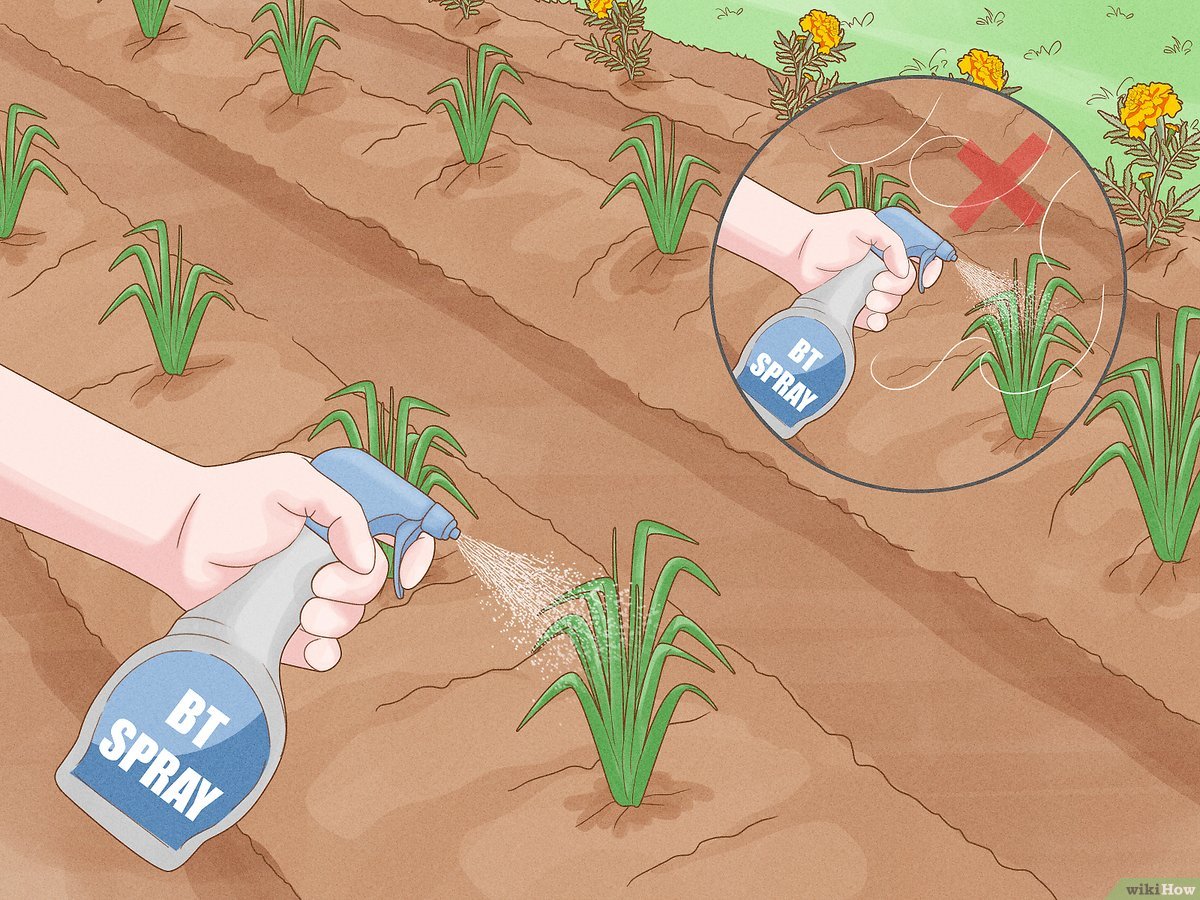
| Bacillus thuringiensis (Bt) | Caterpillars only | Use at first sign of caterpillar damage; harmless to bees |
| Spinosad | Thrips, leaf miners, caterpillars | Use sparingly, as it can affect some beneficials |
| Diatomaceous earth | Soft-bodied insects, slugs | Dust the soil surface, not the blooms |
The Golden Rules of Spraying
- Spot-test first. Spray one small leaf and wait 24 hours to make sure there’s no damage.
- Spray at dawn or dusk. This protects pollinators like bees and butterflies that are active during the day.
- Cover the undersides of leaves. This is where aphids, mites, and their eggs hide.
- Read the label and follow it exactly. More product does not mean better results; in fact, evidence from field trials shows that timing and coverage matter far more than dose.
Monitor, Record, and Act With a Plan: Your Season-Long Strategy
A successful pest management plan isn’t reactive—it’s proactive. Building a simple monitoring and recording habit will transform how you protect plants from insects. It replaces guesswork with knowledge and helps you catch problems when they’re still easy to manage.
How to Build Your IPM Routine
- Scout weekly. Walk your garden at the same time each week. Flip leaves over, check new growth, and scan stems for eggs and early-stage pests.
- Use sticky cards. Place yellow or blue sticky cards near susceptible plants to track flying pest populations week over week.
- Keep a simple log. A notebook in a zip bag by the hose works perfectly. Note what you see, the weather, the plant stage, and any actions you took.
- Set action points. Decide ahead of time what pest level triggers a treatment. For example, “Treat when I see 10 aphids per stem tip on 3 consecutive plants.”
I keep a small notebook in a zip bag by the hose. That one habit helped me spot whiteflies early on my basil—a single soap spray at the right time beat weeks of chasing them later.
Tested Home Remedies That Stay Gentle
Home remedies get a lot of attention, but they’re not all created equal. Some work reasonably well for light infestations; others are a waste of time or can even harm your plants. Here’s what’s worth trying and how to use it safely.
Remedies That Actually Show Promise
- Alcohol swabs. For mealybugs or scale on houseplants or small infestations, dab each insect with a cotton swab dipped in rubbing alcohol. This works, but it’s labor-intensive for large gardens.
- Mild soap spray. A teaspoon of pure liquid soap (not detergent) per quart of water can help control aphids. Always test on one leaf first, as some soaps can burn foliage.
- Strong hose spray. A firm jet of water in the morning can knock aphids off stems and leaves. The key is to do it early so leaves dry before evening—wet foliage invites disease.
- Garlic or chili steep. Steep crushed garlic or hot peppers in water, strain, and spray as a deterrent. This is a mild repellent, but it needs frequent reapplication, especially after rain.
What to Skip
Coffee grounds and eggshells are popular internet advice, but they offer little real proof of effectiveness against most insects. Focus your energy on proven methods like barriers, healthy soil, and targeted low-risk sprays instead.
Seasonal Checklists That Keep You Ahead All Year
Protecting plants from insects is a year-round job. A simple checklist turns your knowledge into consistent habits that keep pests from gaining a foothold.
Spring Setup
- Inspect overwintered plants for signs of pests; prune out dead or damaged tips.
- Clean beds, refresh mulch, and set up row covers before the first pest flights.
- Apply beneficial nematodes to the soil if you had grub or root maggot problems last year.
- Clean and sharpen your gardening tools—healthy cuts heal faster and resist pests.
Summer Care
- Scout twice a week, especially during heat waves when mite populations explode.
- Water deep and consistently to prevent drought stress, which attracts pests.
- Install or maintain netting on berries and brassicas when moths appear.
- Maintain good airflow; use routine upkeep like proper pruning to keep plants open.
Fall Wrap-Up
- Remove spent crops and compost only healthy debris; discard any pest-infested plant material.
- Solarize or cover bare soil in problem areas to reduce pest habitat.
- Plant cover crops like clover or rye to feed the soil and disrupt pest life cycles. Building healthy ground now pays off next spring.

Match the damage you see to the right solution—correct identification is half the battle.
Source: morningchores.com
Troubleshooting: Match Symptom to Solution Quickly
When something goes wrong but you’re not sure what’s causing it, work through this quick guide to connect symptoms with solutions.
| Problem You See | Likely Pest | Best Response |
|---|---|---|
| Fine webbing and stippled leaves | Spider mites | Increase humidity, wash leaves, apply horticultural oil or soap |
| Curling leaves with sticky sap | Aphids | Spray with soap; plant flowers to attract lady beetles |
| Winding white trails in leaves | Leaf miners | Remove affected leaves; use fine netting next season |
| Irregular holes at night with slime trails | Slugs, snails | Hand-pick at dusk; set out traps or barriers |
| Seedlings toppled at the soil line | Cutworms | Add collars around stems; clear garden debris |
A practical tip: Change one thing at a time and observe the results for 3 to 7 days before trying something new. This lets you learn what actually works in your specific garden environment.
Frequently Asked Questions
What is the simplest way to start protecting plants if I’m new to gardening?
Start with prevention. Water consistently, keep beds clear of debris, and add row covers to your most vulnerable crops. These three actions will prevent the majority of pest problems before they begin.
Are chemical pesticides ever necessary in a home garden?
Most home gardens never need conventional chemical pesticides. Start with cultural practices, barriers, and low-risk biological controls. Treat only when you’ve identified a pest and it’s crossed your action threshold. The EPA recommends Integrated Pest Management as your first approach.
Do coffee grounds or eggshells actually repel pests?
There is little scientific evidence that coffee grounds or eggshells reliably deter insects. Save your effort for proven strategies like floating row covers, healthy soil, and targeted low-risk sprays.
Will regular dish soap harm my plants?
Some dish soaps contain degreasers and fragrances that can burn leaves. Use a mild, pure liquid soap at a low concentration and always spot-test on one leaf before treating the whole plant.
How do I protect pollinators while treating pests?
Spray at dawn or dusk when bees are not active, never spray open blooms, and choose the most selective low-risk products available. Planting nectar-rich flowers also supports the beneficial insect population that does the work for you.
Can I prevent pests entirely without using any sprays?
Yes, in many cases. Strong plants, proper spacing, netting, collars, and careful planting timing can handle most garden pests. Add beneficial insects to provide another layer of control without any sprays.
How often should I scout my garden for pests?
Check weekly during spring and fall, and twice a week during hot summer months when pest populations grow fastest. Early detection is the single most effective way to keep problems manageable.
Conclusion
You now have a complete, proven plan for protecting your plants from insects in 2026 and beyond. The strategy is simple: build plant health with strong cultural practices, block pests with smart physical barriers, and use targeted low-risk controls only when needed. Monitor your garden regularly, record what you see, and adjust your approach based on results.
Start with one section this week. Set up row covers on your vulnerable crops, release some beneficial insects, or build a quick scouting habit that takes five minutes each Saturday. Every small step compounds, and before long, you’ll have a resilient, thriving garden that handles pest pressure naturally.
Curious about the right tools for the job? Learn more about choosing the best equipment for your garden tasks, or reach out in the comments below—share your wins and your questions, and keep growing with confidence.


