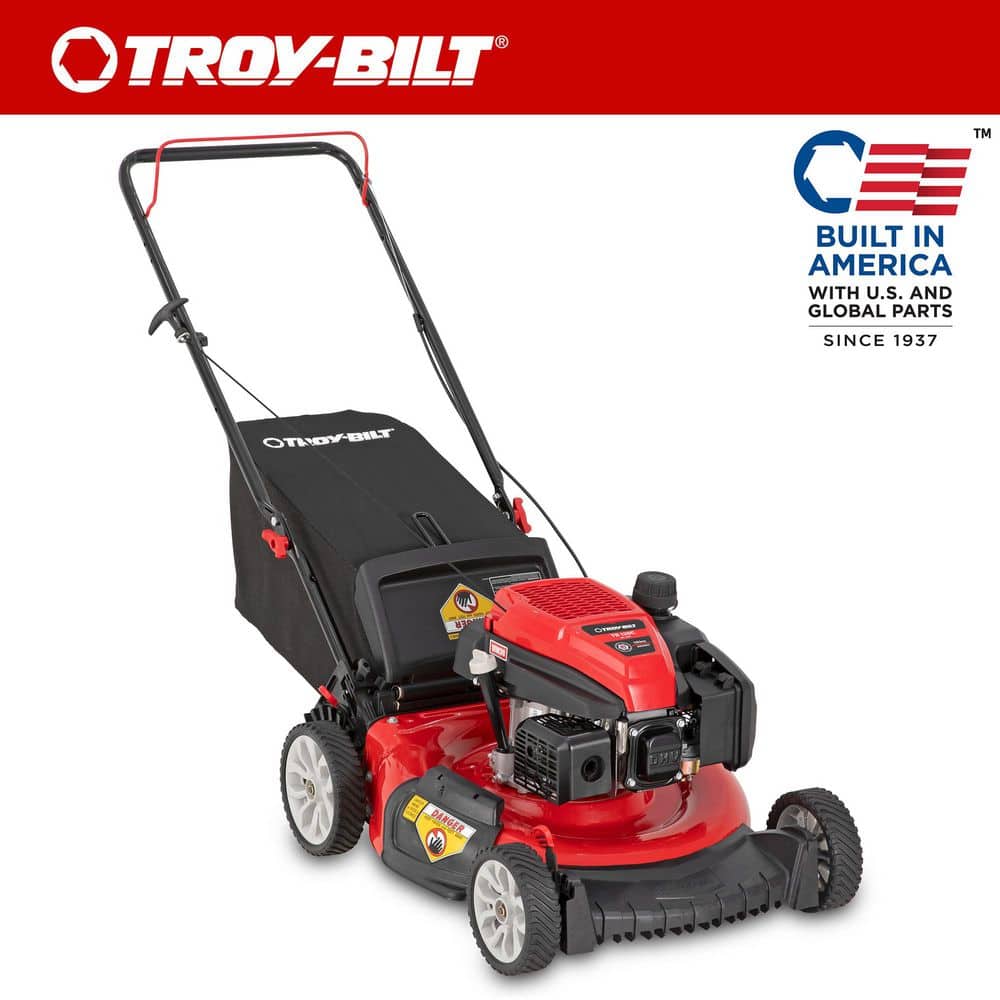
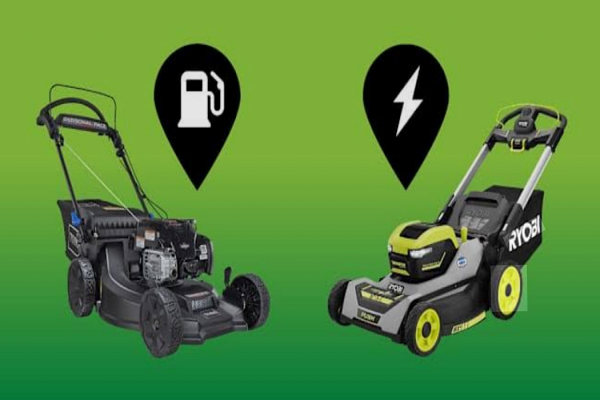
Neither brand wins outright; Toro excels in quality, Troy-Bilt shines in value.
If you’re asking is troy bilt better than toro, you want a clear, honest take. I’ve used both in real yards, over many seasons. In this guide, I break it down in plain terms. You’ll see where each brand wins, where they fall short, and how to pick the right fit for your lawn and budget. Stick with me, and you’ll leave knowing exactly which model to buy.
Verdict at a glance
If your budget is tight and your yard is small to mid-size, Troy-Bilt is hard to beat. The machines are simple, affordable, and easy to find. For most weekend jobs, they do the work well.
If you want top cut quality, smoother self-propel, stronger decks, and deeper support, Toro is the safer bet. Toro also leads with standout features like Personal Pace, SmartStow storage, and pro-level upgrades.
So, is troy bilt better than toro? For value hunters, often yes. For long-term quality and features, Toro takes the lead. Is troy bilt better than toro for pros or larger yards? In most cases, no.
My field take: I’ve owned a Troy-Bilt push mower and two Toros. The Troy-Bilt did fine on a simple lawn. The Toro saved time, bagged cleaner, and felt sturdier over the years.

Brand background and why it matters
Troy-Bilt is known for practical tools at fair prices. The brand shines in tillers and entry-level mowers. It’s a go-to for first-time buyers and budget-minded homeowners.
Toro has deep roots in turf care. Golf courses and landscapers use Toro gear. That DNA shows up in their homeowner lines. You get better drive feel, cut systems, and often thicker materials.
Is troy bilt better than toro in brand support? Toro’s dealer network is wider. Parts and service are easier through dealers. Troy-Bilt leans on big-box stores and third-party service centers.
Walk‑behind and self‑propelled mowers
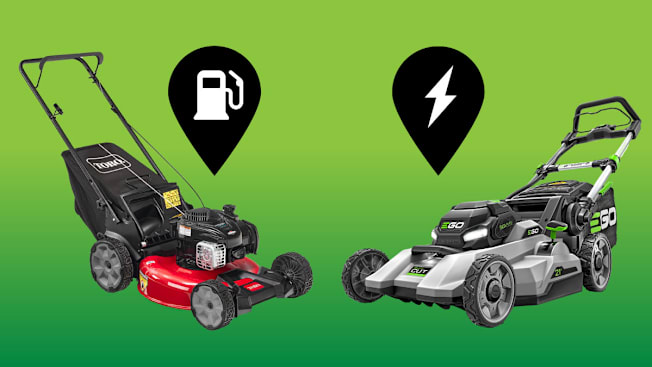
This is where most people compare. I’ve tested popular units from both brands on Bermuda, fescue, and bluegrass.
What Troy-Bilt does well:
- Solid value for money. You get the basics done for less.
- TriAction cutting has a rake bumper for lift, a special blade, and a deck that helps mulch.
- Simple controls and easy starting on many models.
What Toro does better:
- Recycler and Super Recycler decks produce fine clippings and clean stripes.
- Personal Pace adjusts to your walking speed. It feels natural and saves energy.
- SmartStow models store upright to save space. Great for tight garages.
Where you may notice the difference:
- Toro bagging is stronger in wet or thick growth. Less clumping.
- Toro decks and wheels often feel sturdier.
- Noise and vibration are lower on many Toro models.
Real-world tip: If you mow once a week and your yard is small, Troy-Bilt can be all you need. If you mow thick grass, want great mulching, or hate pushing hard, Toro is worth the extra money.
Is troy bilt better than toro for simple weekly cuts? Often yes. Is troy bilt better than toro for cut quality and ease? Toro usually wins.
Zero‑turn and riding mowers
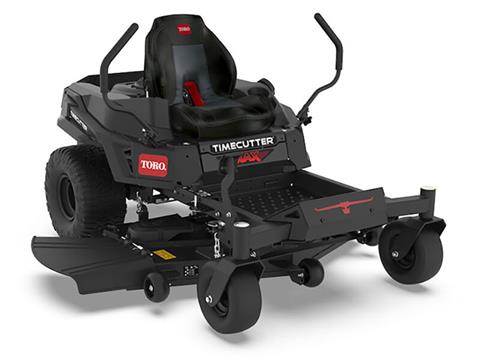
For larger lawns, comfort and build matter more. That’s where Toro steps up.
Troy-Bilt strengths:
- Low entry price on basic zero-turns.
- Simple controls and easy learning curve.
Toro strengths:
- TimeCutter lines have better frames and options like MyRIDE suspension on select models.
- Smoother hydro drives and tighter handling on slopes and curves.
- Strong dealer support and upgrade paths if you grow your lawn care needs.
If you ask is troy bilt better than toro for big lots, the answer leans no. Toro’s ride, durability, and features suit large yards better. But for a tight budget, Troy-Bilt still cuts grass well.
Snow blowers and winter tools
If you live with snow, you care about power, chute control, and clogging.
Troy-Bilt:
- Good value two-stage units for moderate snow.
- Vortex three-stage helps in heavy, wet snow at a fair price.
Toro:
- Power Max lines move snow fast and resist clogs.
- SnowMaster models are light, quick, and great for frequent light to moderate storms.
- Controls and chute systems feel more refined.
Is troy bilt better than toro in deep, wet snow for the money? Troy-Bilt’s three-stage can impress. For long-term smooth use and support, Toro has the edge.

Battery platforms and future-proofing
Battery tools matter if you want one set of batteries across your yard gear.
Troy-Bilt:
- Offers cordless mowers and tools, but the ecosystem is smaller.
- Fine for light work and small lots.
Toro:
- The 60V Flex-Force platform is broad and growing.
- Strong runtime, good torque, and many tools on one battery family.
Is troy bilt better than toro for battery buyers? Not today. Toro’s ecosystem is larger and more proven.
Price, warranty, and service
Price:
- Troy-Bilt is budget friendly. You often save 10% to 30% versus similar Toro units.
- Toro ranges from mid to premium, with higher-end features.
Warranty:
- Troy-Bilt is often two years limited on many mowers.
- Toro ranges from two to five years depending on the model, with start guarantees on some.
Service:
- Toro has a broad dealer network and strong parts support.
- Troy-Bilt relies on big-box retail and service partners. Plan ahead for repairs.
Is troy bilt better than toro on cost? Yes. Is troy bilt better than toro on warranty and dealer help? Usually no.

Cut quality, comfort, and durability
Cut quality:
- Toro’s Recycler tech makes fine clippings. Lawns look tidy with fewer passes.
- Troy-Bilt cuts well but may leave more clumps in heavy growth.
Comfort:
- Toro Personal Pace is a win for many users.
- Troy-Bilt is fine for short sessions, less refined for long jobs.
Durability:
- Toro decks and wheel assemblies often feel tougher over time.
- Troy-Bilt can last with care, but parts may show wear sooner on heavy use.
If you care about a lawn that looks manicured, Toro tends to deliver. If you just need it cut and done, Troy-Bilt works and saves money.
My field notes and buying tips
I learned this the hard way: match the mower to the yard, not the brand hype.
What worked for me:
- For a 4,000 sq ft yard, my Troy-Bilt push mower did fine for years.
- When I moved to thicker turf and slopes, my Toro Super Recycler paid off in time and looks.
Mistakes to avoid:
- Buying too little mower for thick grass. You will fight clogs and stalls.
- Ignoring dealer access. Repairs happen. Make them easy.
- Skipping a test push. Feel matters. Drive systems vary a lot.
Quick picks:
- Small, flat lawn, tight budget: Troy-Bilt push or simple self-propel.
- Medium lawn, want great mulch and easy drive: Toro Recycler.
- Premium finish and long-term build: Toro Super Recycler.
- Large lawn or need speed and comfort: Toro TimeCutter. Tight budget? Troy-Bilt entry ZTR.
Is troy bilt better than toro for your yard? It can be, if cost matters most and the lawn is simple. Is troy bilt better than toro for top results and less effort? Toro earns that spot.
How to choose in 60 seconds
Ask yourself:
- How big is my lawn?
- How thick or wet is my grass?
- Do I need self-propel, bagging, or storage upright?
- How close is a trusted dealer?
- What is my budget today and over five years?
Rule of thumb:
- Under 6,000 sq ft, light grass, simple needs: Troy-Bilt is enough.
- Over 6,000 sq ft, thick or wet grass, or you value features: Go Toro.
Is troy bilt better than toro for small, basic yards? Yes, often. Is troy bilt better than toro for heavy-duty work? Most times, no.
Frequently Asked Questions of is troy bilt better than toro
Is Troy-Bilt or Toro better for small yards?
Troy-Bilt offers solid value and gets simple jobs done. Toro adds nicer features, but may be more than you need.
Which brand has better self-propel?
Toro’s Personal Pace feels smooth and natural. It adapts to your speed with less strain.
Who wins on mulching and bagging?
Toro’s Recycler and Super Recycler decks mulch finer and bag cleaner. Troy-Bilt is good, but Toro often looks better after one pass.
Are Troy-Bilt mowers durable?
Yes, with care and regular maintenance. For heavier, frequent use, Toro models tend to hold up longer.
Which has better dealer and parts support?
Toro’s dealer network is broader and faster for service. Troy-Bilt support exists, but may require more planning.
Conclusion
If you want the best cut, smoother drives, and stronger support, Toro is the smart pick. If you want a fair price and simple, reliable work on a small lawn, Troy-Bilt makes sense. The real answer to is troy bilt better than toro depends on your yard, your budget, and how you like to mow.
Walk your lawn. Set your budget. Decide which features you will use every week. Then pick with confidence. Want help choosing a model? Drop a comment with your yard size and must-haves, and I’ll suggest a perfect match.