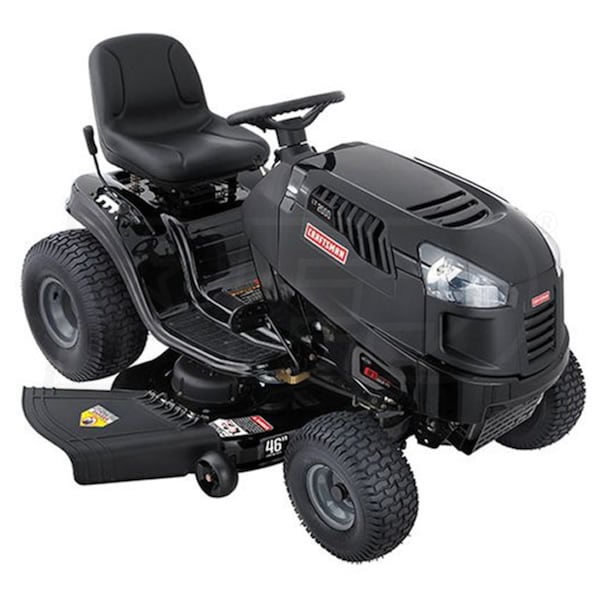
Is Briggs And Stratton A Good Engine: Our 2026 Verdict
If you're shopping for a lawn mower, generator, or pressure washer, you've probably noticed one name popping up again and again: Briggs & Stratton. The question "is Briggs and Stratton a good engine" sits at the top of nearly every buyer's list, and for good reason — these small engines power everything from weekend mowers to commercial-grade equipment.
After years of repairing, rebuilding, and running these engines in real-world conditions, we can give you a straightforward answer: yes, Briggs & Stratton makes good engines for most homeowners and many light commercial users. But "good" depends heavily on which series you choose, how you maintain it, and what you're asking it to do. You can also read our guide on how to change lawn mower oil.
This guide breaks down everything you need to know — real performance expectations, honest comparisons with competing brands, common problems, and exactly what to look for when buying. No fluff, just practical advice based on hands-on experience.

Source: ebay.com
What Makes Briggs & Stratton Engines Good?
Briggs & Stratton has manufactured small engines for over a century, and that heritage shows in the design philosophy: simple, durable, and serviceable. The company built its reputation on engines that start easily and keep running with basic care — a promise that still holds true across most of the current lineup.
What sets Briggs apart from lesser-known brands is the ecosystem around the engine itself. Replacement parts are available at virtually every hardware store and online retailer. Service manuals are clear and accessible. Even a moderately handy person can perform most repairs with standard hand tools. That accessibility is a genuine advantage when you're stuck with a non-starting mower on a Saturday morning.
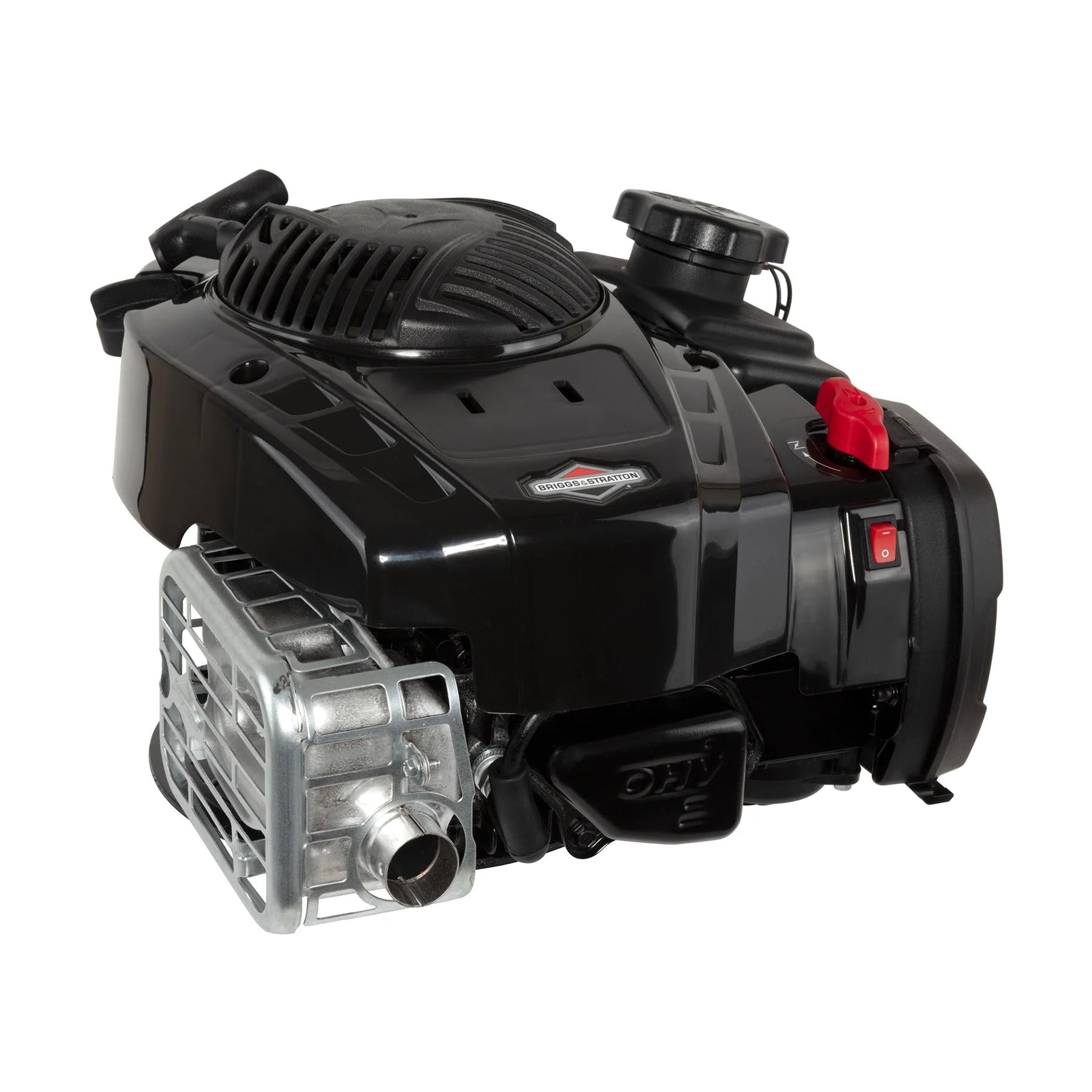
Current Briggs & Stratton engines feature several engineering improvements over older models. Overhead valve (OHV) designs run cooler and use fuel more efficiently than the older side-valve (L-head) configurations. Many mid-range and premium models include cast-iron cylinder sleeves and oil filters — features that dramatically extend engine life.
The company did restructure financially in recent years, but production continues and warranty support remains active. The brand is not going anywhere, which matters when you're buying equipment you expect to last a decade or more.

Source: youtube.com
Pros and Cons At a Glance
Every engine brand involves trade-offs, and Briggs & Stratton is no exception. Here's an honest look at where these engines shine and where they fall short.
Pros:
- Easy starting technology — ReadyStart and similar systems eliminate the choke and primer hassle; just pull and go
- Outstanding parts availability — genuine and aftermarket parts are everywhere, often same-day
- Broad price range — budget-friendly options through premium Vanguard commercial engines
- DIY-friendly design — most maintenance and repairs need only basic hand tools
- Extensive dealer network — service and support are rarely hard to find
- Respectable warranty coverage — consumer models typically carry a 2-year warranty; Vanguard offers 3 years
Cons:
- Consumer models can be loud — base engines lack the refinement of premium competitors
- Carburetor sensitivity — older and budget models dislike stale or ethanol-heavy fuel
- Inconsistent premium features — not every model includes an oil filter or cast-iron sleeve
- Commercial limits — heavy daily use demands Vanguard or a competitor like Honda or Kawasaki
- Fit and finish varies — budget engines show more vibration and rougher idle than premium rivals

Source: smallenginewarehouse.com
How They Compare to Honda, Kawasaki, and Kohler
The comparison question comes up constantly: is Briggs & Stratton a good engine next to the big names? The honest answer is that it depends entirely on the job and the budget.
Honda GX series remains the benchmark for quiet operation, smooth power delivery, and exceptional longevity. These engines routinely log thousands of hours in commercial use. The trade-off is price — Honda engines carry a significant premium. If you're running equipment professionally, that upfront cost often pays off. For a weekend homeowner, it's usually overkill.
Kawasaki dominates the commercial mower market for good reason. Their V-twin engines deliver strong torque, run cool even in demanding conditions, and hold up well with proper maintenance. Kawasaki engines excel in mid-size to large zero-turn mowers where power and durability matter most.
Kohler occupies a similar space, offering engines that compete directly with Kawasaki and Briggs' premium lines. Kohler's Command and Courage series have proven themselves in both residential and commercial settings.
Where Briggs & Stratton wins is value and serviceability. A consumer Briggs engine costs significantly less than comparable Honda or Kawasaki power. Parts are cheaper, documentation is clearer, and almost any small engine mechanic knows these engines inside and out. For most homeowners, that combination is more valuable than marginal gains in smoothness or lifespan.
For a standard residential mower or weekend generator, Briggs delivers excellent value. For daily commercial operation, step up to Vanguard or consider Honda or Kawasaki depending on the equipment.
Best Uses: Who Should Buy Briggs & Stratton
Matching the engine to the application is the single most important buying decision you'll make. Briggs & Stratton engines are excellent for certain jobs and merely adequate for others.
Great fits for Briggs & Stratton:
- Walk-behind and self-propelled lawn mowers — the most common and well-proven application
- Pressure washers in the 2,000–3,500 PSI range — plenty of power for home cleaning tasks
- Portable generators for home backup and camping — reliable starting when you need it most
- Tillers, log splitters, and snow blowers — with proper seasonal preparation
- Riding mowers and lawn tractors — especially the Professional and Vanguard series
When to look elsewhere:
- Daily commercial operation — choose Vanguard or a premium competitor
- Zero-turn mowers used professionally — Kawasaki and Kohler often serve better
- Applications requiring extremely quiet operation — Honda wins here
- Equipment that sits unused for months — any engine will suffer, but premium carbs handle storage better
If you use your equipment weekly or for seasonal jobs, a Briggs & Stratton engine delivers the right balance of cost, reliability, and ease of ownership.
Source: equipatron.com
Key Technologies and Model Lines Explained
Understanding Briggs & Stratton's technology and series lineup helps you avoid overpaying for features you don't need or underbuying for the workload you have.
Core Technologies
ReadyStart is Briggs' automatic starting system. It eliminates the choke and primer lever, automatically adjusting the air-fuel mixture based on temperature. The system works well in practice — engines typically start on the first or second pull across a wide temperature range.
Just Check & Add is an oil management system on select models. It uses a larger oil capacity and improved circulation to extend oil life. Some owners interpret this as "never change the oil," but that's a mistake. The system extends intervals, not eliminates them.
OHV (Overhead Valve) design positions the valves in the cylinder head rather than the block. This improves cooling, increases fuel efficiency, and reduces emissions compared to older side-valve designs.
EFI (Electronic Fuel Injection) appears on premium and commercial models. It eliminates carburetor issues entirely — no stale fuel gumming, no clogged jets, no choke that maladjusts. Start quality improves dramatically, especially in cold weather.
Model Series Breakdown
| Series | Best For | Key Features |
|---|---|---|
| 550EX / 625EXi / 725EXi | Standard push mowers | Lightweight, easy starting, affordable |
| Professional Series | Frequent residential use | Better air filtration, enhanced durability |
| Intek | Riding mowers and tractors | Cast-iron sleeve options, oil filter availability |
| Vanguard | Commercial and heavy use | Highest tolerances, longest life expectancy |
Vanguard: The Commercial Contender
The Vanguard line deserves special attention. These engines are built to different specifications than consumer models — tighter tolerances, premium materials, and design features aimed at daily commercial use. A Vanguard engine typically lasts two to three times longer than a comparable consumer model under the same workload.
If you're asking whether Briggs & Stratton makes a "professional-grade" engine, Vanguard is the definitive answer. In reliability testing and shop experience, Vanguard holds its own against Honda and Kawasaki at a more accessible price point.

Source: briggsandstratton.com
Real-World Reliability: What Actually Determines Engine Life
The most honest answer to "is Briggs and Stratton a good engine" comes from looking at real-world failure patterns. In practice, well-maintained consumer Briggs engines routinely achieve several hundred hours of operation before needing major work. Many exceed a thousand hours with disciplined maintenance. Vanguard engines in commercial service often run 2,000–3,000 hours or more.
But here's the critical insight: maintenance determines lifespan far more than the brand name on the engine.
What shortens engine life:
- Dirty air filters — dust and debris entering the combustion chamber cause rapid cylinder and ring wear
- Stale ethanol fuel — modern gasoline degrades within weeks, leaving varnish that clogs carburetors
- Overheating — clogged cooling fins and shrouds trap heat and accelerate wear
- Neglected oil — old, low, or contaminated oil is the fastest way to destroy any engine
- Overloading — running beyond rated capacity stresses bearings and connecting rods
What extends engine life:
- Timely oil changes — follow the interval in the owner's manual, not "whenever I remember"
- Clean air filtration — inspect and replace filters at the start of every season
- Fuel stabilizer or ethanol-free gasoline — prevents the vast majority of carburetor problems
- Clean cooling system — blow out grass clippings and debris from cooling fins regularly
- Proper loading — match blade size and attachments to the engine's rated torque
A common mistake we see is blaming the engine when the real culprit is a plugged air filter or fuel left sitting for six months. These engines are remarkably forgiving when treated reasonably.
Maintenance Tips to Make a Briggs Last Longer
The difference between a Briggs engine that dies at 200 hours and one that runs strong at 800 hours comes down to routine care. Here's a practical maintenance schedule that works in the real world.
Every 10 hours or weekly:
- Check the oil level and top up if needed — this takes 30 seconds
- Inspect the air filter for visible dirt or oil saturation
- Clear grass and debris from the engine shroud and cooling fins
Every season (spring and fall):
- Change the oil and replace the filter if fitted
- Replace the air filter — don't try to clean a worn one
- Install a new spark plug and check the gap
- Add fuel stabilizer or drain the fuel system before long storage
- Inspect the blade, belts, and mounting hardware
Pro tips from the shop:
- Use fresh fuel — gasoline degrades within roughly 30 days; buy what you'll use and add stabilizer
- Run it dry or stabilize before storage — carburetor cleanup is the most common repair we perform
- Keep the deck clean — a caked underside restricts airflow and strains the engine
- Watch for surging — if the engine hunts or surges at idle, it's usually a carburetor or vacuum leak issue, not an engine failure
If you own a gas mower, understanding what fuel to use will prevent more problems than any other single habit. Using premixed ethanol-free fuel eliminates the storage issues entirely, though it costs more per gallon.

Source: amazon.com
Common Issues and Quick Fixes
Even well-maintained Briggs & Stratton engines occasionally develop problems. The good news: most are simple, cheap, and fixable in under an hour.
Hard starting after storage
The classic symptom of fuel varnish. The carburetor jets are clogged with dried gasoline residue. Remove and clean the carburetor with cleaner, or replace it if badly clogged. Prevention: use fuel stabilizer or drain the carburetor before storing.
Surging or hunting at idle
The engine speeds up and slows down rhythmically. This typically indicates dirty carburetor jets or an air leak in the intake system. Clean the carburetor and check all gaskets and hoses. Also verify the governor linkage moves freely.
Excessive oil consumption
Check you're using the correct oil weight and not overfilling. On older engines, a dirty breather or worn piston rings could be the cause. If the engine was overheated, rings and valve guides may need replacement.
Won't start after hitting something
If the engine stopped abruptly after striking a rock or root, the flywheel key likely sheared. This is a safety feature that prevents internal damage. Replace the key and reinstall the flywheel correctly — it's a 20-minute job.
Loss of power under load
Check for a plugged air filter, restricted fuel flow, or a mower deck that's caked with debris. Also verify the blade is sharp; a dull blade strains the engine significantly.
Most of these repairs need only a socket set, screwdrivers, and a new gasket or two. Parts availability is one of Briggs & Stratton's strongest advantages — keeping your tools in working order extends the life of everything you own.
Cost of Ownership and Parts Availability
The total cost of owning a Briggs & Stratton engine goes beyond the purchase price. Replacement parts, service intervals, and repair complexity all factor into the long-term picture.
Where Briggs & Stratton excels:
- Affordable parts — genuine parts are reasonably priced, and aftermarket options cost even less
- DIY repairs — the engine designs are straightforward; most repairs take under an hour with basic tools
- Warranty coverage — 2 years on consumer models, 3 years on Vanguard, with clear claims processes
- Dealer network — thousands of authorized service centers plus massive online parts availability
Cost watchouts:
- Cheap fuel is false economy — one carburetor cleaning costs more than a season of quality fuel with stabilizer
- Skipped maintenance compounds — a $10 air filter prevents a $200+ repair down the road
- Aftermarket parts vary in quality — for critical components like piston rings and gaskets, genuine parts are worth the premium
In practice, a well-maintained Briggs & Stratton engine costs surprisingly little to own. Oil changes are inexpensive, filters are cheap, and most wear items are simple to replace. The engine will typically outlast the equipment it powers if you treat it reasonably.
Buying Guide: What to Look For
Whether you're buying a new mower, generator, or replacement engine, these are the specifications that actually matter.
Torque rating and displacement
Bigger numbers mean more pulling power. For hilly terrain, tall grass, or heavy attachments, buy more torque than you think you need. A 190cc engine is noticeably more capable than a 140cc in demanding conditions.
Cast-iron sleeve and oil filter
These two features are the strongest predictors of engine longevity. They appear on mid-range and premium models. If you plan to keep the equipment for more than five years, they're worth the upgrade.
Air filtration system
Dual-element filters (foam plus paper) handle dusty conditions far better than single-element designs. If you're mowing in dry, dusty areas, prioritize models with enhanced filtration.
Starting system
ReadyStart or EFI models eliminate choke and primer guesswork. EFI also eliminates carburetor maintenance entirely — worth the premium if you've dealt with carb issues in the past.
Duty rating
Be honest about your usage. Consumer models handle weekend work. Professional Series suits frequent use. Vanguard handles daily commercial workloads. Overbuying on duty rating wastes money, but underbuying leads to premature failure.
Service support
Confirm that parts and service are accessible in your area. With Briggs & Stratton, this is rarely a problem — but confirm before purchasing from a mail-order source or off-brand equipment manufacturer.
Always record the model, type, and code numbers from the engine labeling. You'll need these for ordering parts and troubleshooting — keeping the correct equipment maintenance schedule will serve you well for years.
Frequently Asked Questions
Is Briggs & Stratton a good brand for lawn mowers?
Yes, Briggs & Stratton is one of the most reliable lawn mower engine brands available. They power millions of mowers worldwide and start easily with basic care. For weekly residential mowing, they're an excellent choice that balances cost and dependability.
How long do Briggs & Stratton engines last?
With proper maintenance, consumer models typically run 300–500 hours before needing major work. Professional Series engines often reach 700–1,000 hours. Vanguard engines in commercial service routinely exceed 2,000 hours. Regular oil changes and clean fuel are the biggest factors.
Are Briggs & Stratton engines made in the USA?
Many Briggs & Stratton engines are manufactured in the USA, though the company also operates facilities abroad and sources components globally. The headquarters and engineering operations remain in the United States, and the brand maintains a strong North American manufacturing footprint.
Is Briggs & Stratton better than Honda?
It depends on your priorities. Honda engines run quieter, smoother, and often last longer in heavy commercial use. Briggs & Stratton engines cost less, are easier to service, and have superior parts availability. For most homeowners, Briggs offers the better value.
What fuel should I use in a Briggs & Stratton engine?
Use fresh unleaded gasoline with an octane rating of 87 or higher. E10 fuel (10% ethanol) is acceptable but degrades within roughly 30 days. For long storage or infrequent use, ethanol-free fuel or a quality stabilizer prevents the vast majority of carburetor problems.
Do Briggs & Stratton engines need an oil filter?
Not all of them. Smaller consumer engines often use a simple splash lubrication system without a filter. Mid-range and premium models (especially OHV designs) typically include a filter. If long life is your priority, choose a model with an oil filter and cast-iron cylinder sleeve.
Why does my Briggs & Stratton surge or hunt?
Surging usually indicates a dirty carburetor, a vacuum leak, or a governor linkage problem. Start by cleaning the carburetor and checking all gaskets and hoses. Inspect the governor spring and linkage for damage. These issues are fixable with basic tools.
Conclusion
So, is Briggs and Stratton a good engine in 2026? For the vast majority of homeowners and many professionals, the answer is a confident yes.
You get proven reliability, outstanding parts availability, easy maintenance, and a price point that makes sense for equipment you use regularly but not commercially. The key is choosing the right series for your workload and committing to basic maintenance.
The engines that fail are almost always the ones that never got an oil change, sat with stale fuel for months, or ran with a plugged air filter. Treat a Briggs & Stratton engine with reasonable care, and it will reward you with years of dependable service.
If you're still weighing options, consider what the right equipment choice means for your yard and your schedule. Whether you're buying your first mower or replacing a tired engine, a Briggs & Stratton is a safe, smart investment — as long as you match the engine to the job and keep up on the basics.