
Is Electric Lawn Mower Better Or Gas: 2026 Buyer’s Guide
For most homeowners, electric mowers are the better choice in 2026. Gas still wins for large, tough lawns, but the gap has narrowed dramatically. This guide breaks down everything you need to know—performance, cost, maintenance, environmental impact, and more—so you can choose with confidence.
Whether you're mowing a tiny city lot or a sprawling acre, understanding the real differences between electric and gas mowers will save you money and frustration. Let's dig in. You can also read our guide on how to sharpen lawn mower blades at home.

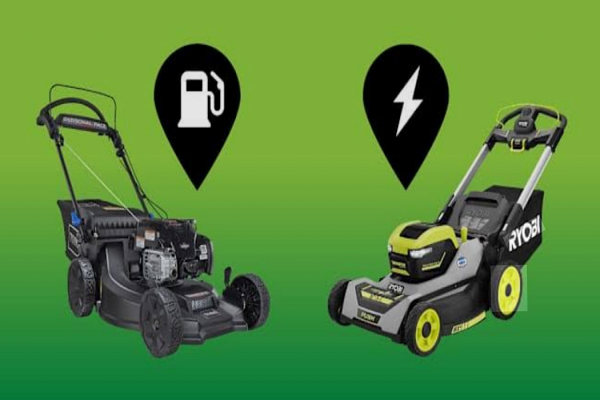
Comparing a cordless electric mower (left) and a traditional gas walk-behind (right) on a typical residential lawn.
Electric vs Gas: The Short Answer
If your yard is under a third of an acre, an electric mower—corded or cordless—is almost certainly the smarter buy. It starts instantly, needs minimal upkeep, runs quietly, and costs pennies per charge to operate. Gas still dominates for large lawns, dense grass, and marathon mowing sessions without recharging.
My rule of thumb after years of testing both types across different properties: choose electric for everyday convenience and moderate yards; choose gas if you need raw torque and unlimited runtime for demanding conditions. For more on this, see our guide on which lawn mower is better electric or gas.
The decision isn't as binary as it used to be. Premium electric mowers now rival entry-level gas models in cut quality, and battery technology keeps improving each season.
Performance and Cut Quality
Cut quality depends on three factors working together: blade speed, torque, and how efficiently clippings flow through the deck. Gas mowers have historically delivered the most consistent power in tall, wet, or dense grass, which matters when you're mulching or bagging heavy growth. For more on this, see our guide on best gas can for lawn mower.
Where Gas Still Leads
In practice, gas mowers maintain blade speed better when the grass is thick or damp. That consistent torque means fewer clogs and less stalling. If you let your lawn get away from you during a rainy spring, a gas mower will power through without complaint.
How Electric Has Closed the Gap
Modern cordless mowers with brushless motors and high-voltage batteries (56V and up) respond to resistance by automatically increasing power. Many now mulch cleanly in normal growth conditions and handle moderate thickness without bogging down.
On my own dense late-spring fescue, a premium 60V model did surprisingly well—but it still slowed visibly on the heaviest patches where my mid-range gas mower barely flinched.
The Real-World Verdict
For weekly cuts on a well-maintained lawn, electric matches or exceeds gas performance with far less hassle. For overgrown or consistently wet grass, gas keeps a slight edge. Ask yourself honestly how often your lawn reaches that extreme state—for most people, it's rare.
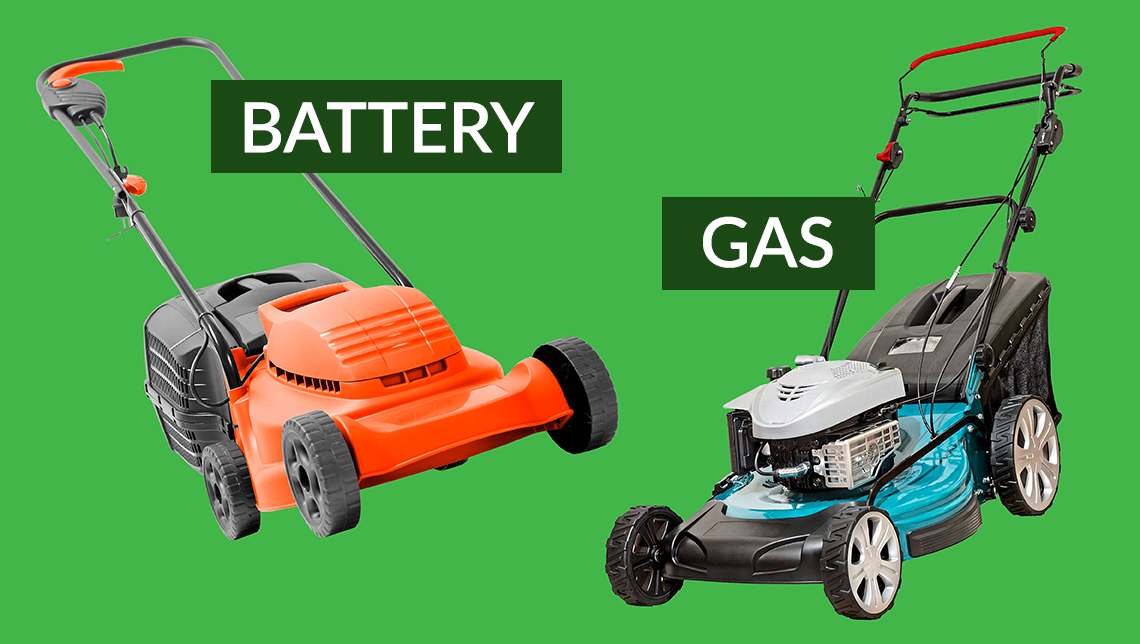
Examining the underside of both mower types to compare deck design and blade configuration.
Battery Life, Runtime, and Refueling
Battery runtime is the most common concern for electric mower shoppers—and for good reason. Understanding real-world numbers helps you avoid mid-mow surprises.
What Affects Electric Runtime
Several variables determine how long a charge lasts:
- Battery capacity (amp-hours): A 5.0Ah pack lasts longer than a 2.5Ah pack
- Voltage: Higher voltage systems (60V vs 40V) generally deliver more power with similar efficiency
- Grass conditions: Tall, wet, or thick grass drains batteries faster—sometimes 30–40% quicker
- Self-propelled usage: Driving the mower consumes extra power
- Mulching vs side-discharge: Mulching requires more energy to process clippings
Expect 30–60 minutes of runtime per 5–7.5Ah battery on most 40–60V systems. Premium models with dual-battery slots can extend that considerably.
The Convenience Factor
Most brands in 2026 use interchangeable battery platforms, so you can share packs between your mower, trimmer, and blower. Swapping a fresh battery takes seconds. Some models even allow two batteries simultaneously for extended runtime on larger yards.
Gas Still Wins on Endurance
A gas tank refills in one minute and gives you 45–90 minutes of continuous mowing depending on deck size and throttle. For quarter-acre yards and up, you'll likely need at least two electric batteries—and possibly three for peak-season grass growth.
Pro tip: If you mow more than 45 minutes per session, buy the mower as a kit that includes two batteries, or budget for an additional pack separately. The upfront cost is worth avoiding a mid-mow dead stop.
Total Cost of Ownership Over 5 Years
Prices tell an interesting story. Electric mowers often cost more at purchase, but the long-term math usually favors them.
Upfront Costs
| Mower Type | Typical Price Range (2026) |
|---|---|
| Corded Electric | $150–$300 |
| Cordless Electric (40–60V) | $300–$800 |
| Entry Gas Walk-Behind | $250–$450 |
| Premium Gas Walk-Behind | $500–$1,000+ |
Recurring Costs
Electric mowers:
- Electricity: pennies per charge—roughly $5–$15 per mowing season
- Battery replacement: $150–$300 every 3–5 years
- No oil, no fuel, no spark plugs, no air filters
Gas mowers:
- Fuel: $20–$50 per season depending on lawn size
- Oil changes: every 50 hours of use or annually
- Air filters, spark plugs: yearly replacement
- Potential carburetor service: $75–$150 if fuel sits too long
The Five-Year Math
Over five years, a typical homeowner mowing a quarter-acre in the Midwest will spend roughly:
- Electric: $500–$700 total (mower + one battery replacement + electricity)
- Gas: $450–$800 total (mower + fuel + maintenance supplies + occasional service)
The gap narrows considerably if you choose a budget gas mower, but widens dramatically if repairs become necessary. Electric wins on predictability—your costs are known upfront and stay flat.

Visual breakdown of ownership costs across five years for both mower types.
Environmental Impact and Regulations
Small gas engines produce surprisingly high emissions. According to the U.S. Environmental Protection Agency, a single gas lawn mower operating for one hour can emit the same amount of certain pollutants as driving a modern car for dozens of miles.
The Emission Reality
Gas mowers contribute:
- Carbon monoxide and nitrogen oxides
- Volatile organic compounds (VOCs)
- Particulate matter and hydrocarbons
Electric mowers produce zero tailpipe emissions. Even accounting for electricity generation from fossil fuels, they're significantly cleaner overall—and completely emission-free at the point of use if you have solar panels.
Regulatory Trends You Should Know
Several states and municipalities have begun phasing out gas lawn equipment. California and the Washington, D.C. area have adopted restrictions or incentives favoring electric equipment. If you live in or near an urban area, check local regulations before investing in a new gas mower.
The Practical Takeaway
For anyone weighing environmental impact seriously, electric wins clearly—especially if you mow weekly during a long growing season. The emissions avoided add up quickly.
Noise and Comfort
Noise is more than a courtesy issue—it's a health and fatigue factor.
Decibel Comparison
- Gas mowers: 90–100+ decibels, comparable to a motorcycle or chainsaw. Prolonged exposure above 85 decibels can cause hearing damage
- Electric mowers: 70–80 decibels, similar to a vacuum cleaner or normal conversation at close range
The difference matters for:
- Your ears: Gas mowers make hearing protection advisable; electric makes it optional
- Your neighbors: Early morning or evening mowing becomes socially acceptable with electric
- Your pets: Animals are far less stressed by quieter equipment
- Your comfort: Electric mowers vibrate significantly less, reducing hand and arm fatigue
Ergonomics Beyond Noise
Modern electric mowers often feature:
- Variable-speed self-propulsion with smooth drive systems
- Folding handles for compact storage
- Lighter overall weight with better balance
If you have back issues or simply value a pleasant mowing experience, electric's smoothness is hard to overlook.
Maintenance, Reliability, and Storage
This category has the biggest practical gap between the two types.
Electric: Nearly Maintenance-Free
Regular upkeep for electric mowers:
- Keep the blade sharp (sharpen or replace once or twice per season)
- Clean grass and debris from the deck after use
- Store batteries indoors at moderate temperatures
- Avoid completely draining batteries before recharging
That's essentially it. No oil to check, no gas to stabilize, no carburetor to clean, no spark plug to replace. After your last mow of the season, simply remove the battery and store the mower dry—no winterization needed. The storage guidance aligns closely with the same principles covered in our guide on proper battery care.
Gas: Ongoing Commitment
Gas mowers require steady attention:
- Oil changes every 50 hours or annually
- Air filter cleaning and replacement
- Spark plug replacement yearly
- Fuel stabilization for winter storage
- Potential carburetor cleaning if fuel sits too long
One of the most common mistakes we see is using the wrong fuel or letting gas age in the tank. If you go the gas route, understanding which fuel your engine needs prevents most service issues before they start.
Storage Space Considerations
Gas mowers need ventilation for fuel fumes and space for oil, fuel cans, and tools. Electric mowers store flat against a wall, often hanging vertically. For condo dwellers, apartment garages, or anyone with limited space, this difference can be decisive.
Best For: Yard Size and Use Cases
Your specific situation should drive the decision. Here's a practical breakdown:
| Scenario | Best Choice | Why |
|---|---|---|
| Small city lot (under 1/3 acre) | Electric | Quiet, compact, instant start |
| Medium lawn (up to 1/2 acre) | Electric (dual battery) | Manageable with 2+ batteries |
| Large lawn (over 1/2 acre) | Gas or riding mower | Runtime and power reserve |
| Thick or fast-growing grass | Gas | Torque handles heavy growth |
| Infrequent mowing (2+ weeks) | Gas | Power through overgrowth |
| Tight storage or HOA noise limits | Electric | Quiet, compact, no fuel smell |
| Long, steep slopes | Electric (self-propelled) | Lighter, less vibration, easy control |
When Gas Still Makes Sense
If you mow more than half an acre, let grass get tall regularly, or need a mower for commercial or rental properties, gas remains the pragmatic choice. The runtime and torque advantages translate directly to getting the job done without interruptions.
When Electric is the Clear Winner
For the majority of American homeowners with yards under half an acre, electric delivers everything you need with less noise, less maintenance, and lower lifetime cost. The convenience advantages are impossible to ignore once you've experienced them.
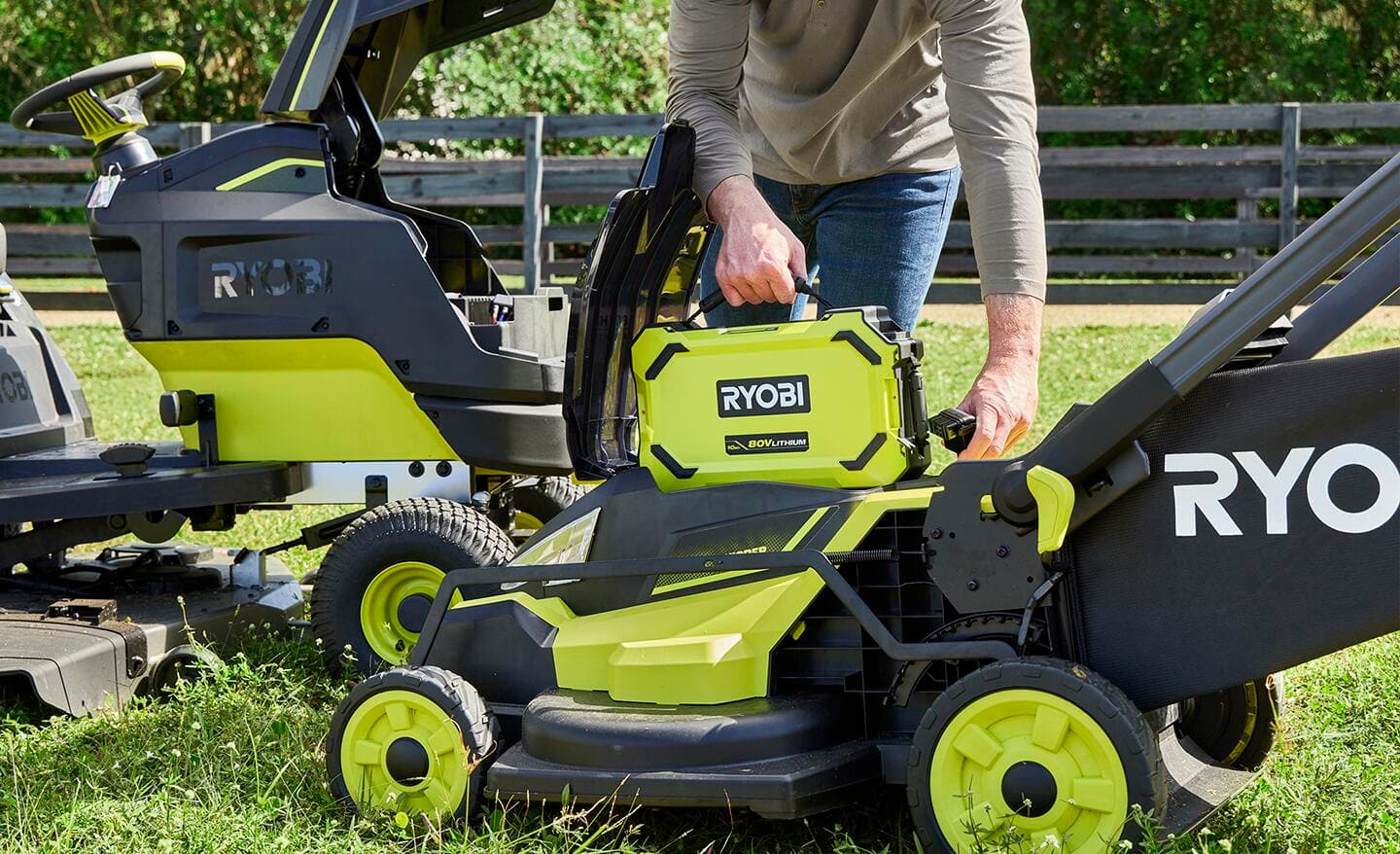
Comparing how each mower type fits into typical residential yard sizes.
Buying Checklist: What To Look For
Before you purchase, run through this checklist to avoid costly mistakes.
Key Specifications
- Deck size: 20–22 inches is the sweet spot for most residential yards. Wider decks cut more per pass but are heavier and harder to maneuver
- Power system: For cordless, look for 40–60V with a brushless motor—this combination balances power and runtime efficiently
- Battery platform: Choose a brand that offers compatible tools (trimmers, blowers, chainsaws). One battery platform across all your outdoor equipment saves money long-term
- Runtime: If your lawn takes over 45 minutes, factor in a second battery from day one
Features That Matter
- Self-propulsion: Variable-speed control is worth the upgrade on any slope. Rear-wheel drive handles hills better; front-wheel drive is lighter on flat ground
- Deck material: Steel resists cracking but rusts; reinforced polymer never rusts and is lighter. Both work well if you keep the deck clean
- Height adjustment: Look for single-lever adjustment across all four wheels for quick changes between seasons
- Bagging and mulching: A quality blade and good deck airflow make the difference between clean cuts and clumped clippings. Check whether the mower handles side discharge, mulching, and bagging
- Warranty and support: Favor brands with 3–5 year mower warranties and at least 2–3 years on batteries
Common Mistakes to Avoid
- Buying a mower with only one battery for anything over 1/4 acre
- Choosing a gas mower for a small yard just because it was cheaper upfront
- Skipping self-propulsion on a hilly property regardless of type
- Ignoring local noise ordinances that may restrict gas mower use
Corded Electric: The Budget Option Worth Considering
Most discussions of electric mowers focus on battery models, but corded mowers deserve attention for small yards.
The Advantages
- Lowest upfront cost of any electric option (typically $150–$250)
- Unlimited runtime: No battery anxiety, ever
- Minimal maintenance: No battery to degrade or replace
- Lighter weight: No heavy battery pack
The Limitations
- 100-foot extension cord required: Invest in a quality outdoor-rated cord (at least 14-gauge for longer runs)
- Cord management: You'll constantly manage the cord as you mow, moving it around obstacles
- Range limit: Unless you have outlets in your yard, you're restricted to the cord length
If your yard is under 5,000 square feet and relatively flat, a corded mower is the most cost-effective option available. It's not fancy, but it's dependable and nearly free to operate.
The Battery Question: How Long Do Electric Mower Batteries Really Last?
A common concern among buyers is battery longevity. Most quality lithium-ion packs last 3–5 years with proper care, based on typical usage patterns of 30–45 mowing sessions per season.
Extending Battery Life
- Store batteries indoors at room temperature (not in a hot garage or freezing shed)
- Avoid leaving batteries fully discharged for long periods
- Don't consistently run the battery to empty—recharge when you notice power dropping
- Use the manufacturer's charger only; incorrect charging can damage cells
- Consider a second battery to alternate usage, reducing heat buildup
Replacement batteries cost $150–$300 depending on brand and capacity. Some mowers use two batteries concurrently, which doubles replacement cost—but also doubles runtime.
Frequently Asked Questions
Is electric lawn mower better or gas for a small yard?
Electric is almost always the better choice. You get instant starts, low noise, zero fuel smells, and nearly no maintenance. A corded mower is the most budget-friendly option; a cordless model offers more flexibility without a cord to manage.
Can electric mowers handle wet or tall grass?
Yes, with limitations. High-end 60V and 80V models handle moderate moisture and height well. However, gas still powers through heavy, wet, or overgrown conditions with less slowdown. If your lawn consistently gets away from you, lean toward gas.
How long do electric mower batteries last?
Expect 3–5 years with proper care. Store batteries indoors, avoid extended full discharges, and keep them at moderate temperatures. Over time, capacity gradually declines—you'll notice shorter runtime before you notice failure.
Which costs more over time?
Electric typically costs less over 5+ years. You save on fuel, oil, filters, and repairs. The main variable is battery replacement every few years. If you buy a mower with two batteries and stagger their replacement, costs remain manageable.
Are electric mowers powerful enough for thick St. Augustine or zoysia?
Premium cordless models with brushless motors can handle these dense warm-season grasses, especially if you mow weekly and keep blades sharp. Gas still has the edge for the heaviest growth, but the practical difference is smaller than many believe.
Do electric mowers cut as evenly as gas mowers?
In normal conditions, yes—often more evenly because blade speed remains consistent. Gas mowers can slow down in heavy grass, producing an uneven cut. Electric's consistent blade speed through typical growth often results in a cleaner finish.
Conclusion
The electric vs gas debate in 2026 has a clearer answer than ever. For yards under half an acre, electric mowers deliver superior convenience, lower lifetime costs, quieter operation, and zero maintenance headaches. They're no longer a compromise—they're the sensible default.
Gas mowers remain indispensable for large properties, heavy or infrequent mowing, and anyone who values maximum torque and unlimited runtime. If you're cutting significant acreage or regularly tackling overgrown grass, gas's muscle justifies its maintenance demands.
The right answer comes down to three questions:
- How big is your lawn? (More than half an acre favors gas)
- How often do you mow? (Irregular schedules favor gas's power reserve)
- How much time do you want to spend on maintenance? (Less time favors electric)
Measure your lawn, count your mowing minutes, and honestly assess your tolerance for upkeep. Match the tool to your reality, and you'll be happy with either choice.
Ready to decide? Start by measuring your lawn area, then compare two or three models that fit your size and budget. If you're leaning electric, focus on a brushless motor model with at least 56V and two batteries. If gas feels right, prioritize a brand with readily available parts and a reputation for reliable engines.
Whichever you choose, keep your blades sharp and your deck clean—cut quality depends more on blade condition than power source.


