

How To Shred Leaves For Mulch: Quick Guide For 2026
Autumn leaves are one of the best free resources in your yard, but whole leaves can smother plants and form a wet, matted barrier that blocks air and water. Shredding them transforms that pile into a high-quality mulch that feeds your soil, suppresses weeds, and keeps moisture where it belongs. This guide covers every method, tool, and technique you need to shred leaves efficiently in 2026, whether you are working with a small city yard or a sprawling property.
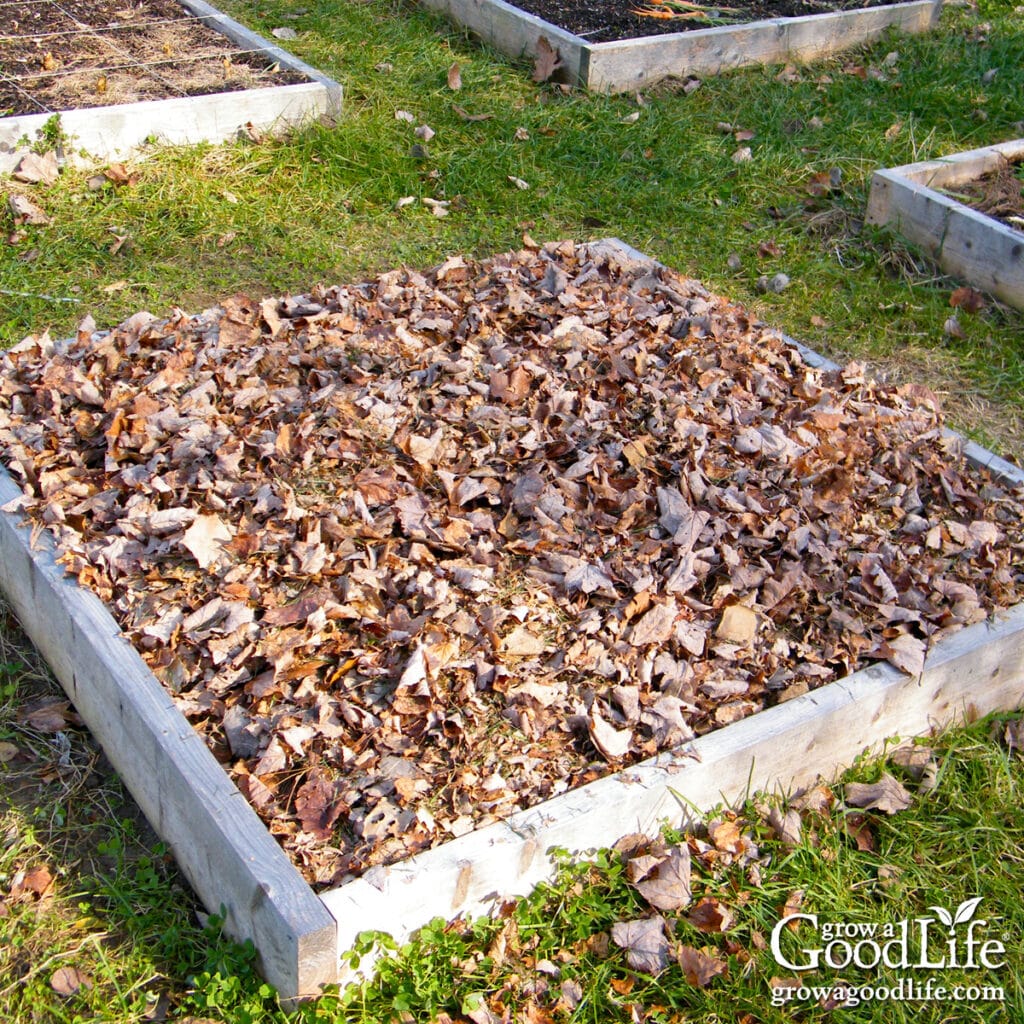
Shredded leaf mulch spread evenly across a raised garden bed.
Source: growagoodlife.com
Why Shredding Leaves Matters
Whole leaves create problems in the garden. They lock together into dense, water-resistant sheets that trap moisture underneath, encouraging fungal diseases and blocking oxygen from reaching plant roots. Shredded leaves behave differently. They form a loose, textured layer that air and water move through freely while still blocking sunlight from reaching weed seeds. You can also read our guide on how to maintain a healthy lawn naturally.
The physical difference is significant. A single pass with a mower can reduce leaf volume by half or more, which means you move less material and cover more ground. That same shredded material also breaks down faster than whole leaves because the increased surface area gives soil microbes more room to work.
Shredded leaves deliver several practical benefits that whole leaves cannot match:
- Weed suppression comes from an even, dense layer that blocks light without suffocating the soil.
- Moisture retention improves because the shredded pieces create a sponge-like barrier that slows evaporation.
- Soil structure enhances as the material decomposes into organic matter that improves drainage in clay soils and water-holding capacity in sandy ones.
- Fungal problems decrease since the loose texture prevents the soggy conditions that pathogens love.
The ideal particle size is roughly the size of a dime to a postage stamp. Pieces in this range provide good ground coverage while still breaking down at a steady pace. Aim for flakes that feel fluffy when you squeeze them, not powder and not chunks. University extension services across the country consistently recommend this size range for best results.
Tools for Shredding Leaves
You do not need specialized equipment to shred leaves effectively. Most people already own something that will work. The key is matching the tool to the size of your leaf pile and your physical limitations.
Mulching Lawn Mower
The mulching mower remains the standard tool for most homeowners. It is the fastest method for handling leaves scattered across a lawn and requires no extra setup. Mow over the leaves with the deck set to 3 to 3.5 inches, then make a second pass at a right angle for finer pieces. Use the bagging attachment if you want to collect the shreds for spreading in garden beds.
This method works best when leaves are dry and the layer is thin enough that you can still see grass blades after mowing.
If your mower is not mulching well, the issue is often a clogged intake or dull blade. Regular maintenance like keeping the blade sharp and cleaning under the deck makes a noticeable difference in shredding quality.
Stand-Alone Leaf Shredder
A dedicated leaf shredder uses a string or blade head to chop leaves as you feed them into a hopper. These machines are compact, easy to store, and produce consistently uniform pieces. They work well for small to medium yards where a mower is impractical or where you want more control over the final texture.
Feed leaves in a steady, even stream and avoid packing the throat. The machine works best when leaves enter one handful at a time. Always wear hearing protection and safety glasses because these units are loud and can eject debris.
Chipper Shredder
If you also process twigs, branches, and other woody material, a chipper shredder pulls double duty. Use the shredder side for leaves and save the chipper chute for thicker material. The shredder screen controls output size, giving you consistent flakes every time.
These machines cost more and take up more storage space, but they are a solid investment for larger properties with significant leaf drop and brush cleanup needs.
String Trimmer in a Trash Can
A budget-friendly method that works surprisingly well for small batches. Fill a heavy-duty trash can halfway with dry leaves, hold your string trimmer vertically inside, and pulse the throttle while moving the head up and down. The trimmer line chops the leaves into fine pieces in under a minute.
This method creates dust, so wear a dust mask and do it outdoors. It is best for small piles where setting up a mower or shredder feels like overkill.
Leaf Vacuum Mulcher
A leaf vacuum mulcher shreds and bags in one step. You rake leaves into small piles, vacuum them up, and the machine chops them before depositing them in an attached bag. This is the tidiest option for patios, tight beds, and areas where you want to collect as you clean.
The trade-off is speed. These units process leaves more slowly than a mower, and thick piles may need a second pass to achieve fine texture. Battery-powered models have improved significantly, but a corded unit still delivers the most consistent suction for heavy use.
Preparing Leaves Before Shredding
Preparation determines how well any shredding method works. Start with dry leaves. Leaves should feel crisp and crack when folded. Damp leaves tear instead of cutting cleanly, and they clump together in bits that clog mower decks and shredder chutes.
Remove sticks, stones, pine cones, and other debris before shredding. These items dull blades, jam equipment, and create safety hazards. A quick pass with a rake over the area before you start saves time and frustration later.
Mix different leaf species when possible. Soft leaves like maple and birch shred easily, while tougher leaves like oak give the finished mulch more structure and longevity. A blend of both produces a better final product than any single species alone.
Step-by-Step Shredding Methods
Method 1: Lawn Mower
- Set the deck height to about 3 to 3.5 inches.
- Mow over the leaves once to break them into smaller pieces.
- Mow a second time at right angles to the first pass for finer texture.
- Use the bagging attachment if you want to collect the shreds.
- If you are mulching in place, ensure you can still see grass tips after the pass. If not, the layer is too thick.
Method 2: String Trimmer in a Bin
- Fill a heavy-duty trash can halfway with dry leaves.
- Hold the trimmer vertically inside the can.
- Pulse the throttle and move the head up and down for even cutting.
- Stop when pieces look like small chips.
- Pour the shreds into a wheelbarrow for transport.
Method 3: Stand-Alone Shredder
- Place the shredder on level ground.
- Put on hearing protection, safety glasses, and a dust mask.
- Feed leaves in a steady stream, one handful at a time.
- Do not pack the throat or force leaves through.
- Check the output and adjust your feed rate for finer or coarser pieces.
Method 4: Leaf Vacuum Mulcher
- Rake leaves into small piles.
- Vacuum the piles, letting the machine shred and bag the leaves.
- Empty the bag into your garden bed or compost bin.
- Go over thick piles twice for better texture.
Safety Gear and Setup
Shredding equipment demands respect. Rotary blades and trimmer lines move fast enough to throw debris at high velocity. A few minutes of preparation prevents most accidents.
Always wear:
- Safety glasses to protect against flying debris.
- Hearing protection for any powered shredder or mower.
- Work gloves to protect hands from sharp edges.
- Dust mask when leaves are very dry and create fine particles.
Scan your work area before starting. Remove rocks, toys, pet waste, and anything else that could become a projectile. Keep children and pets indoors or well away from the work zone. If you are using an electric tool, keep the cord behind you and avoid running over it.
A common mistake is skipping the sweep for hidden objects. A single buried stone can chip a mower blade or shear a trimmer line mid-job. A quick scan takes thirty seconds and protects both your equipment and your patience.
Choosing the Right Leaves
Most tree leaves make excellent mulch once shredded. A few species need extra consideration.
Best Choices
- Maple, birch, poplar, and ash break down quickly and shred cleanly.
- Fruit tree leaves from apple, pear, and cherry feed beneficial fungi and earthworms.
- Elm and linden are easy to shred and decompose at a moderate pace.
Use With Care
- Oak leaves are tough, leathery, and rich in tannins. Shred them very fine or mix them with softer leaves to balance the texture. They are excellent for acid-loving plants like blueberries.
- Pine needles are slow to break down and have a springy texture. Use them at 10 to 20 percent of your mix for paths, or alone around acid-loving plants.
- Walnut leaves contain juglone, a compound toxic to many plants. Keep them away from tomatoes, peppers, potatoes, and roses. Hot compost them first if you want to use them in garden beds.
- Eucalyptus and camphor leaves are aromatic and slow to decompose. Shred them fine and mix with other leaves to avoid creating a thick, persistent layer.
Skip Or Handle Separately
Leaves with heavy disease pressure, such as apple scab or rose black spot, should not go directly into garden beds. Hot compost them to kill pathogens, or send them through municipal green waste programs.
How To Apply Shredded Leaf Mulch
Spreading shredded leaves is straightforward, but depth matters. Too thick a layer smothers roots; too thin provides little weed suppression.
Recommended Depths
| Location | Depth | Notes |
|---|---|---|
| Perennial beds | 2–3 inches | Keep 3 inches away from plant crowns |
| Trees and shrubs | 3–4 inches | In a wide ring, 6 inches clear of the trunk |
| Vegetable beds | 1–2 inches | Lighter during the growing season |
| Lawn | Thin layer | You should still see grass tips |
Enhancing Your Mulch
Mix fresh grass clippings into the shredded leaves to add nitrogen and speed decomposition. Lay a thin layer of compost under the leaves for extra nutrients. Water lightly after spreading to settle the layer and prevent wind from scattering it.
Around acid-loving plants like blueberries and rhododendrons, a mix of shredded oak leaves and pine needles creates a springy, long-lasting mulch that maintains soil pH. Keep mulch pulled back several inches from tree trunks and plant stems to prevent moisture-related rot and discourage pests.
Storing Excess Shredded Leaves
You will often produce more shreds than you need immediately. Stored properly, shredded leaves keep for months and even improve with age.
Keep shredded leaves in breathable bags or bins. If you use plastic bags, punch a few holes for airflow. A wire bin with a covered top works well for larger quantities and sheds heavy rain while allowing moisture in.
Making Leaf Mold
Leaf mold is the decomposition end-product of shredded leaves. It is a dark, crumbly, sponge-like material that holds water exceptionally well and feeds soil fungi.
To make it:
- Moisten the pile until it feels like a wrung-out sponge.
- Let it sit for 6–12 months.
- Turn it a few times if you can spare the effort.
- Use the finished material as mulch or work it into soil as a conditioner.
Leaf mold is one of the best soil amendments you can make for free, and it starts with the same shredding process you are already using.
Troubleshooting Common Problems
Shreds Clump Together
This almost always means the leaves were damp. Spread them on a tarp for an hour and run them through again. If the pieces are too big, make another pass to break them down further.
Mulch Mats On Beds
Fluff the layer with a rake and mix in a little coarse material like wood chips. Build the layer in two thin passes rather than dumping everything at once.
Plants Look Pale After Mulching
Fresh woody mulches can temporarily tie up nitrogen as they decompose. Water in a light nitrogen feed at about 0.5 to 1 pound per 1,000 square feet, or tuck a handful of compost near the plant base and re-cover.
Pests Move In
Keep mulch several inches away from stems and trunks. In slug-prone areas, use a thinner layer or add a rough border of crushed eggshells or diatomaceous earth.
Timing Tips
In fall, mow weekly as leaves drop rather than waiting for everything to accumulate. This spreads the workload and prevents the mountain-of-leaves problem. In spring, wait until the soil warms before topping up beds with fresh mulch.
Environmental And Cost Benefits
Shredding leaves for mulch is one of the most cost-effective garden practices available. The material is free, produced on-site, and eliminates trips to the garden center for bagged mulch.
A single hour with a mower can produce enough shredded mulch to cover several beds. The volume reduction means you move less material, and shredded leaves cover more area per pound than bark mulch because of their light, fluffy texture.
Environmentally, this practice keeps yard waste out of landfills, reduces the need for plastic bags, and builds soil fertility without imported materials. It feeds the soil food web and improves water retention, which reduces runoff and the need for supplemental irrigation.
Frequently Asked Questions
What is the easiest way to start shredding leaves?
Use a mulching lawn mower on a dry day. Make two passes over the leaves and collect them in the bag to spread in your beds.
Can I shred wet leaves?
Technically yes, but the results are poor. Wet leaves tear and clump instead of cutting cleanly. Spread them on a tarp and let them dry first.
How fine should shredded leaves be?
Aim for pieces the size of a dime to a postage stamp. This size balances coverage, airflow, and decomposition speed.
Will shredded leaves rob nitrogen from my plants?
On the soil surface, the effect is minimal. If plants look pale, add a light nitrogen feed or a thin layer of compost on top.
Are oak leaves safe to use as mulch?
Yes, once shredded. They are tough and high in tannins, so shred them fine or mix with softer leaves for balanced texture.
Can I mulch leaves directly into the lawn?
Yes. If you can still see grass tips after mowing, the layer is safe and beneficial.
Is it safe to use walnut leaves?
Avoid them near juglone-sensitive plants like tomatoes and roses. Hot compost walnut leaves before using them anywhere in the garden.
How deep should mulch be around trees?
Use 3–4 inches in a wide ring, keeping the mulch several inches away from the trunk to prevent moisture damage.
Conclusion
Shredded leaves are the most underrated mulch material available to home gardeners. They are free, abundant every autumn, and produce measurable improvements in soil health, weed suppression, and moisture retention. The process is simple: keep leaves dry, shred them to coin-sized pieces, and spread them in thin, even layers.
Start with one bed this weekend. Mow or shred a pile of dry leaves and spread a two-inch layer around your plants. You will see the difference in moisture retention, weed pressure, and soil feel within weeks. Building a healthy soil starts with small practices like this one, and your garden will thank you.


