How To Clean Up Rabbit Poop In Yard: Fast, Safe Tips 2026
Wear gloves, scoop pellets, bag them, rinse hard surfaces, and block access.
If you’re searching for how to clean up rabbit poop in yard, you want clear steps that work fast and protect your lawn, pets, and family. As a yard-care specialist who manages wildlife-heavy properties, I’ll show you proven methods, the right tools, and smart prevention so you can handle droppings today and reduce repeat messes tomorrow. Expect precise steps, safety tips, and pro tricks that save time.

What rabbit poop looks like and why it matters
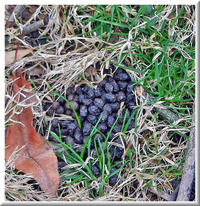
Rabbit poop is small, round pellets about pea-sized. Color ranges from dark brown to black. Fresh pellets are firm and dry on the outside. Older pellets turn crumbly. Knowing freshness helps you decide whether to pick up, rake in, or hose away. If you want to know how to clean up rabbit poop in yard with less effort, start by scanning where rabbits are most active: near edges, shrubs, and garden beds.
A quick rule: if pellets clump in heavy patches, remove them. If they are scattered and dry, you can often rake them into the turf to decompose.

Is rabbit poop dangerous? Health and safety basics
Rabbit droppings are considered low risk for disease transmission compared to many wildlife feces. Still, you should wear gloves, avoid touching your face, and wash hands after cleanup. Public health guidance notes that feces can carry parasites or bacteria in rare cases, and dust can irritate lungs.
Key safety steps:
- Use disposable or washable gloves.
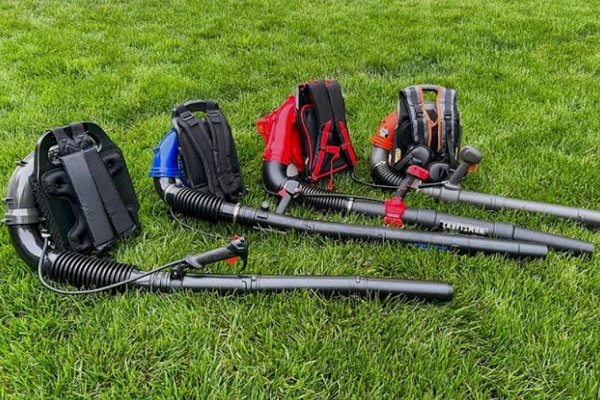
- Avoid leaf blowers that aerosolize dust.
- Keep kids and dogs away during cleanup.
- Bag waste and clean tools after use.
If your goal is how to clean up rabbit poop in yard without worries, simple protection and good hygiene go a long way.

Tools and supplies for fast cleanup
You can do most jobs with basic gear you already own. For bigger yards, add a few pro tools to speed it up.
Essentials:
- Nitrile or rubber gloves to protect hands.
- Pooper scooper or small garden shovel for quick pick-up.
- Leaf rake for scattered pellets on turf.
- Dustpan and stiff hand broom for patios and decks.
- Heavy-duty trash or compostable bags for disposal.
- Garden hose with spray nozzle to rinse hard surfaces.
- Mild cleaner: enzyme cleaner, diluted white vinegar, or a drop of dish soap for patios.
Nice-to-haves:
- Bucket for transporting tools.
- Knee pads or a kneeling pad to reduce strain.
- Face mask if pellets are dry and dusty.
- Yard waste bin or compost setup if you plan to compost correctly.
Having these ready streamlines how to clean up rabbit poop in yard and reduces back-and-forth trips.

How to clean up rabbit poop in yard: step-by-step
The best method depends on the surface. Start simple: remove the bulk, then tidy the area. This is the most reliable path when deciding how to clean up rabbit poop in yard without damaging grass or plants.
On lawns
- Walk the area and spot clusters. Mark heavy patches in your head for focused work.
- Scoop clumps with a pooper scooper or small shovel. Place in a lined bucket or bag.
- Lightly rake scattered pellets into the grass so microbes and moisture can break them down.
- Water the area for 30–60 seconds if the lawn is dry. Moisture helps pellets settle and decompose.
- If pets use the lawn, restrict access for a few hours after cleanup and watering.
Pro tip: Avoid harsh disinfectants on grass. They can burn turf and harm soil life.
On gravel or mulch
- Use a small rake to gather pellets into a pile.
- Scoop with a dustpan or shovel and bag.
- For lingering bits, sift through with gloved hands or a hand rake.
- If odor lingers, mist with diluted vinegar or an enzyme cleaner safe for landscaping.
On patios, decks, or concrete
- Sweep pellets into a dustpan.
- Bag waste.
- Rinse the surface with a hose.
- Spot-clean with mild soap or an enzyme cleaner. Rinse well.
- Let dry before foot traffic resumes.
Avoid pressure washers on old decks or loose mortar. They can drive residue into cracks.
Disposal, sanitizing, and odor control
Choose a disposal method that fits your local rules and goals.
Good options:
- Trash: Double-bag, tie tight, and place in regular waste if allowed.
- Green bin: Use if your city accepts small animal waste in organics.
- Compost: Only if you follow hot-compost rules (see next section).
Sanitizing:
- Hard surfaces: Rinse first, then scrub with diluted vinegar or an enzyme cleaner. Rinse again.
- Grass and beds: Skip strong disinfectants. Rely on sunlight, moisture, and soil microbes.
- Tools: Wash with soap and water. Let dry in the sun.
To manage smell, focus on fresh air and sun. Enzyme cleaners break down organic odor without harming surfaces. If you want a long-term plan for how to clean up rabbit poop in yard and keep smells away, add routine rinsing of traffic areas.

Composting rabbit droppings the right way
Rabbit poop is prized by many gardeners. It’s rich in nitrogen and can improve soil when handled well. You can compost it, but do it safely.
Best practices:
- Hot composting: Keep the pile at 131–160°F for several days in a row. Turn and monitor for 4–6 weeks or more.
- Balance: Mix pellets with browns (dry leaves, shredded cardboard) and greens (grass clippings, kitchen scraps).
- Cure time: Let finished compost rest until dark and crumbly.
- Use site: Favor ornamentals or trees. If using on vegetables, apply to soil well before planting and not on edible leaves.
If you are exploring how to clean up rabbit poop in yard and turn it into a benefit, hot composting is your safest path.

Prevention: keep rabbits from turning your yard into a litter box
Stopping repeat visits saves the most time. Combine habitat changes with gentle deterrents.
Reduce attractants:
- Remove fallen fruit and excess seed under bird feeders.
- Keep grass a bit shorter near garden edges to reduce cover.
- Clear brush piles and block gaps under decks and sheds.
Block and deter:
- Install 2–3 foot garden fencing with 1-inch mesh. Bury the bottom 4–6 inches.
- Use netting around beds during peak grazing times.
- Try motion-activated sprinklers near hot spots.
- Apply plant-safe repellents to perimeters after rain as directed.
Plant choices:
- Mix in less tasty plants like lavender, marigold, allium, rosemary, or salvia.
- Protect tender seedlings and lettuce with cloches or row covers.
Routine yard checks and small barriers are the secret to how to clean up rabbit poop in yard less often.

Real-world tips and mistakes to avoid
From years of yard cleanups, these shortcuts work.
What works:
- Morning rounds: Pellets are easier to spot in soft light and dew.
- Targeted tools: A small dustpan and hand broom make patios fast work.
- Two-bag method: Bag inside a bag. The outer bag stays clean for handling.
Mistakes to avoid:
- Using leaf blowers. They spread dust and waste.
- Bleach on lawns. It can burn grass and harm soil life.
- Skipping gloves. It adds risk and slows cleanup if you must stop to wash often.
When clients ask how to clean up rabbit poop in yard without wasting a Saturday, I tell them to kit a small “poop pack” with gloves, scooper, and bags. Ten minutes every other day beats one long marathon.
Frequently Asked Questions of how to clean up rabbit poop in yard
Is rabbit poop harmful to dogs?
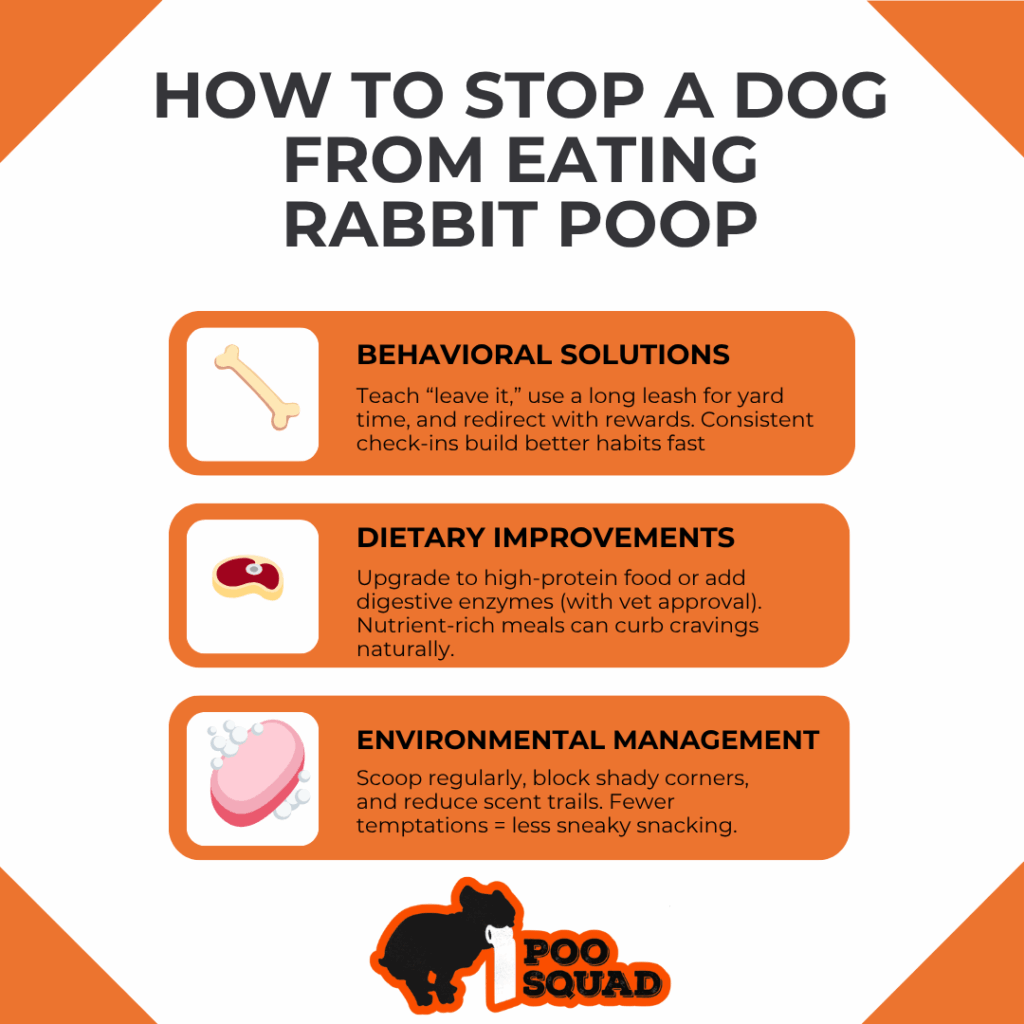
It’s usually low risk, but dogs can get stomach upset if they eat a lot. Keep dogs away during cleanup and supervise in high-traffic areas.
Can I leave rabbit droppings on the lawn?
Yes, if they’re scattered and dry. Light raking and watering help them break down and feed the soil naturally.
What cleaner is safe for patios and decks?
Use diluted white vinegar, an enzyme cleaner, or mild dish soap. Avoid harsh bleach near plants and lawns.
How often should I clean if rabbits visit daily?
Do a quick sweep every one to two days. Small, regular cleanups make how to clean up rabbit poop in yard faster and keep odors down.
Will rabbit poop damage grass?
No, not at normal levels. In fact, it can act like a mild fertilizer; just avoid heavy piles and water the area after cleanup.
What’s the safest way to dispose of rabbit poop?
Double-bag and place it in the trash if allowed, or hot-compost it. Check local rules for organics bins.
Can I get sick from rabbit droppings?
The risk is low, but not zero. Wear gloves, avoid dust, and wash hands to reduce exposure.
Conclusion
A clean yard starts with quick, simple steps: scoop the bulk, bag it, rinse hard surfaces, and keep rabbits from settling in. With a few tools and steady habits, you’ll master how to clean up rabbit poop in yard while protecting grass, pets, and people. Start with one area today, build a weekly routine, and enjoy a yard that looks cared for every day. If this guide helped, share it, subscribe for more yard-care tips, or leave a comment with what worked best for you.