
Good CFM For Leaf Blower: Choose The Right Power 2026
A good CFM for leaf blower is 400–700 for yards; 800+ for heavy debris.
If you want fast, clean results, airflow matters more than hype. In this guide, I break down what a good CFM for leaf blower really means, how it compares to MPH, and which range fits your yard and tasks. I’ve tested dozens of blowers in real yards and job sites. I’ll show you clear ranges, practical tips, and mistakes to avoid so you can pick with confidence.

What CFM Means and Why It Matters
CFM stands for cubic feet per minute. It measures how much air the blower moves. More CFM means more push to move big piles, wet leaves, and heavy debris.
MPH tells you how fast that air travels. Speed helps lift stuck debris. But without enough CFM, you will not move the pile. When people ask for a good CFM for leaf blower, they want the airflow that gets the job done fast.
Manufacturers measure CFM with standardized tests. But nozzle size and test setup can change numbers. Use CFM as a guide, then match it to your real tasks.
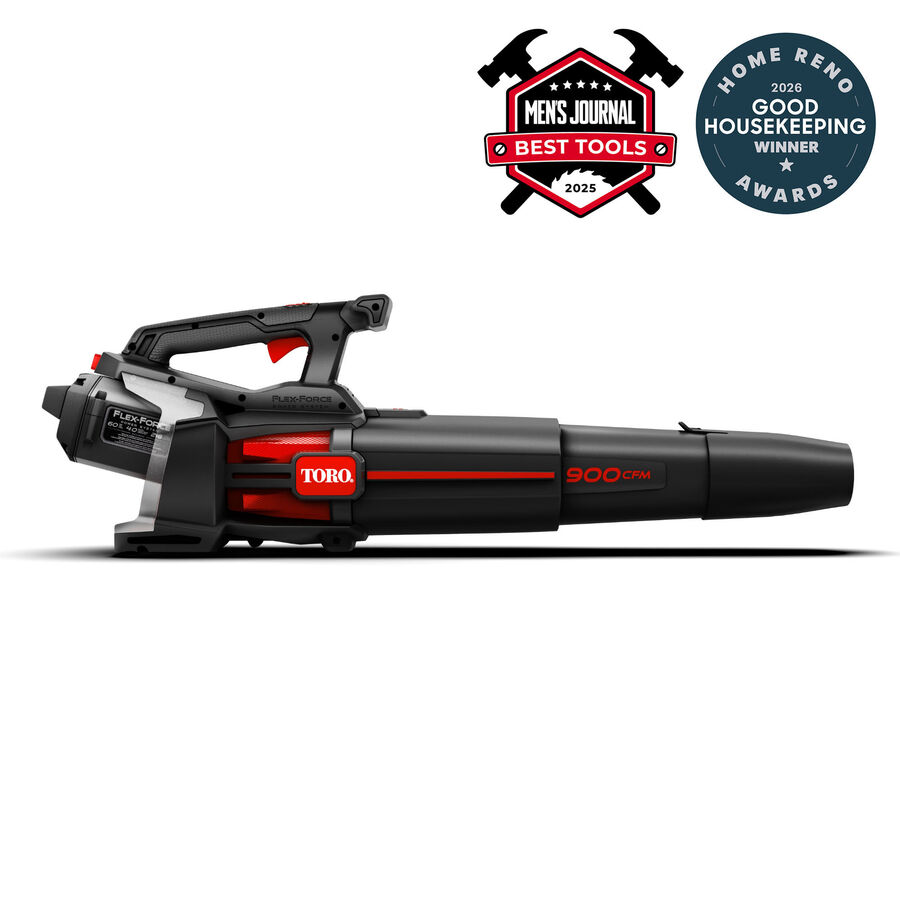
What Is a Good CFM for Leaf Blower by Yard Size and Jobs
Here is how I match CFM to common needs. This is the simple, field-tested way I advise clients.
- Balconies, patios, cars, workshops: 200–400 CFM. Light leaves and dust.
- Small to medium suburban yards: 400–600 CFM. Dry to damp leaves on grass and pavement.
- Heavy leaf fall, wet leaves, pine needles: 600–800 CFM. Faster clearing and better pile control.
- Large lots, acreage, nuts, twigs, wet mats: 800–1,000+ CFM. Often a backpack blower.
For most homeowners, a good CFM for leaf blower is 400–700. If you face wet leaves or lots of trees, 600–800 CFM saves time. For pro work or big properties, 800+ CFM is worth it.
Real example: My 530 CFM cordless handled weekly cleanup fine. After a storm with wet maple leaves, it stalled. A 650 CFM unit with a wide nozzle moved the same pile in half the time. That is why choosing a good CFM for leaf blower matters.

CFM vs MPH: Find the Right Balance
Think of CFM as the muscle and MPH as the snap. You want both. A narrow tip raises MPH but can lower CFM. A wide nozzle keeps CFM high for pile pushing.
As a rule of thumb:
- 90–120 MPH helps with dry leaves and general work.
- 150+ MPH helps lift wet, stuck leaves and gravel-edge debris.
For most homes, 500–700 CFM with 110–150 MPH is a reliable mix. That is my baseline for a good CFM for leaf blower that still lifts stubborn leaves.
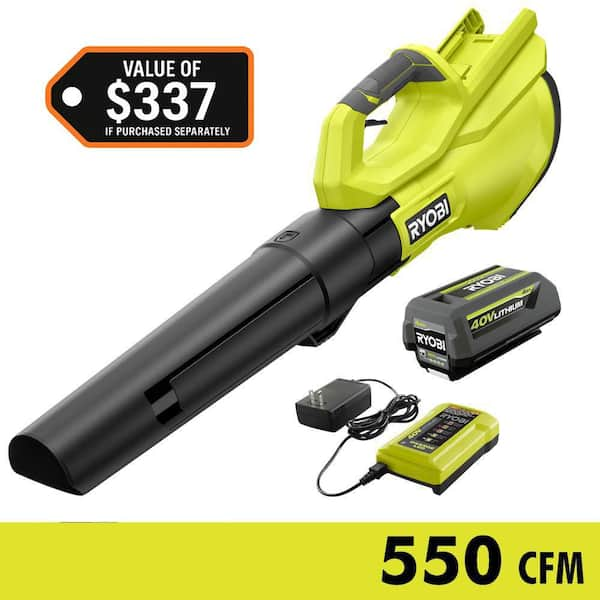
Tool Types and Typical CFM Ranges
You do not need the biggest number. Pick the format that fits your yard and your body.
- Cordless handheld: 300–800 CFM. Great for most homes. Check battery size and runtime. Many great units now reach a good CFM for leaf blower without gas.
- Corded electric: 300–600 CFM. Unlimited runtime. Best when outlets are handy.
- Gas handheld: 400–700 CFM. Strong, but louder and needs upkeep.
- Gas backpack: 600–1,100+ CFM. Best for large lots and pro use.
If you want a simple answer, a cordless unit in the 500–700 CFM range is a good CFM for leaf blower for most yards.

Real-World Factors That Change Performance
Specs do not tell the whole story. These details change results.
- Nozzle shape. Wide tips move piles. Narrow tips raise MPH for stuck debris. Many blowers include both. I swap tips based on the day.
- Debris type. Dry leaves move easy. Wet leaves and needles need more CFM and some MPH.
- Surface. Grass traps leaves. Pavement clears faster. Gravel needs care so you do not blast stones.
- Technique. Use sweeping arcs. Start wide and herd leaves with the edge of the airflow. With a good CFM for leaf blower, you make neat windrows fast.
On wet mornings, I start with a narrow tip to lift mats. Then I switch to a wide tip to push the pile. That combo beats staying at full turbo.

Noise, Ergonomics, and Runtime
Blower power is useless if you cannot stand to use it.
- Noise. Quiet cordless models can be in the 59–70 dBA range at the user’s ear. Gas blowers can exceed 90 dBA. Check local rules. Some cities limit hours or bans.
- Weight and balance. Handhelds range from 5–10 pounds. A well-balanced 7-pound unit with a good CFM for leaf blower feels lighter than a nose-heavy 6-pound tool.
- Runtime. A 56V 5Ah battery stores about 280 Wh. At full blast, many blowers draw 800–1,200 W. That is 10–20 minutes on turbo. Plan on two batteries or use mid-power for most work.
Pro tip: Do 80% of the job at medium power. Save turbo for piles. This stretches runtime and your ears.

Step-by-Step: How to Choose the Right CFM
Use this quick plan to lock in your choice with zero regret.
- Map your tasks. List debris type, yard size, and surfaces. Be honest about wet leaves.
- Pick your range.
- Light jobs: 200–400 CFM
- Typical yards: 400–600 CFM
- Heavy leaf drop: 600–800 CFM
- Large lots: 800–1,000+ CFM
- Check MPH and tips. Aim for at least 110 MPH and a concentrator tip. This pairs with a good CFM for leaf blower for all-around work.
- Choose power source. Cordless for ease, corded for budget and runtime, gas for big properties.
- Plan batteries. For cordless, get two packs or one high-capacity pack. Match the brand system you already own.
- Test the feel. If possible, try in-store or read user feedback on balance and trigger control.
- Confirm noise and rules. Make sure you can use it when you need to.
Care, Safety, and Responsible Use
A well-kept blower hits its rated performance longer.
- Battery care. Store batteries cool and half-charged if idle for months. Keep contacts clean.
- Filters and fuel. For gas, keep air filters clean and use fresh fuel mix. This protects CFM output.
- PPE. Wear eye and ear protection. Dust masks help in dry seasons.
- Courtesy. Blow leaves onto tarps or into piles. Do not push debris into streets or neighbors’ yards. Work with the wind, not against it.
Using a good CFM for leaf blower does not mean using full power all the time. Smart use beats raw force.
Frequently Asked Questions
What is a good CFM for leaf blower for a typical yard?
For most homes, 400–700 CFM is ideal. It moves dry and damp leaves well without excess weight or noise.
Is higher CFM always better?
Not always. Very high CFM can scatter mulch or gravel and may be louder and heavier.
How do CFM and MPH work together?
CFM moves the pile, while MPH lifts stuck debris. Aim for a balanced blower with both strong CFM and at least 110–150 MPH.
Do cordless blowers have enough CFM?
Yes, many cordless models now deliver 500–800 CFM. Use two batteries or mid-power to manage runtime.
What CFM do I need for wet leaves?
Look for 600–800 CFM with a narrow tip for lift. Use turbo in short bursts to break mats, then push with a wide nozzle.
Is 300 CFM enough for small jobs?
Yes, for patios, cars, and light cleanup. For fall leaf drops, 300 CFM can feel slow.
How much does nozzle shape affect CFM?
A wide nozzle keeps CFM high for pushing. A narrow nozzle raises MPH but can cut effective airflow.
What is better for large properties: backpack or handheld?
Backpack blowers with 800–1,100+ CFM clear big areas faster. They are heavier but easier to carry for long sessions.
Are the posted CFM numbers reliable?
They are measured under set tests, but real results vary by nozzle and conditions. Use them as a guide, then match to your tasks.
Will a higher CFM drain the battery faster?
At full power, yes. Use medium power for most work and save turbo for piles to extend runtime.
Conclusion
Choose airflow to match the mess, not the marketing. For most yards, a good CFM for leaf blower is 400–700. If you face heavy or wet leaves, step up to 600–800, and go 800+ for big properties or pro work. Balance CFM with MPH, pick the right nozzle, and use power in short bursts.
Walk your yard, set your target range, and select the tool that fits your body and your routine. Ready to dial in your choice? Bookmark this guide, compare two models in your target CFM range, and share your results or questions in the comments.


