Use Leaf Blower To Dry Car: Safe Tips For Spot-Free Shine
Yes. A leaf blower can dry your car fast without touching the paint.
If you want a swirl-free finish in less time, learning to use leaf blower to dry car is a smart move. I have spent years testing tools on daily drivers and show cars. In this guide, I will show how to use leaf blower to dry car with pro-level results, reduce water spots, and protect your clear coat, all with simple steps anyone can follow.
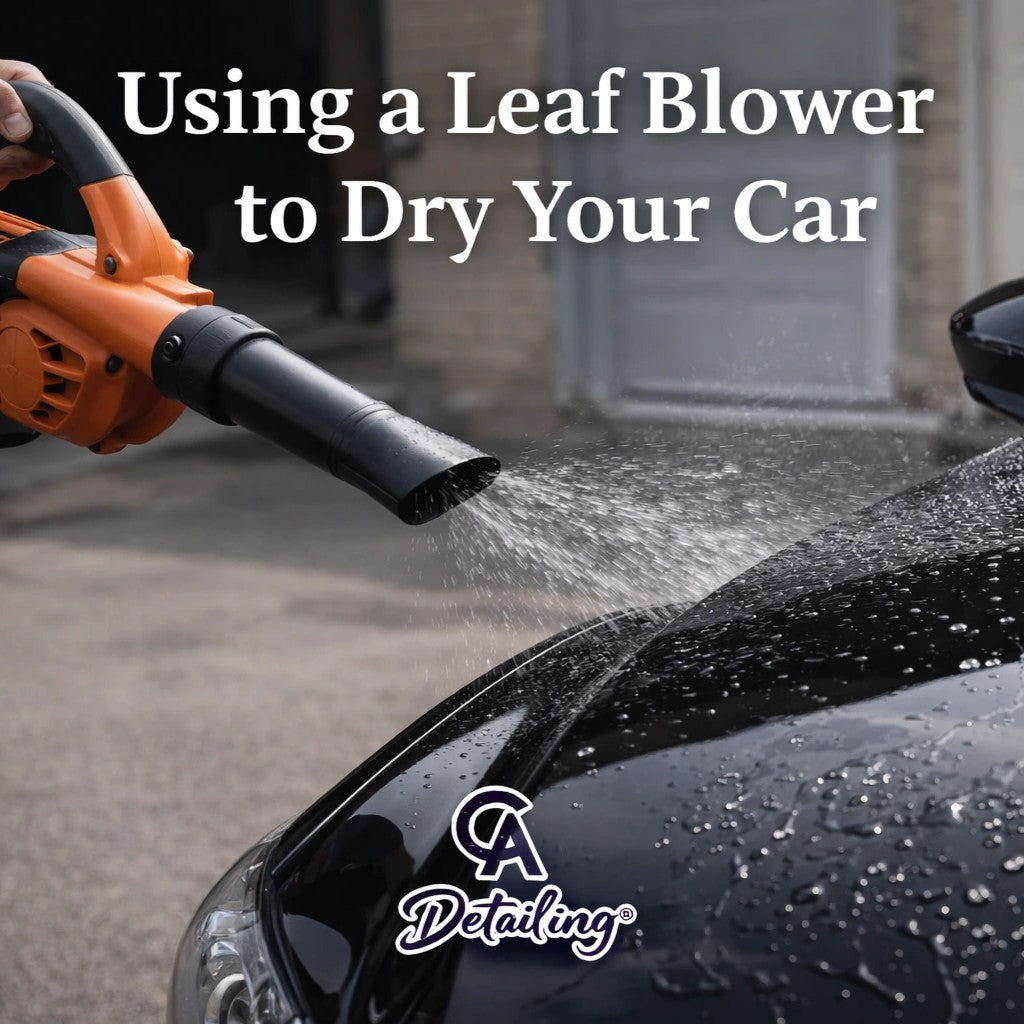
Is it safe to use leaf blower to dry car?
Used the right way, it is safe and very effective. Air moves water off the surface, so there is no towel drag on the paint. That lowers the risk of micro-scratches and swirl marks.
There are limits. Leaf blowers can push dust if the intake is dirty. Keep a safe distance, and filter the intake. Use low heat and steady airflow. Choose shaded conditions to prevent spots.
I use leaf blower to dry car on coated, waxed, and bare paint. On all of them, it removes water fast, especially from mirrors, emblems, grilles, and wheels.
What to look for in a leaf blower for car drying
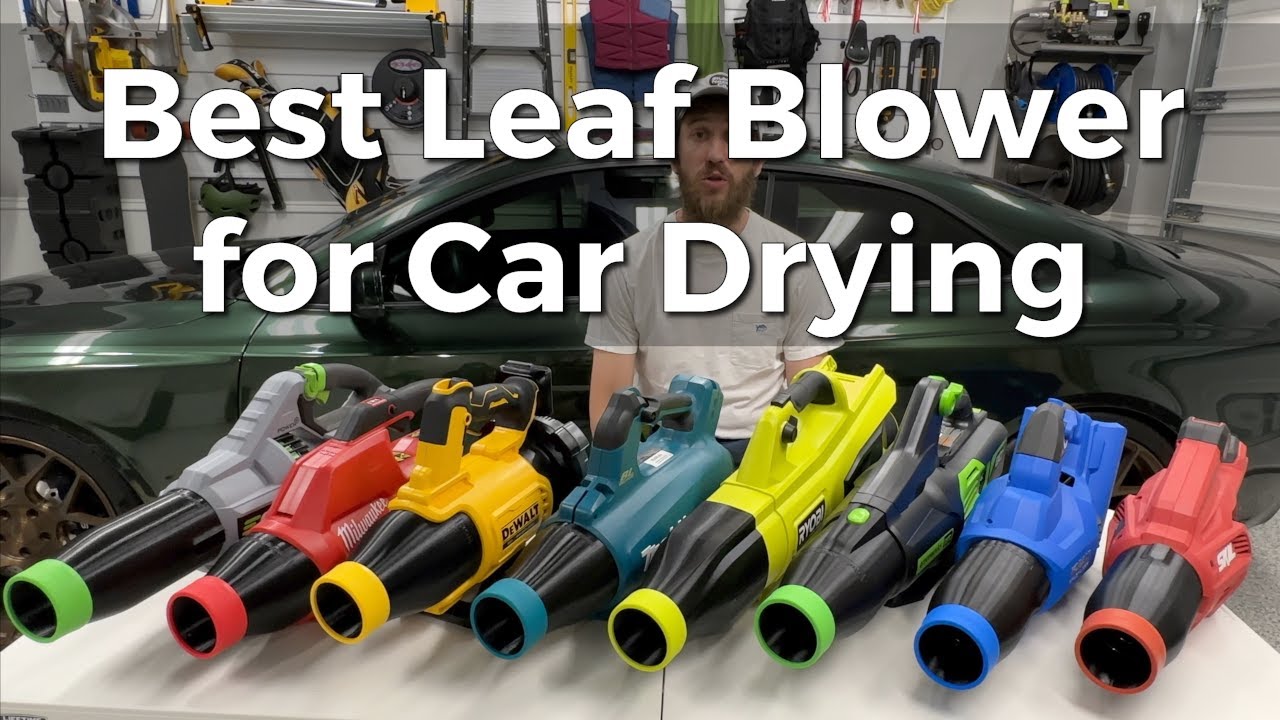
You do not need a fancy machine to get great results. But certain features help a lot.
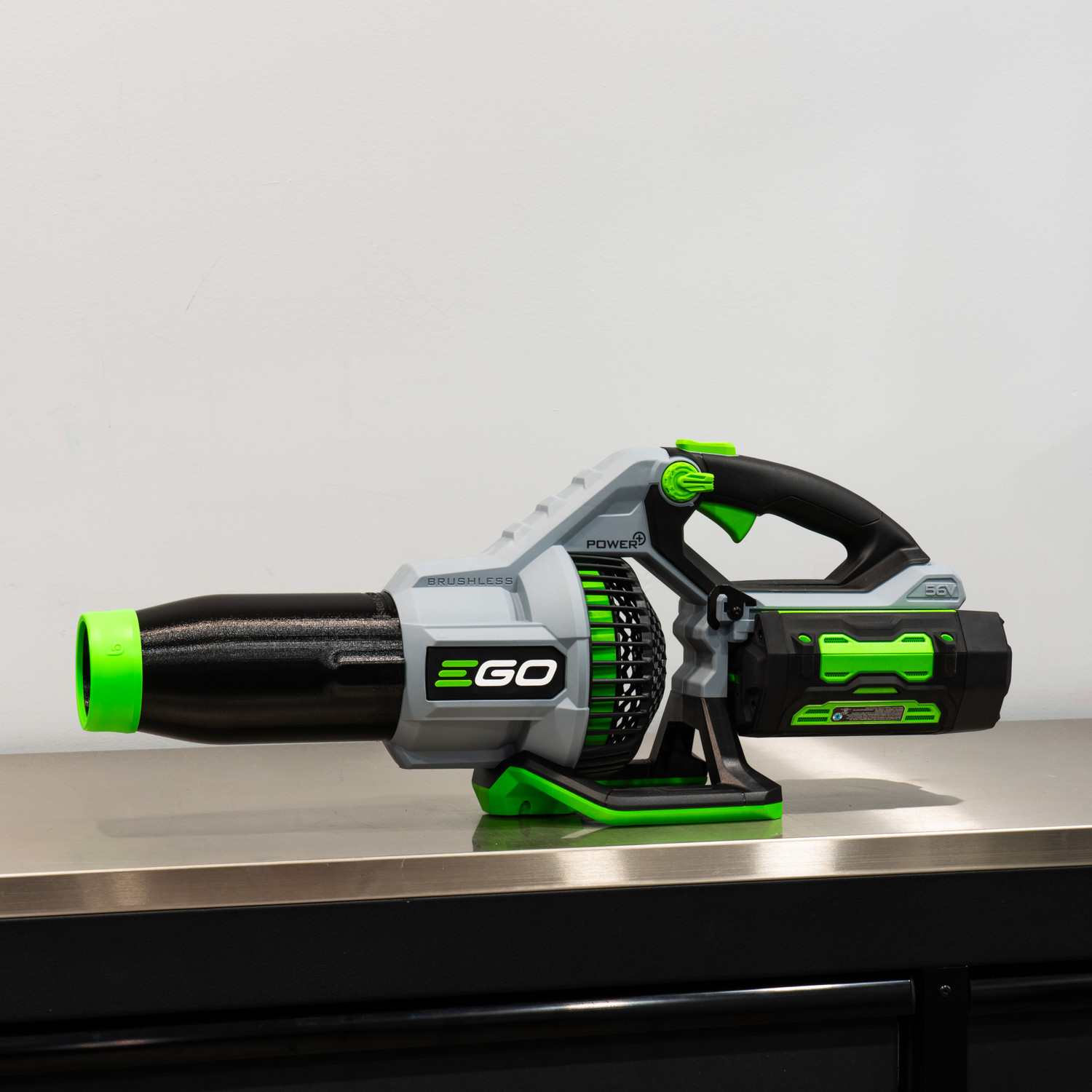
- Power and control: Aim for 300–600 CFM with a variable speed trigger. Too much power can blow debris.
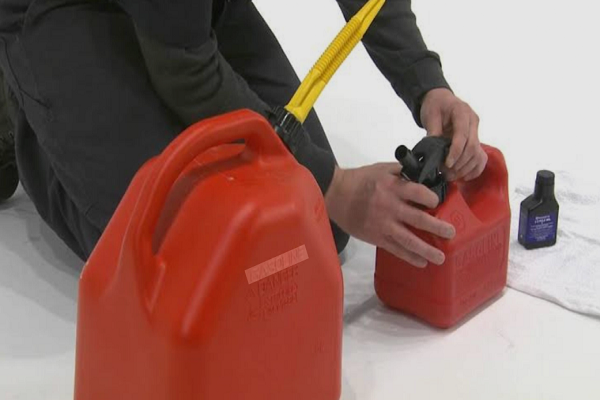
- Electric over gas: Electric blowers are lighter, cleaner, and quieter. They also avoid hot exhaust near paint.
- Nozzle: A tapered or flat nozzle targets airflow and speeds drying on panels and crevices.
- Filtration: Add a foam pre-filter sock over the intake to cut dust.
- Battery vs corded: Batteries are convenient. Keep a spare charged. Corded gives steady power but mind the cable.
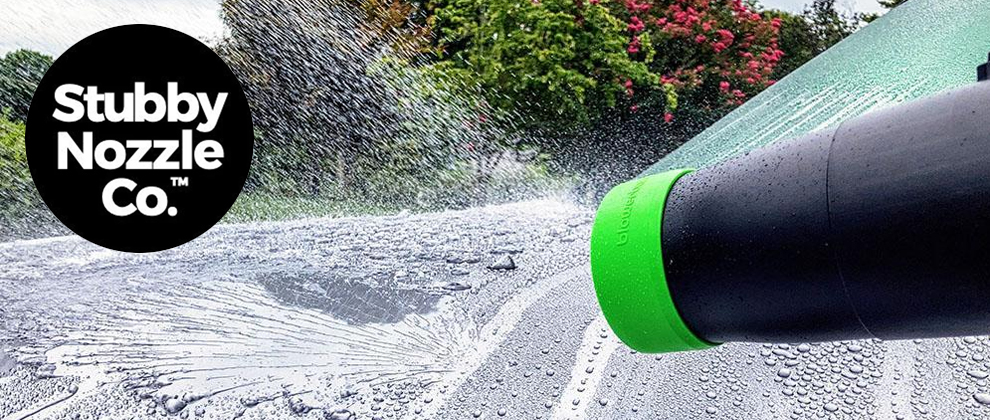
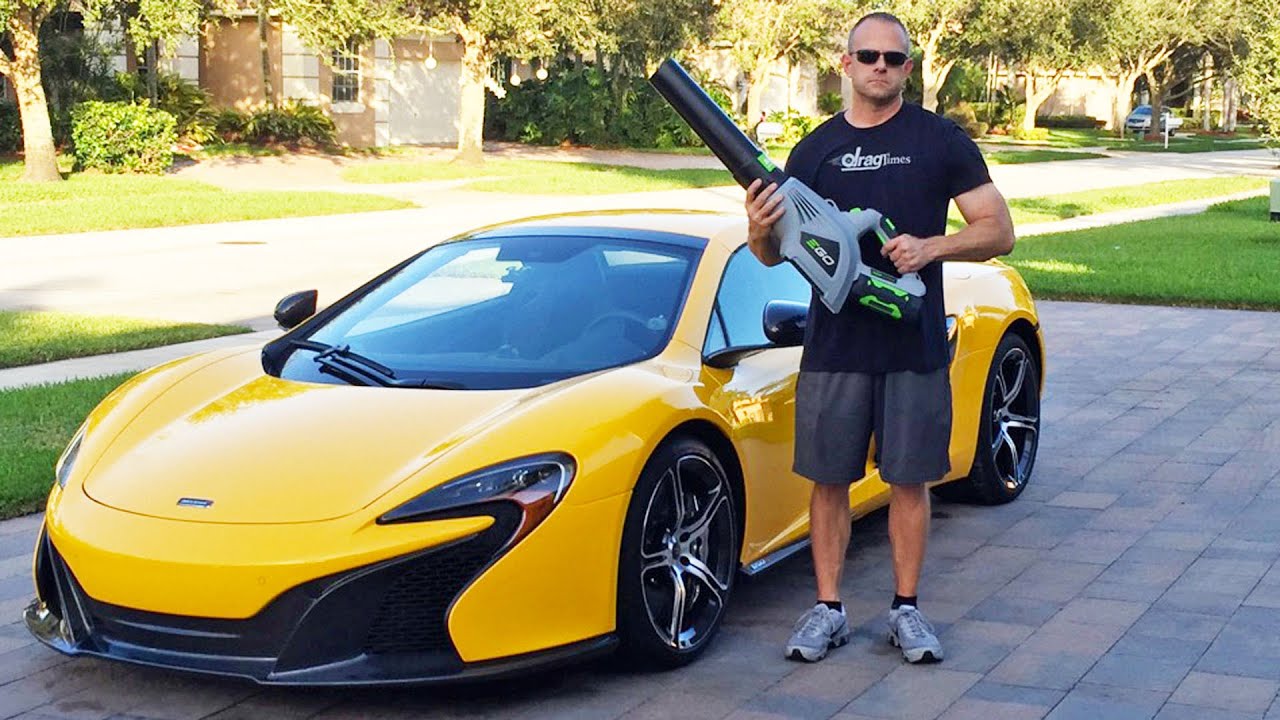
I use leaf blower to dry car with a cordless 600 CFM unit and a soft rubber tip. It gives great control and never touches the paint.
Step-by-step: How to use leaf blower to dry car like a pro
Follow these simple steps for safe, fast drying.
- Wash and rinse in shade. Use the sheeting method to push most water off before you blow.
- Pre-dry glass and crevices. Aim air at mirrors, badges, grilles, and trim first to purge trapped water.
- Work top to bottom. Start at the roof, then glass, hood, trunk, doors, and down to rockers.
- Keep a safe distance. Hold the nozzle 12–18 inches from the paint and sweep in smooth, overlapping passes.
- Use a drying aid or sealant. A quick mist boosts beading and helps water move off the surface.
- Finish the details. Blow around emblems, lugs, fuel door, plate frame, and panel gaps to stop drips.
- Touch-up only if needed. If you must, blot with a plush microfiber. Do not drag the towel.
I use leaf blower to dry car every wash day. This flow takes me under 10 minutes on a sedan and leaves no lint.
Techniques that prevent water spots and speed results
These small tweaks make a big difference.
- Rinse with soft or deionized water if you can. It cuts spots by a lot.
- Keep the car cool. Shade, early morning, or late day is best.
- Add protection. Sealants and ceramic coatings boost hydrophobics, so air moves water faster.
- Use a drying aid. One or two sprays per panel is enough.
- Move with purpose. Smooth passes push water to the edge and off the panel.
I learned early that sun is the enemy. My first try to use leaf blower to dry car at noon ended with spots. Shade and sheeting solved it right away.
When to use air vs towels
Air is best when you need zero-contact drying and clean crevices. It also shines on complex shapes like grills and wheels. Towels still have a place for final touch-ups.
- Use air only after a proper wash. Do not blow dry dust or a dirty car.
- Use towels only to blot a few drops after the blow dry.
- For winter washes, use leaf blower to dry car to keep towels from freezing and to stop door seals from icing.
Studies on paint care show that reducing contact reduces marring. Forced air helps you meet that goal.

Common mistakes to avoid when you use leaf blower to dry car
- Blowing too close to the paint. Keep a safe gap to avoid pushing debris.
- Skipping filtration. A dirty intake can feed grit into the airstream.
- Drying in direct sun. Heat bakes minerals and causes spots.
- Ignoring crevices early. Purge hidden water first or you will chase drips later.
- Blasting the engine bay. Avoid sensitive electronics and open filters.
I once forgot to purge mirrors first and had trails down the doors. Now I always start with trim and badges.

Safety, maintenance, and etiquette
- Wear hearing protection. Many blowers exceed safe noise levels.
- Use a GFCI outlet for corded tools. Keep cords off wet ground.
- Clean the intake and nozzle after each use. A quick wipe keeps dust out of the airstream.
- Mind local noise rules and neighbors. Keep sessions short and choose decent hours.
These habits protect your car and your gear. They also make it easier to use leaf blower to dry car without hassle.

Cost and time: Is it worth it?
For frequent washers, yes. You save time, water spots drop, and your paint sees less contact. Towels wear out and can add swirls over time.
I track my washes. A towel-only dry took 15–20 minutes and two large towels. Now I use leaf blower to dry car and finish in under 10 minutes with one small towel for touch-ups. The blower paid for itself in a season.

Frequently Asked Questions of use leaf blower to dry car
Is it safe to use a gas leaf blower on paint?
It can be safe, but electric is better. Gas units run hotter and can emit exhaust near the paint, so keep extra distance and avoid idling near the car.
Will a leaf blower scratch my car?
Air does not scratch paint, debris does. Keep the intake clean, hold a safe distance, and avoid blasting ground dust toward the panels.
Do I need a special car dryer or can I use leaf blower to dry car?
A car dryer is optimized with filters and heated air, but many people use leaf blower to dry car with great results. Add intake filtration and good technique to close the gap.
What CFM or MPH do I need to use leaf blower to dry car?
Look for 300–600 CFM with a controllable speed. High CFM moves bulk water, while control prevents kicking up dust.
Can I use leaf blower to dry car after a rinseless wash?
Yes, as long as the surface is clean and lubricated during the wash. Blow dry right after the final wipe to prevent spotting and streaks.
How do I stop water from dripping after I blow dry?
Purge mirrors, badges, and trim first, then finish panels. Return for a quick pass around emblems and door handles, and blot any final drops.
Can using a leaf blower remove wax or sealant?
No, air alone will not strip protection. In fact, it helps extend protection by reducing towel contact and friction.
Will a drying aid help when I use leaf blower to dry car?
Yes. A light mist improves beading so water moves off faster, leaving fewer dots to chase.
Is it okay to use leaf blower to dry car in winter?
Yes, it helps prevent doors and seals from freezing. Work in a garage if you can, and keep the blower dry and away from slush.
Can I blow dry wheels and brakes?
Yes, but avoid forcing water into bearings or electronics. Use lower speed near brake components and sensors.
Conclusion
Using controlled air is one of the safest ways to dry a clean car. When you use leaf blower to dry car with the right setup, you save time, prevent swirls, and stop stubborn drips in trim and mirrors. Start in the shade, sheet the rinse, blow top to bottom, and finish with a quick blot.
Try it on your next wash and track your time and results. If you found this helpful, subscribe for more practical car care guides, or drop a question in the comments so I can help you dial in your process.