
How To Turn Off A Leaf Blower: Quick Steps And Safety Tips
Shutting down a leaf blower seems straightforward, but doing it correctly protects both you and the equipment. A simple mistake can lead to a painful recoil injury, a damaged engine, or a frustrating restart next time. Whether you use a gas, corded electric, or battery-powered model, this guide covers the exact steps for a safe shutdown, plus what to do when things go wrong.
Why Proper Shutdown Matters More Than You Think
Most people just release the trigger and walk away. That habit can cost you. Shutting down correctly prevents engine backfires, fuel system issues, and premature switch wear. It also keeps you safe from accidental startups, especially around children or pets. You can also read our guide on how to start a leaf blower.
Take an extra 30 seconds to follow the right sequence. Your blower will last longer, start more easily, and stay safer to handle.
Identify Your Leaf Blower Type First
Before you shut down, know exactly what kind of tool you're holding. The process differs significantly between power sources. Check the label near the handle or look for these visual clues. For more on this, see our guide on how to turn off leaf blower.
Gas-Powered Blowers
- Look for a rocker switch marked STOP, 0, or a kill symbol (a circle with a line)
- Some have a separate kill button near the throttle trigger
- Most include a fuel valve and a choke lever
- Usually have a primer bulb and a pull cord or electric start
Corded Electric Models
- Feature a trigger plus a main rocker or slide switch
- Power cuts instantly when unplugged
- No fuel, no emissions, no priming needed
Battery-Powered Models
- Most stop when you release the trigger
- Some include a slide power switch, key, or lockout button
- The battery pack slides off with a latch mechanism
- Often have a variable-speed dial as well

Check the handle area first to confirm whether you have a gas, corded, or battery unit.
How to Turn Off a Gas Leaf Blower
Gas blowers need a deliberate sequence to protect the engine and your safety. Follow these steps in order.
- Release the throttle trigger and let the engine idle for 15 to 20 seconds. This cools internal components and prevents backfire.
- Flip the stop switch to the STOP, 0, or OFF position. If you have a kill button, press and hold it until the engine dies completely.
- If the engine keeps running, move the choke lever to the full position for two to three seconds. This starves the engine and stalls it safely.
- Turn the fuel valve to OFF if your model has one. This prevents fuel from leaking into the carburetor during storage.
- Set the blower on a flat surface and allow it to cool for at least ten minutes before putting it away.
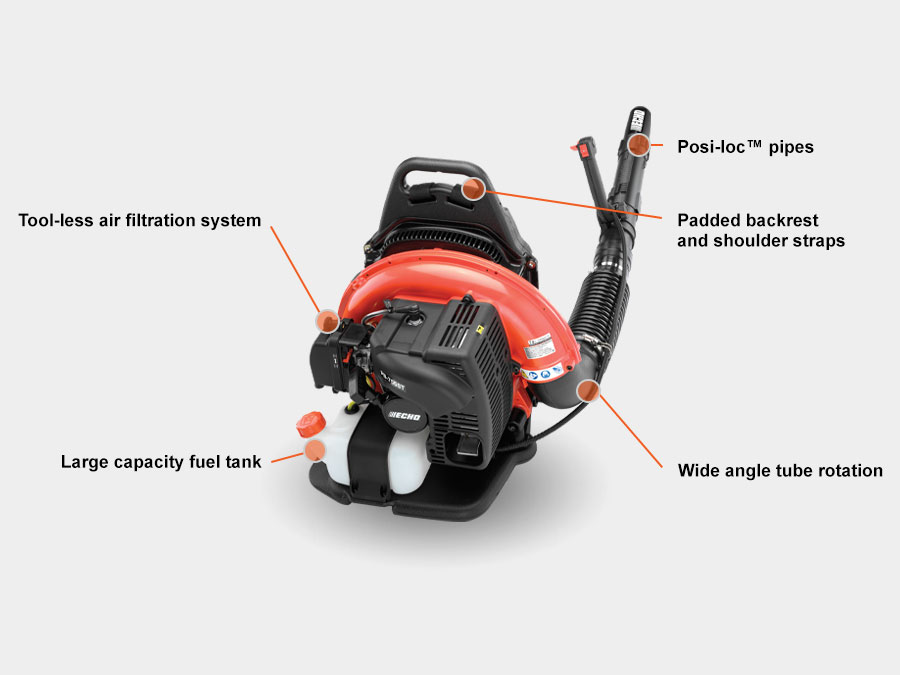
Release the throttle and let the engine settle before engaging the kill switch.
The Idle-Down Habit
Letting a gas engine idle before shutdown does more than just cool it. It allows excess fuel to burn off, reduces carbon buildup on the spark plug, and minimizes the risk of a backfire that can damage the muffler. This habit makes the next start noticeably easier.
Why Not Just Use the Choke Every Time?
The choke is a backup method, not the primary one. Using it regularly coats the spark plug with raw fuel, makes hot restarts harder, and can dilute the engine oil on four-stroke models. Reserve the choke for those frustrating moments when the kill switch fails. For more on this, see our guide on how do you turn on a leaf blower.
How to Turn Off a Corded Electric Leaf Blower
Corded blowers are the simplest to stop, but the order still matters.
- Release the trigger and let the impeller come to a full stop.
- Set the power switch to OFF or 0 if your model has one.
- Unplug the cord from the outlet by pulling the plug body, not the cord itself.
- Coil the cord loosely in a figure-eight pattern. Tight kinks can crack the insulation over time.
- Wipe dust from the vents to keep airways clear for next time.
If the switch jams, unplug from the outlet immediately. That is the fastest way to cut power completely.
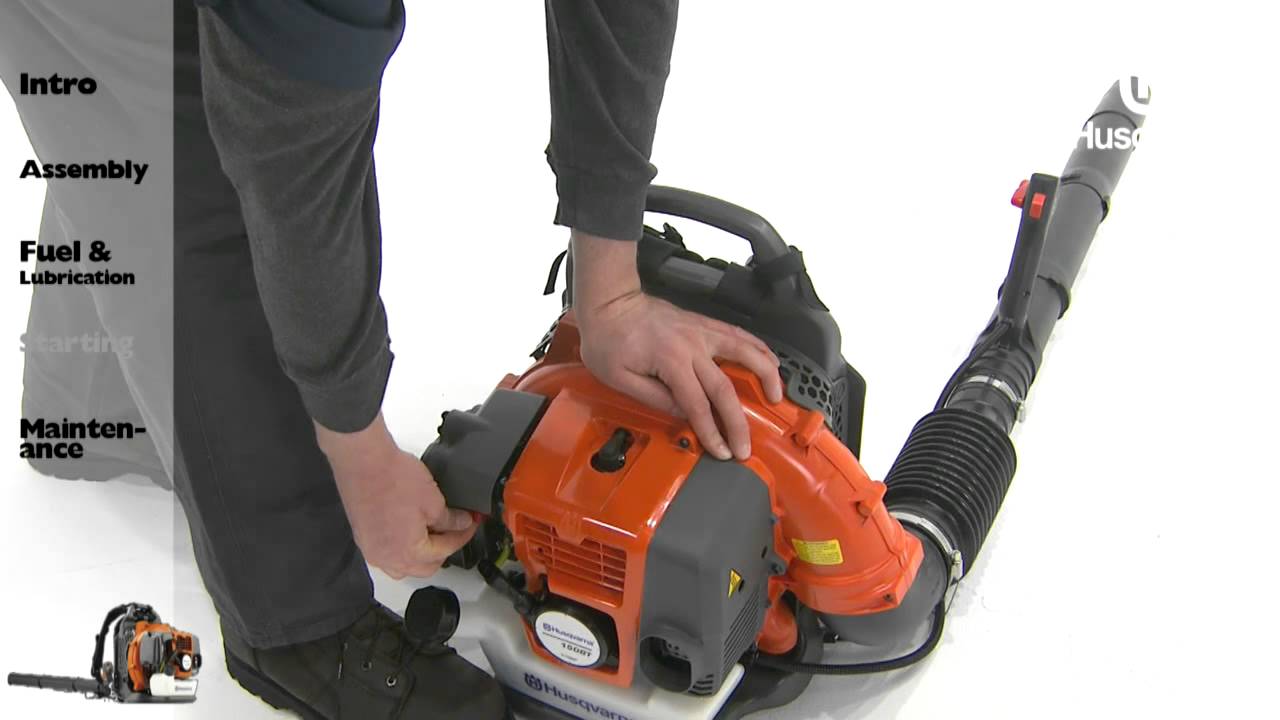
Always unplug the cord from the wall socket, not from the blower handle.
How to Turn Off a Battery Leaf Blower
Battery blowers stop almost instantly when you release the trigger, creating a false sense of security. There are still a few critical steps to follow.
- Release the trigger and wait for the fan to stop spinning.
- Slide any power switch to OFF if your model includes one.
- Engage the trigger lock to prevent accidental activation during handling.
- Press the battery latch and slide the pack out when you plan to store or transport the blower.
- Store the battery separately at a 40 to 60 percent charge in a cool, dry place.
Removing the battery pack is non-negotiable for transport. A blower bouncing in your trunk can press the trigger, and a loose battery creates a short-circuit risk.
Troubleshooting: When the Blower Won't Shut Off
A stuck switch is not the time to panic. The correct response depends on your power source.
Gas Engine Won't Stop
- Try the kill switch again and hold it for a full three seconds
- Move the choke to the full position to stall the engine
- Turn the fuel valve to OFF and wait for the engine to burn the remaining fuel
- Never pull the spark plug boot with bare hands on a hot engine — use insulated pliers or leather gloves if you must
Corded Blower Keeps Running
- Unplug from the outlet immediately
- If the plug is behind furniture, cut power at the breaker or power strip first
- Do not attempt to grab a damaged cord while the blower is running
Battery Blower Won't Stop
- Remove the battery pack right away
- If the pack is stuck, press the trigger lock and the battery latch simultaneously
- Do not force the pack — check for debris blocking the release mechanism
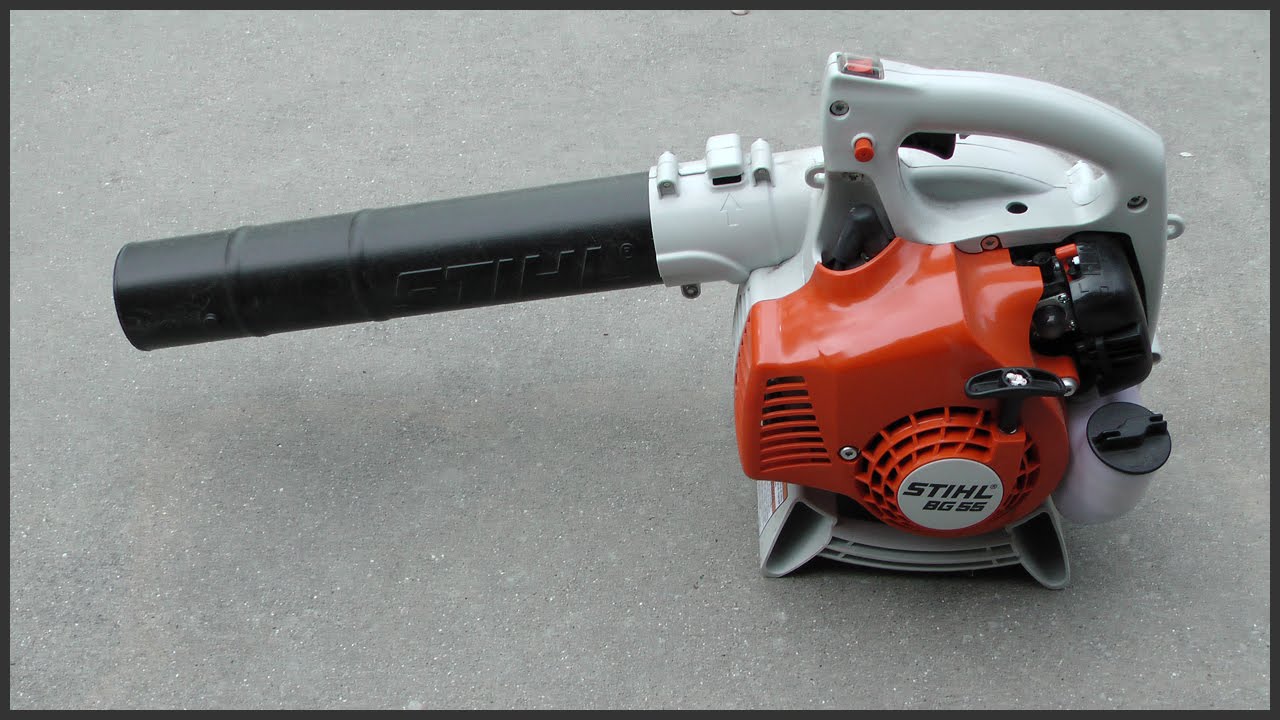
Common causes include worn switches, frayed wires, stuck throttle cables, or debris jamming the trigger assembly.
In practice, a wet kill switch is a frequent culprit on gas blowers after rain or morning dew. If your switch gets damp, choke the engine to stop it, dry the switch housing with compressed air, and inspect it before the next use. Water intrusion causes corrosion that eventually requires a switch replacement.
Care and Maintenance for Reliable Shutdown
Your shutdown controls will fail sooner if you neglect them. Build these habits into your regular routine.
- Inspect the stop switch weekly for free movement and a positive click
- Check throttle cable slack on gas models — too much slack causes sticky triggers
- Keep the spark plug fresh and the air filter clean to ensure a crisp idle
- Use fresh fuel with a stabilizer — ethanol-blended gas absorbs moisture and swells rubber parts
- Blow dust out of vents on electric models using a can of compressed air
The Environmental Protection Agency recommends using ethanol-free fuel where possible for small engines, as ethanol attracts moisture and degrades fuel system components over time. For more on keeping your equipment running well, see our guidance on the right fuel mixture.
After Shutdown: Storage and Transport Tips
A proper shutdown is only the beginning. How you store the blower affects its longevity and the next startup.
- Let the unit cool completely before loading it into a car trunk or garden shed
- Set gas blowers on a tray to catch any fuel drips — avoid tipping the unit horizontally
- Run the carburetor dry before long-term storage, or drain the tank per the owner's manual
- Store batteries partially charged — roughly half capacity is ideal for lithium-ion cells
- Coil cords and nozzles neatly to prevent tripping hazards
Storing a gas blower with a full tank for the winter is a common mistake. The fuel oxidizes and forms varnish that clogs carburetor jets. Either add a fuel stabilizer or empty the tank before storing.
Safety, Noise, and Local Rules
Shutting off your blower near neighbors is more than considerate — it observes local ordinances. Many municipalities enforce quiet hours, typically from 8 PM to 8 AM. A blower running at full throttle registers around 85 to 95 decibels, well above safe hearing levels without protection.
Remember that idle engines still produce carbon monoxide. Never let a gas blower run in a closed garage or shed, even for a minute.
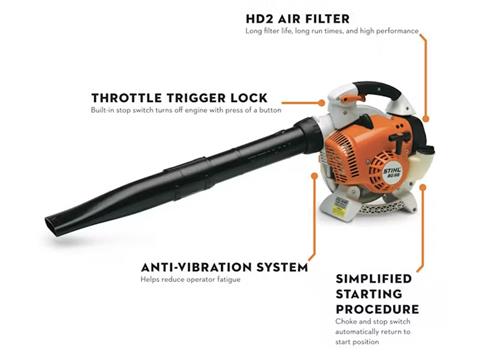
Knowing your local noise rules helps you plan when to run and when to stop.
Frequently Asked Questions
How do I know which switch turns it off?
Look for a circle with a vertical line — the standard OFF symbol. If there is no marking, check your owner's manual. Flipping the wrong switch may change speed instead of stopping the engine.
Is it bad to shut off a gas blower at full throttle?
Yes, always let it idle first. Shutting down at full throttle leaves raw fuel in the cylinder and risks a backfire that damages the muffler.
What if my battery blower won't stop when I release the trigger?
Remove the battery pack right away. A stuck trigger switch needs professional service or replacement.
Can I use the choke to stop a gas blower every time?
Only as a backup. Frequent choke shutdowns leave excess fuel in the cylinder, making hot restarts difficult.
Do I need to unplug a corded blower if the switch is off?
Yes. Unplugging ensures the power is truly cut and prevents accidental starts, especially if children or pets are nearby.
Why does my gas blower run for a few seconds after I hit STOP?
Some engines take a moment to die as the spark drops. If it runs longer than five seconds, inspect the kill switch wiring.
How long should I let a gas blower idle before shutdown?
Fifteen to twenty seconds after hard work is sufficient. This cools the head and gives a cleaner stop.
Conclusion
Mastering how to turn off a leaf blower takes less than a minute per session, but the payoff is substantial. You reduce engine wear, prevent accidental starts, and ensure your tool is ready for the next job. Identify your power source, follow the correct shutdown order, and keep a backup plan for a stuck switch. With these habits, you'll handle every shutdown with confidence. Put these steps into practice on your next cleanup and experience the difference a proper shutdown makes.


