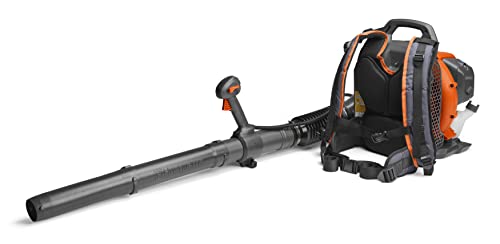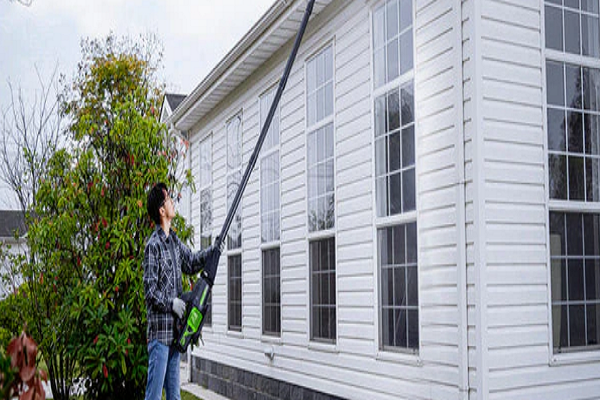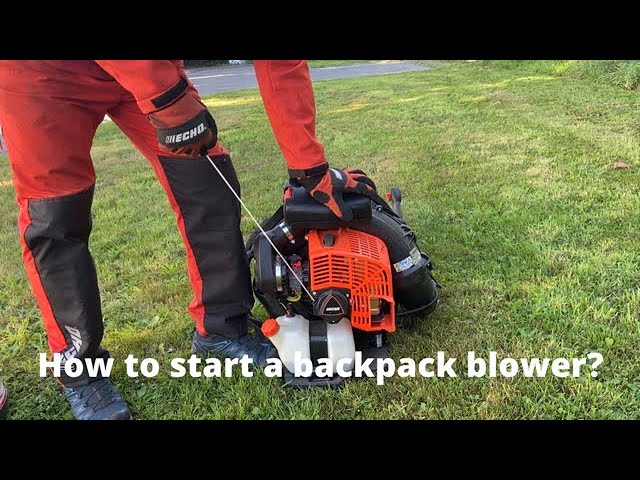
How Do You Turn On A Leaf Blower: Quick Start Guide 2026
Knowing how to start your leaf blower correctly saves time, fuel, and frustration. Whether you're facing a cold engine on a crisp autumn morning or a battery pack that won't cooperate, the starting procedure varies by type. This guide breaks down the exact steps for corded electric, cordless battery, 2-stroke gas, and 4-stroke gas models—so you can get to work quickly and safely. No guesswork, no flooded engines.

Always inspect your blower and put on eye and ear protection before you pull the cord or squeeze the trigger.
Source: youtube.com
Safety and Preparation: The 5-Minute Pre-Start Check
Skipping the pre-start checks is the most common cause of a frustrating start—or worse, an injury. Before you do anything else, run through this quick checklist. It takes less than two minutes and can prevent a snapped cord, a broken pull-start mechanism, or a face full of debris. You can also read our guide on how to mix oil and gas for a leaf blower.
- Protect yourself: Put on safety glasses and hearing protection. A dust mask is wise if you're working in dry, dusty conditions. Leaf blowers are loud—often exceeding 100 dB—so don't skip the ear protection.
- Clear the work area: Scan the ground for rocks, sticks, and loose toys. A blower can turn these into dangerous projectiles.
- Inspect the blower: Give the housing, tube, and nozzle a quick once-over. Make sure all connections are tight. Look for cracks or worn spots on the tube.
- Confirm the switch is OFF: Before plugging in, inserting a battery, or attempting to start a gas engine, double-check that the power switch is in the OFF position. This is non-negotiable for safety.
- Check fuel and fluids (gas models only): For 2-stroke engines, verify you have fresh, properly mixed fuel. For 4-stroke models, check the engine oil level.
In practice, a common mistake is trying to start a gas blower while holding it awkwardly. Set the machine on flat ground, point the nozzle away from you, and brace it with your foot or knee. This gives you a stable base for a solid pull and prevents injury if the engine kicks back.
Know Your Leaf Blower Type
Different blower types have different starting procedures. Trying to start a modern battery blower like a gas model—or vice versa—is a recipe for confusion. Identify your blower before you begin. The learning curve is short once you know what you're working with. You can also read our guide on best backpack leaf blowers for home.
- Corded Electric: These are the simplest. They have a rocker switch, slide switch, or a variable-speed trigger. Power comes from an outlet, so there's no fuel or battery to worry about.
- Cordless Battery: These use a rechargeable battery pack. They typically feature a trigger and a separate lock-off button that must be engaged first.
- Gas 2-Stroke: These are lightweight and powerful. They run on a mixture of gasoline and 2-stroke engine oil (often 50:1). Starting involves a primer bulb, a choke lever, and a pull cord.
- Gas 4-Stroke: These run on straight gasoline and have a separate oil sump for engine lubrication. They are often heavier and are common in backpack models. Starting is similar to a 2-stroke but has unique checks.
Always consult your owner's manual for the specific starting controls on your model. Most manufacturers print a small diagram near the handle showing the choke and primer positions. If you're new to gas blowers, understanding the fuel mix requirements is a critical first step to avoid engine damage.
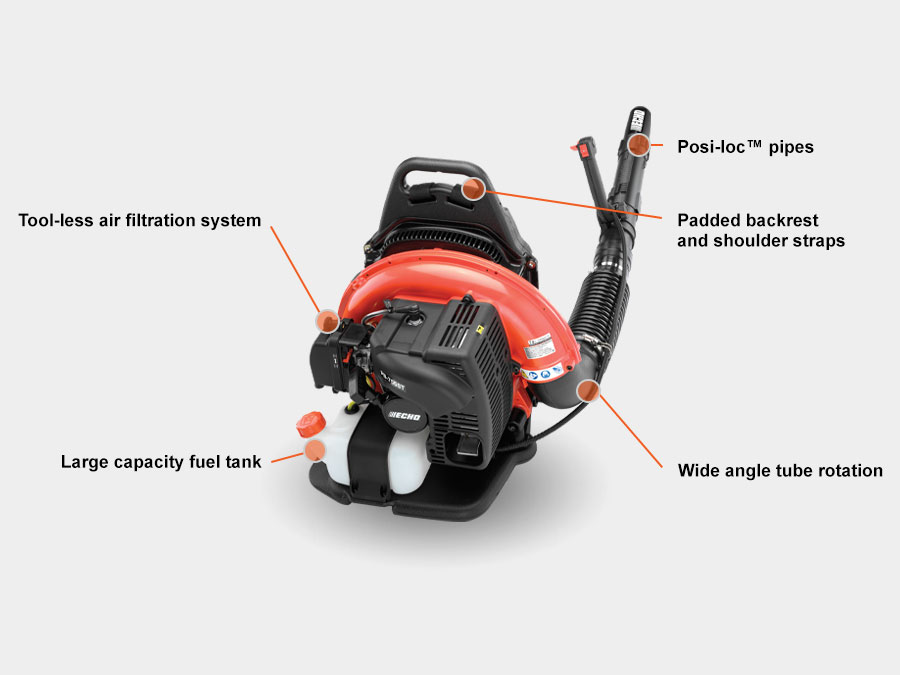
Identify your blower type first; the starting procedure is different for each.
Source: echo-usa.com
How to Turn On a Corded Electric Leaf Blower
Corded electric blowers are the easiest to start. There is no choke, no primer, and no pull cord. The entire procedure comes down to plugging in and flipping a switch. If you're dealing with a stubborn unit, the problem is almost always the power supply. You can also read our guide on how to turn off a leaf blower.
Follow these steps for a smooth start:
- Set the switch: Confirm the power switch is set to OFF and the speed dial, if there is one, is on the lowest setting.
- Check the extension cord: Use an outdoor-rated cord. For a standard 12-amp blower, a 14-gauge cord is sufficient for runs up to 50 feet. For longer runs, step down to a 12-gauge cord to prevent voltage drop. Plug into a GFCI-protected outlet for safety.
- Connect the cord: Plug the cord into the blower first. If your blower has a cord retainer, use it. This simple loop prevents the cord from being pulled out mid-job.
- Power on: Hold the blower firmly with one hand on the handle. Slide the switch to the ON position or squeeze the trigger.
- Adjust speed: Slowly increase the speed with the dial or trigger as you get a feel for the blower's power.
As a field tip, keep the extension cord draped over your shoulder and behind you as you work. This keeps it out of your path and reduces the risk of running it over or tripping.
How to Turn On a Cordless Battery Leaf Blower
Cordless blowers are incredibly convenient, but they depend entirely on the battery. A flat or improperly seated battery is the most frequent reason a battery blower won't start. The process is straightforward once you understand the safety interlocks.
Here is the simple path to get running:
- Charging the battery: Start with a fully charged battery. A partially charged pack can cause intermittent starts or a weak airflow that makes the blower seem broken.
- Insert the battery: Slide the battery into the handle until you hear a distinct click. Give it a gentle tug to confirm it's locked into place. A loose battery is a common cause of connection issues.
- Disengage the lock-off: Most models have a safety lock-off button located above or beside the trigger. You must press this button, or slide it, to disengage it before the trigger can be pulled.
- Press the trigger: With the lock-off disengaged, squeeze the trigger to start the airflow. Many models have a turbo boost button for maximum power, but use it sparingly—it drains the battery significantly faster.
- Stopping the blower: Release the trigger. For storage, remove the battery from the blower to prevent any accidental activation or slow discharge.
In practice, it helps to label your battery packs and rotate their use. This evens out wear and prevents the surprise of a dead pack mid-job. We have a full guide on the best cordless options for home use if you're thinking about a new model.
How to Turn On a Gas 2-Stroke Leaf Blower
Gas 2-stroke blowers are the workhorses of the industry. They offer the best power-to-weight ratio, but they demand a precise starting ritual. The key is understanding the choke and primer bulb—these are your tools for delivering the right fuel-air mixture to a cold engine.
Cold Start (Engine Cold)
A cold engine needs a rich fuel mixture to fire up. Follow this sequence every time:
- Verify fuel: Ensure the tank has fresh pre-mixed fuel at the correct ratio (usually 50:1). Using old or improperly mixed fuel is the #1 cause of starting failure.
- Set the switch: Move the on/off switch to the ON position.
- Prime: Press the primer bulb 5 to 10 times, or until you see fuel moving through the clear fuel line. You're aiming for a firm bulb free of large air bubbles.
- Set the choke: Move the choke lever to the FULL CHOKE or START position.
- Set the throttle: If your blower has a throttle latch, engage it. If not, hold the throttle trigger slightly open.
- Pull the starter: Pull the starter rope in short, brisk pulls until you hear the engine cough or sputter. This can take 3 to 5 pulls.
- Move the choke to HALF: Move the choke lever to the HALF CHOKE position.
- Pull again: Give the rope 1 or 2 more pulls. The engine should fire and start running.
- Warm up: Let it run at half choke for 15 to 30 seconds. Then, move the choke lever fully to the RUN position.
Warm Start
When the engine is already warm, you don't need the full choke ritual.
- Set the on/off switch to ON.
- Move the choke lever to the RUN position.
- Give the rope 1 to 3 pulls with slight throttle. It should start on the first or second pull.
Flooded Engine
If you've over-primed or pulled too many times, the engine will flood.
- Move the choke lever to the RUN (open) position.
- Hold the throttle trigger at full throttle.
- Pull the starter rope 8 to 10 times. This clears the excess fuel from the cylinder, and it should eventually fire up.
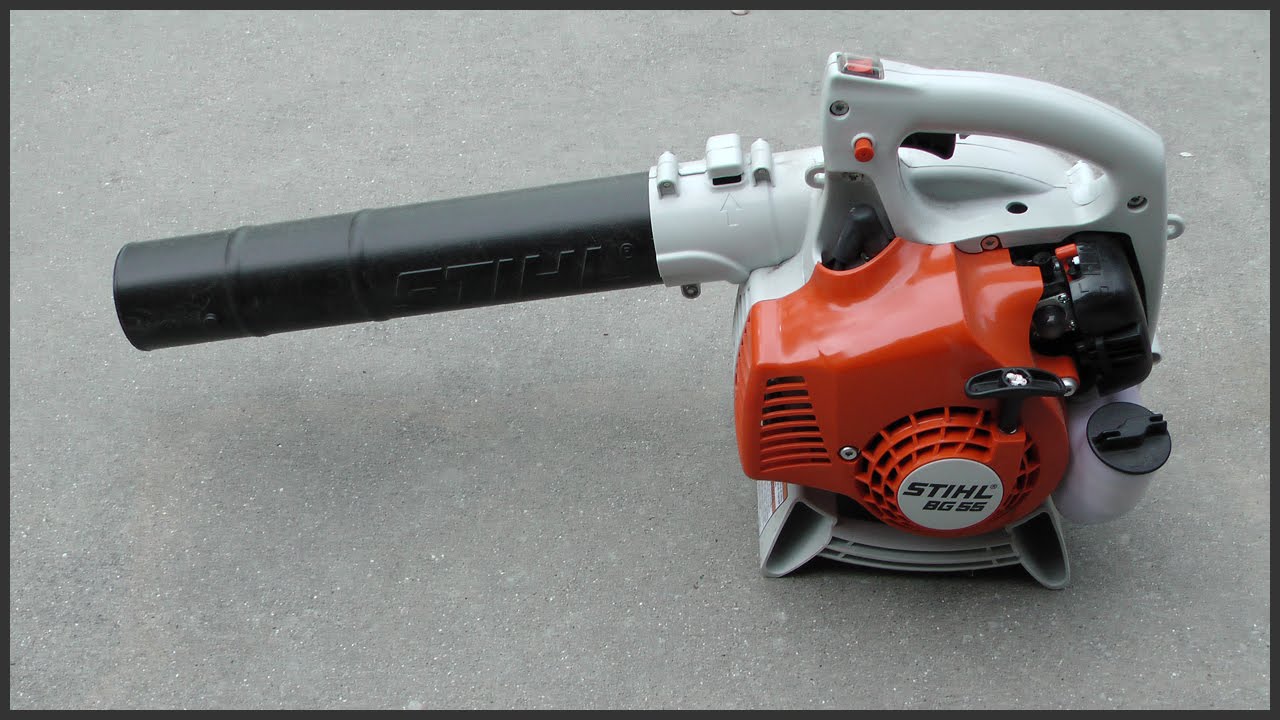
Press the primer bulb until firm, then set the choke to full to start a cold 2-stroke engine.
Source: youtube.com
A common mistake is over-priming. The primer bulb is not a fuel pump; it's a delivery system. Once it's firm, stop pressing. More presses just increase the chance of a flood.
How to Turn On a Gas 4-Stroke or Backpack Leaf Blower
4-stroke blowers are becoming more common, especially in backpack models. They're quieter and run on straight gasoline, which simplifies fueling. However, they have an extra critical check: the oil level. Starting a 4-stroke with low oil is a quick way to cause expensive engine damage.
Before You Start
- Check the oil: With the blower on level ground, check the engine oil level using the dipstick. The oil should be at the full mark. Some models have a low-oil sensor that will prevent starting to protect the engine.
- Check the fuel: Ensure the tank has fresh, regular unleaded gasoline.
- Set the switch: Turn the on/off switch to ON.
- Decompression button: If your model has one, press the decompression button before pulling the cord. This relieves cylinder pressure and makes the cord much easier to pull.
Cold Start
- Press the primer bulb, if equipped, 5-10 times.
- Move the choke lever to the FULL CHOKE position.
- Pull the starter rope until the engine pops or attempts to start.
- Move the choke to the HALF position.
- Pull the rope again. The engine should start.
- Warm it up for 30 to 60 seconds at half choke before moving to the RUN position.
Backpack Blower Specifics
- Harness first: A backpack blower is heavy. Put the harness on and adjust the straps before you even think about starting. A properly adjusted harness transfers the weight to your hips and makes the blower easier to control.
- Idle lock: Many backpack blowers have a throttle lock or idle control. Engage this to set a consistent idle speed, which makes starting easier.
- Throttle positioning: When starting, hold the throttle trigger slightly open to assist with the initial fire.
In a shop setting, a low oil reading is one of the first things we check when a 4-stroke comes in for repairs. Always check the oil level with the unit sitting flat on the ground, not leaning on its side or held in your hands, to get an accurate reading.
Cold Starts, Warm Starts, and Flooded Engines: Understanding the Difference
The difference between a successful start and a 20-minute wrestling match comes down to your approach to choke and primer. Here's a simple breakdown of why your starting technique must change based on the engine's temperature.
- Cold Start: This requires the most effort. The engine needs a richer fuel-air mix, which is what the choke does. More primes and a full choke position are necessary to get the first ignition.
- Warm Start: The engine is hot and the fuel vaporizes easily. You don't need the choke. A few pulls with the choke in the RUN position is all it takes.
- Flooded Engine: This is a state of excess. You've put too much fuel in the cylinder. To fix it, you need to stop adding fuel (choke open) and use full throttle to push air through the system and clear the excess.
The science is simple: the choke restricts air to create a richer mixture. The primer bulb injects liquid fuel. Warming up the engine allows the fuel to atomize properly in the warm cylinder head. Knowing this helps you react logically to a stubborn engine instead of just pulling the cord repeatedly. For more advanced engine maintenance, understanding the basics of lawn mower battery life can be helpful as many blowers share similar technology.

Adjust your start technique—choke and priming—based on whether the engine is cold, warm, or flooded.
Source: youtube.com
Quick Troubleshooting: Why Your Leaf Blower Won't Start
So, you've followed the steps and nothing. Don't despair. Most starting problems have a quick fix. Here's a fast, type-specific checklist to run through.
Corded Electric Troubleshooting
- Check the outlet: Is it live? Test it with another device. Reset the GFCI outlet if it has tripped.
- Check the cord gauge: An undersized extension cord causes a voltage drop, which can prevent the motor from spinning up. Use a 14-gauge cord or heavier.
- Inspect the switch: A faulty switch can interrupt power. Look for any obvious debris or damage.
Cordless Battery Troubleshooting
- Battery contact: Is the battery fully clicked into place? Are the metal contacts on the battery and blower clean and free of dirt? Clean them with a dry cloth if they are dirty.
- Battery temperature: Many lithium-ion batteries have a thermal cutoff. If the battery is overly hot from charging or heavy use, let it cool down for 15-20 minutes to reset it.
- Charge level: The battery may appear charged, but the charge could be too low to provide sufficient power. Put it back on the charger.
Gas Engine Troubleshooting
The vast majority of gas starting issues come down to the three F's: Fuel, Fire, and Air. Check these in order.
- Fuel Freshness: Gas with ethanol absorbs water and goes stale in as little as 30 days. The fuel should be fresh and the mix ratio correct for 2-strokes. Using old fuel is the most common issue we see.
- Spark Plug: Is the spark plug clean and snug? Check the gap. A fouled or wet plug won't fire. Remove it, clean it, or replace it.
- Air Filter: A clogged air filter chokes the engine. Remove it and tap it on a hard surface to clear dirt. If it's saturated with oil, clean or replace it.
If you've checked all of the above and the engine still won't fire, the spark arrestor screen on the muffler may be clogged with carbon. This is a less common but known issue that restricts exhaust flow.

For gas blowers, check fuel, spark plug, and air filter in that order if it won't start.
Source: blogspot.com
From a repair standpoint, the majority of hard-start gas units have a single root cause: stale fuel gumming up the tiny jets in the carburetor. Fresh mix and a clean filter solve most of these issues before you even need to touch the carburetor.
Pro Tips, Maintenance, and Mistakes to Avoid
Mastering the start is the first step. Keeping the blower in top condition is what ensures it starts reliably for years. Here are the habits we recommend to every owner.
Pro Maintenance Habits
- Fuel management: Use fresh, ethanol-free fuel when you can. It's much kinder to small engines. For any gas blower, never store fuel for more than 30 days. Before long-term storage (over winter), drain the carburetor or run it dry, or use a fuel stabilizer.
- Consumable parts: Keep a spare spark plug and air filter on hand. They are cheap and easy to replace, and they solve a surprising number of problems.
- Battery care: For cordless models, storing the battery at about 60% charge in a cool, dry place extends its lifespan. Avoid storing it fully depleted or fully charged in extreme heat.
Common Mistakes to Avoid
- Straight gas in a 2-stroke: This is a catastrophic engine failure waiting to happen. The piston will seize without the lubricating oil. It's a mistake that immediately destroys the engine.
- Over-priming the bulb: More fuel is not better. It will only flood the engine, making it harder to start.
- Starting at full throttle on a cold engine: This puts unnecessary stress on the engine and can cause a violent start. Always warm the engine at idle.
- Using indoor extension cords: They are not rated for outdoor moisture and can be a fire hazard. Use only outdoor-rated cords.
For routine maintenance on your other tools, check our guides on getting sharp tools and keeping your lawn healthy. A simple habit of starting at low speed and ramping up will control debris better and keep dust down on a job.
Frequently Asked Questions
Why won't my leaf blower start after winter storage?
The batteries are dead, or the gas is stale. For gas models, you need to drain the old fuel and replace it with fresh mix. A clogged carburetor from old fuel is the most common culprit. For battery models, charge the pack fully and check the contacts.
How many times should I press the primer bulb?
Press until the bulb is firm and fuel is visible in the clear return line. This is usually 5-10 presses. Stop pressing when you see the fuel; you don't want to overfill.
Can I start a blower without using the choke?
Yes, for a warm engine. A cold engine needs the choke to enrich the fuel mixture for startup. Without it, it will likely flood or just spin over without firing.
What fuel mix do most 2-stroke blowers use?
The industry standard is a 50:1 ratio, which is about 2.6 ounces of 2-stroke oil per gallon of gasoline. However, this is not universal. Always, without exception, confirm the exact ratio in your owner's manual.
Why does my battery blower start then shut off?
This is typically caused by low battery voltage, or a hot battery hitting its thermal cutoff. Let the pack cool down, charge it fully, and try again. Dirty battery contacts can also cause this.
Do I need to hold the trigger while starting?
For a cold start on a gas blower, you often need to hold the throttle slightly open or use a throttle latch. For battery blowers, you just pull the trigger. Check your model's manual for its specific idle control settings.
Conclusion
You now have the complete playbook for starting any leaf blower type. The core principles are simple: safety checks first, then correct fuel or power, and the right starting technique for that specific engine or motor. With fresh fuel, a charged battery, and a clean filter, most blowers fire up on the first or second pull. If you run into trouble, remember the order of operations—fuel, fire, air—and you'll diagnose it faster.
Put these steps into practice on your next yard cleanup. Keeping your lawn healthy and clean starts with the proper tools and their upkeep. If you're in the market for a new model or just looking to upgrade, do your research on what will best fit your yard size and your patience level for maintenance.