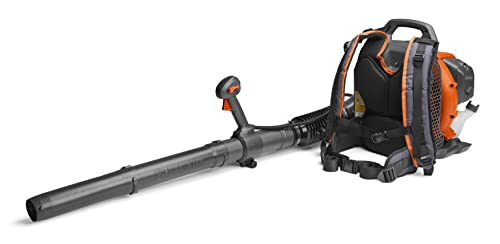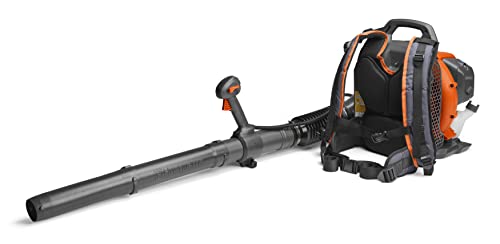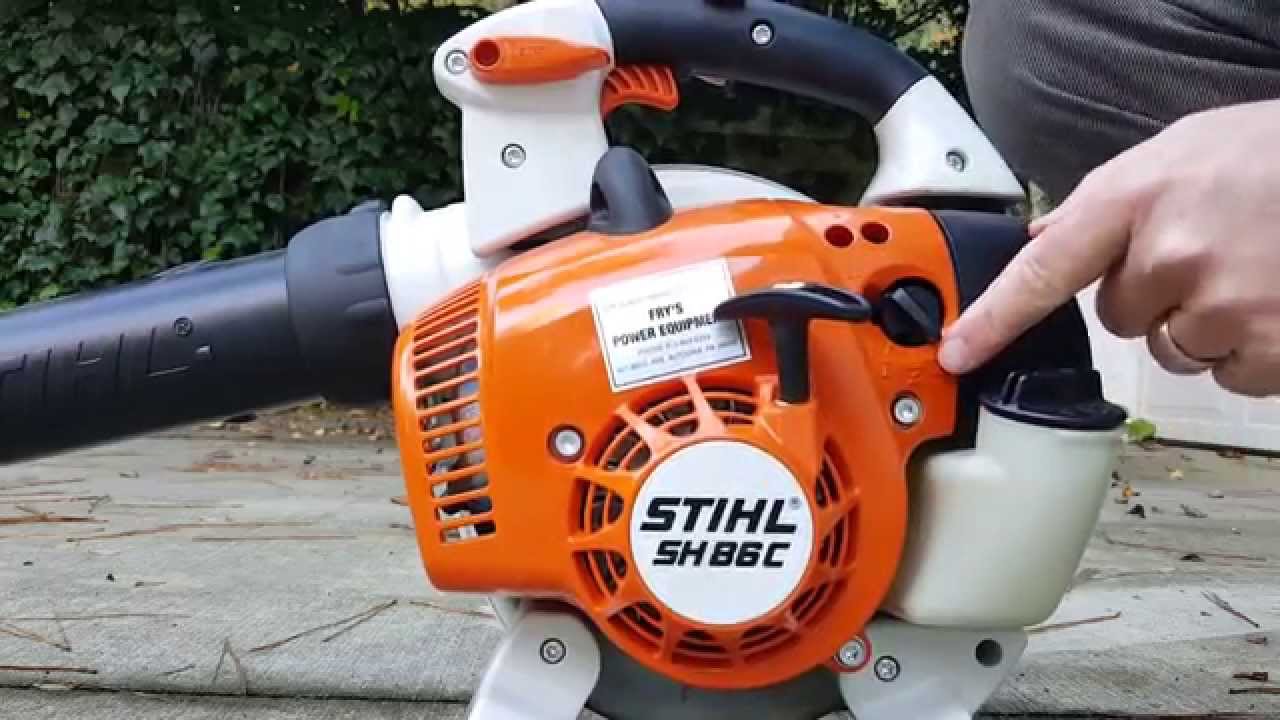
For Stihl blowers: Switch to Run, choke cold, prime, pull rope, open choke.
You want a blower that fires up fast and runs smooth. This guide shows how to start Stihl blower models the right way, with clear steps and pro tips. I have started hundreds of Stihl blowers in shops and on job sites. I will teach you what works, what to avoid, and how to fix common start issues. Read on to master how to start Stihl blower in minutes.
Safety and Prep Checklist
Starting a blower is simple. Doing it safe keeps you out of trouble. Before you learn how to start Stihl blower, run this quick check.
- Wear eye and ear protection. Gloves help with grip.
- Move to open ground. Keep kids and pets away.
- Check the nozzle and intake. Clear leaves and debris.
- Set the blower on flat ground. For backpacks, set it near your feet.
- Inspect fuel lines and tank. Look for leaks or cracks.
- Confirm fresh fuel mix. Do not use old gas.
In my shop, most no-start calls come from bad fuel. New fuel fixes many problems before they start.
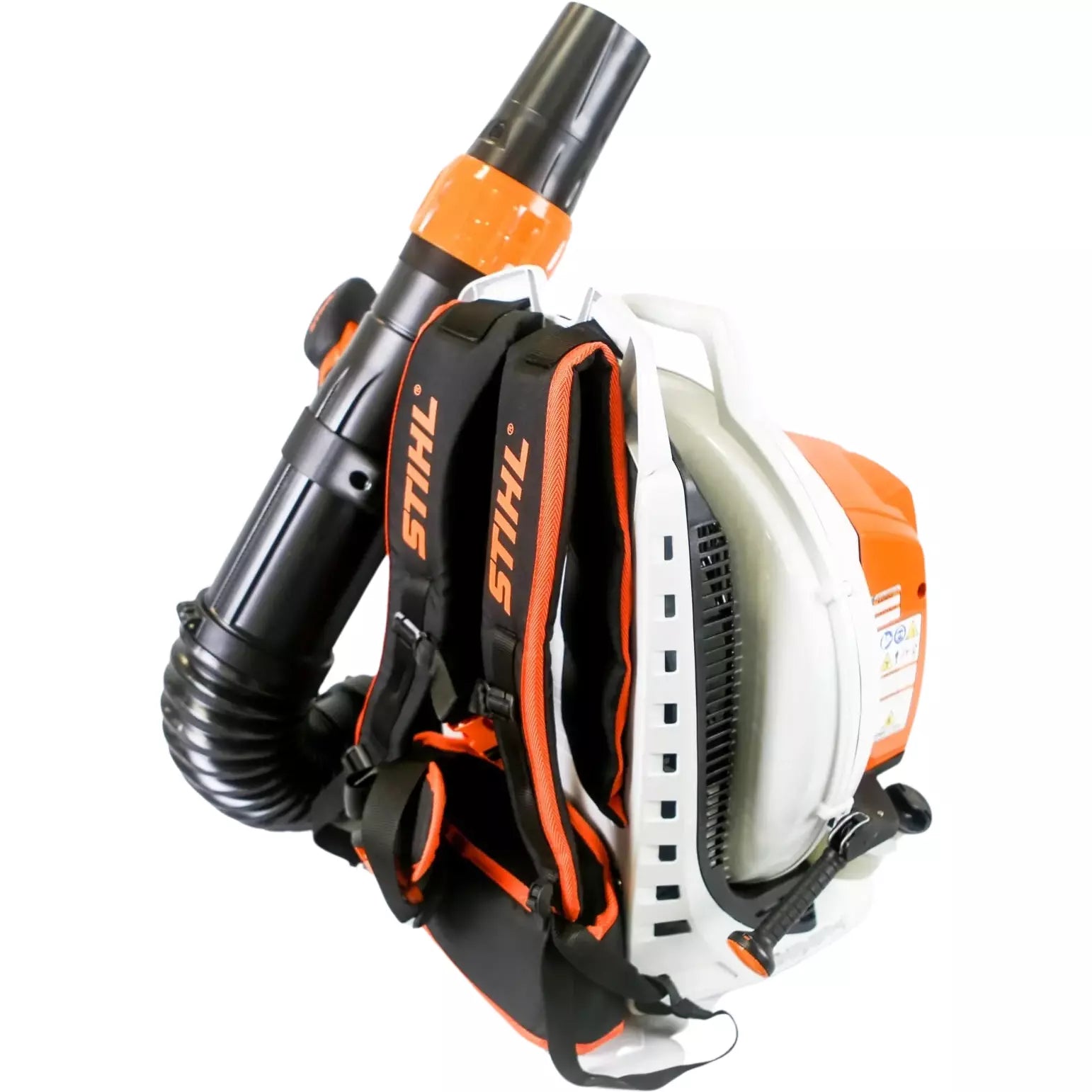
Know Your Stihl Blower: Controls and Types
You will start faster when you know the parts. Most gas Stihl blowers have similar controls.
- Stop switch. Set to Run or I.
- Choke lever. Use for cold starts.
- Primer bulb. Press until fuel moves.
- Throttle trigger and lock. Many models have a fast idle latch.
- Starter grip. Pull in short, smooth moves.
- Decompression button. Some backpack units have this.
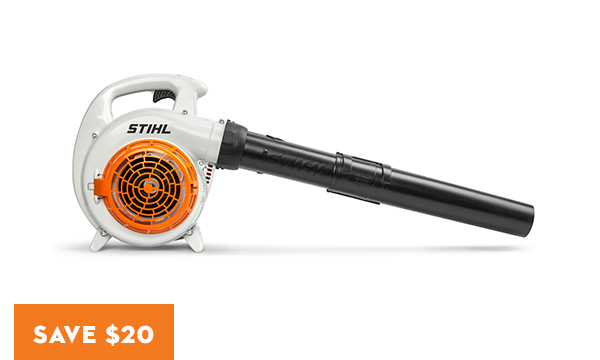
There are types of Stihl blowers.
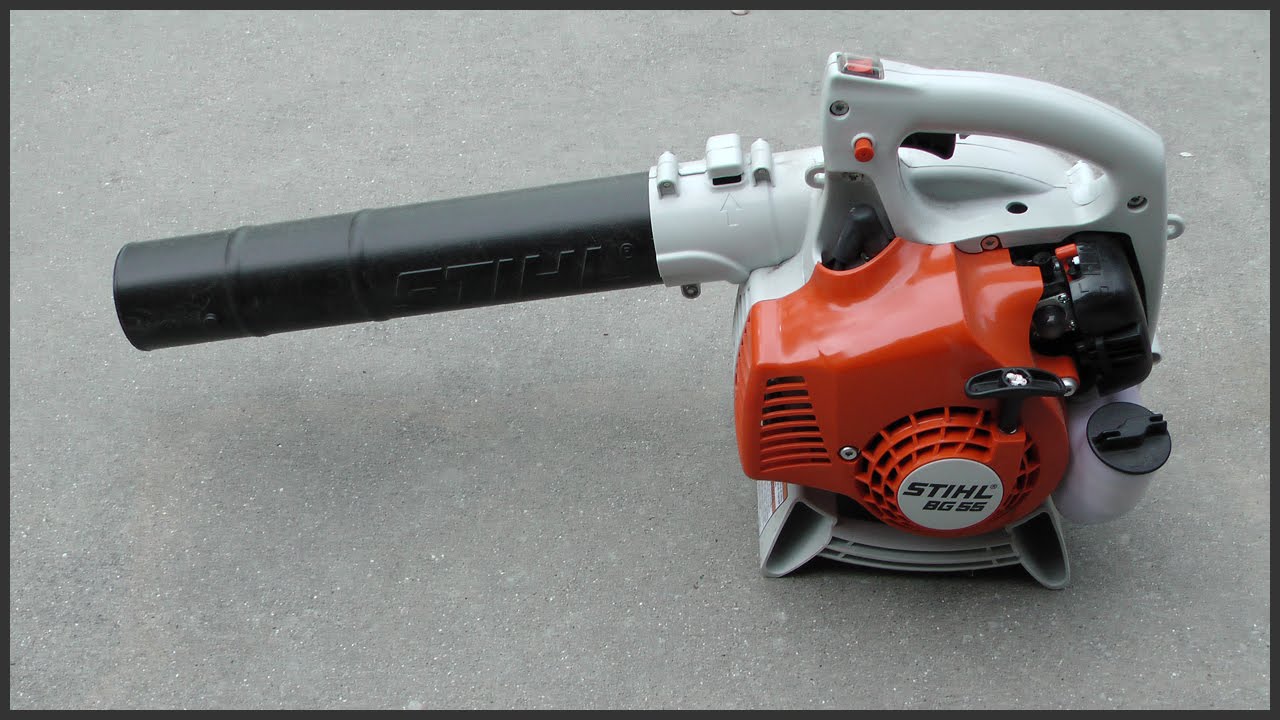
- Handheld gas blowers. Light and quick to start.
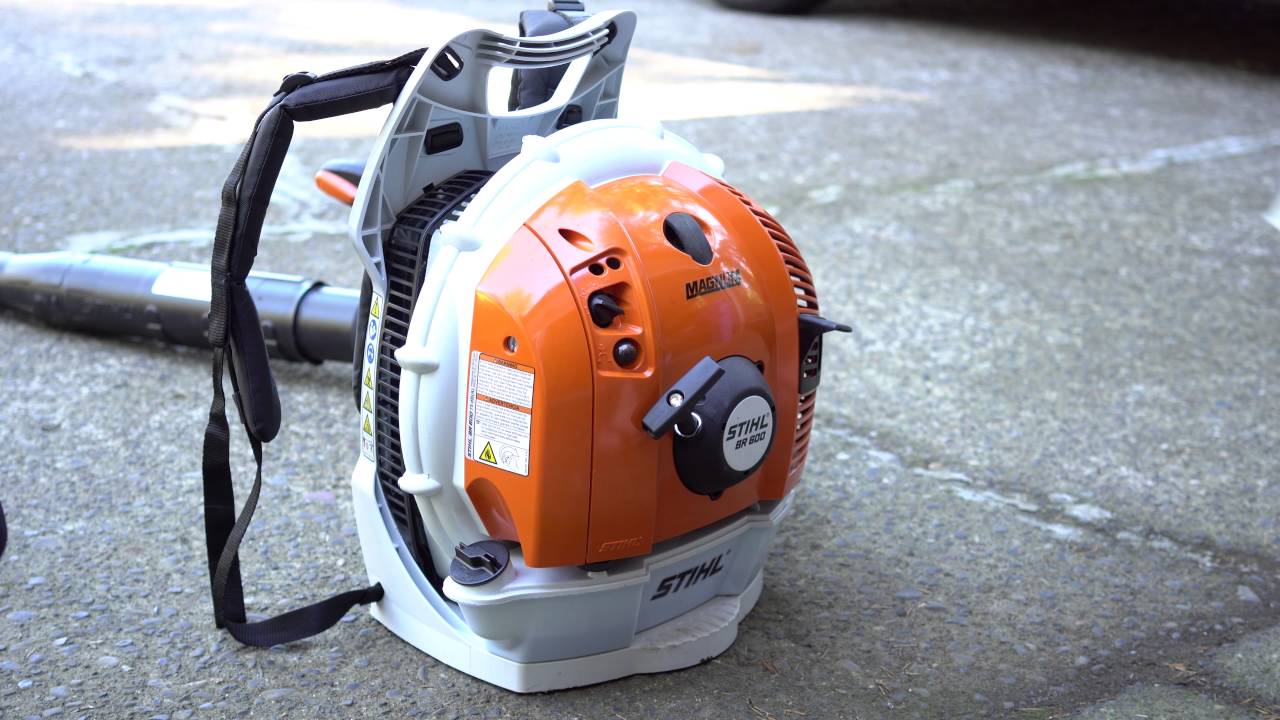
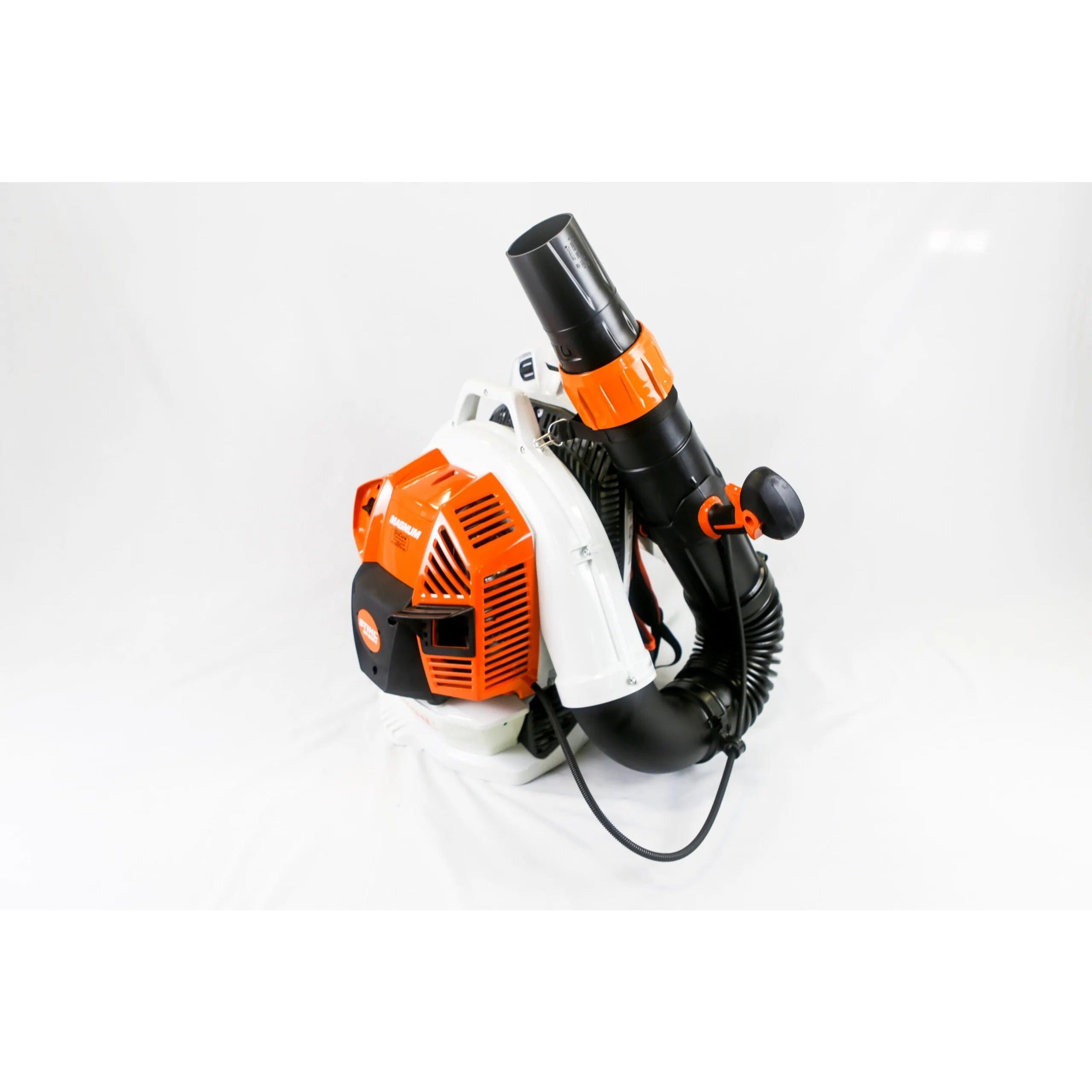
- Backpack gas blowers. More power and a throttle on the tube or handle.
- Battery blowers. Simple start. No fuel mix.
- Corded blowers. Plug in and press the lockout and trigger.
Knowing which model you have makes how to start Stihl blower easy and fast.

Step-by-Step: How to Start Stihl Blower (Gas, Cold Start)
Use this for most handheld and backpack gas models.
- Prep the unit
- Set stop switch to Run.
- Set choke to Cold.
- Press the primer bulb 5 to 8 times until you see fuel.
- Set the throttle
- Engage the throttle lock or fast idle if your model has one.
- Do not squeeze the trigger on some models until after it fires.
- Stable stance
- Place the blower on the ground.
- For handheld, hold the handle with one hand and the housing with your foot.
- For backpack, place your foot on the frame.
- Pull to first fire
- Pull the starter grip with short, brisk pulls.
- When you hear a “pop” or a brief start and stop, move the choke to Half or Run, as your model shows.
- Start and settle
- Pull again until the engine starts and runs.
- Tap the throttle to release fast idle.
- Let it warm for 30 to 60 seconds.
This is the core of how to start Stihl blower for gas units. Keep the pulls smooth. Do not yank to full rope length.
Pro tip: If your model has a decompression valve, press it before each pull. It resets each time.
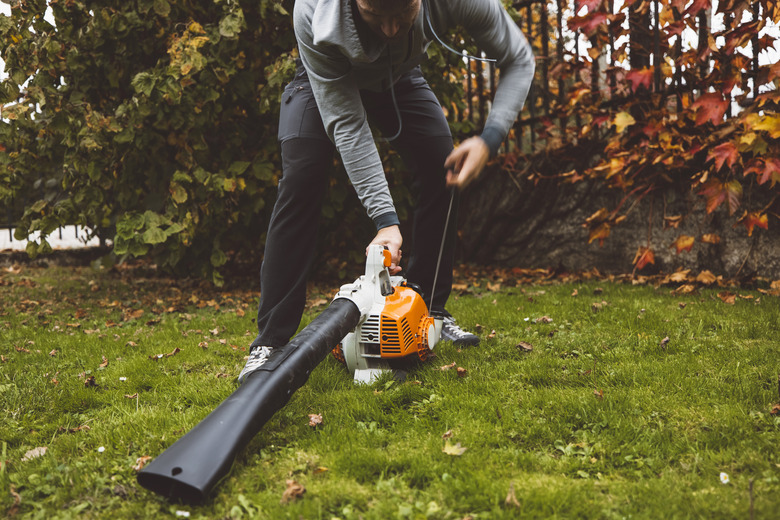
Warm Start and Flooded Engine Recovery
Engines that ran in the last 10 to 20 minutes start a bit different. Here is how to start Stihl blower when warm.
- Set stop switch to Run.
- Leave choke to Run.
- Prime 1 to 2 times or not at all. Many warm engines do not need priming.
- Pull 1 to 3 times. It should start fast.
If you flood the engine, it smells of fuel and will not fire. Try this.
- Move choke to Run.
- Hold full throttle if your model allows while starting.
- Pull 5 to 10 times. The extra air will clear fuel.
- Let it start, then ease off the throttle.
If it still will not start, remove the spark plug. Dry it. Pull the rope a few times to clear the cylinder. Refit the plug and try again.
Learning these two cases is key to how to start Stihl blower every time.
How to Start Stihl Blower (Battery and Corded)
Battery Stihl blowers are simple.
- Insert a charged battery until it clicks.
- Set the speed selector if present.
- Press the lockout and squeeze the trigger.
Corded Stihl blowers are also easy.
- Use a heavy duty outdoor cord.
- Plug in at the blower and outlet.
- Engage the lockout and squeeze the trigger.
This is the fastest version of how to start Stihl blower. No fuel. No choke. Just power and go.
Common Mistakes and Fast Fixes
These are the issues I see most in the field. They often block how to start Stihl blower.
-
Old fuel mix
Use fresh gas. A 50:1 mix with Stihl two cycle oil is standard. Replace fuel older than 30 days. -
Too much choke
If it sputters then dies with smoke, you likely left the choke on too long. Move to Run sooner after the first pop. -
Weak prime
Press the primer until you see fuel. Too few presses make cold starts hard. -
Dirty air filter
A clogged filter makes it rich. Clean or replace as needed. -
Spark arrestor screen
A dirty screen in the muffler can choke power. Clean with a brush when cool. -
Wrong start stance
Do not hold the unit in the air while pulling. Set it on the ground for control.
These quick checks solve most how to start Stihl blower issues without tools.

Fuel, Mix, and Routine Care That Improve Starting
Good fuel and care make starts easy.
- Use fresh gas with the right oil at 50:1, unless your manual says different.
- Buy fuel in small amounts. Rotate often.
- Store fuel in approved cans. Keep out of sun.
- After season use, add a fuel stabilizer or drain the tank and run it dry.
- Check and clean the air filter. Replace when worn.
- Inspect and replace the spark plug as the manual states.
- Tighten loose screws, tube clamps, and straps.
With this care, how to start Stihl blower is simple next season too. It saves time and money.
Performance and Ergonomics Tips
Small tweaks make a big change in feel and start speed.
- Adjust backpack straps so the weight sits high on your hips.
- Aim the tube low at first to avoid flying debris at your feet.
- Use short pulls to save your shoulder. Speed, not force, starts engines.
- Warm up the engine at idle before full power.
- Keep a steady hand on the nozzle to control airflow.
Practice these steps as you learn how to start Stihl blower. Your starts get faster. Your work gets easier.
Safety and Operating Best Practices
Safety gives you confidence and speed.
- Never start indoors. Exhaust is toxic.
- Keep hair, hoodie strings, and loose clothes clear of the intake.
- Point the nozzle away from people and pets at start.
- Do not refuel a hot engine. Let it cool first.
- Follow your local rules for blower use and noise times.
Clear habits like these support how to start Stihl blower the safe way.
Frequently Asked Questions of how to start stihl blower
Why does my new Stihl blower not start out of the box?
Most new units ship dry. Add fresh 50:1 fuel mix. Prime until fuel moves, then follow the cold start steps.
How many times should I press the primer bulb?
Press 5 to 8 times for a cold start. For a warm start, 0 to 2 presses is often enough.
What if the starter rope is hard to pull?
Make sure the stop switch is on Run and the choke is set right. Check for debris in the fan area and press the decompression valve if present.
Can bad fuel stop the blower from starting?
Yes. Old or wrong mix fuel is the top cause of no-start. Drain and refill with fresh 50:1 mix, then try again.
How do I know if I flooded the engine?
You will smell fuel and the plug may be wet. Set choke to Run, hold full throttle, and pull several times to clear it.
Do battery Stihl blowers need any special start steps?
No. Insert a charged battery, press the lockout, and pull the trigger. Keep the battery contacts clean for best results.
Why does my blower start then die?
Often the choke stayed on or the air filter is dirty. Move the choke to Run after the first pop and check the filter.
Conclusion
You now know how to start Stihl blower in cold, warm, and tricky cases. You can clear floods, pick the right fuel, and avoid common mistakes. With a safe stance and simple care, your blower will start fast and run strong.
Put these steps to work today. Practice them once or twice and you will start like a pro. Want more tips and model guides? Subscribe, share your questions, or leave a comment with your blower model and we will help.