How To Start Stihl Leaf Blower BG 86

How To Start Stihl Leaf Blower BG 86: Quick Start 2026

Starting a Stihl BG 86 leaf blower should take less than 30 seconds once you know the sequence. The secret isn't strength—it's following the correct order: prime, choke, pull to a pop, then open the choke and pull again.

I've started and serviced countless handheld blowers over years of fall cleanup work. The BG 86 is a reliable machine, but it has specific habits you need to understand. This guide walks you through the exact starting procedure, the right fuel mix, common troubleshooting fixes, and seasonal maintenance that keeps first pulls easy. You can also read our guide on how to choose the right garden hose length.

Let's get your blower running without the frustration.


Why the BG 86 Won't Start on the First Pull (Usually)

Before we dive into the steps, it helps to understand what's happening inside the engine. The BG 86 is a two-stroke engine, which means it needs three things simultaneously: fuel, air, and spark. If any of these are compromised—stale gas, a clogged air filter, or a worn spark plug—your start sequence will fail.

Most starting problems trace back to one of three issues:

  • Old fuel left in the tank for more than 30 days
  • Flooding from over-priming or leaving the choke closed too long
  • A dirty air filter that starves the engine of oxygen

When you understand how these factors interact, the starting procedure makes sense instead of feeling like guesswork.

Safety and Setup

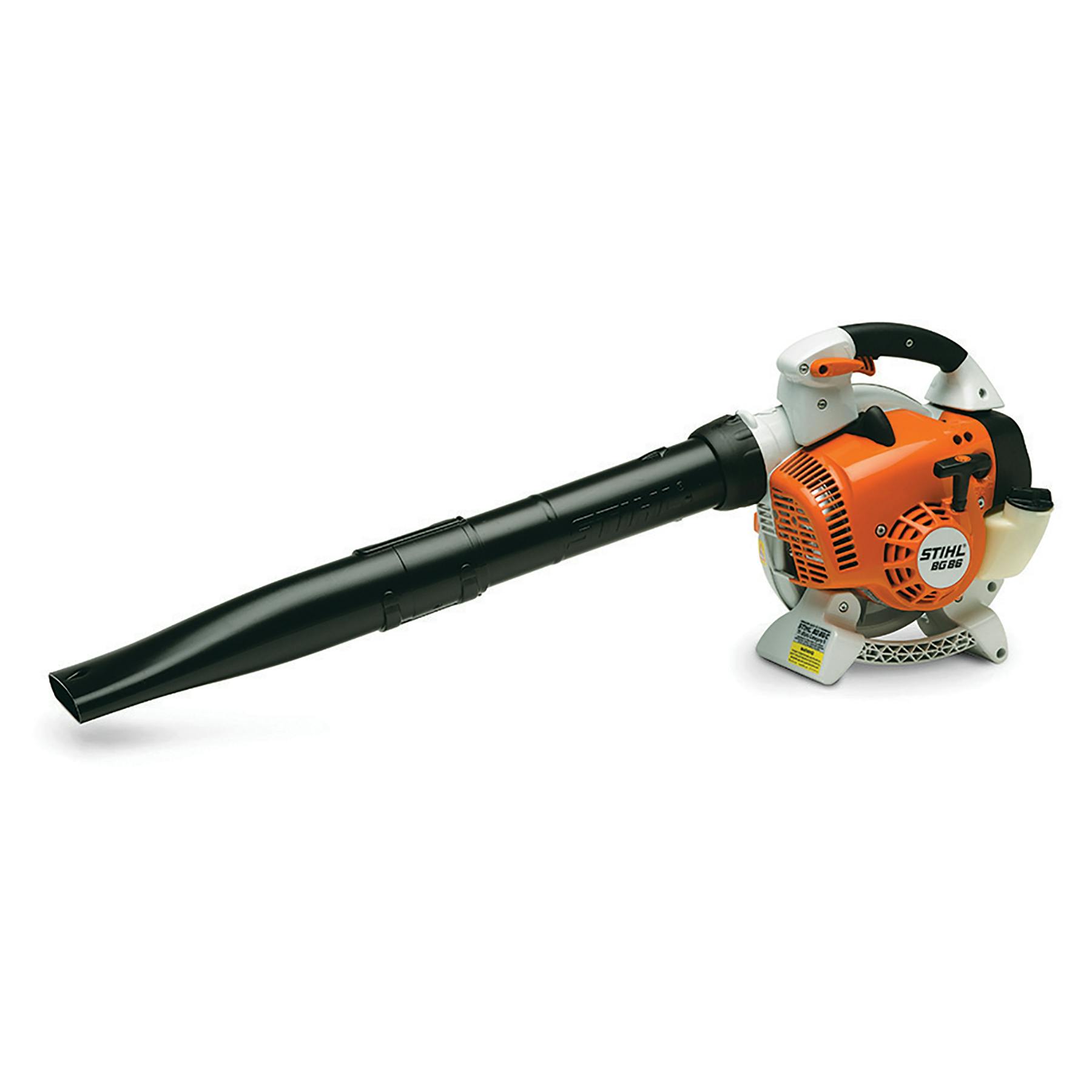
The BG 86 on a flat, stable surface—always prepare your workspace before pulling the starter rope.

Image source: stihlusa.com


Safety First: Pre-Start Checklist

A calm start begins with good setup. Take 60 seconds before you pull the cord, and you'll avoid most problems.

Position the blower on flat ground. This prevents fuel from sloshing and ensures the carburetor gets a consistent supply. Never start the blower on your lap, on a table, or while holding it at an awkward angle.

Clear your workspace. Move kids, pets, and loose debris away from the area. The blower's intake can suck up small objects, and the exhaust is hot enough to cause burns.

Wear the right gear. Eye protection is non-negotiable—debris can blast back at you. Ear protection matters too, since the BG 86 runs around 70 decibels at full throttle. Gloves improve your grip on the starter handle, especially in humid weather.

Do a quick visual inspection:

  • Confirm the spark plug boot is pushed firmly onto the plug
  • Check that the air filter cover is secure
  • Make sure the blower tube is attached and clear of obstructions
  • Verify the stop switch is in the "run" position (not pressed down)

These small checks take seconds but prevent most nuisance problems.

Know Your BG 86 Controls

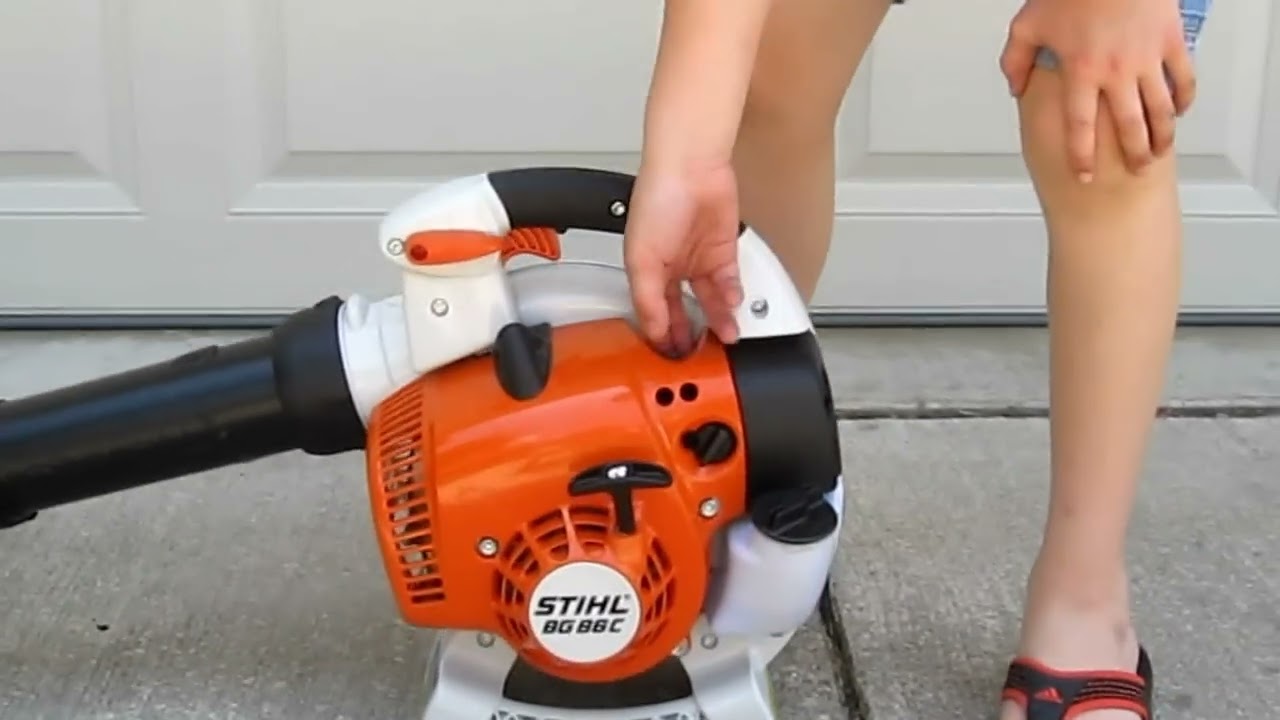
The BG 86 control layout: choke lever, purge bulb, and starter grip are all within easy reach.

Image source: youtube.com


Know Your BG 86 Controls

The BG 86 has a straightforward control layout, but each piece serves a specific purpose. Here's what you're working with:

  • Purge bulb (primer): This clear rubber bulb pushes fuel directly into the carburetor. Pressing it removes air bubbles from the fuel line.
  • Choke lever: This closes off the air intake to create a richer fuel mixture for cold starts. It has two positions: closed (for cold engines) and open (for running).
  • Throttle trigger and lockout: The lockout is a safety mechanism—you must press it before the trigger will move.
  • Starter grip: The rope handle you pull to crank the engine.
  • Stop switch: A momentary switch that kills the engine when pressed. It returns to the "run" position automatically on most models.

Some BG 86 variants include a master control lever that combines the choke and stop switch into one unit. If your model has this, the lever positions are typically: stop, run, start (choke closed), and half-throttle.

Take a moment to locate each control before you start. When you know exactly where everything is, the start sequence flows naturally.


Fuel and Mix That Work: 50:1 Explained

The #1 cause of BG 86 starting problems is old or incorrectly mixed fuel. This engine runs on a 50:1 ratio of gasoline to two-stroke oil.

That means 2.6 fluid ounces of oil for every 1 gallon of gas.

Use a high-quality two-stroke oil designed for air-cooled engines. Stihl sells its own HP Ultra oil, but any reputable brand with the JASO FD or ISO L-EGD rating works well.

Choose gasoline with no more than 10% ethanol. Higher ethanol blends attract moisture and break down fuel lines and carburetor diaphragms over time. If you can find ethanol-free fuel at a local station, that's ideal for small engines.

Fuel freshness matters more than most people realize. Gasoline begins degrading within 30 days. After 60 days, it can leave varnish deposits that clog the tiny passages inside your carburetor. If your blower has been sitting for more than a month, drain the tank and refill with fresh mix.

If you're unsure about the mixing process or want to avoid the hassle entirely, consider this helpful guide on mixing oil and gas correctly for your leaf blower.

Pro tip: Add a fuel stabilizer to your mix can whenever you fill it. This extends usable fuel life to about 3 months and helps prevent carburetor gumming.

Fuel and Mix That Work

The BG 86C model with its fuel tank and purge bulb clearly visible.

Image source: procorepower.com


How To Start Stihl Leaf Blower BG 86: Cold Start Steps

Here's the exact procedure for starting a cold BG 86. Follow this order every time and skip nothing.

  1. Set the blower flat on the ground. Make sure the nozzle is pointing away from you and any loose debris.

  2. Press the purge bulb 5 to 7 times. You should see fuel moving through the bulb and settling in it. If the bulb doesn't fill, you have a fuel delivery problem—check the lines for cracks or kinks.

  3. Move the choke lever to the closed position. This richens the mixture for cold starting.

  4. Hold the blower firmly with one hand on the housing. Keep your other hand free for the starter grip.

  5. Pull the starter grip slowly until you feel resistance. This engages the recoil mechanism. Then give a fast, sharp pull.

  6. Listen for a "pop" or brief ignition. The engine may fire for a second and then stop. That's exactly what you want.

  7. Immediately move the choke to the open position. This is the step most people forget. Leaving the choke closed after the first fire floods the engine.

  8. Pull the starter grip again. The engine should start within 1 to 3 pulls.

  9. Once running, blip the throttle briefly to settle the idle, then let the engine warm up for 30 to 60 seconds before full throttle operation.

A common mistake is pulling the rope all the way to arm's length. Keep your pulls short and brisk—about shoulder height is plenty. Long, slow pulls just tire you out and don't spin the engine fast enough to generate a spark.

Warm Start Steps

If the engine is already warm from recent use, you don't need the choke.

  • Press the purge bulb 2 or 3 times
  • Leave the choke open
  • Pull 1 to 3 times

The engine should fire on the first or second pull.

If You Flood It

Flooding happens when too much fuel enters the cylinder. The spark plug can't ignite, and the engine won't start.

  • Move the choke to the open position
  • Hold the throttle wide open
  • Pull the starter 6 to 10 times to clear the cylinder

If it still won't start, remove the spark plug, dry it with a clean rag, pull the rope 5 times to clear excess fuel, reinstall the plug, and try with the choke open.

Exact Cold-Start Steps

Demonstrating the correct pulling technique—short, sharp strokes rather than long, tiring ones.

Image source: youtube.com


Troubleshooting When It Will Not Start

Even with the right procedure, things can go wrong. Work through this list from simplest to most complex:

1. Check fuel age. If your fuel is over 30 days old, drain it and refill with fresh 50:1 mix. This fixes more problems than any other single step.

2. Verify the purge bulb fills. Press it several times. The bulb should fill with fuel. If it stays empty or collapses in on itself, you have a fuel line crack or a broken check valve in the carburetor.

3. Inspect the spark plug. Remove it and look at the electrode. It should be light tan or gray. Black, wet carbon indicates flooding. White, chalky deposits indicate a lean condition. Gap the plug to 0.020 inches (0.5 mm) if you have a gauge. Understanding the compression requirements of small engines can also help you diagnose if deeper issues exist.

4. Check the air filter. A clogged filter starves the engine of air. Clean foam filters with warm soapy water and let them dry completely. Replace if they're torn or disintegrating.

5. Clean the exhaust screen. The BG 86 has a spark arrestor screen inside the muffler. When it gets carbon-clogged, the engine becomes increasingly hard to start. Remove the muffler cover and clean the screen with a wire brush.

6. Inspect the fuel lines. Look for cracks, soft spots, or leaks. A hard, brittle fuel line lets air in and prevents fuel from reaching the carburetor.

If the blower starts but dies at idle, the carburetor may need a low-speed adjustment. This requires a special tool and a bit of experience—if you're not comfortable with carburetor work, take it to a qualified small-engine shop.

Troubleshooting When It Will Not Start

Common troubleshooting items: spark plug, air filter, and fuel lines are the usual culprits.

Image source: youtube.com


Maintenance That Makes Starts Easy

The BG 86 is a workhorse, but it rewards regular care. A few minutes of maintenance saves you from frustrating mornings of pulling a rope that won't catch.

Air filter maintenance: Clean the foam air filter every 10 hours of operation in normal conditions, or every 5 hours in dusty environments. A clean filter ensures proper airflow and makes cold starts dramatically easier.

Spark plug replacement: Replace the spark plug every season or every 50 hours of use, whichever comes first. A fresh plug provides a stronger, more reliable spark. Keep the gap at 0.020 inches (0.5 mm).

Fuel system care: Check fuel lines for cracks monthly if you use the blower regularly. Pay special attention to the line connecting the tank to the purge bulb—it's the one that typically fails first.

Recoil assembly: Keep the starter housing clean and free of grass clippings. If the rope becomes frayed or difficult to pull, replace it before it breaks.

Cooling fins: The engine has cooling fins around the cylinder. Keep them free of debris and grass buildup. Overheating machines are hard to start and suffer premature wear.

These maintenance steps align with what you'd do to keep the correct fluid level and engine health in any small power tool. The effort pays off every single pull.

Maintenance That Makes Starts Easy

Regular maintenance—clean air filter and fresh fuel—keeps your BG 86 starting on the first pull.

Image source: stihlusa.com


Storage and Seasonal Startup: Preserving Your Blower Between Uses

How you store the BG 86 between seasons determines how it starts the next time you need it.

Short-Term Storage (Up to 4 Weeks)

Leave fresh fuel in the tank and run the blower for about 5 minutes once a month. This keeps the carburetor passages wet and prevents fuel from evaporating and leaving sticky residue.

Long-Term Storage (More Than a Month)

  • Drain the fuel tank completely
  • Run the engine with the fuel line pulled from the carburetor until it stalls from fuel starvation
  • Remove the spark plug and add a teaspoon of two-stroke oil to the cylinder—pull the rope a few times to coat the walls
  • Reinstall the plug and store the blower in a dry, cool location

At the start of the next season, add fresh fuel, replace the spark plug if it's more than a year old, and follow the normal cold start procedure. A properly stored BG 86 should start within 1 to 3 pulls, even after months of sitting.

If you notice your blower is getting harder to start each season, it might be time to compare it against other equipment in your shed. Our guide on battery versus gas-powered blowers can help you decide which approach fits your needs best.

Storage and Seasonal Startup

Proper storage—drained fuel and a dry location—prevents most seasonal startup problems.

Image source: youtube.com


Expert Tips and Common Mistakes

Over years of using and servicing these blowers, I've learned a few things that make the difference between a quick start and a frustrating 20-minute battle.

Don't over-prime. Five to seven pumps on the purge bulb are enough. More just floods the engine with raw fuel, wetting the spark plug and preventing ignition.

Pull correctly. Short, sharp pulls are more effective than long, dramatic ones. The engine needs rotational speed, not stroke length. Pulling the rope to maximum extension wastes energy and stresses the recoil mechanism.

Open the choke at the first pop. Whether the engine runs or stalls after that initial fire, move the choke to open immediately. A closed choke on a firing engine dumps excess fuel into the cylinder.

Keep the nozzle directed safely. The blower can pick up small stones and shoot them like projectiles. Point the nozzle at open ground, never at people, windows, or vehicles.

Label your fuel can. Write "50:1" on the cap with permanent marker. This prevents the infamous "oops, I mixed it wrong" moment that ruins a day of work.

Use premium two-stroke oil. Cheap oil causes carbon deposits that clog the exhaust screen and reduce performance over time. The difference in cost is negligible compared to the cost of a carburetor rebuild.

For more comprehensive lawn care guidance, including keeping yard tools in good shape, see our advice on maintaining healthy soil as part of the broader picture of yard maintenance.

Expert Tips and Common Mistakes

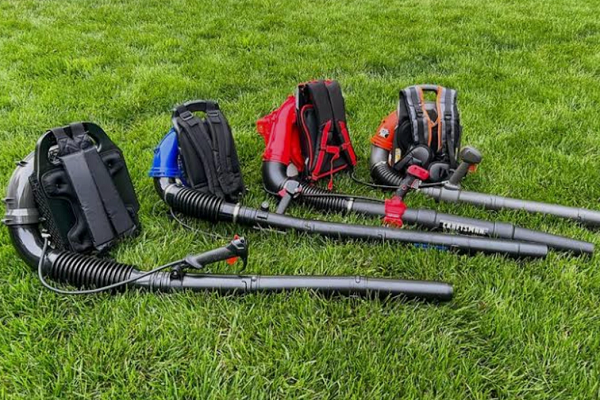
The complete BG 86 setup—knowing your tools and techniques makes fall cleanup significantly easier.

Image source: valleypower.com


Frequently Asked Questions

What is the correct fuel mix for the BG 86?

Use a 50:1 ratio of gasoline to two-stroke oil. That's 2.6 fluid ounces of oil per gallon of gas. Always use fresh fuel and mix thoroughly before filling the tank.

How many times should I press the primer bulb?

Press 5 to 7 times for a cold start. For a warm engine, 2 to 3 presses are sufficient. Stop when you see fuel visible in the bulb.

Do I need the choke every time I start?

No. Use the choke only for cold starts. If the engine warmed up recently (within the last 30 minutes), skip the choke entirely and just prime, pull, and go.

What should I do if my BG 86 is flooded?

Move the choke to open, hold the throttle wide open, and pull the starter rope 6 to 10 times. If it still won't start, remove the spark plug, dry it thoroughly, pull the rope several times to clear the cylinder, then reinstall and try again.

Why does my blower start and then immediately stall?

This usually indicates the choke was closed too long (flooding), or the engine isn't getting consistent fuel due to old fuel or a partially clogged carburetor. Check fuel freshness, clean the air filter, and ensure the fuel lines are in good condition.

How often should I replace the spark plug?

Replace it once per season or every 50 hours of operation. Frequent cold starts or running with a rich mixture can foul plugs faster. A new plug is cheap insurance against starting problems.

Can old fuel stop the blower from starting?

Absolutely. Stale fuel is the #1 cause of no-start conditions in small engines. Gasoline degrades within 30 days, leaving deposits that clog jets and fuel passages. Always drain and refill with fresh mix before troubleshooting anything else.


Final Thoughts: Make Starting Your BG 86 a One-Pull Routine

The Stihl BG 86 is a dependable blower, but it demands the correct starting technique. Keep these fundamentals in mind:

  • Use fresh 50:1 fuel—this single habit solves most starting issues
  • Prime 5–7 times on cold starts, fewer when warm
  • Close the choke for cold starts, then open it at the first pop
  • Pull short and sharp, not long and slow
  • Maintain the basics: clean air filter, fresh plug, clear fuel lines

When you follow these guidelines, starting the BG 86 becomes a 10-second task rather than a frustrating ritual. The blower responds to consistent technique, and once you ingrain the sequence, you'll do it without thinking.

If you found this guide helpful and want to expand your leaf-clearing capabilities, check out our picks for top-rated cordless blowers when you're ready for a backup or alternative tool in your shed.

Get out there, fire up that BG 86, and make quick work of your yard—one confident pull at a time.

Similar Posts

Leave a Reply

Your email address will not be published. Required fields are marked *