Best Leaf Blowers For Home Use: Top Picks For 2026
Every fall, thousands of homeowners rediscover how much time a rake can waste. You start on a Saturday morning, and by lunch you’re still chasing stray leaves out from under bushes. The right leaf blower changes that equation completely. A chore that used to eat an entire weekend becomes a quick morning task.
In 2026, homeowners have three realistic options: battery-powered handhelds, corded electrics, and gas backpack blowers. The best leaf blowers for home use are not necessarily the most powerful. They are the ones that match your yard size, your storage space, and your willingness to perform maintenance. You can also read our guide on best backpack leaf blowers for homeowners.
This guide explains the specs that actually matter, separates real-world performance from marketing numbers, and gives practical recommendations for every type of property.
How to Choose a Leaf Blower: The Numbers That Count
Leaf blower performance comes down to two numbers: CFM and MPH. Many buyers fixate on one or the other, but the best results come from understanding what each one does. You can also read our guide on best cordless leaf blowers for home use.
CFM vs. MPH: What Each Rating Really Means
CFM stands for cubic feet per minute. It measures the volume of air moving through the nozzle. Think of CFM as the width of the air stream. A blower with high CFM moves a large amount of air, which makes it effective at pushing broad piles of leaves across grass.
MPH stands for miles per hour. It measures how fast the air is moving. Think of MPH as the force behind the air. Higher speed helps lift wet, matted leaves off pavement and dislodge debris stuck between pavers or along fence lines. You can also read our guide on best backpack leaf blowers for home use.
For home use, the sweet spot is roughly 400–650 CFM and 110–150 MPH. Below 350 CFM, you will struggle with anything beyond light, dry debris on hard surfaces. Above 650 CFM, you are entering gas-backpack territory where weight, noise, and battery drain all increase.
Match Airflow to Your Yard
| Property Size | Recommended Airflow | Best Power Type |
|---|---|---|
| Under ¼ acre | 350–450 CFM | Corded or compact cordless |
| ¼ to ½ acre | 450–650 CFM | Cordless with two batteries |
| ½ acre or more | 650+ CFM | Gas backpack or high-end cordless |
If you are unsure of your lot size, time yourself with a rake. A yard that takes more than 30 minutes of continuous blowing will benefit from a backpack-style blower or a cordless kit with at least two high-capacity batteries. You can also read our guide on how to blow leaves with a leaf blower.
Cordless vs. Corded vs. Gas in 2026
Each power type solves a different problem. The table below summarizes how they compare for typical home use.
| Power Type | Runtime | Maintenance | Typical Noise | Best For |
|---|---|---|---|---|
| Cordless | 15–45 minutes per battery | Low | 55–65 dB | Most lots up to ½ acre |
| Corded | Unlimited near an outlet | Very low | 60–70 dB | Small yards close to outdoor outlets |
| Gas backpack | Unlimited with fuel | High | 75–85 dB | Large lots with heavy, wet debris |
Battery technology has improved quickly over the past few seasons. A modern 40V or 60V cordless blower can genuinely replace a small gas handheld for most suburban cleanup. Gas still wins when you need sustained, professional-level force for large properties or storm cleanup.
What to Look For in a Home Leaf Blower
Battery Voltage and Amp-Hours Explained
Two battery numbers matter: voltage and amp-hours.
Voltage determines the motor’s power ceiling. A 40V or 60V system can sustain higher airflow than a 20V system. Amp-hours determine how long that power lasts. A 5.0Ah battery will run roughly twice as long as a 2.5Ah battery at the same voltage. You can also read our guide on how to mix oil and gas for leaf blower.
When buying a cordless blower, look at the kit contents first. A model that includes two batteries is almost always worth more than a higher-spec model with only one. Being able to charge one pack while using the other effectively doubles your working time.
Brushless Motors vs. Brushed Motors
Brushless motors are now standard on quality cordless blowers. They run cooler, produce less noise, and get more work out of every battery charge. Brushed motors still show up on low-budget models, but they are less efficient and tend to wear out faster. You can also read our guide on how to make mulch with leaves.
If a cordless blower fits your needs, choose a brushless version. The small price increase pays off through better runtime and a longer useful life.
Weight, Balance, and Nozzle Design
A powerful blower is useless if your arms are numb after ten minutes. For a handheld model, stay under 8 pounds with the battery installed. Look for a design where the battery sits close to the handle so the weight does not swing away from your body. You can also read our guide on how to use leaf mulcher.
Also consider the nozzle. A tapered nozzle increases air speed, while a wider nozzle spreads airflow and covers more ground. Some newer models include a cruise-control trigger lock, which helps when your finger would otherwise get tired during long passes.
Noise and Neighborhood Rules
Noise restrictions are becoming more common. Many towns limit gas leaf blower use to certain hours, and some HOAs ban them entirely. Cordless models typically run at conversational volume, while gas backpack units are noticeably louder and require hearing protection. You can also read our guide on battery vs gas chainsaw.
Before buying a gas blower, check your local ordinances or ask your neighbors. A quieter tool you can use early in the morning is often more practical than a louder one you can only run midday.
Best Cordless Leaf Blowers for Home Use
Cordless blowers dominate the home market because they are quiet, emissions-free, and easy to start. The trade-off is runtime, which is why battery capacity and kit contents matter so much. You can also read our guide on how long do electric lawn mower batteries last.
For a focused list of budget-friendly battery blowers, top-value battery models are covered in a separate roundup.
Best Overall for Most Yards: 650 CFM Kit with Two 5.2Ah Batteries
For the typical ¼- to ½-acre property, a 650 CFM handheld is the practical ceiling. It clears wet leaves off driveways, pushes deep piles across turf, and still feels controllable when you are working along flower beds.
The version with two 5.2Ah batteries is the one worth buying. You can run one pack while the other charges, which eliminates the biggest complaint people have with cordless blowers. In practice, expect roughly 15 to 25 minutes of full-power use per battery, and considerably more on medium speed.
The shoulder strap is not a gimmick. At this power level, the blower carries real weight. A padded strap spreads that load across your upper body and makes an hour of work far more comfortable.
Key specs:
- Airflow: 650 CFM
- Included batteries: 2 × 5.2Ah
- Speeds: 3 modes
- Weight: roughly 7–8 lbs with battery
- Best for: medium to large lots, wet leaves, long driveways

A 650 CFM handheld with two batteries is the realistic starting point for medium suburban lots.
Great High-Airflow Alternative: GEVEELIFE 650 CFM Cordless Blower
The GEVEELIFE 650 CFM model delivers the same airflow level with two 5.0Ah batteries. The slightly smaller packs cut runtime a little, but most homeowners still finish a typical yard cleanup on a single pair of batteries.
Three speed modes give you the same practical range: low for mulch beds and patios, medium for grass clippings and dust, and high for wet leaves and pine needles.
This blower also handles light snow on stairs, walkways, and car windshields during winter. That makes it a year-round tool rather than a fall-only purchase.
Who it is for: homeowners who want maximum airflow without moving up to a backpack design.
Best Lightweight Everyday Blower: YUQUESEN with Two 4.0Ah Batteries
The YUQUESEN is built for convenience. It ships with two 4.0Ah batteries, so you get a full backup pack without paying for a larger system.
Ignore the marketing numbers on this one. Claims like “980,000 RPM” are meaningless in the real world. What matters is the airflow rating and nozzle design. In everyday use, this blower handles dry leaves, dust, grass clippings, and light patio debris with no trouble. It will not blow through heavy, soaked leaf piles.
That trade-off is fine if your main goal is grab-and-go convenience. It is light enough to pick up for a five-minute patio sweep, and the compact body stores easily on a wall hook or shelf.
Who it is for: condos, small patios, garages, and anyone who hates heavy tools.
Best Budget Starter: 21V Kit with Two 2.0Ah Batteries
This 21V class is where many first-time buyers start. The kit includes two 2.0Ah batteries and a charger, plus two speed modes for basic control.
Performance is modest but honest. High speed clears dry leaves and dust from hard surfaces. Low speed gives you a gentle breeze for delicate areas. The 2.0Ah packs keep the total weight low, but runtime is limited—expect around 10 to 15 minutes on high before swapping.
For a first blower, a small driveway, or a rental property, this is a low-risk, low-cost way to get started. It will not handle heavy fall duty, but it will make routine outdoor cleaning much easier.
Best for Fine Control: Six-Speed 4.0Ah Brushless Blower
If your yard has many different surfaces, a six-speed blower is easier to live with than a simple high/low switch.
Low settings work well on gravel paths and bark mulch, where too much power can scatter stones. Mid-range is useful for garage floors and patios. Higher speeds handle damp leaves and grass clippings. The brushless motor improves efficiency, and the two 4.0Ah batteries provide solid runtime.
The variable control also makes this blower useful for light snow. You can dial down the power enough to clear a car windshield without pushing snow into the paint.
Who it is for: homeowners juggling grass, pavement, gravel, and garden beds in the same cleanup session.

A narrow nozzle and moderate throttle make cordless blowers useful for dry snow on cars and steps.
Best Runtime Bundle: VASG 21V with Three 2.0Ah Batteries
Runtime anxiety disappears when the kit includes three batteries. The VASG 21V model ships with three 2.0Ah packs, so you rarely have to stop and wait for a charger.
The variable-speed trigger gives proportional control. Squeeze lightly for fine work around plants, or press fully for maximum air speed. The body stays light, which makes longer sessions more comfortable.
This kit is especially practical for families sharing one tool. If one person clears the patio and another needs to sweep the garage, there is always a charged battery ready.
Who it is for: households with multiple users and mid-size yards that need more than one session per charge.
Best Corded Leaf Blowers for Home Use
Corded blowers look old-fashioned until you remember one key advantage: unlimited runtime. There is no battery to recharge, no fuel to mix, and no waiting for a charge cycle. If your home has exterior outlets near the work area, a corded blower offers the lowest cost per minute of use.
BLACK+DECKER LB700 7-Amp Corded Blower
The BLACK+DECKER LB700 has been a reliable home pick for years. The 7-amp motor produces 180 MPH and 180 CFM. Those are modest numbers, but they are enough for dry leaves, grass clippings, and dust on small to medium properties.
Because it plugs in, there is no battery degradation over time. The blower will perform the same in its third year as it did on day one. It is also light, quiet enough for most neighborhoods, and effectively free to operate once you own it.
The main adjustment is extension cord management. Keep the cord over your shoulder or behind your path, and watch for shrubs, furniture, and wheelbarrows that can snag it.
Who it is for: budget-focused buyers, townhouses, condos, and anyone who wants a dependable backup tool after the cordless batteries run out.
Best Gas Backpack Leaf Blowers for Home Use
Large properties with heavy tree cover still benefit from gas power. Backpack blowers spread the engine weight across your back and shoulders, which reduces arm fatigue during long, sustained cleanups.
If you are deciding between handheld and backpack, our guide to what changes for home use explains the practical differences in weight and comfort.
Getell 65cc Gas Backpack Leaf Blower
The Getell 65cc is the most powerful blower in this guide. With 850 CFM and 220 MPH, it is built for serious autumn workloads. Wet leaves, thick pine straw, and storm debris do not slow it down the way they slow battery-powered models.
The backpack harness distributes the weight across your shoulders and hips. That makes an hour of continuous work far less tiring than any handheld blower. If you regularly spend more than 30 minutes blowing leaves, this tool will save you significant time.
The trade-offs are real. You will mix two-stroke fuel, clean the air filter, check the spark plug, and wear hearing protection. This is not a grab-and-go appliance.
Who it is for: large lots, long driveways, and homeowners who want near-commercial power at a residential price. Buyers who want gas power without paying commercial prices should also compare high-output backpack options.
Thalorus 52cc Gas Backpack Leaf Blower
The Thalorus 52cc delivers 550 CFM and 230 MPH. It produces slightly less volume than the 65cc model, but the higher top speed helps lift wet, matted debris from driveways and packed soil.
The low-vibration harness and balanced frame make it a comfortable choice for medium to large properties. It outperforms every cordless model in this guide on wet material and sustained power, while weighing less and costing less than the bigger Getell.
Who it is for: homeowners who are at the upper limit of what cordless can handle but do not need a true commercial machine.

Backpack harnesses keep the engine weight off your arms during long cleanups.
How to Use a Leaf Blower Efficiently
Technique matters more than most buyers realize. A well-executed plan can cut your cleanup time in half, regardless of which blower you own.
- Start downwind. Begin at the downwind edge of your yard and blow leaves ahead of you. The wind helps carry the debris, which saves battery power and reduces passes.
- Work from the perimeter inward. Clear the edges and fence lines first, then push everything toward a central collection point. This prevents re-cleaning the same ground.
- Use a tarp. Lay a tarp on the ground, blow leaves onto it, and drag the tarp to your compost pile or curb. This eliminates dozens of trips with a blower.
- Match speed to surface. Low speed on gravel protects decorative stones. Medium speed works on flat pavement. High speed should be reserved for wet, heavy, or matted debris.
- Blow in lanes. Move in overlapping straight lines rather than zigzagging across the yard. Straight patterns reduce double work.
- Wear eye protection. Even light debris becomes a projectile at 150 MPH. Safety glasses are cheap and prevent real damage.
How to Get More Runtime From a Cordless Blower
Battery runtime is the main limitation of cordless models. These strategies help you get the most out of every charge.
- Use the lowest speed that works. Most routine cleanup only needs medium power. Reserve high speed for wet leaves and dense piles.
- Keep batteries warm in cold weather. Lithium-ion batteries lose capacity in freezing temperatures. Store packs indoors until you are ready to use them.
- Don’t block the nozzle. A clogged intake or nozzle restricts airflow, forces the motor to work harder, and drains the battery faster.
- Store batteries at partial charge. For long-term storage, keep lithium packs at roughly 30–50% charge and at room temperature.
- Buy a second set of batteries. If you run out of power on every single session, an extra pair is cheaper than upgrading to a much bigger blower.
Maintenance Tips That Actually Prevent Breakdowns
A well-maintained blower will last for years. Different power types require different levels of attention.
Every Blower
- Clear the air intake screen after each use to prevent debris buildup.
- Remove stuck leaves or twigs from the nozzle before storage.
- Wipe down the body to keep dust and moisture from working into seams.
Cordless Models
- Keep batteries away from extreme heat and freezing cold.
- Remove batteries before long-term storage.
- Replace packs when runtime drops below roughly half of their original capacity.
Gas Models
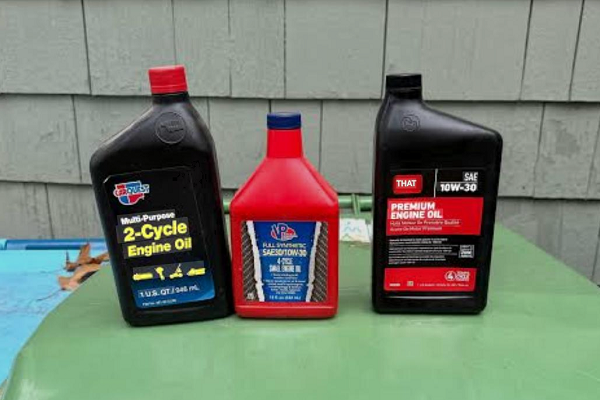
- Mix fresh fuel at the ratio specified in your owner’s manual. Do not use fuel that has been sitting in a can for months.
- Check the air filter before each season and replace it about once a year.
- Run the engine dry before winter storage to prevent gummed fuel lines.
- If the engine idles rough or stalls after winter, a clogged carburetor is often the cause. The fix is a straightforward fuel-system service.
- Consider a preventive fuel-system additive every few tanks to keep jets and passages clean.
- Small engines also last longer when you stick with a cleaner fuel option, since ethanol-free gasoline reduces the varnish that forms inside carburetors.
Noise, Emissions, and Legal Considerations
Noise is not just a courtesy issue; it is regulated in many places. The EPA sets small-engine emissions standards for new equipment, and local ordinances frequently limit when gas blowers can run. In 2026, the safest buy for a neighborhood with tight rules is a cordless model.
Gas blowers are not banned nationwide, but restrictions are growing. Some towns limit them to certain seasons or daylight hours, and some homeowner associations ban them outright. Check with your local municipality before making a purchase.
Fallen leaves are also a resource. University programs and the U.S. Department of Agriculture emphasize returning organic matter to the soil. For most homeowners, the easiest way is to make leaf mulch for flower beds instead of sending every leaf to the curb.
Frequently Asked Questions
What matters more, CFM or MPH?
CFM and MPH serve different purposes. CFM moves volume, which is what pushes large piles across grass. MPH lifts stuck debris, which is what pulls wet leaves off pavement. For home use, look for a balanced combination of at least 400 CFM and 110 MPH. Chasing one extreme while ignoring the other leads to disappointing results.
How long do cordless leaf blowers run on one charge?
Most cordless blowers run between 10 and 30 minutes on high, depending on battery capacity and motor efficiency. Lower speeds extend runtime significantly. Kits with two or more batteries give you practical all-day capability because one pack charges while the other is in use.
Are gas leaf blowers being banned?
There is no nationwide ban, but local restrictions are increasing. Many municipalities restrict gas blower use to certain hours, and some have phased them out for commercial landscapers. If quiet operation matters in your neighborhood, a cordless model is the safer choice.
How much should I spend on a home leaf blower?
Quality cordless kits typically cost between $100 and $300. Budget models are cheaper but often come with small batteries and limited airflow. For a typical suburban lot, the practical value zone is the 450–650 CFM range with two batteries. Gas backpack blowers cost more, but they are worth it for large or heavily wooded properties.
Can a cordless blower handle wet leaves?
It depends on the airflow. A 650 CFM cordless model can handle damp leaves and small wet piles, especially if the MPH rating is above 140. For deeply soaked, matted leaves after a heavy storm, a gas backpack blower is still more effective.
Should I buy a handheld or a backpack blower?
Choose a handheld if your cleanup takes 20 minutes or less and your property is under ½ acre. Choose a backpack if you regularly spend more than 30 minutes blowing, have large paved areas, or deal with wet debris. Backpack models are heavier to store but much more comfortable for sustained work.
Final Verdict
The best leaf blower for your home comes down to property size and how much work you ask it to do.
- For small lots and patios: a compact cordless model with two 4.0Ah batteries, or a corded blower if an outlet is nearby.
- For most suburban yards: a 650 CFM cordless kit with two batteries is the strongest balance of power, weight, and convenience.
- For large properties: a gas backpack blower in the 52cc–65cc range provides the sustained force you need, especially in wet conditions.
- For tight budgets: a corded model offers unlimited runtime at the lowest long-term cost.
There is no single perfect blower for every home. There is, however, a perfect blower for your yard, and it is the one that matches the workload without burying you in maintenance or battery anxiety. Pick the class that fits, maintain it properly, and fall cleanup becomes a morning task instead of a weekend project.