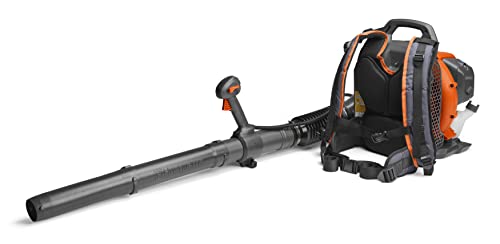
How To Mix Gas For A Leaf Blower: Step-By-Step Guide
Getting the fuel mix right is the single most important thing you can do for a two-stroke leaf blower. A correct mix means easy starts, strong airflow, and a long engine life. A wrong mix can lead to smoke, fouled spark plugs, or even a seized piston. This guide walks you through the entire process, from understanding ratios to storing fuel properly, so you can handle it with confidence.
Why The Oil-To-Gas Ratio Matters So Much
Two-stroke engines are different from the four-stroke engines in cars and most lawn mowers. They don't have a separate oil reservoir. Instead, the oil is mixed directly into the gasoline, and that mixture lubricates the engine's internal parts—the piston, bearings, and crankshaft—as it burns. You can also read our guide on how to fix a leaf blower that won t start.
The ratio tells you how much oil to add to a given amount of gas. For example, a 50:1 ratio means 50 parts gasoline to 1 part oil. If you use too little oil, the engine runs dry and overheats, which can quickly damage the piston and cylinder walls. If you use too much oil, you'll get excessive smoke, heavy carbon deposits, and fouled spark plugs, which hurts performance.
Always check your owner's manual first. The correct ratio is often printed on a sticker near the fuel cap. Most modern consumer blowers use 50:1, but some older or professional models require 40:1 or 32:1. Follow the spec for your specific machine, not a generic rule. For more on this, see our guide on how to mix oil and gas for leaf.
What You Need Before You Start
Gathering the right supplies ahead of time makes the job quick and mess-free. Here’s your checklist:
- Fresh unleaded gasoline – 87 octane is fine; higher octane isn't necessary. Avoid gas with more than 10% ethanol (E15 or E85 will cause problems).
- Two-stroke engine oil – Use a high-quality oil rated JASO FD or ISO-L-EGD. This is crucial for air-cooled engines.
- Approved gas can – A clean, certified container with a tight-fitting lid.
- Mixing container or bottle – A dedicated container with ratio markings is ideal and worth the small investment.
- Measuring cup – For precise oil measurement, especially if you're mixing larger quantities.
- Funnel and clean rags – To prevent spills and keep things tidy.
- Fuel stabilizer – Adds shelf life to your mixed fuel.
- Marker and tape – For labeling the can with the ratio and date.
Step-By-Step Mixing Instructions
Follow these steps carefully. Never mix fuel directly in the blower's tank—always use a separate, clean container.
- Determine your ratio. Check the manual or the sticker under the fuel cap.
- Calculate the oil needed. For 1 gallon of gas at a 50:1 ratio, you need 2.6 fluid ounces of oil. For a 40:1 ratio, you need 3.2 ounces.
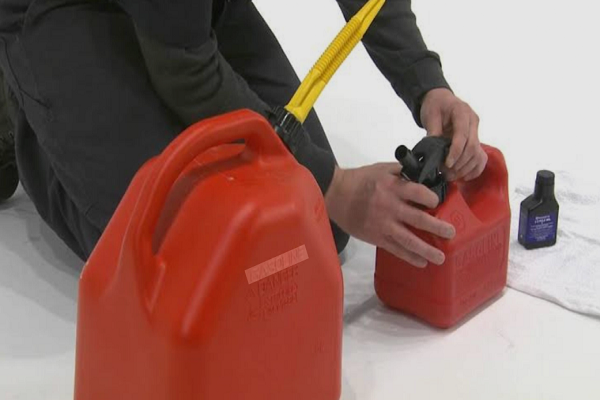
- Add gas to the can first. Pour about half of the gas you plan to use into your mixing container.
- Pour in the correct amount of oil. Use a measuring cup or pre-measured oil packet to be precise.
- Add the rest of the gas. Fill the container to your final desired volume. This helps the oil mix more thoroughly.
- Seal and mix. Cap the can tightly and gently swirl or shake it for 15–30 seconds to ensure the oil is fully blended.
- Label the can. Write the ratio and the date you mixed it on the container so you always know what's inside.
- Fill the blower. Carefully pour the mixed fuel into the blower's tank.
- Start and let it warm up. Let the blower run for 30–60 seconds before using it at full throttle.
Quick Reference: Oil Amounts Per Gallon
Here's a simple table for the most common fuel mix ratios.
| Ratio | Oil per 1 Gallon of Gas | Oil per 2 Gallons of Gas |
|---|---|---|
| 50:1 | 2.6 oz | 5.2 oz |
| 40:1 | 3.2 oz | 6.4 oz |
| 32:1 | 4.0 oz | 8.0 oz |
Always double-check your calculations. Getting the ratio wrong, even once, can cause noticeable problems.
Choosing The Right Mixing Ratio: 50:1 vs. 40:1 vs. 32:1
The ratio is not a one-size-fits-all number. It is determined by the engine design and the manufacturer's specifications. Using a 40:1 mix in a blower that requires 50:1 is a common mistake. While it won't seize the engine immediately, it will cause more smoke and carbon buildup.
- 50:1 – This is standard for most modern, consumer-grade leaf blowers. It's what you'll see on brands like Echo, Stihl, and Husqvarna.
- 40:1 – Often found on some older models or specific professional-grade equipment that requires a slightly richer mixture.
- 32:1 – This is common on very old engines or certain high-performance models that need more lubrication.
The best practice is to trust the label on your equipment. If you can't find the manual or the sticker has worn off, search for your blower's model number online. A quick search on the manufacturer's official website will give you the definitive answer. For more on this, see our guide on how to mix gas for leaf blower.
Measuring Tips And Common Mistakes To Avoid
Precision is key when mixing fuel. Here are some tips to get it right every time and pitfalls to avoid.
Best Practices For Accurate Measuring
- Use a dedicated mixing bottle. These bottles have clear markings for different ratios, making it easy to add the right amount of oil.
- Use pre-measured oil packets. These are incredibly convenient. One packet is usually designed to mix perfectly with one gallon of gas for a specific ratio.
- Keep separate cans for different ratios. If you own a 40:1 blower and a 50:1 blower, use different, clearly labeled cans to avoid a costly mix-up.
Common Mistakes That Shorten Engine Life
- Using old gas. Gasoline degrades over time. Stale fuel causes hard starting and poor performance.
- Mixing in the blower's tank. This makes it impossible to get a uniform mix and risks pouring straight oil or straight gas into the engine.
- Using car motor oil. Automotive oil is not designed to burn cleanly at high temperatures. This will lead to severe carbon buildup and can damage the engine. Only use oil specifically formulated for air-cooled two-stroke engines.
- Guessing the ratio. Guessing is a gamble with your equipment. Always measure and double-check.
Fuel Quality, Ethanol, And Storage
The type and condition of the gasoline you use has a significant impact on performance and longevity.
How Ethanol Affects Your Blower
Ethanol is added to most pump gas. While E10 (10% ethanol) is generally acceptable for occasional use, it's not ideal. Ethanol is hygroscopic, meaning it absorbs moisture from the air. This can lead to phase separation in the fuel and cause corrosion in your carburetor. If possible, use ethanol-free fuel for the best results. It has a longer shelf life and keeps the fuel system cleaner, leading to more reliable starts.
How Long Does Mixed Fuel Last?
The shelf life of mixed fuel is limited.
- Without stabilizer: Use within 30 days.
- With a fuel stabilizer: You can safely extend the life to 60–90 days.
Always store your fuel in a cool, dry, and well-ventilated area, away from direct sunlight and any source of heat or sparks. For more on this, see our guide on how to mix oil and gas for a.
Canned premixed fuel is an excellent alternative, especially if you only use your blower occasionally. It has a much longer shelf life (often 2-3 years), is ethanol-free, and eliminates the risk of mixing errors. It costs more per gallon, but many find the convenience and peace of mind worth it.
Troubleshooting Fuel-Related Performance Issues
If your blower is hard to start, runs rough, or bogs down, bad fuel is often the culprit. Start with these steps:
- Drain the old fuel. Empty both the blower's tank and the mixing can.
- Mix a fresh batch. Use the correct ratio and fresh gas.
- Check the spark plug. If it's dirty, wet, or fouled, clean or replace it.
- Inspect the fuel filter. A clogged filter restricts fuel flow.
- Clean the spark arrestor. If it's sooty or blocked, it will cause starting and performance problems.
If fresh fuel and a new spark plug don't solve the issue, the carburetor may need a deep cleaning or rebuild. This is a more involved step that may be best left to a professional.
Safety And Environmental Tips
Always prioritize safety when handling gasoline.
- Work in a ventilated area. Avoid inhaling fumes. Only mix fuel outdoors or in a well-ventilated space.
- Keep away from flames and sparks. Never smoke or work near a pilot light or other ignition source.
- Wear protective gear. Gloves and safety glasses are a good idea when pouring fuel.
- Clean up spills immediately. Use rags to wipe up any spills and dispose of them properly.
- Dispose of old fuel responsibly. Never pour it on the ground, down a drain, or into the trash. Check with your local waste management facility or a nearby auto parts store for approved fuel disposal sites.
You can also learn more about general fuel safety and handling from the Environmental Protection Agency (EPA), which provides guidelines for storing and disposing of fuels safely.
Pro Tips For An Efficient Workflow
A little setup goes a long way, especially if you have multiple pieces of equipment to maintain. Here are some strategies to make the process smoother.
- Maintain a dedicated system. Keep one can labeled specifically for your 50:1 blower and another for any 40:1 equipment you own.
- Keep pre-measured packets on hand. This makes quick refills in the field much easier.
- Mix in small batches. It's better to mix only what you need for the season to avoid fuel going stale.
- Prepare your equipment for storage. At the end of the season, run the blower dry of fuel. Then, you can add a small amount of fresh mix and run it for a moment to coat the internal parts, which helps prevent corrosion during the off-season.
Frequently Asked Questions
What type of gasoline should I use in my leaf blower?
Use fresh, high-quality unleaded gasoline with an octane rating of 87 or higher. Avoid gasoline with more than 10% ethanol. Ethanol-free premium fuel is the best choice for optimum performance and storage life.
Can I use regular car motor oil in my gas mix?
No, never. You must use a high-quality two-stroke oil specifically designed for air-cooled engines. Look for oils with a JASO FD or ISO-L-EGD rating. Standard motor oils will not burn correctly and will cause significant engine damage.
How long is mixed fuel good for?
Mixed fuel should be used within 30 days if not stabilized. With a good fuel stabilizer added to the mixture, you can extend its life to 60–90 days. After that, the fuel begins to degrade and can cause starting and performance issues.
What happens if I use too much oil in the mix?
Using too much oil (e.g., a 32:1 mix in a blower that requires 50:1) can lead to heavy smoke, a buildup of carbon deposits in the engine and on the spark plug, and a loss of power. This can eventually lead to a fouled plug and hard starting.
What happens if I don't use enough oil?
Too little oil (a lean mix) is far more dangerous. It can cause the engine to overheat rapidly, leading to scored or seized pistons and major, expensive engine damage.
Is it okay to mix fuel right in the leaf blower's gas tank?
No, this is not recommended. It's very difficult to get a consistent, uniform mix this way. You risk running the engine on insufficiently lubricated fuel. Always mix in a separate, clean container before pouring it into the blower's tank.
How can I find out the correct mix ratio for my specific blower model?
Your owner's manual is the definitive source. You can also check the engine itself; many have a sticker displaying the correct ratio. If you can't find it, use the model number to search the manufacturer's official website.
Conclusion
Mixing gas for your leaf blower is a simple task, but it's one that demands your full attention. The key takeaways are simple: always use fresh fuel, a high-quality two-stroke oil, and the exact ratio specified for your engine. Use a clean, dedicated mixing container and measure carefully. Label your fuel can with the ratio and date, and mix only what you'll need for the near future.
By following this process every time, you'll ensure your leaf blower starts quickly, performs reliably, and provides years of service. Now that you have the fuel mix down, make sure your other equipment is ready for the season. If you're also maintaining a lawn mower, you'll want to know about choosing the right fuel blend for it and how proper upkeep on things like routine air filter maintenance keeps it running smoothly.