How To Clean Up Raw Sewage In Yard: Fast, Safe Guide
Do not touch it. Isolate the area and call a sewage cleanup pro.
Raw sewage is a serious health risk. If you need to know how to clean up raw sewage in yard, this guide walks you through the right first moves, what experts do, and how to protect your soil, pets, and family. I’ve managed many outdoor sewage incidents. You will get clear steps to reduce risk, avoid costly mistakes, and recover your yard the smart way.

Why raw sewage in a yard is dangerous
Raw sewage can contain bacteria, viruses, and parasites. Think E. coli, Salmonella, and norovirus. Even dried waste can spread germs when disturbed. Pets can carry it indoors on paws. Kids are at high risk.
If you are searching how to clean up raw sewage in yard, start by thinking safety. Stay clear of pooled waste and any splash zone. Keep pets and people far away. Do not mow, rake, or disturb the area. Call a licensed plumber if you suspect a line break. Call a certified remediation company for cleanup.

First steps: secure the source and the scene
You want to stop more sewage from entering the yard. That often means limiting water use in the home until the source is found. Avoid using sinks, toilets, washers, or showers if they feed the same line. Contact your utility or a licensed plumber to locate and fix breaks or blockages.
Mark the area with flags, cones, or tape. Block foot traffic. If runoff threatens a storm drain, a ditch, or a waterway, notify your local health or environmental office. Use photos and short notes to document what you see. This helps with insurance and with any expert you hire for how to clean up raw sewage in yard.

What not to do during an outdoor sewage spill
The wrong move can make things worse. A few rules help reduce risk.
- Do not hose it down or use a pressure washer. That spreads contamination.
- Do not mix cleaners. Some mixes can create toxic gas.
- Do not compost, mulch, or till affected soil.
- Do not let pets, kids, or lawn crews near the area.
- Do not handle waste or soaked soil without proper training and gear.
If you are unsure how to clean up raw sewage in yard without causing harm, pause and call a professional. Safety comes first.

How professionals handle outdoor sewage cleanup
Here is a simple view of the process experts follow. This is not a DIY guide. It helps you know what to expect and how to talk with your contractor.
- Assessment and safety plan. They evaluate the spill, slope, runoff risks, and nearby wells or drains. They set safety zones and choose the right protective gear.
- Source control. A plumber repairs or clears the line. The crew prevents new flow while they work.
- Containment. They keep waste from moving. They may build simple barriers or use absorbent materials to hold the area.
- Removal. Pros collect solids and saturated debris. They use safe methods to limit splash and dust.
- Disinfection and verification. They apply EPA-registered disinfectants as needed and confirm coverage. In some cases, they test or wait out safe die-off times.
- Disposal. Waste and debris go to approved facilities under local rules.
- Restoration. They replace sod or topsoil if needed and guide you on when to replant.
When you ask how to clean up raw sewage in yard, understand that the best results come from trained teams using the right tools and rules. They reduce health risks and protect your landscape from long-term damage.
Yard recovery: soil, grass, and garden considerations
Spills affect different surfaces in different ways. Hardscapes like concrete or pavers are easier to sanitize than lawns or gardens. Deeply soaked soil may need removal and replacement by a pro. Light splash on healthy turf may recover after expert treatment and time.
- Food gardens need special care. Professionals often advise discarding crops exposed to sewage and avoiding edible planting in affected soil for a time.
- Lawns may bounce back with careful restoration. Badly saturated sod is often replaced.
- Trees and shrubs may be fine if contamination stays at the surface. Your arborist can advise.
If you are weighing how to clean up raw sewage in yard and still save your lawn, ask for a clear plan with timelines. Get advice on when it is safe for pets and kids to return.
Health, insurance, and local rules to know
Raw sewage is a public health matter. Many areas require reporting if a spill reaches a street, drain, or waterway. Some cities offer emergency response for public lines. Private lines are usually the owner’s duty.
Homeowners insurance may cover sudden and accidental discharge. Keep all receipts, photos, and repair notes. Ask your adjuster about coverage for cleanup, line repair, and landscape restoration. If you have a septic system, ask your local health department for guidance. This helps you decide how to clean up raw sewage in yard under local rules.

Prevention checklist for future storms and backups
You can cut the odds of a repeat. A few habits and upgrades go a long way.
- Schedule routine plumbing and septic checks.
- Avoid flushing wipes, grease, or hygiene products.
- Install or service a backwater valve where allowed.
- Grade soil to keep rain from pooling near cleanouts and lines.
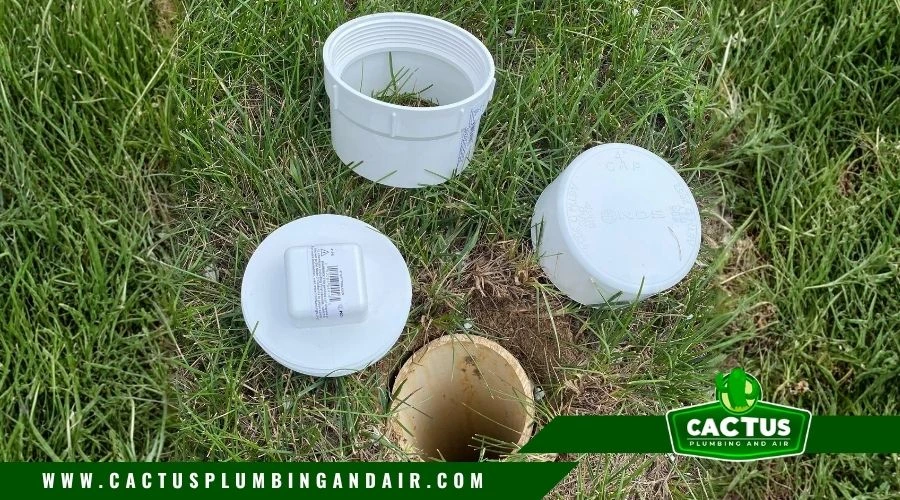
- Cap and map all cleanouts so crews can respond fast.
- Seal foundation vents that let runoff in and keep gutters clear.
Make prevention part of your plan for how to clean up raw sewage in yard. Stopping the next spill is the best win.
Field notes and lessons learned from real cleanups
After a summer storm a few years back, a client’s yard took a hit from a blocked line. The family wanted to hose it away. We stopped them. Hosing would have sent waste into a nearby drain. A licensed team contained the area, removed debris, and restored the lawn in stages. The fix was faster, cheaper, and safer.
Another case involved a low spot near a play set. The owner kept mowing over damp patches. That spread contamination across the turf. We flagged the area, paused yard work, and brought in help. The key lesson: if you are wondering how to clean up raw sewage in yard, slow down and isolate first. Let pros guide the path to recovery.
Frequently Asked Questions of how to clean up raw sewage in yard
Is it safe to clean sewage in my yard myself?
Raw sewage can cause illness. It is best to keep people away and bring in a certified cleanup company, especially for large or soaked areas.
How fast should I act after a spill?
Act right away to limit spread. Stop water use if it feeds the line, secure the area, and call a plumber and a cleanup pro the same day.
Can I save my lawn after sewage contamination?
Many lawns recover with proper remediation and time. Heavily saturated sod may need replacement under professional guidance.
Will rain wash it away?
Rain spreads contamination to new places and can reach drains or creeks. Do not rely on rain; secure the area and get expert help.
Does homeowners insurance cover this?
Policies vary. Many cover sudden and accidental discharges, but not neglect; call your insurer and document everything.
When can pets and kids return to the yard?
Wait for a pro to declare the area safe. They may advise a rest period after treatment and any needed soil or sod replacement.
What causes sewage to back up into a yard?
Common causes include tree root intrusion, line breaks, grease buildup, heavy rain, or a blocked municipal main. A plumber can diagnose the source.
Conclusion
Raw sewage in your yard is more than a mess; it is a health risk. Secure the scene, stop the source, and bring in qualified help. With the right plan, you can protect your family, recover your landscape, and prevent the next event. If you found this guide helpful, share it with a neighbor, subscribe for more homeowner safety tips, or leave a comment with your questions so we can help you plan your next steps.