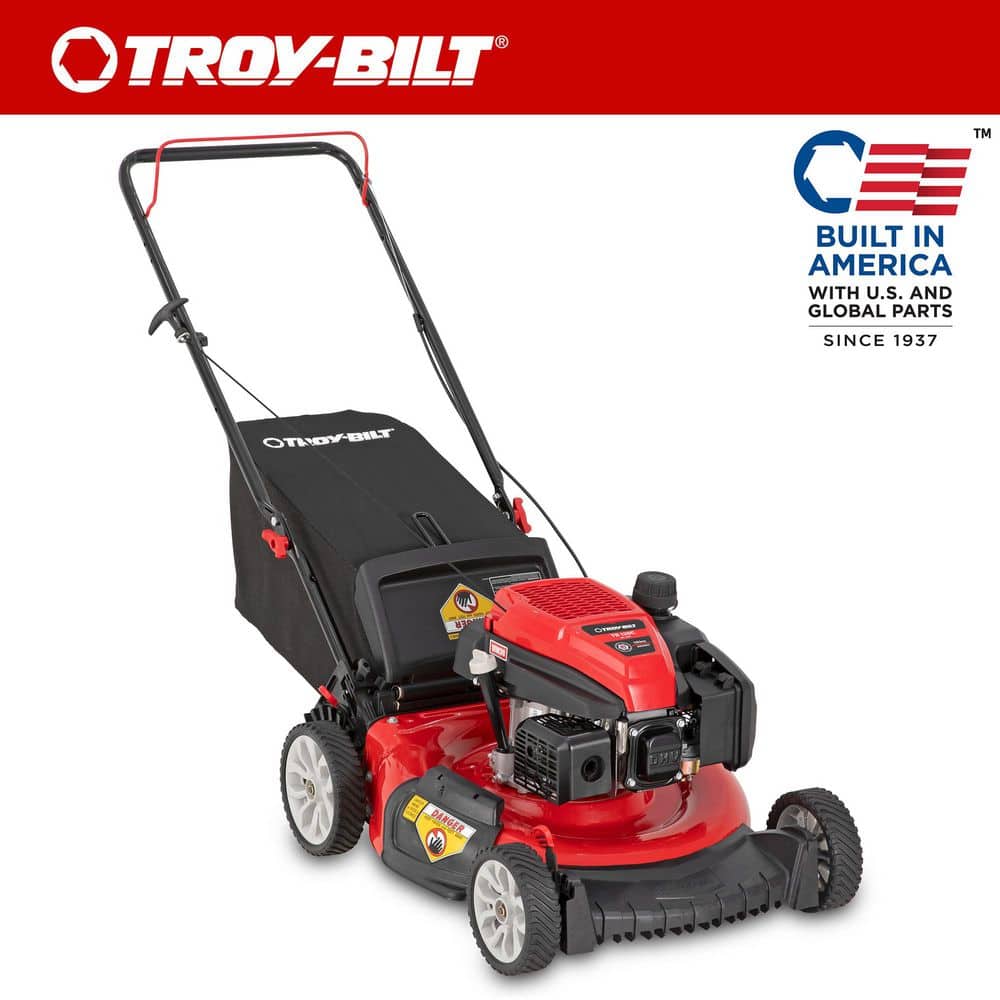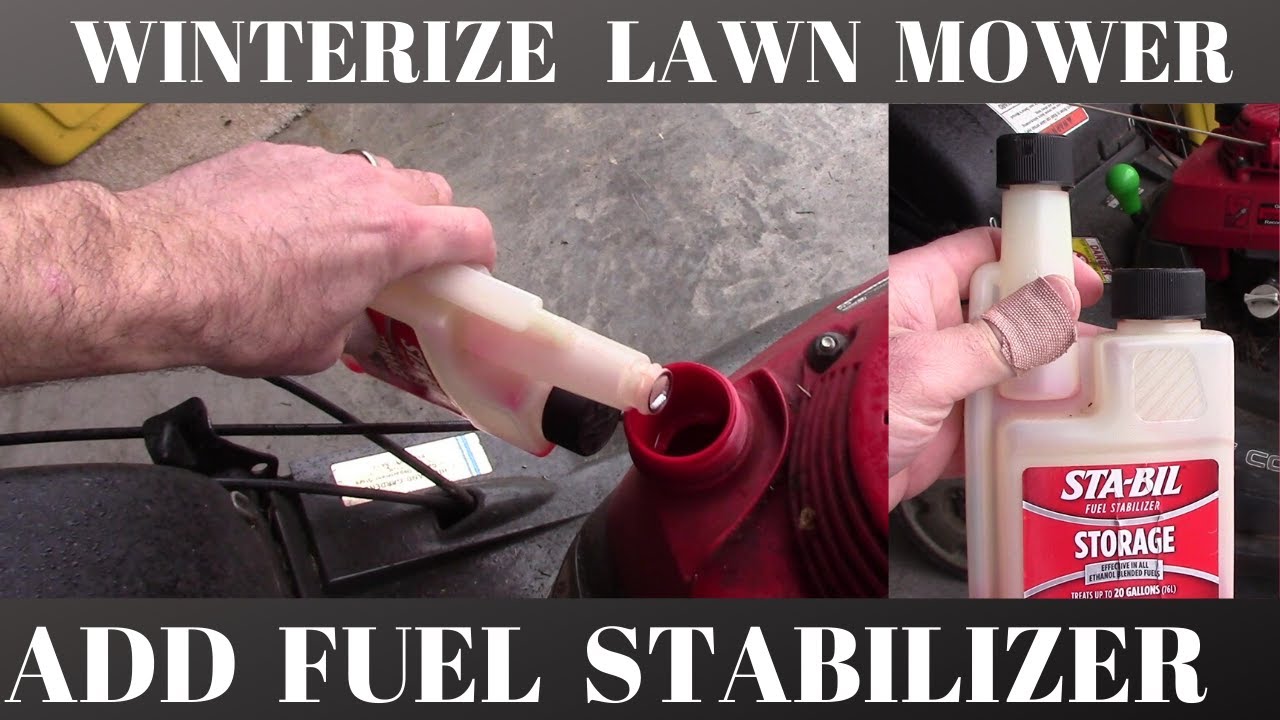
Fill the tank with fresh gas plus fuel stabilizer, then run the engine 5–10 minutes.
If you are wondering what to put in lawn mower gas tank for winter, you are in the right place. I have winterized hundreds of small engines and seen every spring-start headache that stale fuel can cause. In this guide, I share exactly what to put in lawn mower gas tank for winter, why it works, and the step-by-step plan I trust in my own shop. Read on to protect your engine, save time, and avoid repair bills when the snow melts.

Why winter fuel prep matters
Gasoline goes bad fast. In about 30 days, it starts to oxidize and form gum. Ethanol blends pull in water from air. That can lead to phase separation, rust, and a no-start in spring. What to put in lawn mower gas tank for winter is not a guess. It is a simple science-based routine.
I have seen carbs varnish so tight the float would not move. A $10 bottle of stabilizer would have saved a $120 repair. Most engine makers advise stabilizer for storage past 30 days. If you want a smooth first pull in April, treat the fuel right now.
What to put in the lawn mower gas tank for winter
If you ask what to put in lawn mower gas tank for winter, here is the short list that works.
- Fresh unleaded gasoline, ideally ethanol-free if you can find it. It keeps longer and resists moisture.
- A quality fuel stabilizer with corrosion inhibitors and ethanol control. Use it at the label dose.
- For 2-stroke engines only, use your normal oil premix plus stabilizer. Match the exact oil ratio.
What not to put in lawn mower gas tank for winter:
- Do not add straight motor oil to 4-cycle gas. It can foul the plug and carbon the valve.
- Do not pour in carb cleaner as a storage plan. It is not a fuel or a stabilizer.
- Do not use old gas from last year. Mix old with new if it is under 3 months, or recycle it.
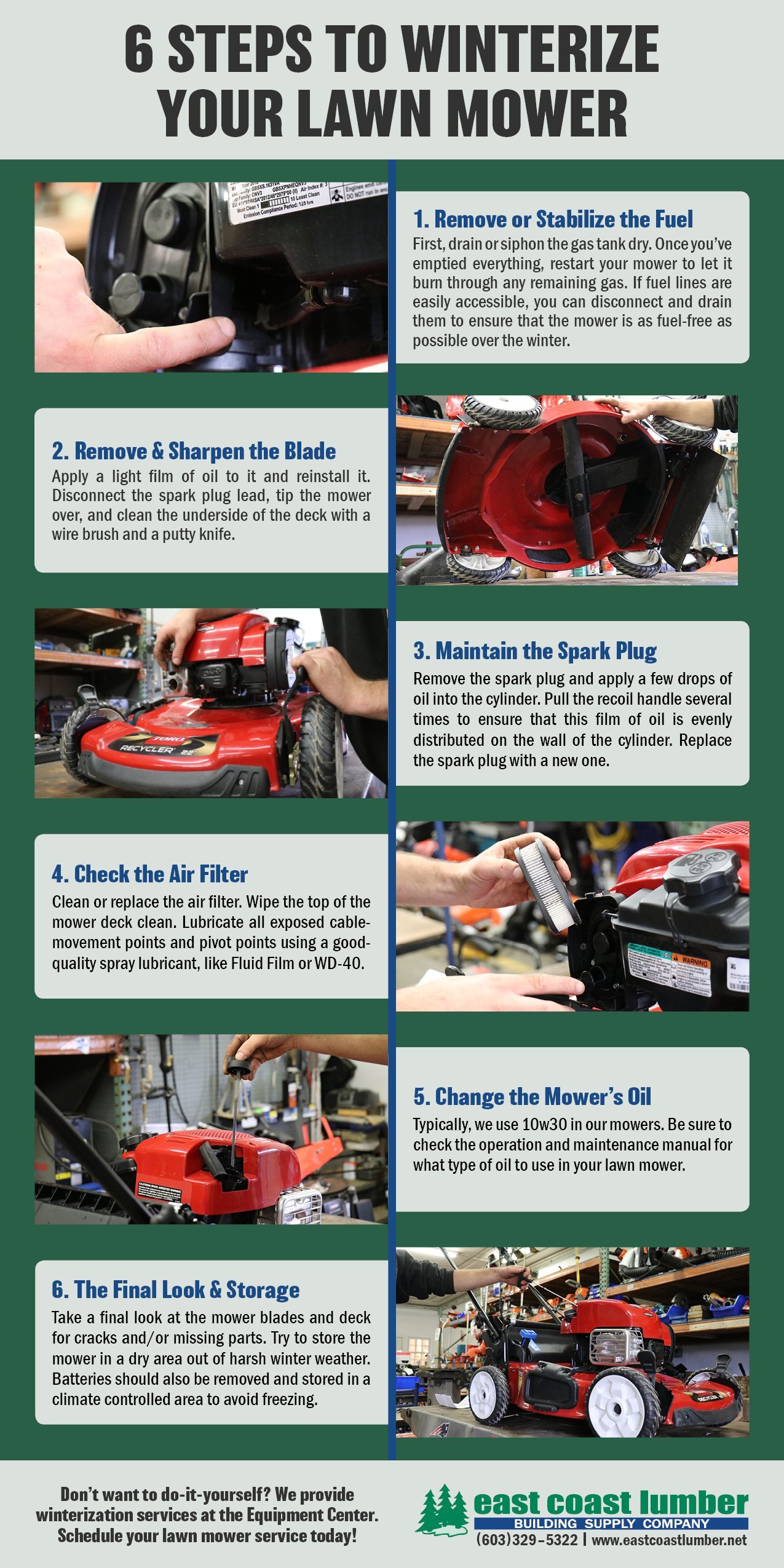
Source: eastcoastlumber.net
Step-by-step winter fuel routine
This process is simple. It answers what to put in lawn mower gas tank for winter and how to use it.
- Buy fresh gas. If possible, choose ethanol-free. If not, use E10 from a busy station.
- Add fuel stabilizer to your gas can at the label rate. Shake the can for 10 seconds.
- Fill the mower tank to about 90–95% full. Leave a little space for expansion.
- Start the mower. Let it run 5–10 minutes. This pulls treated fuel into the carb.
- If your mower has a fuel shutoff, close it and let the engine run until it stalls. The bowl is now dry.
- Top off the tank if you ran some fuel out. A full tank reduces air and moisture.
- Store the mower in a cool, dry spot. Keep the cap snug.
This is the most reliable answer to what to put in lawn mower gas tank for winter. I use it on every customer mower before first frost.
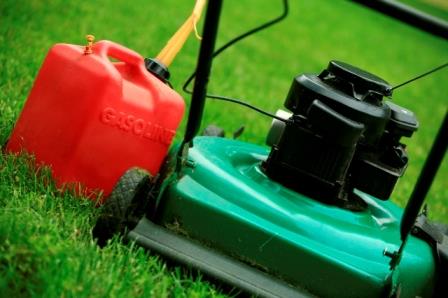
Two-stroke vs four-stroke mowers
Two-stroke engines need oil in the fuel. Four-stroke engines do not. This affects what to put in lawn mower gas tank for winter.
- Two-stroke: Mix fresh fuel with the correct 2-stroke oil ratio and add stabilizer. Run the engine to circulate it.
- Four-stroke: Use straight gasoline with stabilizer. Never add oil to the fuel.
If you are unsure which you own, check the engine label or manual. When in doubt, ask a dealer.
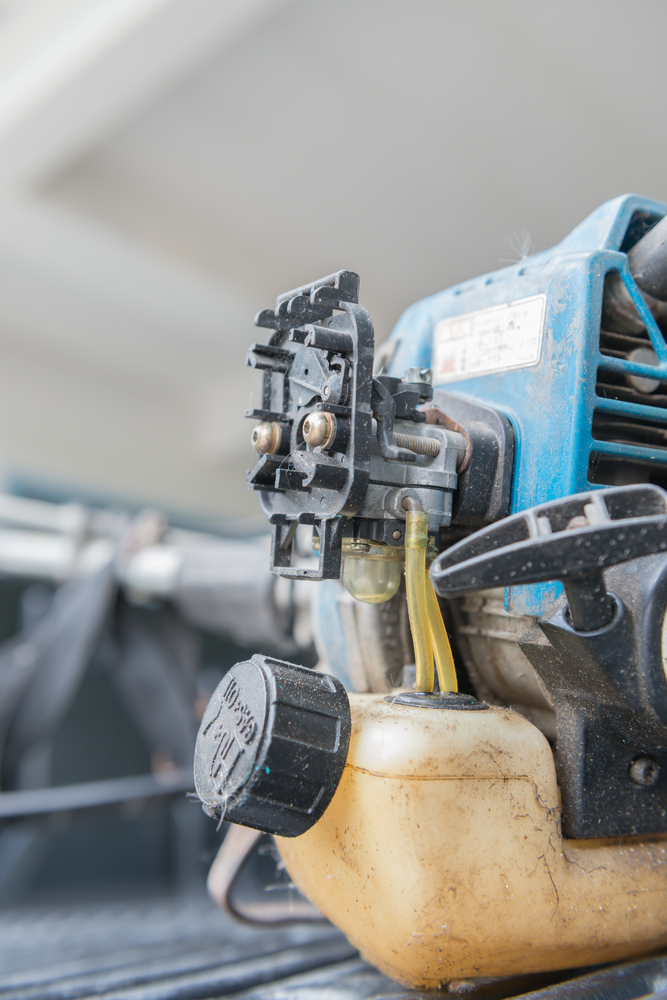
Drain the tank or fill it for storage?
People debate this. Manuals differ. Here is what I see in the field.
- Fill with stabilized fuel: Best for most users. It controls moisture and keeps seals wet. You get easy starts.
- Drain and run dry: Fine if you can empty the tank fully and run the carb dry. Good for older carbs prone to gum.
If you ask what to put in lawn mower gas tank for winter, choose stabilized fuel unless you love spring carb work. In very damp areas, filling the tank wins. In very hot sheds, draining can help if done well.

How much stabilizer and when to add it
Dose matters. More is not better. Follow the label, which is often about 1 ounce per 2.5 gallons, but check your brand.
- Add stabilizer to the gas can first. Then add fuel. This mixes it fast.
- Stabilizer works best on fresh gas. Treat it the day you buy it.
- Most top stabilizers protect for 12 months. Some claim 24 months. Still try to cycle fuel by spring.
This small step locks in the benefits of what to put in lawn mower gas tank for winter and keeps the fuel stable.

Common mistakes to avoid
I keep a list because I see these each spring.
- Using last year’s gas without testing smell or color. If it smells sour or looks dark, do not use it.
- Skipping the run time after adding stabilizer. The carb bowl needs treated fuel too.
- Adding oil to a 4-cycle tank. That is only for 2-stroke premix.
- Using high-ethanol blends like E15 or E85. Small engines are not rated for them.
- Leaving the tank half full. That invites water and rust.
If you are still unsure what to put in lawn mower gas tank for winter, remember: fresh gas plus stabilizer, then run it.

Spring startup tips after storage
A little prep now saves pulls later.
- Check the oil level. Change it if it looks dark or smells like fuel.
- Inspect the air filter. Clean or replace if dirty.
- Squeeze the primer bulb if you have one. Then pull to start.
- If it is slow to start, swap the spark plug. It is a cheap fix.
This is the natural follow-up to what to put in lawn mower gas tank for winter. Your mower should fire fast and cut smooth.
Safety, storage, and disposal tips
Fuel is flammable. Treat it with care.
- Store gas in a certified, vented container away from heaters or flames.
- Keep containers out of sun and off concrete floors to reduce condensation.
- Recycle old fuel at a local hazardous waste site. Do not dump it.
- Wipe spills at once and ventilate the area.
Safe storage pairs with what to put in lawn mower gas tank for winter. You protect both the mower and your garage.
Cost and product selection
This task is cheap and effective.
- Fuel stabilizer: About $10–$15 per bottle, treats 20–40 gallons.
- Ethanol-free fuel: Costs more per gallon, but lasts longer and runs cleaner.
- Premium stabilizers: Look for corrosion inhibitors, metal deactivators, and ethanol treatment.
If you ask what to put in lawn mower gas tank for winter on a budget, pick a trusted stabilizer and fresh E10. If you want best-in-class, pair ethanol-free with a premium stabilizer.
Frequently Asked Questions of what to put in lawn mower gas tank for winter
Can I use gas that is a few months old if I add stabilizer now?
You can if it still looks clear and smells normal. Add stabilizer and dilute with fresh gas to be safe.
Should I run the carb dry or leave fuel in it?
If you have a shutoff valve, running the carb dry helps prevent varnish. If not, keep the tank full with stabilized fuel to limit moisture.
Is ethanol-free gas worth it for winter storage?
Yes, it absorbs less water and stores longer. Pair it with stabilizer for the best result.
Can I add stabilizer in spring if I forgot in fall?
Yes, but it will not reverse heavy oxidation. Try it, then run the engine and evaluate. You may still need a carb clean.
What stabilizer dose should I use?
Follow the label for your brand. More is not better, and the right dose protects both fuel and parts.
Will fuel stabilizer fix a gummed carburetor?
No, it prevents gum but does not dissolve heavy varnish. You may need a manual clean or a rebuild.
Does premium octane help with storage?
Octane does not affect storage life. Fresh fuel with stabilizer matters more than a higher octane number.
Conclusion
Treat the fuel now, and your spring will be easy. Fresh gasoline plus the right stabilizer, followed by a 5–10 minute run, is the proven answer to what to put in lawn mower gas tank for winter. Choose ethanol-free if you can, or fresh E10 if you cannot, and keep the tank near full.
Make this a five-minute habit each fall. Your mower will start fast, run clean, and last longer. Ready to winterize today? Put these steps to work, then subscribe for more simple small-engine tips.